


Activation of epidermal growth factor receptor signaling via the prostaglandin E2 EP4 receptor pathway during gastric tumorigenesis - Evidence review
In the murine model of gastric cancer, prostaglandin E2 signaling through EP4 increased ligands and proteases capable of activating EGFR, linking inflammation and growth signals. Independent studies confirm the PGE2-EGFR crosstalk, especially in cells; the specific role of EP4 in human gastric cancer requires further clinical confirmation.
- Published 21/11/2026
- Updated 22/11/2026
- Article history
ABSTRACT
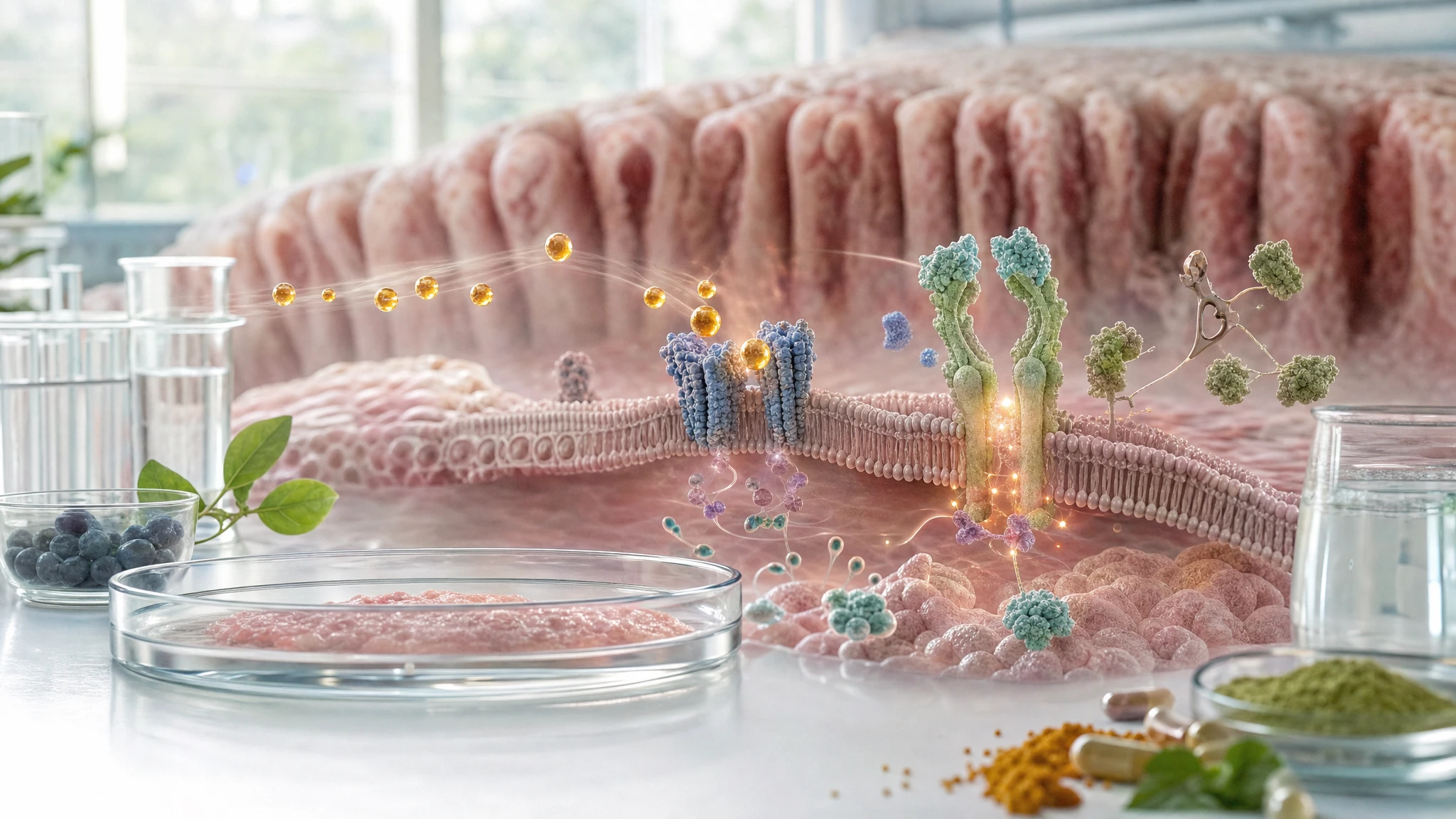
The analyzed study examined whether prostaglandin E2 (PGE2), a lipid mediator of inflammation, can indirectly activate the epidermal growth factor receptor (EGFR), a membrane protein that transmits cell growth and survival signals. In transgenic mouse models of gastric cancer, the PGE2 pathway increased the expression of EGFR ligands and ADAM proteases, enzymes that can release these ligands and make them available to activate the receptor. Blocking EP4 suppressed this induction; the combination of EGFR and COX-2 inhibitors significantly reduced tumorigenesis in mice.
In Chapter 5 of “The Choice to Live in Health or Illness” by Dr. A. Colonnese and R. Panzironi, the publication contributes to the PGE2 → EP4 → EGFR activation pathway, included in the description of a circuit between inflammation and growth signals. Independent studies confirm that PGE2 can activate EGFR and downstream signals in gastric, intestinal, colon cancer, and cardiac cells. However, the effects of EP4 depend on the cell type: in some human gastric carcinoma lines, its stimulation reduced, rather than increased, proliferation. The confirmation is therefore primarily mechanistic.
Analyzed study
Activation of epidermal growth factor receptor signaling by the prostaglandin E(2) receptor EP4 pathway during gastric tumorigenesis
DOI: 10.1111/j.1349-7006.2011.01847.x
PMID: 21205091
PMCID: PMC11158703
The research question was whether PGE2 signaling could explain EGFR activation in vivo during the development of gastric tumors. The authors evaluated the hypothesis that the EP4 receptor, one of the four cellular receptors for PGE2, promotes EGFR activation by increasing the availability of its ligands and the enzymes that release them from the cell surface.
The relevance to Chapter 5 of “The Choice to Live in Health or Illness” by Dr. A. Colonnese and R. Panzironi is specific. The book describes PGE2 as a signal that, through EP4, can reactivate EGFR and amplify cellular growth programs. The study analyzed documents precisely the PGE2/EP4 → EGFR ligands and ADAM proteases → EGFR activation segment in the context of murine gastric tumors. It does not, however, evaluate hyperinsulinemia, arachidonic acid production, nor does it directly demonstrate the entire PI3K–AKT–mTOR sequence in humans.
Materials and methods of the original study
The authors report using transgenic mice that developed gastric tumors following oncogenic activation and induction of the PGE2 pathway. They compared the expression of EGFR ligands, including amphiregulin and epiregulin, and ADAM proteases in gastric tumors. ADAMs are enzymes that can cleave and release portions of membrane proteins, including certain EGFR ligands.
A selective EP4 inhibitor and treatments capable of inhibiting EGFR and COX-2 were also used. COX-2 is the enzyme that contributes to the production of PGE2. The abstract also reports on experiments involving activated macrophages and gastric epithelial cells to distinguish between potential direct effects of EP4 signaling and indirect effects associated with inflammation.
The number of animals and cell cultures, inclusion and exclusion criteria, dosages, treatment duration, detailed analytical methods, predefined endpoints, and statistical procedures are not reported in the available material.
Results
In murine gastric tumors, activation of the PGE2 pathway was associated with a significant increase in the expression of four EGFR ligands: epiregulin, amphiregulin, HB-EGF, and betacellulin. The expression of ADAM8, ADAM9, ADAM10, and ADAM17 was also increased. In simple terms, the tumor possessed more molecules capable of providing EGFR with the signal required for activation, as well as more enzymes potentially capable of making them available.
Inhibition of the EP4 receptor suppressed the broad induction of EGFR ligands and ADAMs. In activated macrophages, EP4 signaling induced amphiregulin and epiregulin. In gastric epithelial cells, however, EP4 was necessary for the basal expression of epiregulin. ADAMs were not directly induced by PGE2 in these cells; the authors therefore proposed an indirect mechanism, likely mediated by the inflammatory response associated with PGE2.
The combination of EGFR and COX-2 inhibitors significantly suppressed gastric tumorigenesis in transgenic mice. The abstract does not report absolute values, reduction percentages, P-values, confidence intervals, or experimental sample sizes. The result supports a functional link between the COX-2/PGE2, EP4, and EGFR pathways in the mouse model, but the available material does not quantify the precise magnitude of the effect nor demonstrate a clinical benefit in humans.
Interpretation
The primary biological significance is that a molecule produced during inflammation can increase the signals that promote the activation of a receptor involved in cell growth. In the model studied, PGE2 does not appear to be merely an end product of inflammation: through EP4, it contributes to increasing EGFR ligands and ADAM proteases, creating favorable conditions for EGFR signaling.
The technical detail is a form of transactivation: EP4, despite being a different receptor from EGFR, can indirectly promote the activation of EGFR. The authors indicate that this occurs through the induction of amphiregulin, epiregulin, and other ligands, not necessarily through a single rapid intracellular mechanism. The most directly documented segment is therefore PGE2 → EP4 → increase of EGFR and ADAM ligands → EGFR activation in mouse gastric cancer.
This finding is consistent with the passage in the book, but requires clarification: the study does not demonstrate that EP4 directly increases the expression of the EGFR receptor itself. It primarily demonstrates the increase of molecules that can activate it. Furthermore, the PI3K–AKT–mTOR axis is only partially represented in the available abstract: it is not possible to attribute to the study a complete demonstration of the entire molecular circuit described in the book.
Independent confirming evidence
Initial confirmation of the general link between PGE2 and EGFR comes from experiments in normal gastric epithelial cells and colon carcinoma cell lines. Pai and colleagues observed that PGE2 rapidly induced EGFR phosphorylation—the biochemical activation of the receptor—and the ERK2 signal, which is involved in proliferation. Blocking EGFR reduced ERK2 activation, c-fos expression, and proliferation induced by PGE2. Blocking metalloproteases, TGF-alpha, or c-Src interrupted the transactivation, supporting a chain that includes ligand release and EGFR activation [1]. This study confirms the PGE2 → EGFR pathway and the possible involvement of enzymes that release ligands, but it does not identify EP4 as the responsible receptor.
In colorectal carcinoma lines, Buchanan and colleagues showed that PGE2 induced EGFR phosphorylation and the activation of AKT—a protein that transmits survival and cell movement signals—within minutes. EGFR tyrosine kinase inhibitors abolished the AKT activation induced by PGE2. Cell migration and invasion increased by PGE2 were therefore dependent on EGFR transactivation [2]. The work confirms the EGFR → PI3K/AKT segment of the narrative, but in colon tumor cells and without demonstrating the involvement of EP4 or mTOR.
More direct support for the EP4 → EGFR segment comes from primary cultures of neonatal ventricular myocytes. Mendez and LaPointe observed that PGE2 rapidly phosphorylated EGFR; an EP4 antagonist blocked this phosphorylation. The EGFR inhibitor AG-1478 abolished PGE2-induced protein synthesis, while the EP4 antagonist only partially reduced it. The activation of p42/44 MAPK, a pathway that regulates cell growth, was also inhibited by blocking EP4 and EGFR [3]. The causal sequence is well demonstrated in these cells, but cardiac tissue is not a gastric tumor.
Overall, independent research converges on the possibility that PGE2 activates EGFR and downstream signals involved in growth, migration, or protein synthesis. The originality of the analyzed study lies in having placed this relationship within the microenvironment of murine gastric tumors and in having linked EP4 to the induction of multiple EGFR and ADAM ligands.
Conflicting evidence
A relevant result, albeit in the opposite direction, was observed in four human gastric carcinoma cell lines. Okuyama and colleagues detected the expression of EP2 and EP4 in all examined lines and observed that selective EP2 or EP4 agonists induced a reduction in proliferation, accompanied by an increase in cyclic AMP, a cellular messenger [4].
This study did not evaluate EGFR transactivation and does not directly refute the mechanism observed in the mouse model. However, it shows that EP4 activation does not necessarily produce a proliferative effect in every gastric context. The response may depend on the cell line, the presence of other receptors, dominant intracellular signals, and the inflammatory microenvironment—elements that a simplified cell culture does not fully reproduce.
Summary table of evidence
The table distinguishes the evidence obtained in the original study from independent verifications and the relevant conflicting result.
| Reference | Study type | Population or model | Main result | Direction of evidence | Strength of evidence |
|---|---|---|---|---|---|
| Original study | Animal and cellular | Transgenic mice with gastric tumors; macrophages and gastric epithelial cells | The PGE2/EP4 pathway increases EGFR and ADAM ligands; blocking EP4 suppresses induction. | direct confirmation | moderate |
| [1] | Cellular | Normal gastric epithelial cells and colon carcinoma lines | PGE2 rapidly increases EGFR phosphorylation and ERK signaling; EGFR inhibitors reduce proliferation and downstream signals. | indirect confirmation | moderate |
| [2] | Cellular and human samples | Colorectal carcinoma lines and comparison between normal and malignant colorectal tissues | PGE2 rapidly activates EGFR and AKT; blocking EGFR eliminates AKT activation and reduces migration and invasion. | biologically consistent evidence | moderate |
| [3] | Cellular | Primary cultured neonatal ventricular myocytes | Blocking EP4 prevents PGE2-induced EGFR phosphorylation; EGFR inhibition blocks protein synthesis. | direct confirmation | moderate |
| [4] | Cellular | Four human gastric carcinoma cell lines | Selective EP2 and EP4 agonists reduce proliferation and increase cyclic AMP. | discordant evidence | low |
Confirmation of the evidence
Claim in the book
In sections 5.2 and 5.6, "The Choice to Live in Health or Illness" by Dr. A. Colonnese and R. Panzironi describes PGE2 as an inflammatory signal that activates EP4, transactivates EGFR, and can amplify signals linked to cell growth and survival. The core of the statement is that EP4 constitutes a functional link between PGE2 and EGFR.
PGE2 → EP4 → induction of EGFR and ADAM ligands → EGFR activation → cell growth and survival signals
The publication subject to the Evidence Review was used in the book to support the following passage: PGE2 signaling through EP4 can promote EGFR activation in gastric tumors, increasing EGFR ligands and ADAM proteases in multiple cell types within the tumor microenvironment.
The correspondence between the original study and the paragraph is specific. In a murine model of gastric cancer, blocking EP4 suppressed the induction of EGFR and ADAM ligands associated with the PGE2 pathway. This supports the central part of the chain proposed in “The Choice to Live in Health or Illness” by Dr. A. Colonnese and R. Panzironi: PGE2 → EP4 → indirect activation of EGFR. Independent evidence confirms that PGE2 can transactivate EGFR through signals involving metalloproteases and EGFR ligands [1], and that EGFR activation can transmit the signal toward AKT, associating with increased cell migration and invasion [2]. In a non-tumor cell model, EP4 was causally placed upstream of PGE2-induced EGFR phosphorylation [3].
However, the chain cannot be transferred entirely to humans. The original work concerns transgenic mice and cell cultures, while the confirmation studies mainly use cellular systems from different tissues. Furthermore, in human gastric carcinoma lines, selective activation of EP4 has been associated with a reduction in proliferation [4]. The PGE2–EP4–EGFR link is therefore consistent and experimentally supported, but its biological consequence depends on the cellular context and does not equate to clinical proof in humans.
Overall level of confirmation
MECHANISTIC CONFIRMATION
The original publication demonstrates in the gastric mouse model the EP4 → increase of EGFR and ADAM ligands → EGFR activation segment. Independent studies confirm convergent steps of the chain, including the EP4–EGFR relationship in cells, but clinical validations in human gastric cancer are lacking, and results are context-dependent.
Conclusions
The study analyzed directly supports, in a murine model of gastric cancer, that PGE2 signaling through EP4 promotes EGFR activation by increasing ligands and proteases that facilitate its activation. Independent literature confirms that PGE2 can transactivate EGFR and activate downstream cellular signals, including AKT, and that EP4 can participate in this connection.
The proposed narrative is therefore well-supported at a mechanistic level. However, important limitations remain: the models are primarily animal or cellular, effects can vary between tissues and tumor cell lines, and it has not been demonstrated that the entire PGE2–EP4–EGFR–PI3K–AKT–mTOR chain operates in the same way in human gastric tumors. Independent validation on human samples and clinically oriented studies are necessary.
Overall assessment
The link between PGE2, EP4, and EGFR activation is confirmed at a mechanistic level. The original study is consistent with the book passage because it documents the role of EP4 in murine gastric cancer. The transferability to human gastric cancer remains moderately supported and dependent on the cellular context.
References
[1] Prostaglandin E2 transactivates EGF receptor: A novel mechanism for promoting colon cancer growth and gastrointestinal hypertrophy
[2] Prostaglandin E2 Regulates Cell Migration via the Intracellular Activation of the Epidermal Growth Factor Receptor
[3] PGE2-induced hypertrophy of cardiac myocytes involves EP4 receptor-dependent activation of p42/44 MAPK and EGFR transactivation
Editorial note
Artificial Intelligence was used solely as a tool to support editorial and documentary work. All content, interpretations, bibliographic citations and conclusions have been verified, reviewed and approved by the author, who assumes full scientific responsibility for them.
The manuscript was also subject to independent peer review prior to publication.
To ensure maximum transparency, the article's complete history — including the dates of submission, review, acceptance and publication, as well as information on the peer review process — is available on the dedicated Article History page.