


Curcumin and AMPK: the role in cellular metabolism
Curcumin is of interest in metabolic research because it can act on AMPK. This protein senses energy status and helps the cell when resources change. The strongest evidence comes from experimental studies, in which the signal indicates a possible action on energy utilization. However, the translation to humans remains uncertain and requires caution.
- Published 27/10/2026
- Updated 29/10/2026
- Reviewed 29/10/2026
- Article history
ABSTRACT : WHAT THE SCIENCE SAYS
The link between curcumin and AMPK is of interest because it concerns a key cellular checkpoint: how the cell manages energy. AMPK, an acronym for AMP-activated protein kinase, is a protein that detects how much energy is available. When resources change, AMPK helps the cell adapt its energy consumption. Curcumin, the main active compound in turmeric, is being studied to see if it regulates this pathway. Research is also evaluating whether it changes how the cell uses energy. The topic is important, but caution is needed: much of the data comes from experimental models, not clinical trials.
In this article, we will look at why AMPK is a central node and what preclinical studies show. We will also look at the limitations encountered in moving from experimental models to human studies. In summary, here are the key points we will explore:
- AMPK coordinates the cell's response when energy is scarce
- Curcumin is being studied for its possible action on AMPK
- Studies on cells and animals help to understand the mechanism
- Moving from laboratory tests to humans requires caution
- A biological effect is not equivalent to a clinical benefit
What is AMPK and why is it studied as an energy sensor
The relationship between curcumin and AMPK concerns a key point in the life of a cell. When energy levels drop, the cell must shift its priorities and use its resources more efficiently. AMPK acts as an energy sensor and helps manage the remaining available energy. In the following paragraphs, you will see how it works, why it is being studied, and which signals can activate it.
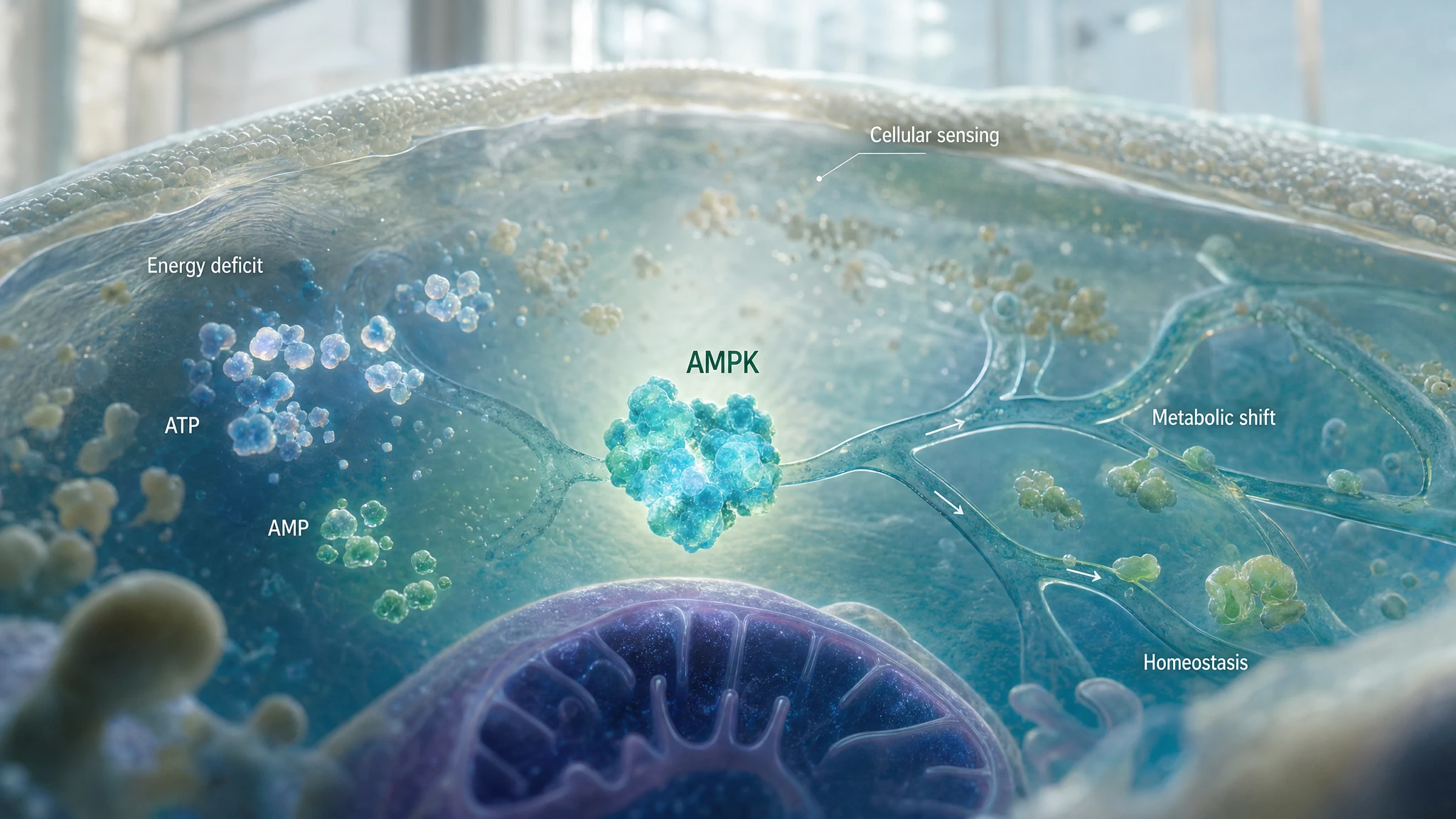
AMPK, or AMP-activated protein kinase, is a group of enzymes that detects the energy available within the cell. When reserves drop, it helps defend energy homeostasis (the balance between available and used energy). The cell prioritizes vital functions first, then reduces those that require more resources. AMPK therefore acts as an energy sensor: it detects the drop and initiates a response to adapt.
This pathway links intracellular signaling (the exchange of signals within the cell) to the control of metabolism. It does not just indicate a problem, but pushes the cell toward choices that consume less energy. For this reason, it is studied in physiology and nutrition, including to evaluate substances that can alter this response. Understanding the mechanism then helps to rigorously evaluate the possible link with this sensor.
To understand the relationship between curcumin and AMPK, some points must be clarified:
- How AMPK links the drop in energy to the cell's response.
- Why it plays a key role in cell metabolism.
- Which signals promote its activation within cells.
Before examining the models on curcumin, it is necessary to understand how AMPK detects available energy. It is also important to clarify why this task is significant.
What is AMPK and how does it function in energy balance
AMPK, or AMP-activated protein kinase, is a control system that responds when available energy drops. The key signal arises from the ratio between AMP and ATP. AMP increases when energy is scarce, while ATP provides energy that is immediately available to the cell. The system thus transforms the deficit into a useful response for managing resources. It promotes pathways that save energy and slows down those that consume more. For this reason, it is defined as an energy sensor rather than just a single enzyme.
Studies describe AMPK as a regulator of energy homeostasis (the balance between energy produced and used). In this way, it coordinates the cell's response to rapid metabolic changes [1]. The same logic also helps regulate the energy balance of the entire organism [2]. However, the response varies based on the tissue, nutritional status, and type of stimulus. This data is therefore useful for studying curcumin, but it does not explain the final biological outcome on its own. The system acts as a metabolic switch that turns on catabolic pathways to produce energy and turns off anabolic ones that consume it. In laboratory models, this regulation is observed in tissues such as muscle, liver, and adipose tissue. Each responds with different priorities, and this makes the picture more complex than it appears at first glance.
Why AMPK is central to cellular metabolism
AMPK is central to cellular metabolism because it directly links the energy state to the cell's biochemical choices. When resources are limited, this pathway guides the cell toward more efficient processes, favoring energy production or conservation while curbing more costly pathways. In other words, AMPK does not just detect a problem: it helps redistribute metabolic priorities, influencing the use of substrates and their ultimate destination.
This centrality explains why research into metabolic phytochemicals often focuses on AMPK as a key node, especially in preclinical models. The interpretive limitation remains significant: a signal on AMPK alone does not indicate what the overall effect will be in the tissue or the organism. For this reason, the pathway should be viewed as a vantage point for metabolic regulation, not as a predetermined outcome. Its position makes it a crossroads of signals that integrate information on nutritional status, physical activity, and hormones. In experimental models, its activation is often associated with better nutrient utilization and increased resistance to cellular stress. However, the final result always depends on the context in which the signal is activated.
Which signals activate AMPK in cells
AMPK is activated when the cell perceives energy stress, that is, when energy demand exceeds immediate availability. The most well-known signal is an increase in the AMP/ATP ratio, but the picture also includes other changes that indicate a reduced capacity of the cell to sustain its processes. In practical terms, the system functions like an emergency check: it recognizes the imbalance and initiates a response that helps the cell adapt.
The limitation is that the activation signal is not enough to predict the final effect: the cell type, nutritional context, and duration of the stimulus all matter. For this reason, when studying curcumin, AMPK activation must be interpreted as a mechanism to be carefully verified, not as an automatic conclusion.
Recent research and updates
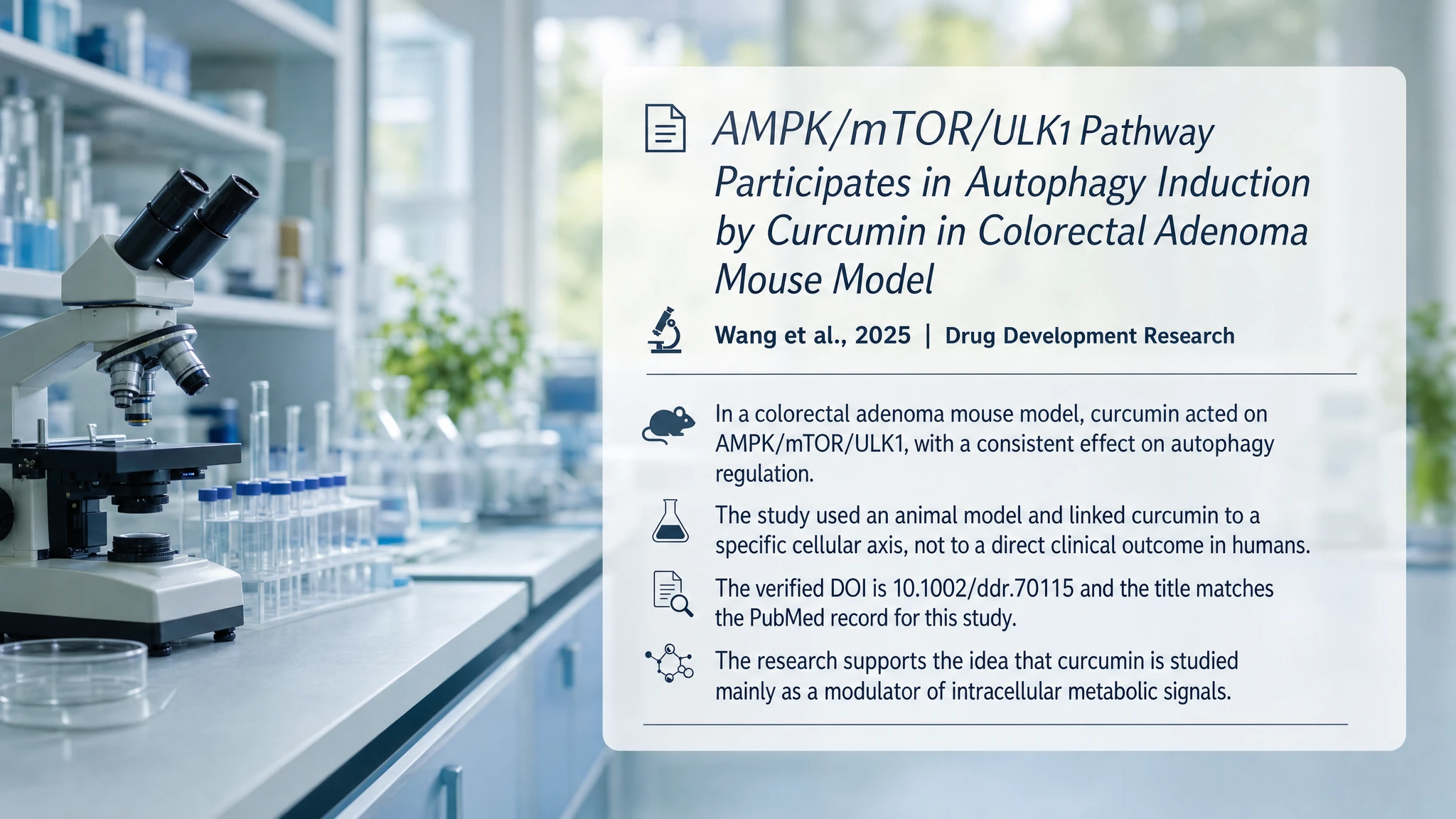
In 2025, Chinese researcher Yuge Wang and colleagues published a study in Drug Development Research. The work examined the role of curcumin in the AMPK-mTOR-ULK1 circuit. This network regulates energy and autophagy (the recycling of internal cell components). The study is recent, verifiable, and relevant to the topic. It demonstrates how curcumin can act on a central metabolic pathway in an animal model of colorectal adenoma.
AMPK/mTOR/ULK1 Pathway Participates in Autophagy Induction by Curcumin in Colorectal Adenoma Mouse Model
- In a mouse model of colorectal adenoma, curcumin acted on AMPK/mTOR/ULK1, with consistent effects on autophagy.
- The study used an animal model and linked curcumin to a cellular pathway, not a direct clinical effect in humans.
- The verified DOI is 10.1002/ddr.70115 and the title matches the study's PubMed record.
- The research confirms the interest in curcumin as a potential modulator of internal cellular metabolic signals.
Why curcumin is studied in relation to AMPK in experimental models
In experimental models, the link between curcumin and AMPK helps study a key metabolic pathway. Curcumin is a phytocompound (an active substance of plant origin) that is widely studied. In this case, it is primarily used to understand a mechanism: it shows whether a signal related to energy homeostasis (the balance between available and consumed energy) appears in the laboratory.
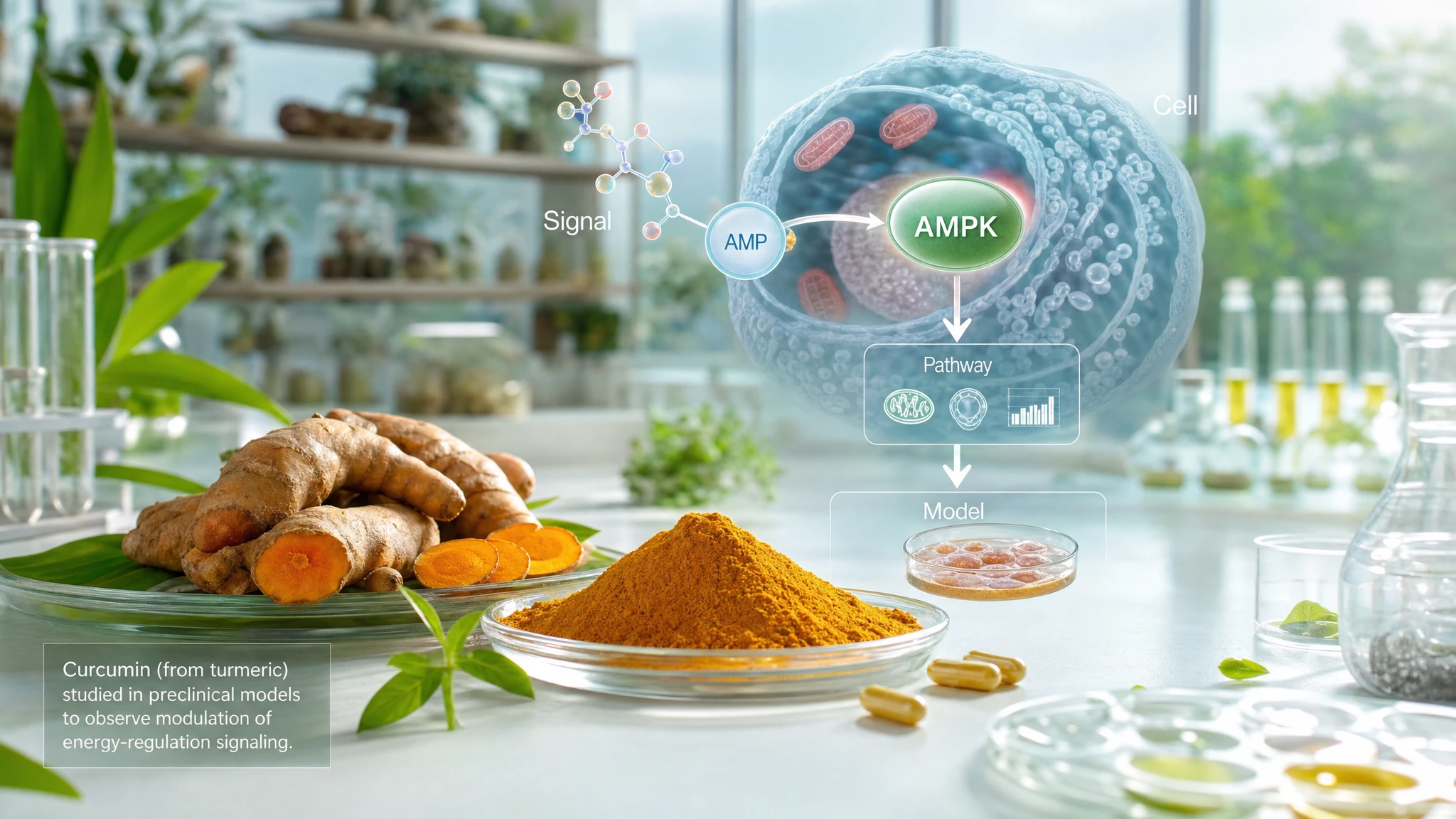
Curcumin is being studied in relation to AMPK to understand whether a natural molecule can influence metabolism. AMPK is a protein that helps the cell manage energy. In tests, researchers evaluate whether the compound modifies this pathway and the cell's response. The goal is not to immediately prove a clinical effect, but to track the signal inside the cells. Preclinical models (studies on cells and animals) help to isolate the target from other factors.
Research therefore serves to build a biological hypothesis that other studies can verify. It does not yet allow for certain conclusions to be drawn regarding human metabolism. However, preclinical data indicate which tissues to study and which responses to monitor. The topic therefore starts from experimental models and moves to the consistency of the mechanism. Finally, it clarifies why these results cannot be applied directly to humans.
To interpret these data correctly, it is necessary to distinguish several points, described in the H3 sections:
- Cellular models show how the AMPK signal is measured.
- The possible mechanism depends on the network of signals inside the cells.
- The transition to humans remains limited by the complexity of the body.
The three steps help to read the studies in an orderly manner: first the data, then the mechanism, and finally the limitations in humans.
What preclinical models show about curcumin and AMPK
In preclinical models, curcumin allows researchers to observe whether a natural compound modifies AMPK signaling. Researchers can then measure metabolic responses. Cell cultures and animal models offer a more controlled environment than the human body, helping to isolate a potential direct effect from other factors. These tests show whether the use of nutrients as an energy source changes. They also allow for tracking signals within the cell and the regulation of its reserves.
In available studies, the compound stimulated glucose uptake in L6 muscle cells. The effect involved pathways including AMPK [3]. In H4IIE and Hep3B liver cells, it activated AMPK instead. It also reduced the activity of genes linked to gluconeogenesis (the production of glucose from other substances) [4]. The response is consistent with cellular adaptation, but it stems from simplified systems. The abstracts do not indicate the number of cells or animals examined. Therefore, the data help in evaluating the mechanism, but they do not prove an effect in humans.
Why AMPK activation by curcumin is biologically plausible
The link between curcumin and AMPK activation is plausible because this protein controls the cell's energy status. It takes into account both available energy and the arrival of nutrients. An active compound may therefore be of interest to research if it interacts with this network. However, this does not imply an identical effect in every tissue or situation. The phytochemical is being studied precisely because it can act on a known metabolic pathway. For this reason, the authors observe the signal alongside changes in how the cell uses energy.
This hypothesis does not stem from a single test, but from the agreement between multiple experimental data points. The observations describe a response consistent with energy homeostasis and adaptation to an external stimulus. The cited studies remain preclinical, however. They do not show how strong, stable, or useful the signal is for health. The mechanism is therefore biologically credible, but it does not yet demonstrate a benefit in humans.
Why the transition from experiment to human requires caution
Moving from testing to humans requires caution, because the body is more complex than experimental models. For curcumin and AMPK, the chemical form, the dose, and the tissue reached all matter. The duration of treatment and the interactions with other cellular pathways are also important. A signal may appear clear in cell cultures or animals, but change within the human body. Bioavailability (the amount absorbed and used by the body) can, in fact, limit its real effect.
Preclinical literature clearly shows this limitation. Some data appear promising, but they come from systems created to isolate a single metabolic pathway. It is therefore easier to describe the pathway than to predict its effect on the entire body. The compound is studied primarily to understand this mechanism, not to prove clinical efficacy. Tests on cells or animals can point toward new research, but they do not demonstrate a benefit in human metabolism. Evidence must therefore be interpreted with caution and a step-by-step approach.
What is the significance of AMPK activation for cellular metabolism
The activation of AMPK, or AMP-activated protein kinase, signals a shift in cellular energy usage. In the relationship between curcumin and AMPK, the signal concerns the control of metabolism and energy homeostasis. This term refers to the balance between energy produced, used, and available. The key point is to understand which cellular processes truly change. Other potential effects remain hypotheses originating in the laboratory.
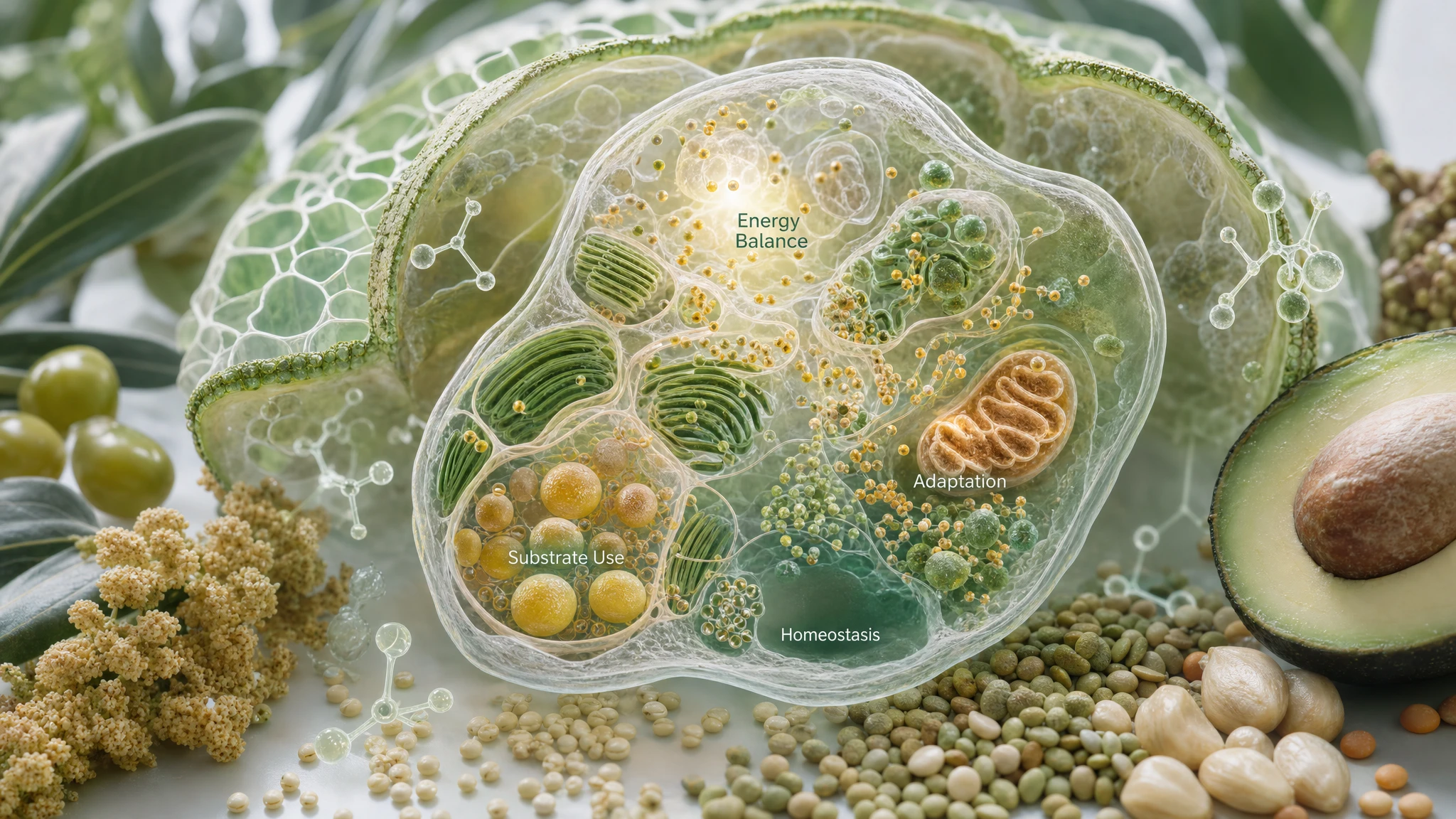
When AMPK is active, the cell changes its energy usage based on available resources. This signal promotes cellular adaptation: it reduces waste and supports the most useful functions. It also helps manage energy shortages. Therefore, AMPK indicates an ongoing change, not a final effect already achieved. Regarding the relationship between curcumin and AMPK, this step clarifies how the cellular response changes, not just how strong it is.
An AMPK signal indicates a change in energy balance, that is, in the ratio between energy produced, used, and available. In many studies on cells and animals, AMPK activity is linked to a better response to metabolic stress. However, the value of the signal changes based on the model studied. It is not enough to know if AMPK is active: one must understand which pathway it guides and whether the response adapts to the biological context.
Before examining the details, here are the points that guide the analysis:
- AMPK directs processes toward conservation and a new equilibrium.
- The cell changes its use of nutrients and available resources.
- The signal shows how the cell regulates its own metabolism.
- Its biological value changes based on the tissue and context.
AMPK activity signals that the cell is changing its priorities. The following three steps explain the role of the signal and the use of resources. They also clarify the limitations of the available data.
How AMPK guides the cell toward metabolic adaptation
When AMPK is activated, the cell interprets the signal as an invitation to change its metabolic profile. This term refers to how the cell uses energy and nutrients. The goal is to maintain essential functions with the lowest possible consumption. AMPK therefore promotes pathways that support balance and reduces those that are less urgent. In this sense, AMPK is a true energy sensor. That is, it is a molecule that detects the internal energy state and guides an adaptive response. It does not cause a simple increase or decrease in cellular activity. In the relationship between curcumin and AMPK, this is the starting point. It allows us to understand whether a phytocompound—that is, a plant-based substance—interacts with cellular control.
Preclinical research shows that this signal does not produce a single, universally valid outcome. The same activation can have different effects in various tissues and under different conditions. Some studies on muscle cells show more efficient glucose use when AMPK is active. In other models, using liver cells, the signal instead reduces the production of new fats. This happens because AMPK blocks certain enzymes involved in lipid synthesis. The cell, in fact, does not react automatically, but follows its own context. Even when a favorable metabolic change emerges, the data remains linked to the observed mechanism. It indicates that the system is seeking a new energy balance. The limitation is clear: activating this pathway does not always lead to a final, measurable biological benefit. To correctly interpret the signal, one must consider the cell type, the duration of the stimulus, and the experimental conditions used in the study.
Why AMPK is linked to energy resource management
AMPK is linked to resource management because it intervenes when the cell needs to better distribute its available energy. In practice, the pathway helps decide which functions to support and which to reduce, so as to preserve the cell's ability to survive and the efficiency of the system. This is why its signal is associated with metabolic regulation: it does not describe a generic increase in activity, but a more prudent selection of the processes to maintain. Regarding curcumin and AMPK, this logic makes the pathway a useful vantage point for understanding whether a natural compound can influence how the cell uses nutrients.
This function is also well understood by looking at experimental models. The limitation remains the transition from the laboratory to real physiology: these results show mechanistic consistency, but they are not enough to define a clinical benefit. They indicate a direction, not a certain outcome.
Why the AMPK signal must be interpreted without overinterpretation
The AMPK signal provides useful data, but it does not, on its own, prove a final biological benefit. In a cell, the activity of a pathway indicates that a response is favored or possible. However, it does not demonstrate that the outcome will be beneficial in every case. This also applies when studying a natural compound. The link to the pathway indicates a plausible mechanism, not a therapeutic effect. The result changes depending on the cell type, the duration of the test, and the conditions used.
Data on the mechanism is therefore only part of the picture, not the whole picture. Some tests have studied macrophages treated with curcumin and BALB/c mice exposed to LPS. LPS is a substance that induces an inflammatory response. In this model of acute damage, the action was linked to less inflammation [5]. Other tests used mice on a high-fat and alcohol diet for 6 weeks. Doses of 0.02% and 0.05% by weight protected the liver from metabolic damage [6]. These data support the hypothesis, but they remain preclinical. They indicate a line of research, not final proof in humans.
What are the limitations of studies on curcumin and AMPK
The link between curcumin and AMPK must be interpreted in light of the limitations of the available evidence. The most cited data come primarily from preclinical models (studies on cells and animals, conducted before clinical trials). These works help formulate hypotheses, but they do not provide definitive answers for humans. Therefore, context, translation to human subjects, and the robustness of the data are what count.

Many studies on curcumin and AMPK use simple systems that are easy to observe and control. These models effectively demonstrate energy metabolism (how cells use energy), but not the complexity of the human body.
The data help us understand how curcumin activates AMPK, but they do not prove a clinical effect on their own. The significance of this action may vary depending on the tissue, diet, and type of research.
Studies on curcumin and AMPK therefore offer consistent clues, but not definitive proof. They show how cells might regulate metabolism and adapt to various stimuli.
To apply these data in practice, however, larger studies conducted under diverse conditions are needed[1].
The main critical points to keep in mind are as follows:
- Isolated cells do not reproduce the complexity of human tissues.
- Animal models help study signaling, but they do not replace human subjects.
- The same biochemical response can change significantly based on the context.
- Preclinical data do not always indicate a real health benefit.
The limitations of studies are best seen by separating mechanisms from potential applications. The following three steps explain why a signal observed in a laboratory does not, by itself, prove a real-world effect.
What are the limitations of cell and animal models
Cell models and animal models are essential for studying curcumin and AMPK, but they remain controlled and partial systems. In a cell culture, one can follow a single signaling pathway, whereas in a whole organism, absorption, distribution, interactions between organs, and individual variability all come into play. These factors are almost entirely absent in the simpler systems used in the laboratory.
For this reason, preclinical results are very useful for identifying a mechanism, but they cannot be interpreted as a direct prediction of the effect in humans. They only serve to indicate a direction to be verified later. The data is interesting because it suggests a possible link between intracellular signaling and substrate utilization, but it remains limited to the laboratory context and a single cell type. A single cell line, in fact, does not represent the variety of human tissues. Here, too, the signal is clear, but the transition to a physiological effect requires confirmation in more complex systems. Only subsequent studies on whole organisms can bridge this gap.
Why the biological context changes the meaning of the signal
AMPK activation does not yield the same result in every cell or organ. Diet, tissue type, duration of the stimulus, and available energy change the response. Curcumin may therefore help adaptation in one context, but have less impact in another. Therefore, context is not a mere detail of research. It is a key factor in understanding the result and its limitations.
In macrophages (cells of the immune system), the treatment acted on AMPK and other pathways. Researchers also detected fewer mediators linked to inflammation [7]. This data indicates a regulatory action, but does not guarantee the same outcome in every tissue. In 3T3-L1 adipocytes and primary white adipocytes, however, curcumin induced brown fat-like traits [8]. The result generates useful hypotheses, but it cannot be directly extended to other systems. These examples show that the same signal takes on different meanings depending on the model studied.
How to distinguish a preclinical signal from a real effect
Distinguishing a preclinical signal from a real effect requires a precise question. It is necessary to understand whether the laboratory data produces a measurable change in the body. Curcumin can modulate a pathway (a signaling route between cells), but this does not prove a clinical benefit. It also does not show whether the response is strong, stable, and repeatable enough within the organism. This step separates a useful hypothesis from a result that can be applied.
Reviews on curcumin and its bioavailability (the amount absorbed and available in the body) indicate a limitation. The compound is studied as a plant-based substance active on metabolism. However, the quantities in tissues and the response do not always follow a direct relationship. A mechanism observed in vitro may therefore be real, but not produce a concrete effect in humans. In studies on curcumin and AMPK, biological data must be distinguished from its practical utility. This distinction helps to interpret results in a prudent and correct manner.
Summary of scientific evidence
This summary reorganizes the evidence from the provided bibliography. It distinguishes the role of AMPK in experimental studies, at the cellular level, and in the transition to humans.
| Publication year | Area studied | What the studies indicate |
|---|---|---|
| 2009 | Curcumin and hepatic metabolic signals | in liver cells, activation of AMPK and reduced activity of genes that produce glucose were observed [4] |
| 2010 | Curcumin and glucose uptake in muscles | in muscle models, AMPK signaling and glucose entry into cells were increased [3] |
| 2013 | Curcumin and liver protection in animal models | studies indicate an action on AMPK and other enzymes that regulate fat utilization [6] |
| 2014 | Role of AMPK as a cellular energy sensor | evidence indicates that AMPK controls energy balance and coordinates cellular adaptation [1] |
| 2014 | Curcumin, macrophages, and signaling pathways | in activated macrophages (immune cells), effects on AMPK and other cellular pathways were observed [7] |
| 2016 | Curcumin in acute inflammation and animal model | the signal is consistent with an action on AMPK in immune cells and in live animals [5] |
| 2016 | Curcumin and adipocyte phenotype | the signal indicates a possible change in energy utilization by adipocytes (fat cells) via AMPK [8] |
| 2024 | Energy control and systemic regulation | research indicates that AMPK remains a central node in the response to metabolic stress [2] |
Editorial interpretation of the evidence
Conclusions and editorial summary
The link between curcumin and AMPK interests me because it concerns energy management within the cell. AMPK integrates various signals and guides cellular adaptation when available resources change. In this framework, curcumin can act on a central pathway that regulates energy use. The data collected in this article show a possible mechanism, but they do not yet prove a well-defined clinical effect.
It is necessary to distinguish between an observed mechanism, the consistency of tests, and a real effect on the body. Studies on cells and animals help me understand where the signal originates and how it acts. However, they are not sufficient to extend the results to humans. In the study of diet and metabolism, this research clarifies how plant compounds act on the internal pathways of the cell. A cautious interpretation therefore makes the framework more solid and useful for future work.
Final critical note
The picture I have gathered shows a contrast typical of this field. On one hand, the data on AMPK are quite consistent; on the other, the studies remain fragmented, especially in the transition to humans. The most robust work helps me understand the mechanism, but does not clarify the dose, form, tissue, and actual effect on the body. Furthermore, much research measures the cellular pathway, not a final outcome useful in clinical practice. The topic is therefore interesting from a biological standpoint, but still incomplete from a practical one.
References
[1] AMPK: a cellular energy sensor primarily regulated by AMP
[2] Hypothalamic AMP-Activated Protein Kinase as a Whole-Body Energy Sensor and Regulator
[3] Curcumin stimulates glucose uptake through AMPK‐p38 MAPK pathways in L6 myotube cells
[4] Curcumin activates AMPK and suppresses gluconeogenic gene expression in hepatoma cells
[5] Effect of curcumin (Curcuma longa extract) on LPS-induced acute lung injury is mediated by the activation of AMPK
[6] Low doses of curcumin protect alcohol-induced liver damage by modulation of the alcohol metabolic pathway, CYP2E1 and AMPK
[7] Curcumin inhibits EMMPRIN and MMP-9 expression through AMPK-MAPK and PKC signaling in PMA induced macrophages
Editorial note
Artificial Intelligence was used solely as a tool to support editorial and documentary work. All content, interpretations, bibliographic citations and conclusions have been verified, reviewed and approved by the author, who assumes full scientific responsibility for them.
The manuscript was also subject to independent peer review prior to publication.
To ensure maximum transparency, the article's complete history — including the dates of submission, review, acceptance and publication, as well as information on the peer review process — is available on the dedicated Article History page.