


Turmeric, Insulin Resistance, and the Metabolic Journey
Research describes curcumin as a molecule of interest for metabolism, especially because it can interact with AMPK, mTOR, and GLUT4, three central nodes in energy management and glucose transport. In human trials and meta-analyses, favorable signals emerge regarding glycemia, insulin resistance, and inflammatory markers, but the effect is not uniform. Bioavailability, dose, and formulation remain decisive for correctly interpreting the results.
- Published 16/07/2026
- Updated 04/09/2026
- Reviewed 04/09/2026
- Article history
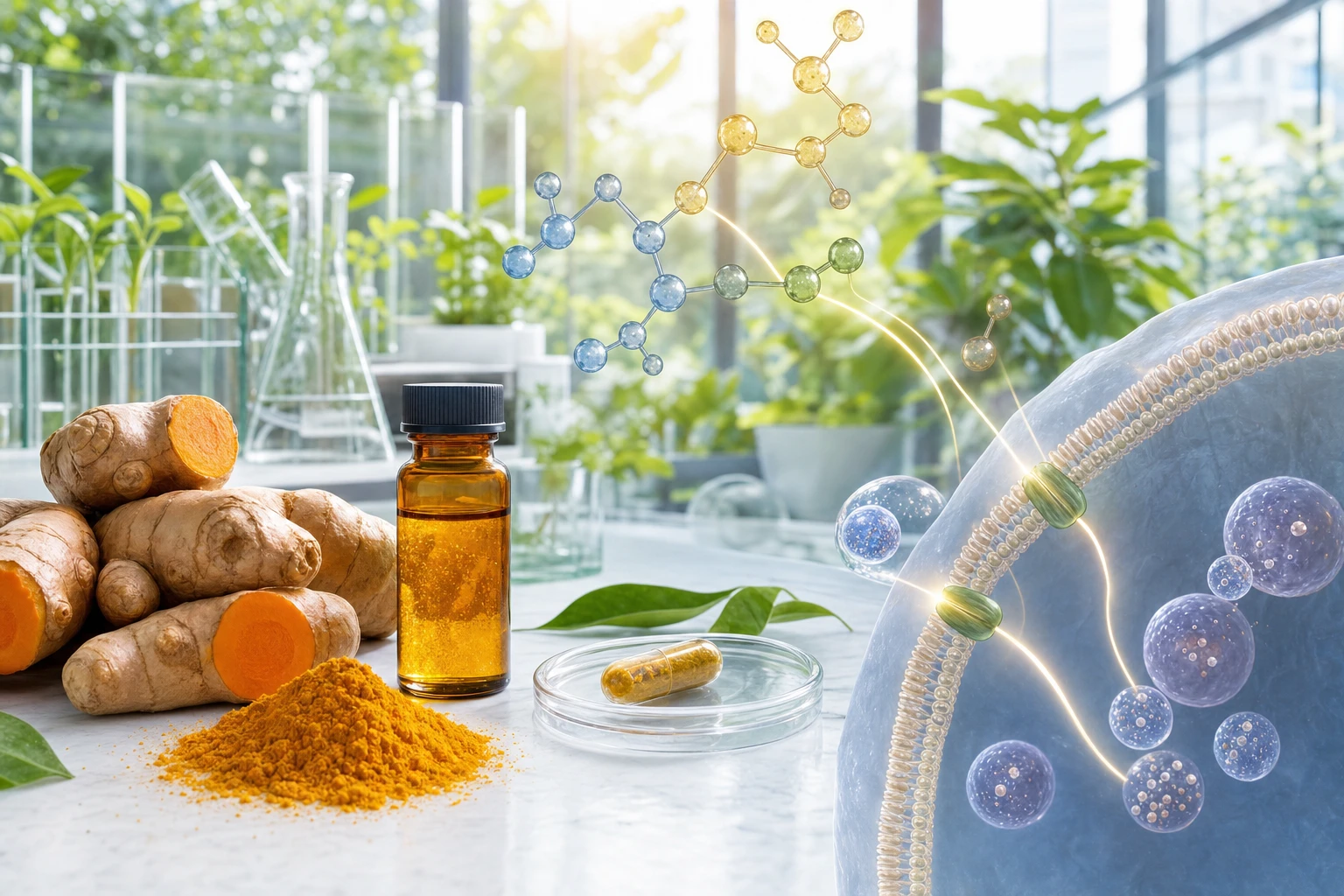
ABSTRACT : WHAT THE SCIENCE SAYS
The relationship between turmeric, curcumin, and metabolism has become one of the most discussed topics in nutritional science communication in recent years, as it intersects three very current interests: the prevention of glycemic alterations, the understanding of cellular mechanisms, and the choice of realistic dietary strategies. Turmeric is a spice derived from the rhizome of Curcuma longa, while curcumin is one of its main curcuminoids, which are the most studied bioactive compounds in scientific research. When discussing metabolic benefits, however, it is crucial to distinguish between the culinary use of the spice and the use of concentrated extracts, because doses, absorption, and context of use change significantly. In this article, we will see how curcumin is studied in relation to AMPK, a cellular energy sensor, mTOR, a pathway that regulates growth and protein synthesis, and GLUT4, the glucose transporter involved in insulin response. We will then delve into the meaning of insulin resistance, the value and limitations of scientific evidence, the role of bioavailability, and the practical precautions to consider when turmeric is included in the diet or supplementation. The goal is not to attribute miraculous power to the spice, but to offer a clear, prudent, and useful interpretation to understand where biological hypothesis ends and practical application begins. Specifically, the article addresses:
- Difference between culinary turmeric and concentrated curcumin
- Role of AMPK, mTOR, and GLUT4 in metabolism
- Clinical significance of insulin resistance and insulin sensitivity
- What preclinical studies, trials, and reviews show
- Practical use, bioavailability, and precautions with supplements
Turmeric and curcumin: what they are and why they are of interest for metabolism
The first data on turmeric and metabolism did not come from the kitchen, but from extracts and curcumin, the main curcuminoid, studied in experimental and clinical models. For this reason, when analyzing the relationship between turmeric, AMPK, mTOR, GLUT4, and insulin resistance, it is important to understand which form was actually analyzed and with what bioavailability, i.e., with what ability to be absorbed and made available to the body. This is where the topic becomes relevant for insulin sensitivity.
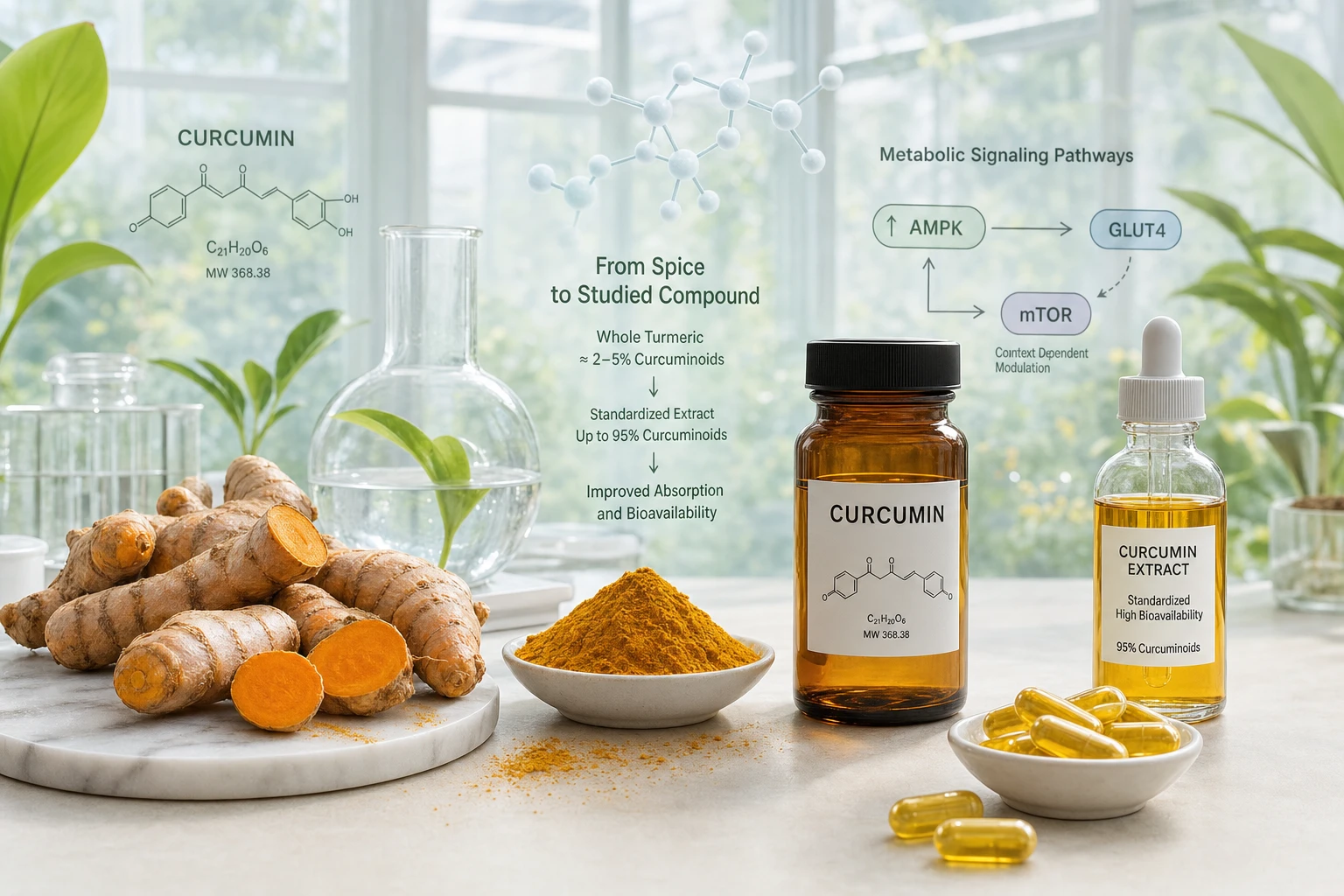
Turmeric, in its food form, is a traditional spice that enriches the diet with color, aroma, and variety. Curcumin, on the other hand, is the main curcuminoid, one of the natural pigments of the spice, studied in experimental and clinical works. This difference is not nominal but substantial: the amount of curcumin present in dishes is usually much lower than that used in supplements or products formulated to improve its absorption. Institutional sources on healthy eating remind us that health benefits derive from the overall dietary pattern, not from a single ingredient [1,2]. Reviews, which are critical syntheses of the literature on the subject, also show that the potential interest in turmeric focuses primarily on curcumin and its derivatives, rather than on the spice as a food in the strict sense [3,4].
This distinction is important because it changes how research results are interpreted. A study using a standardized extract, meaning a preparation with a defined quantity of bioactive compounds, is not evaluating simple culinary use, but a concentrated exposure to one or more bioactive compounds, i.e., molecules with measurable biological activity. Consequently, an effect observed in a trial, meaning a controlled clinical study, cannot be automatically attributed to turmeric as a cooking ingredient. Differences in food matrix, formulation, and bioavailability affect the clinical significance of the data. The most up-to-date reviews on metabolic syndrome, a set of alterations that includes abdominal overweight, dyslipidemia, hypertension, and glycemic alterations, and on type 2 diabetes precisely describe this transition: the biological rationale is strong, but the context of use is decisive [5,3,4].
Within the framework of metabolism, turmeric is of interest because some of its components have been studied for possible effects on inflammation, oxidative stress, and cellular signaling, which is the communication system by which cells respond to internal and external stimuli. However, the fact that a compound is biologically active does not mean that it produces the same effect in all people or at every dose. For this reason, the first scientific criterion is always to distinguish between food, extract, and pure compound. This is the key to honestly interpreting the literature and avoiding overly simplistic interpretations. The next step is to clarify how curcumin fits into the most discussed metabolic pathways, starting with its relationship with AMPK, mTOR, and GLUT4 [3,6,7].
From a pathophysiological perspective, the interest primarily arises from insulin resistance, meaning the reduced ability of peripheral tissues to respond to insulin. In this condition, glucose, the main sugar circulating in the blood, enters cells less effectively and tends to remain elevated in the blood. The problem concerns not only glycemia but also the balance between energy availability, low-grade chronic inflammation, and oxidative stress. For this reason, many studies have sought substances capable of acting on multiple targets simultaneously. Curcumin has been proposed precisely in this context because it can modulate signaling pathways that regulate metabolism, cell survival, and inflammatory response [7,8,9,10].
Clinical evidence does not suggest a magical effect, but possible support in selected contexts. Reviews and meta-analyses, which are statistical analyses combining the results of multiple studies, on adults with glycemic alterations report improvements in control indices, albeit with variability between studies and formulations [11,8,12,13]. This makes terminological precision even more important: when an article talks about turmeric, it is often actually describing a curcumin extract or a combination formulated to increase its absorption. The use of piperine, an alkaloid from black pepper used to promote intestinal absorption, in some preparations also addresses this need, because the bioavailability of curcumin is traditionally limited [14,15].
In practice, the metabolic interest in turmeric arises from a triangle of factors: chemical composition, form of intake, and biological target. The most studied substance is curcumin, but its clinical significance depends on how it is delivered and in which population it is tested. For this reason, in institutional literature, the most accurate message is cautious: turmeric can be included as an ingredient in the diet, while curcumin is a bioactive candidate studied for more specific metabolic effects [5,3,4,16]. From here, the topic of cellular signaling opens up, explaining why AMPK, mTOR, and GLUT4 appear so often in metabolism research.
- Distinction between culinary spice and concentrated active ingredients.
- Role of curcuminoids in contemporary metabolic research.
- Relationship between the form taken and potential bioavailability.
- When the interest concerns food and not the extract.
Before delving into the details of individual mechanisms, it's useful to clarify the two names that appear most frequently in the literature. This also helps understand why studies on turmeric are not all equivalent.
Are turmeric and curcumin the same thing?
Further reading: Turmeric and curcumin: differences, meaning, and correct use in products
What is turmeric used for in the daily diet?
Further reading: Turmeric in the daily diet: what it is really used for in terms of health
When can turmeric be useful and when should it be limited?
Recent research and updates
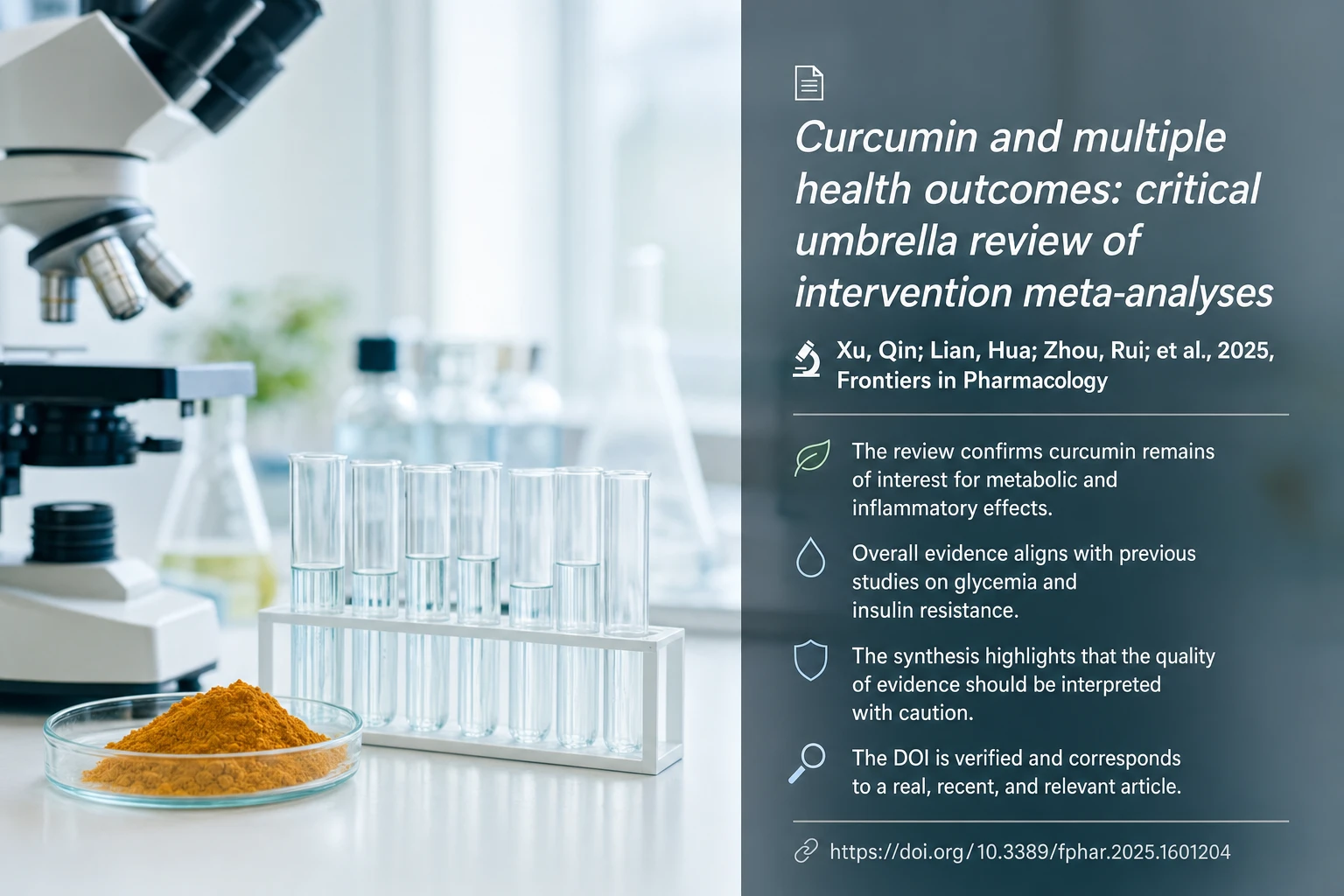
In 2025, a review published in the journal Frontiers in Pharmacology revisited the topic of curcumin in chronic disorders, describing how this substance can modulate inflammatory and metabolic pathways already known in previous literature. The first verified author is Xu, and the work links curcumin to cellular signals that also include the metabolic axis studied in this article. This is a useful synthesis because it confirms the general picture without transforming the biological hypothesis into an absolute conclusion.
Curcumin and multiple health outcomes: critical umbrella review of intervention meta-analyses
- The review confirms that curcumin remains an object of interest for its metabolic and inflammatory effects.
- The overall picture remains consistent with previous studies on glycemia and insulin resistance.
- The synthesis highlights that the quality of evidence must be interpreted with caution.
- The DOI is verified and corresponds to a real, recent, and pertinent article.
How curcumin interacts with AMPK, mTOR, and GLUT4
In the dialogue between turmeric and metabolism, the point is not a single target, but a network of signals that directs energy, cell growth, and glucose utilization. Curcumin has been studied primarily for its possible action on AMPK, an AMP-activated protein kinase, mTOR, mammalian target of rapamycin, and GLUT4, the insulin-sensitive glucose transporter. These three nodes, considered together, help to understand the link with insulin sensitivity and glucose management [9] [10] [19].

AMPK, mTOR, and GLUT4 do not describe three independent phenomena, but an integrated network that dictates how the cell uses energy and nutrients. AMPK, short for AMP-activated protein kinase and thus a protein kinase sensitive to energy status, is activated when the energy balance is unfavorable and promotes energy-saving and energy-producing processes. mTOR, especially the mTORC1 complex, which is mammalian target of rapamycin complex 1, promotes growth, protein synthesis, and anabolism, meaning cellular building processes. Finally, GLUT4 is the glucose transporter that allows sugar to enter muscle and adipose tissue in response to insulin. Curcumin has attracted attention because, in various experimental models, it appears to modulate this very network [9,10,20,19,21,22]. In physiological terms, the value of the hypothesis lies in the fact that metabolism does not depend on a single switch, but on the balance between signals of abundance and signals of energy need. If a cell perceives stress or relative energy deficiency, AMPK shifts priorities towards substrate oxidation and resource conservation. When nutrients and growth factors prevail, mTORC1 promotes building, proliferation, and protein synthesis. In this context, curcumin is of interest because it could tip the balance towards a response more suitable for metabolic management, at least in the studied models.
The biological connection is consistent: if AMPK increases, the cell tends to reduce energetically costly processes and favor adaptation pathways; in parallel, a reduction in the mTORC1 signal can lower the intensity of anabolic growth and influence autophagy, which is the cellular recycling system. In muscle, GLUT4 regulation is crucial because the translocation of the transporter to the membrane allows for more effective glucose uptake. Recent literature shows that the topic concerns not only curcumin and metabolism, but how phytocompounds, i.e., bioactive substances of plant origin, can interact with widely shared cellular pathways [23,24,25,26,27]. This aspect is also important from a pathophysiological perspective, because insulin resistance often arises from a combination of chronic inflammation, oxidative stress, lipotoxicity, and altered insulin signaling. In such a scenario, modulating AMPK, curbing mTOR excesses, and promoting GLUT4 function means intervening at three complementary levels of the same problem. Research on curcumin, therefore, should not be read as proof of a unique effect, but as the exploration of a possible convergence between antioxidant, anti-inflammatory, and metabolic mechanisms.
However, it is necessary to distinguish the mechanistic level from the clinical one. Many observations come from cells or animals and describe biological possibilities, not definitive evidence in humans. This does not diminish the interest of the topic; it places it correctly. The most solid hypothesis is that curcumin can act as a modulator of a network of signals that influence energy metabolism, glucose management, and cellular stress response. In the following sections, we delve into the details of each node, to understand why AMPK is so central, how mTOR is involved, and how GLUT4 completes the picture of glucose uptake [10,19,21,28]. The clinical context also matters: in real practice, insulin sensitivity depends on diet, physical activity, body composition, age, and concomitant medications. Therefore, any possible contribution of curcumin should be interpreted as a potential addition, not as a substitute for established prevention and treatment strategies.
- Possible activation of AMPK in preclinical models.
- Interaction with signals that modulate mTORC1.
- Effects on GLUT4 and glucose uptake.
- Connection between cellular signaling and energy metabolism.
The next three steps show how curcumin can attach to each aspect of the network. The order helps to understand why AMPK, mTOR, and GLUT4 are not separate targets but parts of the same metabolic picture.
Curcumin and AMPK: why this pathway is so studied
The relationship between turmeric, mTOR, and cell growth control
GLUT4 and glucose transport: what role could curcumin play?
Insulin resistance: what happens in the body and where turmeric fits in
When the body responds less effectively to insulin, glucose enters tissues with greater difficulty, and the liver tends to produce even more of it. In this context, turmeric has been studied as a possible support, especially for its effects on metabolic inflammation, i.e., low-grade inflammation related to metabolism, and on insulin sensitivity; however, results depend heavily on the studied population and the formulation [11] [5] [8].
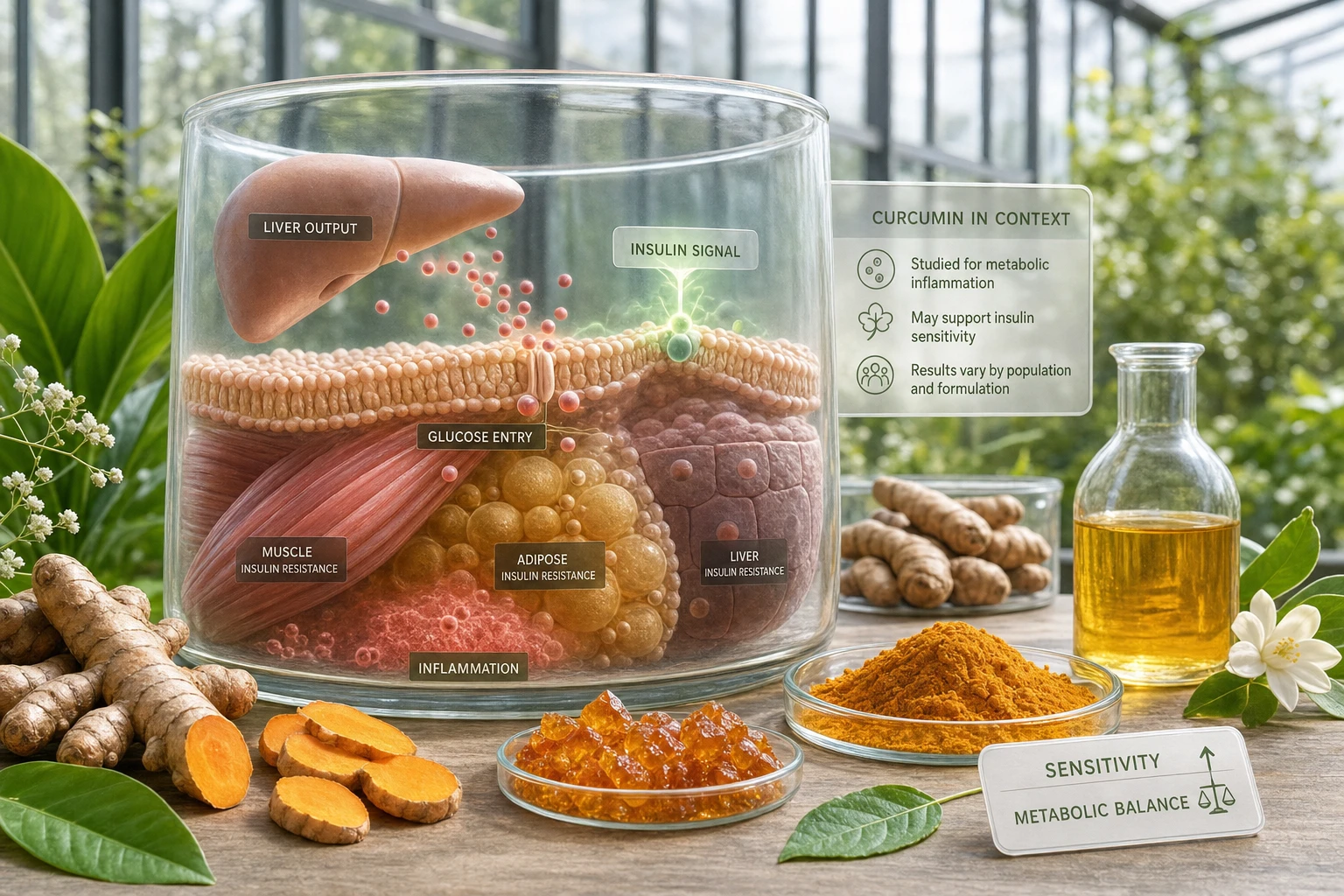
Insulin resistance describes a condition in which muscle, liver, and adipose tissue respond less effectively to the insulin signal, i.e., the message by which insulin prompts cells to use or store glucose. It is not a single, simple entity, but a dynamic metabolic state that can precede type 2 diabetes or accompany it stably. From a pathophysiological perspective, this means two important things: peripheral tissues take up less glucose, and the liver continues to produce it when it should instead reduce gluconeogenesis, i.e., the synthesis of new glucose. This is compounded by alterations in lipid metabolism, with greater availability of free fatty acids and lipotoxicity, i.e., cellular damage linked to excess lipids, which further worsen the insulin response. Reviews on diabetes and metabolic syndrome note that curcumin has been proposed precisely because it could intervene at multiple levels of this network, from intracellular signaling, i.e., communication between molecules within the cell, to inflammatory mediators [11,5,3,39,40].
The issue is not just about fasting glycemia, because insulin resistance is often a systemic phenomenon, meaning it involves multiple organs and biological pathways. The body simultaneously experiences low-grade inflammation, oxidative stress, visceral adiposity, mitochondrial dysfunction, i.e., inefficient functioning of mitochondria, and altered GLUT4 trafficking. This transporter, a membrane protein that allows glucose to enter cells, is essential for bringing glucose into muscle and adipose tissue in response to insulin. When the signal weakens, glucose remains in circulation longer, while energetically active tissues receive less substrate. Clinical trials have therefore explored different outcomes, including HOMA-IR, an index of insulin resistance derived from fasting glycemia and insulin, HbA1c, i.e., glycated hemoglobin which reflects the average trend of glycemia, glycemia, lipid profile, inflammatory cytokines, and body weight. In a randomized, double-blind, placebo-controlled study of 53 people with type 2 diabetes, 1500 mg/day of curcumin for 10 weeks improved fasting glycemia and body weight [41]. In another trial of 44 patients with type 2 diabetes, the same dose for 10 weeks improved hs-CRP, high-sensitivity C-reactive protein used as an inflammation index, and adiponectin, a hormone produced by adipose tissue, in addition to some lipid parameters [42]. These data suggest a potentially multidimensional effect, but do not yet demonstrate uniformity of response.
The correct interpretation, however, is not to seek an absolute conclusion. Available meta-analyses show favorable signals, but also heterogeneity among studies, formulations, and populations, i.e., sufficient differences to make the overall result less homogeneous. An analysis of 9 trials concluded that curcumin can improve insulin resistance in T2D [43], while a 2021 systematic review of 16 studies reported effects on fasting glycemia, HbA1c, and BMI, i.e., body mass index, linking the benefit mainly to the modulation of oxidative stress and inflammation [39]. More recently, analyses of meta-analyses and umbrella reviews, i.e., reviews that synthesize multiple meta-analyses, have reiterated that the picture is promising but not uniform [7,12,13]. This is a central point: the benefit observed in some trials may depend on bioavailability, i.e., the amount of substance that actually reaches circulation, the duration of treatment, the initial metabolic phenotype, and the coexistence of other therapeutic measures.
In practice, turmeric serves as a possible support, not a substitute for clinical management. Its relevance depends on the form, dose, and individual context. Precisely for this reason, understanding insulin resistance through turmeric means evaluating a network of signals and not a single isolated parameter. The following section delves into the studies and numbers most useful for understanding where the literature is truly most solid and where, instead, interpretive limitations still remain [17,8,44,45,43,46].
- Reduced tissue response to insulin and glucose.
- Involvement of liver, muscle, and adipose tissue.
- Clinical signs studied with HOMA-IR, HbA1c, and glycemia.
- Turmeric as a possible support within a broader strategy.
Before we look at how turmeric fits into this picture, it's worth clarifying what really changes in the body when insulin sensitivity decreases. Then we can more precisely understand the meaning of the available clinical data.
What is insulin resistance and why does it matter for metabolism
Turmeric and insulin sensitivity: what studies suggest
Who might be most interested in turmeric in an altered metabolic framework
Attention to turmeric is greater in people who are overweight, sedentary, have a metabolic predisposition, or altered glycemic parameters, because these are the contexts in which insulin sensitivity deserves more attention. In these profiles, the problem is not a single abnormal number, but a chronic tendency towards less efficient metabolism, often accompanied by inflammation and visceral fat accumulation. This does not mean that turmeric is necessary or a definitive solution, but that the topic is often explored in at-risk populations. Reviews on type 2 diabetes and metabolic syndrome indeed highlight that the observed benefit primarily concerns subjects with pre-existing alterations or increased cardiometabolic risk [11,7,17,12]. In patients with an altered metabolic profile, the main interest concerns the possibility of supporting an overall strategy, not replacing clinical management. Here too, the quality of the formulation, individual tolerability, and possible concomitant use of medications are very important. Differences between extracts, dosages, and bioavailability can substantially change the final outcome, making it difficult to translate a single study into daily practice. For this reason, turmeric should be seen as a potential complementary element in a broader metabolic journey, not as an isolated or universal intervention. Its potential usefulness must therefore be proportionate to the specific situation: for some people it can be an interesting piece of the puzzle, for others it may have a very marginal impact. The essential point is not to transform a biological possibility into a rule valid for everyone. When the topic is insulin resistance, judgment must always consider risk, goals, and individual context, without conflating the language of prevention with that of treatment.
What research says about turmeric and glycemic control
The evidence on turmeric and glycemic control is interesting, but not uniform. In clinical trials, i.e., studies conducted on humans, and in systematic reviews, favorable signals emerge regarding fasting glycemia, HbA1c (i.e., glycated hemoglobin), and insulin resistance, with results that depend heavily on population, dose, and formulation [11] [8] [13].
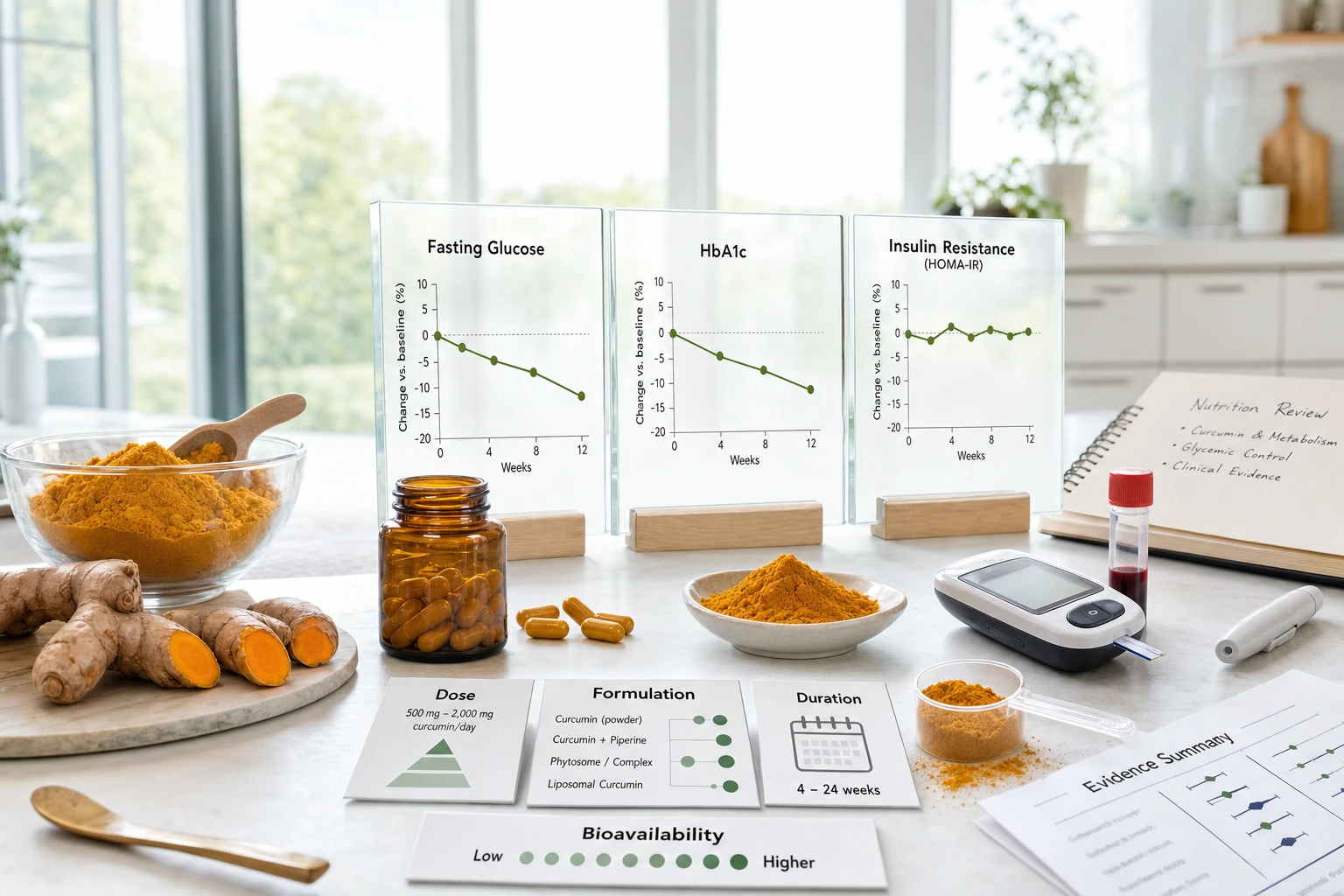
The literature on glycemic control is extensive and requires an organized interpretation, as the results are not all comparable. Recent reviews indicate that curcumin, the main active compound in turmeric, has been studied primarily in adults with type 2 diabetes, metabolic syndrome, or high cardiometabolic risk [11,5,7,8,12,13,39]. In this context, the most frequent outcomes are fasting glycemia, HbA1c (i.e., glycated hemoglobin), HOMA-IR (an index of insulin resistance), blood lipids, and inflammatory markers (i.e., indicators of inflammation). The overall trend is often favorable, but the magnitude of the effect varies greatly with dose, duration, and formulation. This is a relevant point, because curcumin has limited bioavailability, meaning it is absorbed and utilized inefficiently by the body, and therefore the actual exposure can vary considerably between studies and products. A dose of 1500 mg/day for 10 weeks improved fasting glycemia and body weight in 53 participants with T2D [41], while the same dose for 10 weeks reduced hs-CRP (high-sensitivity C-reactive protein) and increased adiponectin (a hormone involved in metabolic regulation) in 44 patients with T2D [42]. These data suggest that the effect may involve both glycemic control and inflammatory regulation, two aspects closely intertwined in insulin resistance (i.e., the reduced response of tissues to insulin action).
Statistical syntheses reinforce this impression, without, however, transforming it into clinical certainty. A 2021 meta-analysis of 9 studies concluded that curcumin supplementation can improve insulin resistance in T2D [43]. Another systematic review from 2021, based on 16 studies, reported improvements in fasting glycemia, HbA1c, and BMI (i.e., body mass index), linking part of the benefit to the reduction of oxidative stress and inflammatory processes [39]. In 2023, a review with dose-response analysis (i.e., a synthesis that evaluates how the effect changes with varying doses) examined glycemic indices in adults and confirmed a possible, but not uniform, effect [8]. The subsequent umbrella review (i.e., a review of reviews) reiterated that the overall picture remains interesting, despite results not always being consistent across studies and outcomes [12]. In other words, turmeric does not emerge as a unique solution, but as an intervention with biological and clinical signals that deserve attention.
This picture should not be read as definitive proof, but rather as a partial convergence of evidence. Turmeric seems to have potential in metabolic support, but the effect depends on who takes it, the formulation, and the parameters evaluated. The broader reviews on metabolic syndrome, diabetes, and inflammation show precisely this combination of interest and caution [3,4,6,17,44,18]. From a pathophysiological perspective (i.e., the mechanisms of the disease), it makes sense to expect a benefit when intervening on oxidative stress, insulin signaling, and low-grade inflammation, because these processes fuel the alteration of glucose metabolism. The following section therefore delves into the most representative trials and meta-analyses, to clarify which results are most informative and which should be interpreted with greater caution [45,41,42,43,47,46,39,48].
- Trials and meta-analyses show possible but variable benefits.
- Most used outcomes: glycemia, HbA1c, HOMA-IR, lipids.
- Formulations greatly influence the magnitude of the result.
- The clinical signal exists, but remains non-uniform.
Clinical data should be read in conjunction with the quality of the evidence and not as isolated numbers. The following points distinguish between biological signals observed in experimental models, results from human trials, and the correct way to interpret meta-analyses and reviews.
Preclinical studies on turmeric, metabolism, and cellular signaling
Are clinical studies on curcumin in metabolism convincing?
Meta-analyses and systematic reviews: how to read them without bias
How to use turmeric in practice: food, supplements, and bioavailability
The practical point is not just whether turmeric "works," but in what form it actually reaches the body. Between culinary spice, concentrated extract, and nano-curcumin, the dose, absorption, and therefore the expected results on turmeric, AMPK, mTOR, GLUT4, and insulin resistance change. This is why curcumin's bioavailability is the filter through which to read studies and commercial promises.
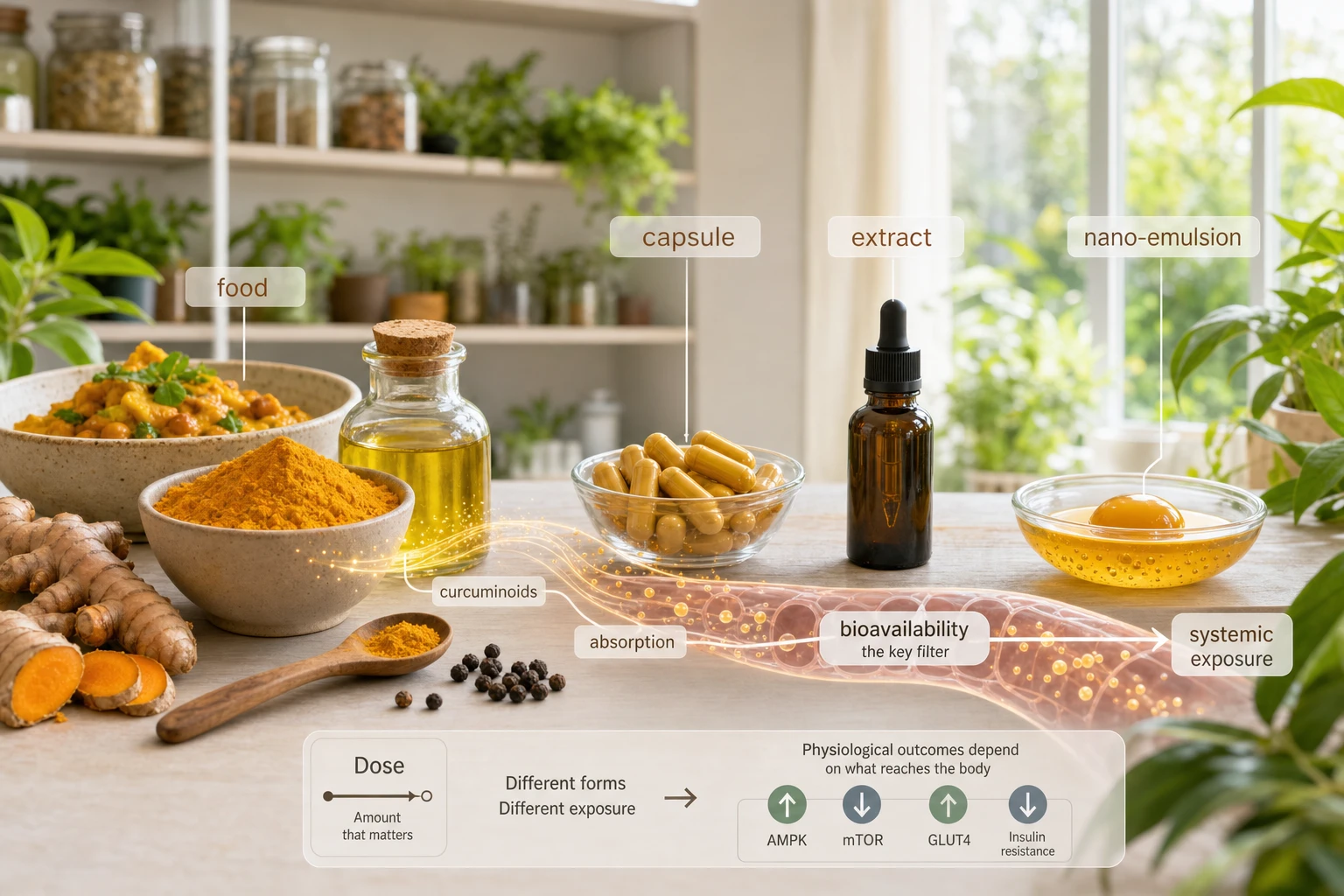
Turmeric in food and curcumin in supplements belong to two different categories. The culinary spice, which is the powder derived from the rhizome of Curcuma longa, contributes to the quality of the meal. The supplement, on the other hand, aims for a higher exposure to curcuminoids, the main bioactive compounds of the plant. This distinction is fundamental, because the metabolic effect observed clinically depends on the compound, the dose, and the pharmaceutical form. It's not just about "taking turmeric," but about understanding how much curcumin actually enters circulation and for how long. This is why study results are not automatically transferable from the kitchen to the concentrated product. Reviews on metabolism and metabolic syndrome emphasize that the bioavailability of curcumin is a central aspect [3,4,7,17,8,12].
From a pathophysiological perspective, meaning the mechanisms by which a disease develops and is maintained, this variability matters greatly. Curcumin acts on pathways that require a sufficient systemic exposure, i.e., the presence of the substance in the blood and tissues. If the absorbed quantity is too low, the biological signal may be modest or inconsistent. In practice, the potential to modulate AMPK, the adenosine monophosphate protein kinase that regulates cellular energy metabolism, to attenuate mTOR, the mechanistic target of rapamycin that controls growth and protein synthesis, and to improve GLUT4 trafficking, the glucose transporter responsible for glucose entry into cells, does not depend solely on the presence of the molecule, but on its accessibility to target tissues. This is why some formulations show interesting effects on glycemia, inflammation, and insulin resistance, which is the reduced tissue response to insulin action, while others remain almost indistinguishable from placebo. The heterogeneity of studies often originates here, not in the theoretical mechanism. Reviews indeed remind us that differences between extracts, dosages, and administration matrices can change the clinical interpretation of results [7,8,12].
One of the clearest cases concerns nano-curcumin, a very small-sized formulation designed to increase absorption: in a randomized trial, i.e., a study where participants are randomly assigned to comparison groups, 50 patients with metabolic syndrome received 80 mg/day for 12 weeks and showed improvements in glycemic control, insulin resistance, and lipid parameters [46]. In other studies, 1500 mg/day of curcumin for 10 weeks produced favorable effects on glycemia, weight, and inflammatory markers, i.e., biological indicators of inflammation [41,42]. These numbers should not be read as universal recipes, but as clues to a more general principle: the response depends on the formulation and the initial metabolic context. A person with insulin resistance, low-grade inflammation, and a disordered diet will not necessarily respond like a subject with a different metabolic profile. The literature precisely highlights this interaction between compound exposure and clinical status [11,5,17,8,12].
For this reason, daily food use remains valuable, especially as part of a varied and well-constructed diet [1,2]. The spice does not replace a clinical intervention but can be part of a nutritional model that promotes weight control, fat quality, fiber intake, and meal regularity. Practically speaking, it is a mistake to expect the same effects from cooking as from a concentrated extract. The first role is nutritional and culinary; the second is pharmacological or para-pharmacological, thus closer to a supplementation protocol. When turmeric is presented as metabolic support, this distinction becomes crucial to avoid excessive promises and superficial readings of the data [2,7,8,47,46].
The point, therefore, is not just whether turmeric "works," but in what form and in what clinical scenario it is used. Curcumin bioavailability is the main filter through which to evaluate studies and commercial promises. Only by considering dose, duration, formulation, and metabolic state together can the available evidence be correctly interpreted and a realistic use distinguished from a merely theoretical one.
- Food use and supplementation are not equivalent.
- Bioavailability, form, and dose change the result.
- Nano-formulations can alter systemic exposure.
- The clinical context remains more important than the isolated ingredient.
To realistically use turmeric, it's best to first distinguish between the role of food and that of supplements. At that point, bioavailability becomes the criterion that separates a plausible nutritional use from a true supplementary intervention.
Turmeric in food or curcumin in supplements: what really changes
Turmeric used in cooking and curcumin taken as a supplement are not equivalent. In food, the spice is consumed in relatively small quantities, whereas, in supplements, the dose of curcuminoids can be much higher and formulated to increase absorption. This changes the biological perspective, but also the practical and safety aspects. Institutional sources on healthy eating remind us that the benefit comes from the overall dietary pattern, not from an isolated ingredient [1,2]. In a study on subjects at high risk of diabetes, the combination of curcumin plus omega-3 for 12 weeks acted as a supplementary intervention, not as simple culinary use [45]. In practice, the reader must ask whether the goal is to enrich the diet or to obtain a more concentrated exposure to the active ingredients. This question is essential because curcumin metabolism is rapid, and therefore the content on the plate does not coincide with the biologically effective amount. In any case, the transition to a supplement should not be trivialized, because bioavailability, interactions, and tolerability become more relevant. The spice can be seen as part of a healthy eating routine, while the extract requires a more careful evaluation of the formulation and personal context. This is especially true when the product is used with the idea of influencing metabolism, because here the difference between a food and a concentrate is not only quantitative but also functional. For this reason, the comparison must always be made rigorously, avoiding attributing the same effects of a clinical protocol to cooking. Prudence is even more useful if turmeric is proposed as support for insulin sensitivity, i.e., the ability of tissues to respond correctly to insulin, because the method of intake affects it much more than the simple presence of the spice in the dish [3,8].
Curcumin bioavailability: why it's a significant limitation
Common mistakes when using turmeric for metabolism
A common mistake is to attribute effects to turmeric that actually depend on the general context of diet and lifestyle. Another misconception is to consider the spice, extract, and concentrated formula as equivalent, ignoring that dosage, absorption, and safety profile change. The idea that "more is better" is also misleading: increasing the quantity does not guarantee proportional results and can make tolerability issues more likely. Meta-analyses on metabolism indeed suggest that the effect depends on a dose-response relationship, but not in a simply linear way [8,13,43,47]. For this reason, using turmeric with a metabolic goal requires realism and awareness. Its place is that of a possible nutritional resource, not a shortcut. If the reader is looking for intelligent use, the point is not to maximize intake, but to incorporate it judiciously into a coherent dietary pattern. This is particularly true when reading online advice that promises quick results without distinguishing between nutrition, supplementation, and clinical pathways. A correct approach avoids both excessive enthusiasm and a priori rejection. Turmeric can be useful, but only if placed in the right context and with expectations proportionate to the reality of the evidence and daily intake. In clinical protocols reported in the literature, for example, 1500 mg/day for 10 weeks or 80 mg/day of nano-curcumin for 12 weeks are not accessory details, but an integral part of the observed effect [41,42,46]. When these details are ignored, there is a risk of transforming promising data into an unfounded promise. In the metabolic field, however, the correct goal is to integrate turmeric into a broader path, consisting of a balanced diet, physical activity, and clinical evaluation, without overloading it with unrealistic expectations.
Turmeric, metabolic inflammation, and oxidative stress
Among the most studied mechanisms of turmeric is its possible action on the inflammatory framework and oxidative stress, two factors that often accompany insulin resistance and metabolic syndrome. From this perspective, curcumin does not "lower sugar" on its own, but it could make the biological environment in which glucose metabolism functions less favorably.
Altered metabolism is not solely about glucose. Chronic low-grade inflammation, meaning a mild but persistent inflammatory stimulation, and oxidative stress, which is the imbalance between free radicals and antioxidant mechanisms, constitute a common biological ground for visceral obesity, metabolic syndrome, and type 2 diabetes. When these two processes combine, they amplify adipose dysfunction, insulin resistance, and the loss of efficiency in glucose management. Reviews on turmeric and diabetes describe the reduction of these processes as one of the possible ways in which curcumin could exert metabolic effects [5,6,44,57,39,48]. In other words, the compound does not act solely on an isolated parameter but could intervene in a network of signals connecting inflammation, oxidation, and energy homeostasis.
In a randomized trial, 1500 mg/day for 10 weeks reduced hs-CRP, a systemic inflammatory marker, and increased adiponectin, an adipokine with favorable metabolic functions, in patients with T2D [42]. This data is important because it links a biochemical change to a real clinical context, not just an experimental model. In a meta-analysis of 9 studies, the improvement in insulin resistance was also attributed to a modulation of oxidative stress and inflammation [43]. A 2021 review included 16 studies and reported benefits on glycemia, HbA1c, and BMI, interpreting them partly as an effect on the inflammatory framework [39]. In animal models, curcumin and other formulations have shown reductions in ROS, i.e., reactive oxygen species, and improvement in oxidative markers, reinforcing the biological coherence of the topic [22,58,48]. These results suggest that curcumin may act on upstream signals, i.e., prior to, the sole control of glycemia. This is why it is of interest to both pathophysiology and clinical research.
However, these results should be interpreted with caution. Reducing a marker does not always mean a significant improvement in clinical outcome, and an antioxidant response in vitro, i.e., observed in the laboratory, does not automatically translate into a measurable benefit in humans. Furthermore, the observed effects depend on dose, formulation, duration, and characteristics of the studied population, elements that often explain differences between trials. Curcumin remains interesting because it fits into an area where inflammation, oxidative stress, and energy metabolism mutually reinforce each other. In the presence of visceral obesity and insulin resistance, in fact, low-grade inflammation promotes alterations in insulin signaling, while oxidative stress worsens cellular and mitochondrial function, i.e., of mitochondria, the structures that produce energy. For this reason, its relevance does not depend on a single molecular target, but on a broader effect on tissue and organism physiology. The next step is to delve deeper, with examples and numbers, into which results truly support this interpretation [45,41,42,46,59,21,22,58,60,48].
- Inflammation and oxidative stress worsen the metabolic profile.
- Curcumin is studied as a modulator of the inflammatory framework.
- Markers like hs-CRP and adiponectin are relevant.
- Animal models support, but do not replace, clinical data.
The two most relevant dimensions of this H2 are chronic low-grade inflammation and oxidative stress. In the next two sections, we will see how these processes are described in studies on turmeric and why they matter in metabolism.
Chronic low-grade inflammation and altered metabolism
Oxidative stress and cellular defenses: the context in which curcumin is studied
Who should be careful with turmeric, supplements, and medications
When turmeric is taken as a supplement, its usage profile changes compared to the spice in food. Here, dose, formulation, tolerability, and possible interactions with medications are important, especially if the goal is to act on metabolism and insulin sensitivity, i.e., the body's ability to respond to insulin. Caution does not mean demonizing the product, but rather placing it in the correct clinical context.
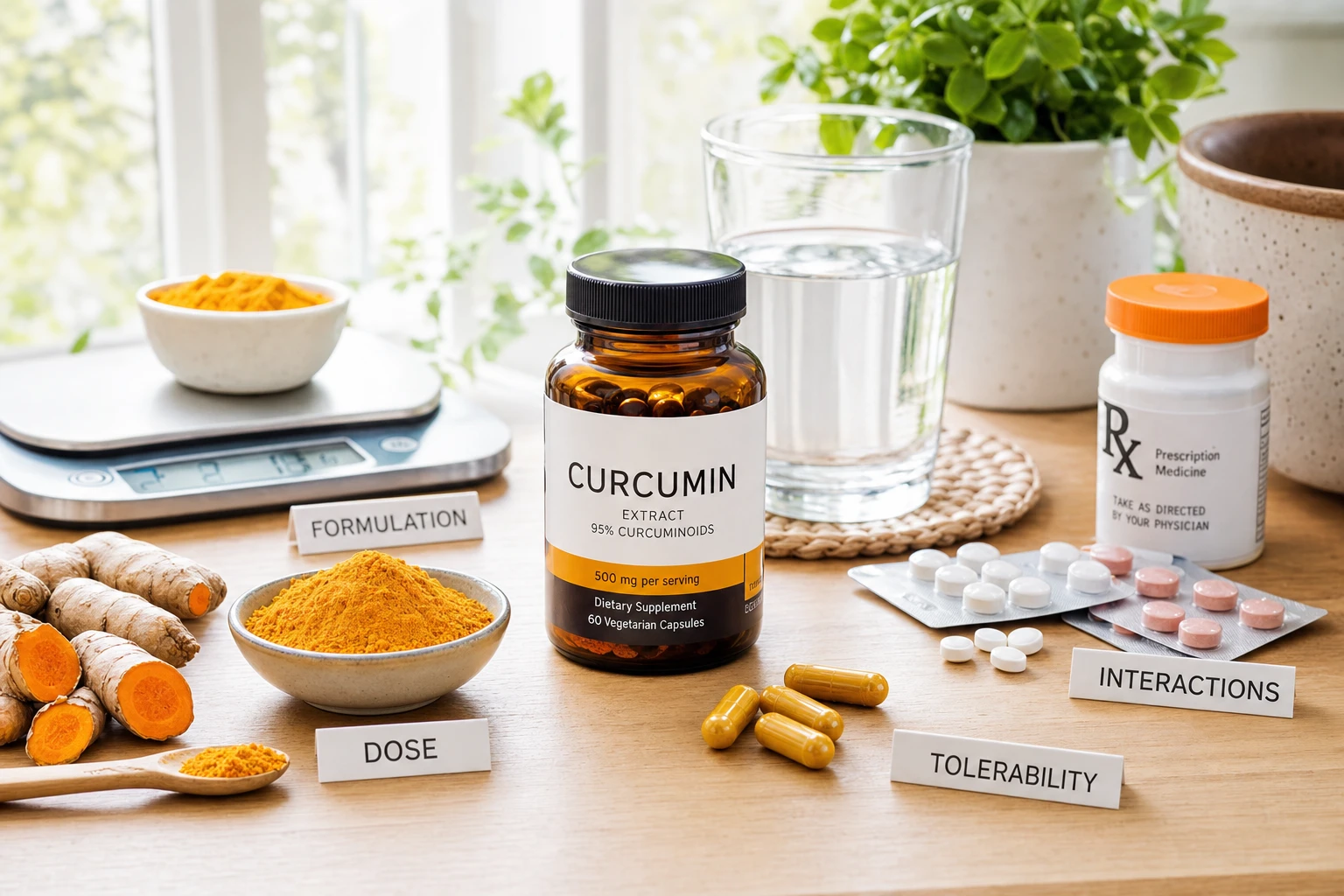
The most important difference, at this point in the article, is not theoretical but practical: turmeric used in foods and curcumin, the main active compound in turmeric, in concentrated form, do not behave in the same way. In the daily spice, the amount of active ingredients is modest and is part of an overall dietary pattern, i.e., the usual diet; in extracts, however, the biological load increases and the potential effect becomes more evident, but also more delicate to interpret. When the amount of bioactive compounds, i.e., plant substances capable of influencing biological functions, increases, and a more marked effect on metabolism is sought, the bioavailability of curcumin, meaning the amount that actually enters circulation, tolerability, and compatibility with any ongoing therapies become central. Clinical and synthesis reviews, i.e., reviews that collect and interpret multiple studies, remind us that the observed effects depend heavily on the formulation, the studied population, and the objective of the intervention [61,62,63]. For this reason, a supplement should not be treated as a "stronger" spice, but as a product with its own biological activity and with limits of use to be evaluated on a case-by-case basis. In practice, the same molecule can have a different meaning if used for dietary support, for chronic inflammation, or as a metabolic adjuvant.
The available evidence does not indicate a generalized alarm, but rather calls for a cautious and practical interpretation. In the metabolic field, studies on turmeric and supplementation show interesting but not uniform results, also because absorption and clinical context can greatly modify the outcome [14,15]. In some formulations, the addition of adjuvants such as piperine, an alkaloid from black pepper used to increase absorption, was specifically designed to improve the systemic availability of curcumin, a sign that the problem of bioavailability is not marginal. This aspect makes it even more important not to confuse a biological potential with a certain and replicable benefit for everyone. For this reason, those who take medications continuously or have a history of sensitivity to supplements should avoid self-medication: the eventual use of concentrated turmeric should be discussed with a healthcare professional, especially if strategies for glycemic control or other cardiometabolic conditions are already being followed. The goal is not to give up a useful food, but to distinguish precisely between culinary use and supplementation, between dietary prevention and intervention with almost pharmacological purposes.
It should also be remembered that tolerability does not only concern possible interaction with drugs, but also the subjective response of the gastrointestinal tract, i.e., the digestive system. In some people, high doses or very concentrated formulations may be less well tolerated than culinary use, which distributes exposure more gradually. This makes the principle of progression and clinical observation important, especially in fragile, polymedicated subjects or those with already stabilized chronic diseases. The synthesis literature indeed insists that supplementation is never a neutral act: it depends on the dose, duration, and the objective pursued [57,16,14,15]. In other words, the context changes the meaning of the same compound. For this reason, turmeric in cooking remains a reasonable dietary choice, while high-concentration extract requires more careful evaluation and conscious use.
This caution is especially valid when turmeric is used alongside medications or in the presence of chronic conditions. People with diabetes, metabolic syndrome, or other cardiometabolic diseases often tend to try multiple products together, but this is precisely where clinical complexity increases. Curcumin can interfere with the overall picture because it does not act on a single target, but rather on signaling pathways, i.e., the mechanisms by which cells exchange information, on oxidative stress, meaning the excess of reactive molecules that can damage tissues, and on the inflammatory response. If a subject is already taking hypoglycemic drugs, antihypertensives, or other continuous therapies, even an apparently harmless supplement deserves an individual assessment. The points to keep in mind are clear:
- The concentrated form requires more attention than the simple daily spice.
- Chronic therapies warrant individual evaluation before use.
- Digestive tolerability can change with dose and formulation.
- A natural product is not automatically free of interactions.
The two scenarios to distinguish are the use of turmeric in cooking and the intake of extracts or capsules. In the following steps, the focus remains on clinical caution, without confusing the dietary plan with the pharmacological one.
Turmeric and medications: what interactions should be considered
Who should avoid or reduce concentrated turmeric?
Turmeric and metabolic prevention: how to incorporate it into a healthy lifestyle
The benefits of turmeric are most relevant within habits already favorable to metabolic health, meaning the balance of processes that regulate glycemia, weight, and nutrient utilization. In this context, curcumin, the main active compound in turmeric, can complement a balanced diet, physical activity, and weight management, without replacing them. Its role remains complementary: rather than "making a difference on its own," it can strengthen a routine consistent with prevention [1] [2] [7] [17].
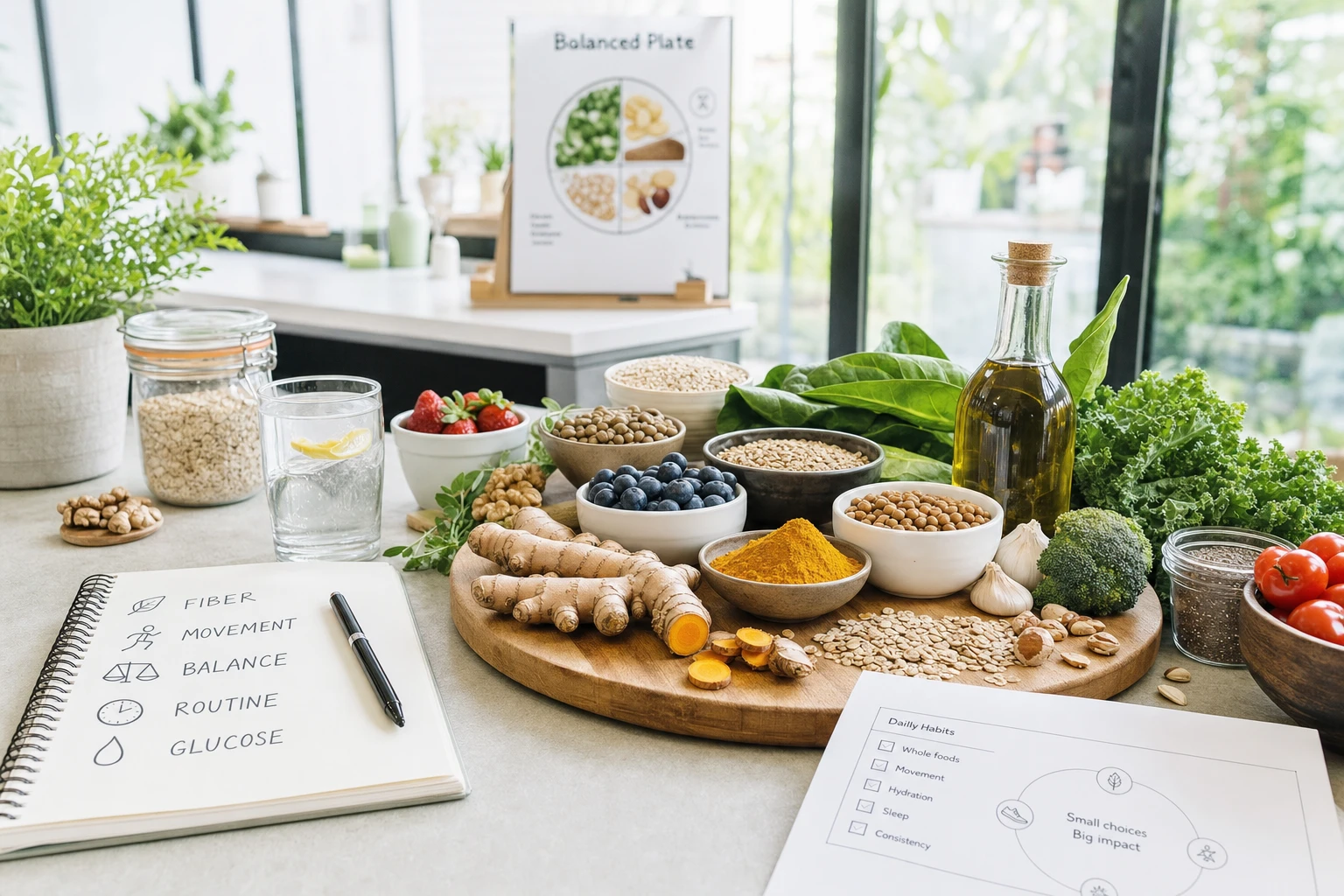
Metabolic prevention does not depend on a single food, but on the overall quality of habits repeated over time. In this context, turmeric can be a useful spice because it makes the diet more varied, richer in bioactive compounds—natural substances that can interact with bodily functions—and easier to maintain in the long term. However, reference sources and clinical reviews, which are critical syntheses of scientific literature, clearly indicate that the benefit primarily arises from the dietary pattern as a whole, not from an isolated ingredient [1,2,7]. This is a central point also for pathophysiology, which is the study of the mechanisms by which a disease develops: insulin resistance, low-grade inflammation, caloric excess, and a sedentary lifestyle reinforce each other, so no single compound can reverse the situation alone. For this reason, turmeric makes sense as part of a pattern consistent with metabolic health, not as a shortcut or substitute for more decisive choices such as carbohydrate quality, fiber intake, and regular physical activity.
The practical point, therefore, is to incorporate turmeric into a routine that promotes insulin sensitivity—the ability of cells to respond well to insulin—and glycemic stability, without attributing a disproportionate role to it. A useful phrase to guide this is: the spice can accompany a good lifestyle, but it cannot correct an altered metabolism on its own. The available evidence suggests that the most interesting signals emerge when curcumin is part of a broader preventive framework, where adherence, consistency, and the overall composition of the diet matter [17,8,12,13]. In other words, turmeric's strength lies in its complementarity: it can be a sensible, sustainable, and easy-to-integrate choice, but the most solid result always depends on the totality of daily habits. This is especially true in primary prevention, meaning strategies implemented before the disease manifests, when the goal is to reduce the metabolic load before persistent alterations in glycemia or body weight appear.
From a clinical perspective, the correct message is cautious but not dismissive. The systematic reviews cited describe a real interest in glycemia, HbA1c (glycated hemoglobin, which reflects the average glycemia over the preceding months), and insulin resistance, but place it within a broader prevention strategy [11,5,8,13]. This means that turmeric can reasonably be considered a dietary support, especially when it helps make a balanced diet more enjoyable and sustainable. Sustainability is an often underestimated criterion: a useful intervention is one that a person can maintain over time, not one that promises rapid but unrealistic effects. For this reason, from an institutional perspective, the value of the spice should be seen in its ability to reinforce healthy behaviors, not to replace them.
This approach helps avoid both excessive enthusiasm and prejudicial devaluation. Turmeric can be useful precisely because it is easy to incorporate into meals, but its real value emerges when it accompanies an ordered diet and an active lifestyle. In terms of prevention, the most correct message is simple: the spice can contribute to the overall quality of the diet, while the most effective interventions remain those on daily behavior and body composition [1,2,7,8]. Weight control also deserves attention, because excess adipose tissue fuels inflammation and worsens insulin signaling; in this scenario, a spice cannot compensate for energetically unbalanced habits. Turmeric thus becomes a small piece of a larger preventive architecture, useful when integrated consistently and continuously.
To make this approach truly practical, it is helpful to think of turmeric as one of the elements that make it easier to maintain a metabolism-friendly eating style over time:
- Turmeric enriches simple dishes without complicating the routine.
- Basic choices remain more important than a single spice.
- Movement and weight control have a greater impact.
- Daily consistency matters more than short-term effects.
Here, the focus shifts from theory to practice: how to use turmeric in a diet aimed at metabolic prevention, without overestimating its importance. Then, the picture is completed with the relationship between turmeric, physical activity, and weight control.
How to incorporate turmeric into a diet focused on metabolic well-being
Incorporating turmeric into a diet aimed at metabolic well-being means using it as a functional spice, not as an isolated element. It can enrich simple dishes, promote variety, and contribute to the overall presence of bioactive compounds in one's dietary routine. Its role, however, must be understood within broader habits: carbohydrate quality, fiber intake, portion management, meal regularity, and physical activity. Institutional sources remind us that a healthy diet is one that comprehensively protects against chronic diseases, not one that relies on a single ingredient [1,2]. In other words, turmeric makes sense if it accompanies a dietary pattern already consistent with prevention goals. The strength of this approach is that it avoids excessive promises and keeps the focus on repeatable daily choices, which matter more than a single ingredient. This approach is also more sustainable over time because it is based on small, realistic additions rather than difficult-to-maintain changes. In practice, the spice can be used to add flavor and color, but its most credible value lies in being part of an already well-structured diet. Metabolic prevention, in fact, is the result of a sum of consistent behaviors, not the isolated action of a single food. Available reviews on type 2 diabetes and metabolic syndrome—a set of alterations that includes abdominal obesity, dyslipidemia, hypertension, and glycemic alterations—reinforce this interpretation, as they discuss possible improvements in glycemic parameters without transforming turmeric into an autonomous treatment [11,5,7,8,12]. In practice, the spice can facilitate adherence to more balanced meals, but the benefit primarily depends on the quality of the dietary context in which it is included.
Turmeric, physical activity, and weight control: an integrated approach
Myths, frequently asked questions, and practical questions about turmeric
Questions about turmeric often arise from overly high expectations or simplified messages. In practice, the topic should be read with attention to the form, dose, and context of use, because not everything that applies to an extract applies to the spice in cooking. The most useful answers are those that clearly distinguish between real possibilities and excessive promises.
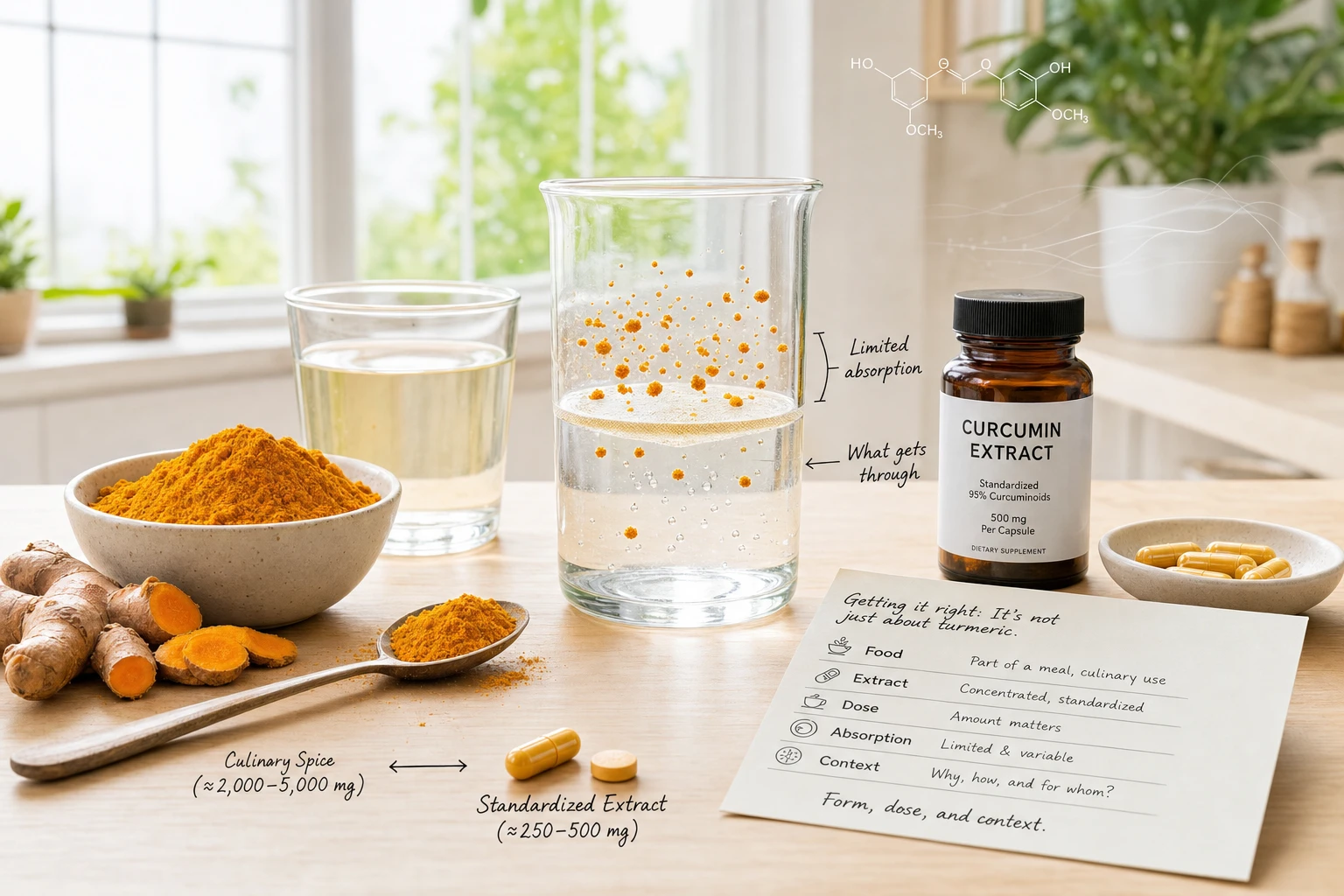
Many myths about turmeric arise when the value of a spice in the diet is confused with the effect of a concentrated extract. The bioavailability of curcumin, meaning the amount that is actually absorbed and usable by the body, is one of the reasons why commercial expectations often exceed clinical data. This molecule, in fact, faces limitations in intestinal absorption, hepatic metabolism, and rapid elimination; consequently, the amount actually available in tissues is reduced. For this reason, in practical questions, the issue is not just "if it works," but also "in what form," "at what dose," and "with what objective." Reviews on glycemic parameters suggest a real but variable interest, especially when it comes to glycemic control and insulin sensitivity [11,8,13].
This caution is also important because turmeric is often presented as a simple remedy for complex problems. In reality, any benefit must be understood against the background of the pathophysiology of insulin resistance, which is the set of processes that reduce the response of tissues to insulin, and which involves chronic low-grade inflammation, oxidative stress, alterations in insulin signaling, and mitochondrial dysfunction, i.e., an alteration in the function of mitochondria, the cellular structures that produce energy. In this context, a compound like curcumin can act as a modulator, not as a sole corrector. Available evidence suggests potentially useful effects on FBS, HbA1c, and HOMA-IR in reviews of subjects with diabetes or metabolic alterations [11,13], but the response is not homogeneous and depends on population, duration, and formulation.
Another common misconception is thinking that turmeric is useful only if it "lowers blood sugar" directly and immediately. In reality, the most interesting studies link it to a possible support for turmeric insulin resistance only within the overall framework of lifestyle, not as a substitute for diet, physical activity, or prescribed therapies. Even the presence of piperine, a compound in black pepper often used to increase absorption, or other formulation technologies can change the absorption profile, but it does not automatically transform a supplement into a standard solution for everyone. In this sense, the most correct message is cautious: turmeric can be a useful piece, especially if used judiciously, but it remains an accessory component compared to basic interventions [5,7,15].
From a clinical point of view, this means that turmeric should be interpreted as a potential support, not as an alternative to validated treatments. The literature describes a growing interest in the anti-inflammatory and metabolic effects of curcumin, but also a strong heterogeneity among studies, i.e., significant differences in methods, populations, and formulations. Some meta-analyses report modest improvements in glycemic markers, while others observe less consistent results or results dependent on participant selection [8,12,13]. This makes it essential to distinguish between plausible biological effect and relevant clinical efficacy, especially in people with type 2 diabetes, metabolic syndrome, or high cardiometabolic risk.
An often overlooked aspect is the difference between cellular signals and patient outcomes. In the laboratory, curcumin can modulate pathways such as AMPK, adenosine monophosphate kinase, mTOR, mammalian target of rapamycin, and PI3K/Akt, a signaling cascade involved in insulin response, promoting a more favorable setup for energy homeostasis [9,10,19]. However, the transition from experimental model to practice requires caution, because the concentration used in cells does not always correspond to what can be achieved in the body. Therefore, when talking about "antidiabetic effect" or "improvement of insulin resistance," it is advisable to ask whether the data is preclinical, observational, or clinical, and what the level of robustness of the evidence is.
Practical questions become clearer if they are separated by topic: perceived efficacy, quantity, method of use, and realistic expectations. The answers below address the most common doubts and relate them to the available data. From this perspective, turmeric becomes an excellent example of correct dissemination: it is not about denying its potential, but about placing it at the right point in the hierarchy of evidence. It is precisely this balance that helps the reader navigate between marketing, culinary tradition, and evidence-based medicine.
The most frequent requests revolve around three key points: daily use in cooking, use as a supplement, and compatibility with a broader nutritional strategy. Before delving into the answers, it is useful to establish the points that most often recur in practical discussions:
- Dietary use is not equivalent to taking a concentrated supplement.
- The metabolic response depends heavily on dose and formulation.
- There is no universal effect valid for all people.
- Expectations must remain consistent with available clinical data.
Practical questions are best clarified when separated by theme: perceived efficacy, quantity, usage methods, and realistic expectations. The answers below address the most common doubts and bring them back to the available data.
How important is the dose when it comes to turmeric?
Dosage is a decisive element because the effects of turmeric do not only depend on the presence of the compound, but on the quantity actually consumed and absorbed. In cooking, the dose is usually modest and incorporated into a food or meal; in supplements, however, the concentration can be much higher. This changes the possibility of observing biological effects, but also the tolerability profile. Clinical studies have used very different doses: 1500 mg/day for 10 weeks in type 2 diabetes [41,42], 80 mg/day of nano-curcumin for 12 weeks in metabolic syndrome [46], and combinations with omega-3 for 12 weeks in subjects at high risk of T2D [45].
It is therefore correct to read any statement about turmeric by always asking "how much?" and "in what form?". From a physiological point of view, an adequate dose may be necessary to overcome absorption barriers and reach concentrations capable of influencing intracellular signals such as AMPK and mTOR, which regulate glucose metabolism, protein synthesis, and autophagy [9,19,56]. Autophagy, the process by which cells eliminate and recycle damaged components, represents a further area of biological interest. However, a larger quantity does not automatically mean a greater benefit, because absorption saturation, interindividual variability, and potential gastrointestinal effects come into play. For this reason, the dose should not be read as an accessory detail, but as an integral part of the clinical significance of a study.
From a biological point of view, this question helps to avoid generalizations and to place the topic within the correct scope: a useful spice in the diet is not automatically equivalent to a high-dose extract. The dose, in fact, is the bridge between theory and practice, because a molecule may have experimental interest but not produce the same effect if the quantity available to the body is low. For this reason, formulations, concentration, and frequency of intake are decisive details. Understanding the dose therefore means reading both studies and commercial proposals more intelligently, maintaining focus on real efficacy and safety of use.
When dosage comes into play, it becomes even more important to distinguish food from extract.
Comparative overview
The following table summarizes the most important concepts that emerged in the text and helps to easily compare the main points: the role of turmeric as a spice, that of curcumin as a studied compound, and the difference between biological mechanisms and practical application. It is especially useful for navigating between the form of use, metabolic objective, and available level of evidence.
| Concept | What it means | Why it matters |
|---|---|---|
| Turmeric | A culinary spice derived from the rhizome | It has dietary value, but is not equivalent to a concentrated extract |
| Curcumin | The main compound studied in curcuminoids | It is the most frequent reference in studies on metabolism and cell signaling |
| Insulin resistance | Reduced tissue response to insulin | This is the clinical context in which the potential interest of turmeric is interpreted |
Summary of scientific evidence
The bibliographic sources show a consistent but not uniform picture. This summary brings together the most representative studies to comparatively examine the relationship between turmeric, metabolism, and cell signaling.
| Publication Year | Area Studied | What the Studies Indicate | Main Limitation | Level of Evidence |
|---|---|---|---|---|
| 2023 | Glycemic Indices in Adults | studies suggest a possible improvement in glycemia and insulin resistance | heterogeneity among doses, formulations, and populations | Meta-analysis [8] |
| 2023 | Glucose and Metabolic Syndrome | evidence indicates a favorable signal on glucose metabolism | results not always consistent across different outcomes | Meta-analysis [12] |
| 2024 | Diabetes and Metabolic Inflammation | evidence indicates a possible reduction in inflammatory and glycemic markers | sample sizes and trial durations not always homogeneous | Systematic Review [44] |
| 2021 | Insulin Resistance in type 2 diabetes | studies suggest an improvement in HOMA-IR and some metabolic parameters | limited number of RCTs and differences in formulations | Meta-analysis [43] |
| 2019 | Metabolic Syndrome | studies suggest benefits on multiple cardiometabolic markers | variability in response and different bioavailability | Meta-analysis [47] |
| 2021 | Glycemic Control in Diabetic Patients | the signal appears consistent with favorable effects on glycemia, HbA1c, and BMI | non-uniform methodological quality | Systematic Review [39] |
| 2025 | AMPK, mTOR, and Glucose Metabolism | interesting mechanistic effects have been observed in cellular models | mainly preclinical data | Preliminary Evidence [19] |
| 2025 | Turmeric, Bioavailability, and Formulations | results are not uniform and depend on the product form | limited clinical translation | Scientific Consensus [16] |
Editorial review of the evidence
Overall, the available literature describes a plausible relationship between curcumin and metabolism. Human studies show favorable signals on glycemia, insulin resistance, inflammation, and some lipid parameters, while preclinical work clarifies why AMPK, mTOR, and GLUT4 are often at the center of interest. The picture is therefore biologically coherent and clinically promising, but the weight of the evidence varies based on formulation, dose, and studied population.
The main limitations concern methodological heterogeneity, often small sample sizes, short intervention durations, and substantial differences between extracts, nano-formulations, and dietary use. Many mechanistic results derive from cells or animal models and do not automatically translate into a measurable human effect. This is also why the most up-to-date syntheses invite readers to interpret the results as interesting signals, not as definitive conclusions.
Conclusions and editorial summary
The relationship between turmeric, curcumin, and metabolism is interesting because it connects a commonly used spice to a network of highly studied cellular processes. AMPK, mTOR, and GLUT4 are not just technical acronyms, but components of a system that governs energy availability, cell growth, and glucose uptake into tissues. In this context, curcumin has emerged as a molecule capable of interacting with mechanisms that are truly important for insulin sensitivity, the balance between synthesis and energy conservation, and the response to oxidative stress and inflammation.
The most important editorial point is to precisely distinguish between biological plausibility and clinical application. Human trials and systematic reviews show favorable signals regarding glycemia, HOMA-IR, HbA1c, inflammatory markers, and some lipid parameters, but the intensity of the effect varies significantly. This variability depends on the product form, dose, intervention duration, and the metabolic profile of the participants. For this reason, turmeric cannot be seen as a standalone solution, nor as the sole answer to insulin resistance. It is more accurate to consider it a complementary resource, which makes sense especially within a consistent diet, good overall dietary quality, and a broader prevention context.
From a nutritional perspective, the most solid message remains that of proportion: the spice can contribute to the variety and quality of meals, while concentrated extracts require a more rigorous interpretation. Curcumin's bioavailability is the key step that separates theoretical interest from possible real effect. If the compound does not reach the tissues in sufficient quantities, even the best rationale remains partial. If, however, the formulation is adequate and the clinical context is appropriate, the signals from the literature become more credible and interesting.
Looking ahead, the topic of turmeric fits well into an editorial path dedicated to metabolism, inflammation, and cardiometabolic prevention. It is a useful topic because it allows us to read food, physiology, and evidence quality together, without falling into reductionism or excessive enthusiasm. For the reader, the value of the research lies precisely here: understanding where turmeric can be a sensible piece of the puzzle and where its role remains limited. This is the most solid basis for continuing to explore the relationship between nutrition, cellular signaling, and metabolic health in an informed, cautious, and scientifically coherent manner.
Final critical note
The available evidence on turmeric is interesting, but its interpretation requires careful attention. The most robust results seem to focus on certain metabolic and inflammatory markers, while other outcomes remain less uniform or depend on very specific experimental conditions. This means that the idea of a broad and stable effect, valid in every context, is not yet sufficiently supported.
A second problem concerns methodological quality: small sample sizes, short trial durations, different formulations, and not always homogeneous comparisons make it difficult to compare studies. Plausible mechanisms emerge in cellular and animal models, but the transition to humans is not straightforward. In particular, the relationships with AMPK and mTOR are convincing on a biological level, but not yet sufficient to define a direct and generalizable clinical benefit.
Bioavailability must also be considered, because a poorly absorbed molecule can produce very different results from those expected based solely on its chemical properties. Formulations with higher absorption are not automatically equivalent to each other, and this limits the practical transferability of results. Furthermore, the use of concentrated extracts introduces additional variables, including tolerability and possible interactions, which cannot be ignored.
Overall, the literature supports a reasoned interest, not a definitive conclusion. Turmeric appears as a potential support within a broader metabolic strategy, but not as a standalone solution. This interpretive caution is precisely the most important point for correctly understanding the research and avoiding overestimations of its role.
References
[1] Healthy diet
[2] Dietary Supplement Fact Sheets
[7] Is Curcumin Intake Really Effective for Chronic Inflammatory Metabolic Disease? A Review of Meta-Analyses of Randomized Controlled Trials
[8] Effects of curcumin/turmeric supplementation on glycemic indices in adults: A grade-assessed systematic review and dose–response meta-analysis of randomized controlled trials
[9] Targeting mTOR with curcumin: therapeutic implications for complex diseases
[10] The PI3K/Akt pathway: a target for curcumin's therapeutic effects
[11] Effect of Curcumin on Glycemic Control in Patients with Type 2 Diabetes: A Systematic Review of Randomized Clinical Trials
[12] Effects of turmeric (Curcuma longa) supplementation on glucose metabolism in diabetes mellitus and metabolic syndrome: An umbrella review and updated meta-analysis
[13] The effect of curcumin supplementation on glycemic indices in adults: A meta-analysis of meta-analyses
[16] Curcumin and multiple health outcomes: critical umbrella review of intervention meta-analyses
[17] Effect of curcumin on cardiometabolic diseases in the elderly: A systematic review of randomized controlled trials
[19] Curcumin ameliorates high-glucose-induced lipid accumulation in HepG2 cells via AMPK activation and mTOR suppression
[21] Curcumin represses mTORC1 signaling in Caco-2 cells by a two-sided mechanism involving the loss of IRS-1 and activation of AMPK
[22] Dietary Curcumin Ameliorates Aging-Related Cerebrovascular Dysfunction through the AMPK/Uncoupling Protein 2 Pathway
[23] AMPK and Beyond: The Signaling Network Controlling RabGAPs and Contraction-Mediated Glucose Uptake in Skeletal Muscle
[39] The Effects of Curcumin on Diabetes Mellitus: A Systematic Review
[41] The effect of curcumin supplementation on anthropometric indices, insulin resistance and oxidative stress in patients with type 2 diabetes: a randomized, double-blind clinical trial
[42] The effects of curcumin supplementation on high‐sensitivity C‐reactive protein, serum adiponectin, and lipid profile in patients with type 2 diabetes: A randomized, double‐blind, placebo‐controlled trial
[43] Efficacy and Safety of Curcumin Supplement on Improvement of Insulin Resistance in People with Type 2 Diabetes Mellitus: A Systematic Review and Meta-Analysis of Randomized Controlled Trials
[44] Curcumin Attenuates Hyperglycemia and Inflammation in Type 2 Diabetes Mellitus: Quantitative Analysis of Randomized Controlled Trial
[45] Curcumin and/or omega-3 polyunsaturated fatty acids supplementation reduces insulin resistance and blood lipids in individuals with high risk of type 2 diabetes: a randomised controlled trial
[46] The effects of nano‐curcumin supplementation on glycemic control, blood pressure, lipid profile, and insulin resistance in patients with the metabolic syndrome: A randomized, double‐blind clinical trial
[47] Metabolic benefits of curcumin supplementation in patients with metabolic syndrome: A systematic review and meta‐analysis of randomized controlled trials
[48] Curcumin, Alone or in Combination with Aminoguanidine, Increases Antioxidant Defenses and Glycation Product Detoxification in Streptozotocin-Diabetic Rats: A Therapeutic Strategy to Mitigate Glycoxidative Stress
Editorial note
Artificial Intelligence was used solely as a tool to support editorial and documentary work. All content, interpretations, bibliographic citations and conclusions have been verified, reviewed and approved by the author, who assumes full scientific responsibility for them.
The manuscript was also subject to independent peer review prior to publication.
To ensure maximum transparency, the article's complete history — including the dates of submission, review, acceptance and publication, as well as information on the peer review process — is available on the dedicated Article History page.