


Turmeric in the daily diet: what it is really used for in terms of health
Research shows that turmeric is primarily a spice, useful for adding flavor and color to a varied diet. The most cited studies, however, examine curcumin and other extracts, not the spice used daily. Caution is therefore needed: scientific interest is real, but it does not prove a direct clinical effect from normal culinary use.
- Published 13/10/2026
- Updated 15/10/2026
- Reviewed 15/10/2026
- Article history
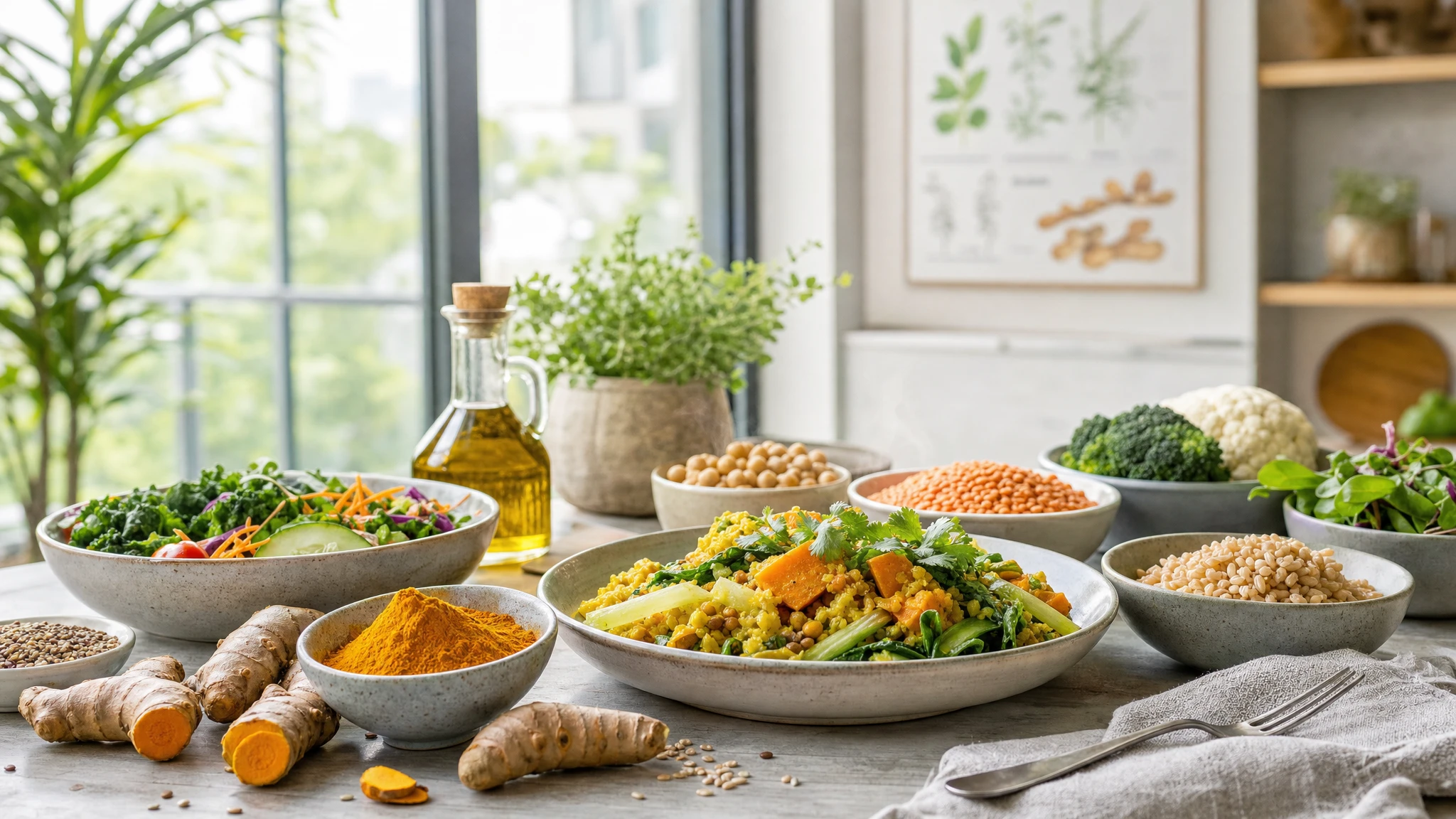
ABSTRACT : WHAT THE SCIENCE SAYS
Turmeric is a common spice in the kitchen, known for its vivid color and characteristic aroma. Yet, it is often assigned roles that go beyond its simple use as food. To truly understand what turmeric is used for, one must distinguish between two aspects of its use. In the daily diet, it is an ingredient that adds flavor and makes dishes more varied. Scientific research, on the other hand, examines specific compounds, such as curcumin (the main active substance studied). If these two levels are confused, it can create excessive expectations and imprecise interpretations.
In a healthy diet, turmeric does not replace other foods and, on its own, does not offer miraculous effects. However, it can add flavor, color, and variety to many simple and pleasant recipes in the kitchen. This article explains how to use it in cooking and what role phytochemicals (plant substances with biological activity) play. It also explains why, for health, the context of the diet matters more than any single ingredient. In summary, we will look at these key points:
- Role of turmeric in everyday meals
- Difference between the whole spice and curcumin
- Role of turmeric's phytochemicals
- Importance of context in a healthy diet
- When turmeric remains an ingredient, not a remedy
Turmeric in the kitchen: what it really adds to your meals
In your daily diet, the answer to what is turmeric used for starts in the kitchen. The spice is not a cure, but it adds flavor, color, and variety to meals. Its value emerges above all when it makes simple dishes more enjoyable, as part of a varied and balanced diet.
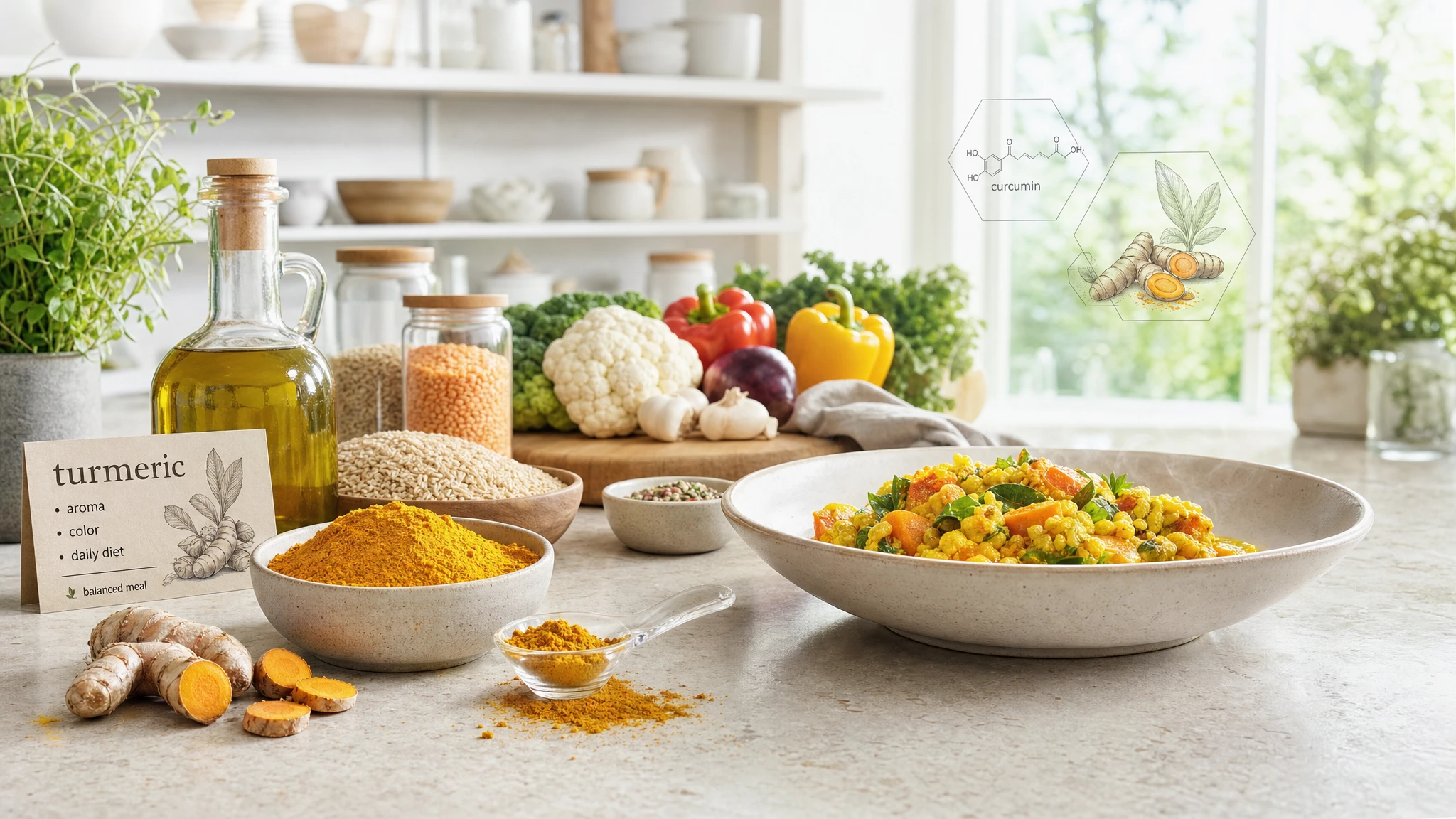
When talking about turmeric in the diet, its use in cooking comes first. It is an aromatic spice that adds color, aroma, and flavor to dishes. It does not “cure” the meal, but it can make it more enjoyable and easier to prepare again.
Its role should therefore be viewed within the context of a varied diet, not as an isolated effect. Its value lies precisely in its ability to enrich simple recipes without replacing other foods.
Turmeric therefore makes sense in a practical kitchen, without excessive expectations regarding its effects. It can make certain choices more appealing, which then become easier to repeat over time.
On its own, it does not change the style of the diet, but it can help to vary it consistently. The next step is to understand what the spice contains and why its interest goes beyond its aroma.
To better understand its role, we can distinguish the more concrete contributions to daily meals:
- It gives recipes a sharper, more recognizable aroma.
- It adds color to simple or frequently consumed dishes.
- It pairs well with other ingredients without masking their taste.
- It fits into varied, practical, and easy-to-prepare meals.
The following steps show how this spice acts first in the kitchen and then as a source of studied compounds.
What turmeric contributes to everyday dishes
Turmeric primarily provides sensory characteristics: an intense color, a recognizable aroma, and a spicy note capable of changing the perception of a simple dish. USDA guidelines note that spices and herbs can flavor foods and increase the enjoyment of nutritious meals [1]. A review on cooking and health describes turmeric as a long-used spice capable of influencing the nature, color, and taste of foods [2]. The limitation is not to attribute a defined clinical effect to it when used as a household ingredient. Its contribution remains linked to how it helps make simple preparations more palatable. This is why it is maintained in many culinary traditions. In practice, turmeric functions as a support for the perceived quality of the meal. It does not act as an independent therapeutic intervention, but as an element that makes food more inviting.
Its contribution remains linked to how it helps make simple preparations more palatable, which is the reason why it is maintained in many culinary traditions. In practice, turmeric functions as a support for the perceived quality of the meal, not as an independent therapeutic intervention.
Why turmeric is more useful as a spice than as a promise
Turmeric is most useful when incorporated into a practical culinary context, rather than as a promise of specific results. A review on the food applications of this spice also presents it as a technological ingredient and coloring agent, in addition to being a culinary component [3]. Another review explains that turmeric has attracted both scientific and culinary interest because it is the primary source of curcumin, the most studied compound [4]. This does not change the significance of its home use. In a daily diet, turmeric remains a spice, not a substitute for an overall dietary pattern. Its real value depends on the recipe and the consistency of habits. It does not stem from a claimed curative function, but from its ability to accompany realistic meals.
The limitation of excessive expectations is therefore clear, because real value depends on the recipe and the consistency of habits, not on a claimed curative function. The most sensible use is one that accompanies realistic meals that are easy to repeat and consistent with a balanced diet.
Which meals are best suited for turmeric
Turmeric fits well into meals where its presence is consistent with the overall flavor of the recipe. WHO guidelines advocate for dietary patterns based primarily on whole grains, vegetables, fruits, and legumes [5]. USDA guidelines emphasize that spices and herbs help make nutritious foods more enjoyable [1]. In this context, turmeric is an accessory but useful addition. It enriches simple preparations without overpowering them, making it suitable for many everyday dishes. The main limitation is the isolation of a single ingredient from the context of the meal. A spice alone does not change the profile of a diet, but it can support the consistency of a varied diet.
In this context, turmeric is an accessory but useful addition because it enriches simple preparations without overpowering them. The main limitation is precisely the isolation of a single ingredient from the context of the meal. A spice alone does not change the profile of a diet, but it can support the consistency of a varied and realistic way of eating. This is why its daily use makes sense when it accompanies balanced meals: it does not replace variety, but makes it easier to practice consistently.
Recent research and updates
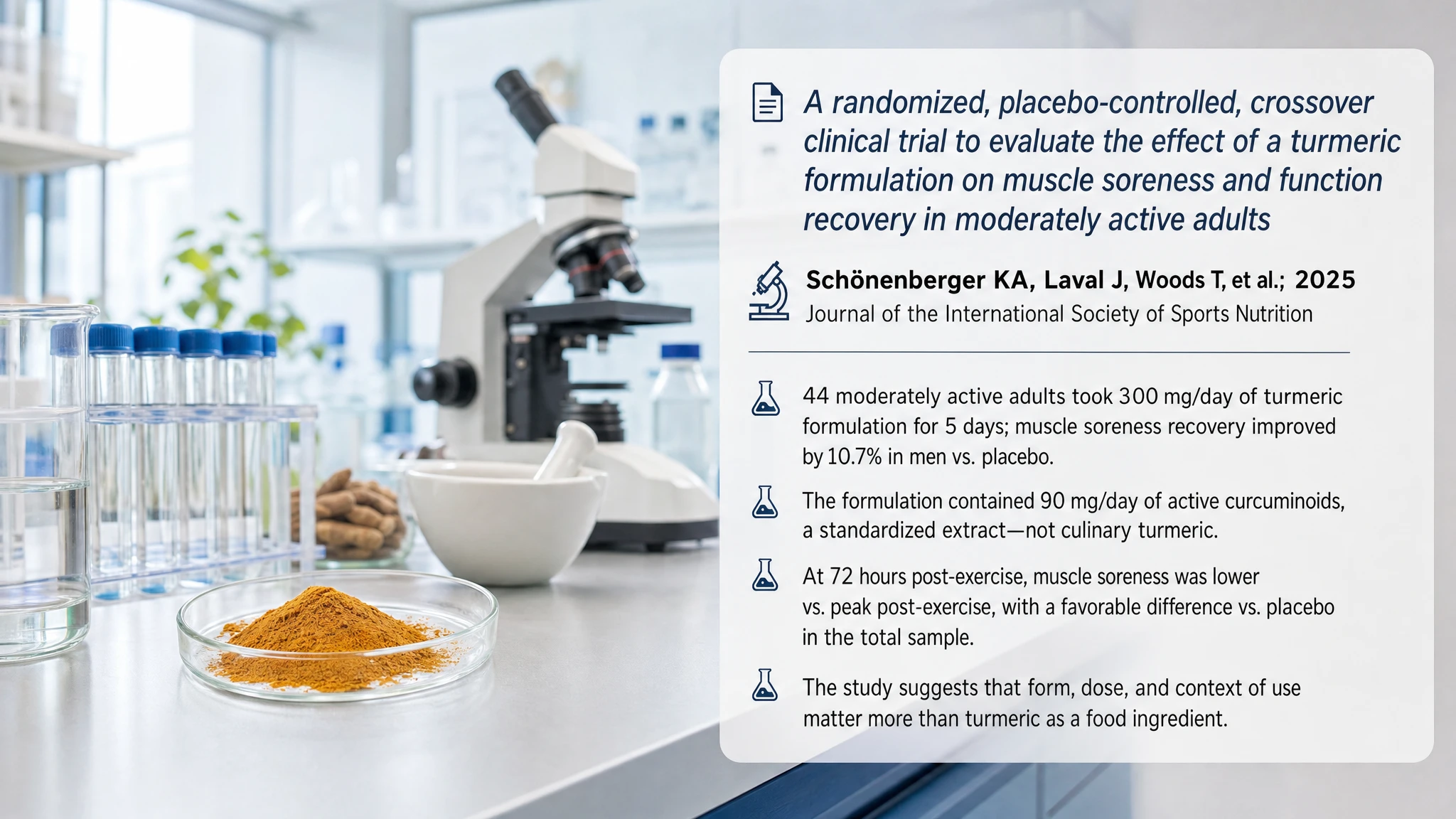
In 2025, Swiss researcher Schönenberger and colleagues studied a turmeric formulation in moderately active adults. Their research, published in the Journal of the International Society of Sports Nutrition, evaluated muscle pain and recovery after exercise. The work reports data on dosage, timing, and biological response. However, the product examined was a specific formula and not the culinary spice, so the results do not indicate a therapeutic effect from normal use in meals.
A randomized, placebo-controlled, crossover clinical trial to evaluate the effect of a turmeric formulation on muscle soreness and function recovery in moderately active adults
- 44 moderately active adults took 300 mg per day of the turmeric formulation for 5 days; in males, recovery from muscle pain improved by 10.7% compared to the placebo.
- The tested formula provided 90 mg of active curcuminoids per day: it was therefore a standardized extract, not the spice used in meals.
- 72 hours after exercise, muscle pain was lower compared to the peak after exertion, with a favorable difference compared to the placebo in the total sample.
- The study suggests that form, dosage, and method of use matter more than simply referring to turmeric as a food ingredient.
Turmeric and bioactive compounds: what is inside the spice
Turmeric contains bioactive compounds, which are natural molecules that act within living systems. These substances explain the research interest in this spice. Among the most well-known are curcuminoids, essential oils, and other phytochemicals. They do not all act in the same way. Therefore, knowing what turmeric contains helps to better understand its use in the diet.
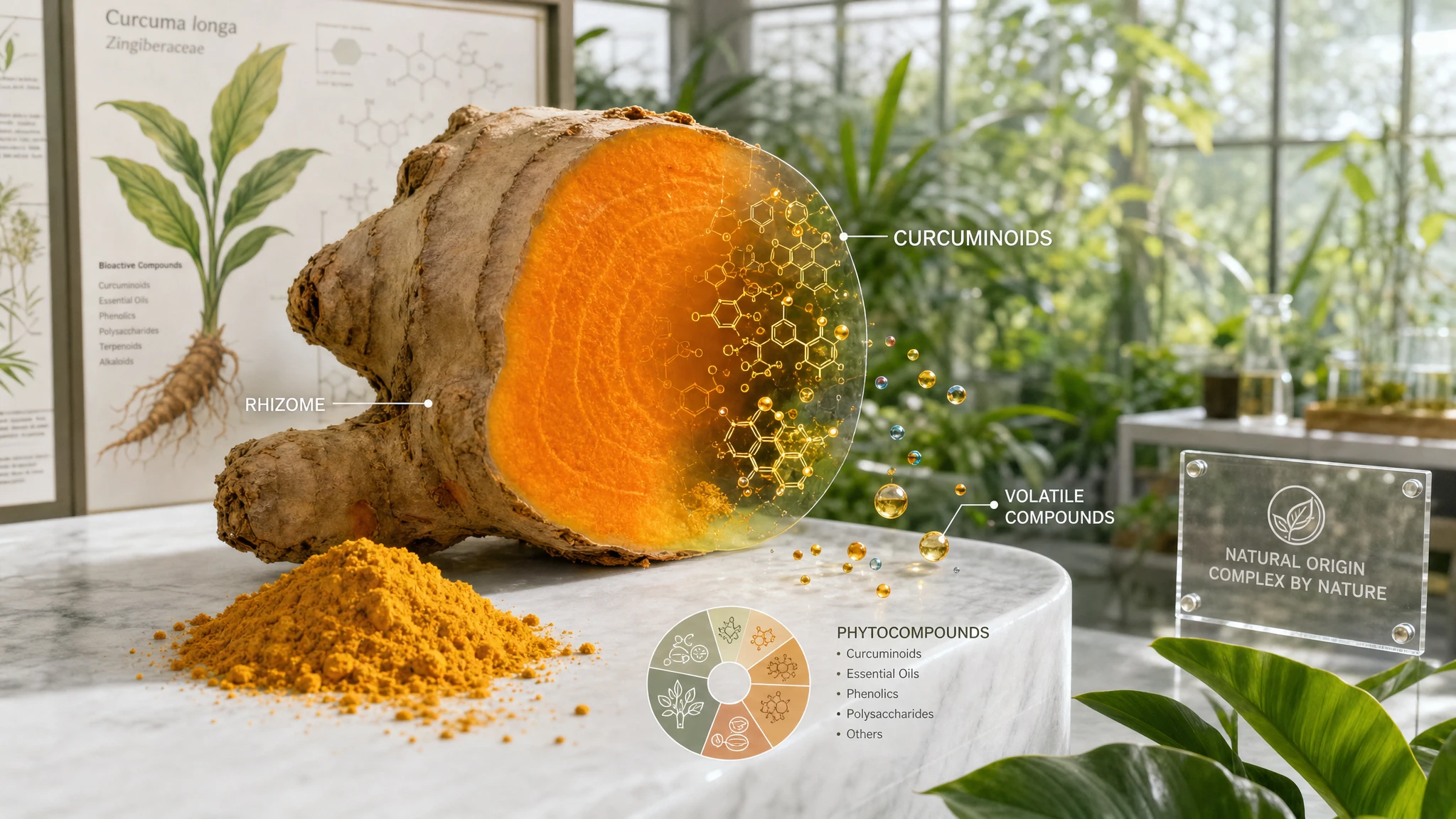
Turmeric does not contain just one substance, but several bioactive compounds that provide its color, aroma, and nutritional interest. The most well-known are the curcuminoids.
The spice also contains volatile substances and other plant molecules. When we ask what it is used for, we must therefore consider this entire combination. It is not enough to study a single active ingredient.
This mixture makes turmeric a potential functional ingredient, meaning a food with effects studied beyond its nutritional value. However, its role varies based on form, dose, and meal.
We will see what substances it contains and why the spice and the extract are not the same. Finally, we will understand how research evaluates these compounds.
Before moving on to the details of the H3 sections, it is useful to remember a few key points:
- Curcuminoids are the most studied group in the spice.
- Volatile substances primarily provide aroma and flavor.
- The composition changes depending on the raw material, processing, and storage.
- Nutritional interest concerns all phytochemicals, not just a single element.
Turmeric contains various families of molecules, each with a different role. The following sections describe the main compounds and distinguish the spice from the isolated active ingredient. They also clarify why many studies focus on curcumin.
What are the bioactive compounds in turmeric
Turmeric contains various phytocompounds (molecules produced by plants), which have distinct roles. Curcuminoids provide its typical color, while volatile oils contribute to its aroma and flavor. The spice is therefore a complex mixture, not a single molecule. Considering these components together helps to better describe what actually ends up on our plate. Separating them, on the other hand, is necessary to understand which part is being observed in various laboratory tests. In the diet, it is primarily used as an ingredient, which is very different from a concentrated extract.
A review on agri-food applications describes the rhizome as a source of essential oil, the volatile part linked to aroma [6]. Studies on culinary spices indicate that extracts and aromatic substances can support digestion and the gut microbiota (the collection of intestinal microbes) [7][8]. However, these data come from in vitro tests (conducted in the laboratory), which are far removed from use in a meal. An interesting mixture, therefore, does not demonstrate a direct clinical effect at normal dietary doses.
Whole turmeric and curcumin: why they are not equivalent
Whole turmeric and curcumin are not equivalent, as they refer to different levels of the same raw material. The spice is the food used in cooking, while curcumin is the single most well-known and easiest component to isolate. This distinction is useful when discussing turmeric in the diet, as it avoids attributing the same effects expected from an extract or a concentrated preparation to culinary use. Their common origin alone does not make the different products interchangeable.
Experimental work on ethanolic extracts of Curcuma longa shows that the chemical profile of an extract is different from that of the whole spice, even if it is derived from the same plant [9]. In practice, the concentration, composition, and therefore biological potential change. The limitation to keep in mind is that a standardized extract does not represent the normal culinary use of turmeric: confusing the two levels leads to overestimating what actually happens on the daily plate.
Why research focuses primarily on curcumin
This active ingredient is easier to isolate, measure, and test under controlled conditions. Therefore, it helps in studying potential effects on metabolism and the control of glycemia (blood sugar levels). This choice makes it simpler to compare results obtained with different research protocols. However, the results concern the isolated compound and do not directly describe the daily use of the spice. A meta-analysis that combined 11 studies on 1,131 people with type 2 diabetes observed an improvement in glycemic control. This result appeared more frequently after at least 12 weeks.
Fasting glycemia decreased in 8 studies, HbA1c (average blood sugar over time) in 7, and HOMA-IR (insulin resistance index) in 3 [10]. Another paper that brought together multiple studies found favorable signs but calls for further research on duration, dosage, and the most suitable populations [11]. Data on extracts, therefore, do not automatically apply to the spice used in cooking.
Turmeric in a balanced diet: why context matters
In a daily diet, the role of turmeric depends primarily on how it is used. As a spice, it can add flavor and help in following a healthy and balanced diet. Its value, however, stems from the diet as a whole, not from a single ingredient.
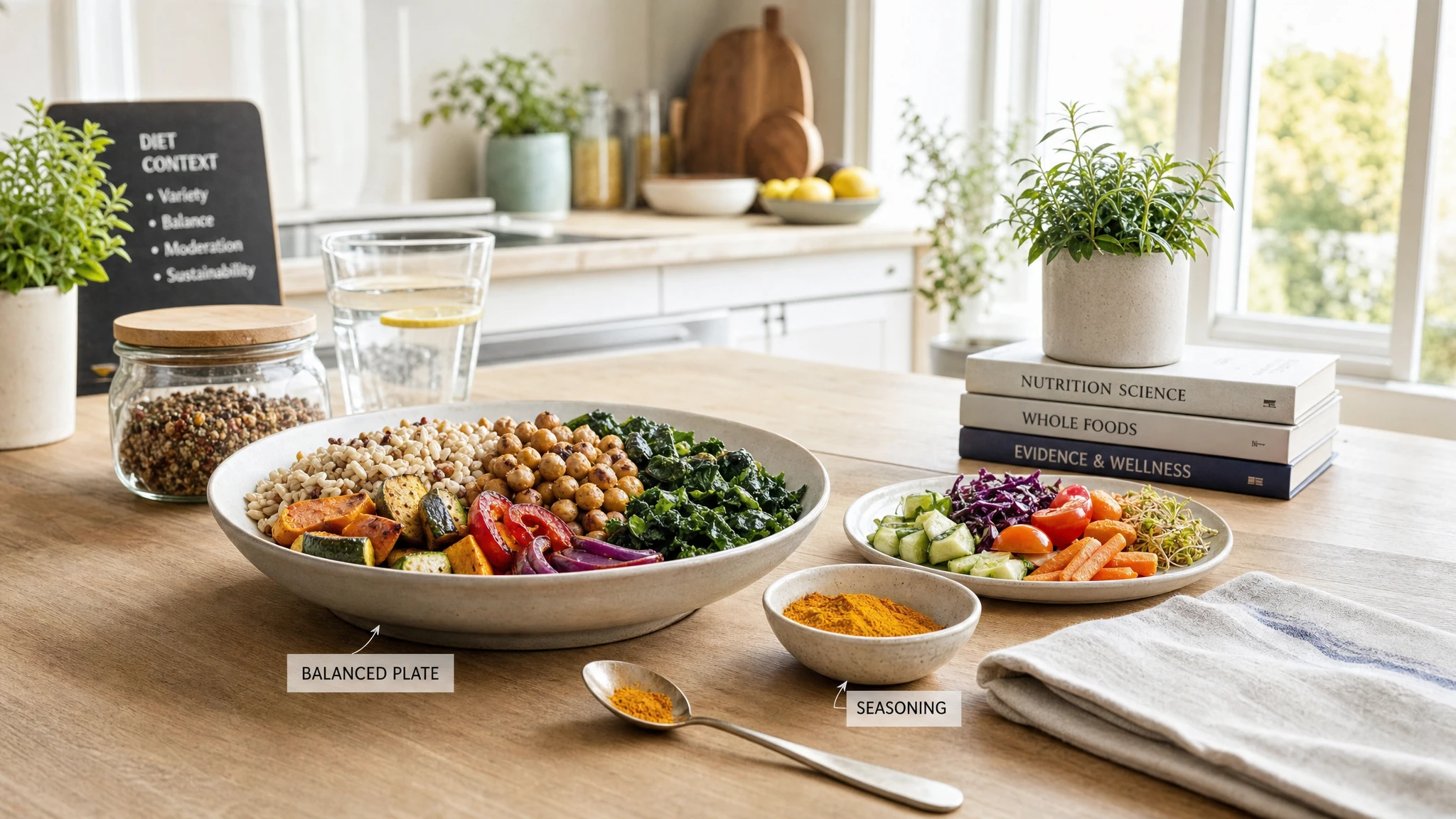
Turmeric can play a useful role within a balanced diet based on complete meals. This means choosing appropriate portion sizes, simple recipes, and plenty of plant-based foods. The spice alone does not create these effects, but it can add flavor to well-composed dishes.
Turmeric can therefore be viewed as a functional ingredient (food that helps support a healthy diet). However, its presence alone is not enough to make a diet balanced. What matters is the quality of everything you eat, with variety, consistency, and coherent choices every day. On this basis, one can evaluate the most practical ways to add it to meals.
Its use therefore makes more sense in complete meals, rather than as an easy shortcut. Context matters, because the same addition can have a different impact depending on the other meals consumed. The following points explain three practical aspects related to its use in the diet:
- A varied diet requires simple recipes suitable for everyday life.
- The dietary pattern defines the actual weight of the spice.
- Daily use remains sensible if it does not replace meals.
- The variety of dishes matters more than any single ingredient.
Let us now move from the general concept to the concrete use of turmeric in everyday meals. The following three points show how the context of the diet can change its role.
How turmeric integrates into a varied diet
Turmeric integrates well into a varied diet when used in recipes that already follow the principles of moderation and variety. In practice, this aromatic spice acts as a flavor enhancer, not as the centerpiece of the dish. Its bold flavor helps reduce the use of salt and fattier condiments, making simple dishes more palatable without making them heavy. This mechanism is useful for maintaining a diet based on minimally processed foods over time, because taste guides daily choices more than one might think.
The spice thus fits into a way of cooking based on whole grains, legumes, vegetables, and simple preparations—in other words, a dietary pattern that does not rely on a single ingredient for its value. Some observations show that those who use spices regularly tend to follow diets with more vegetables and fewer ultra-processed foods [1]. The limitation of these findings is that they are general frameworks, not specific evidence regarding turmeric: however, they serve to clarify that its culinary use only makes sense within an already balanced meal.
Why the value of turmeric depends on the dietary pattern
The dietary pattern matters more than any single spice because nutritional prevention stems from a set of habits, not an isolated ingredient. If your diet is rich in minimally processed foods and well-distributed throughout the day, turmeric can add flavor variety and consistency to your routine. In this context, its contribution is not just aromatic: it helps maintain a positive relationship with healthy food, avoiding the monotony that often leads to abandoning good intentions.
If, on the other hand, the rest of your diet is of poor quality, its contribution remains marginal. In other words, an aromatic spice enhances the dish, but it does not correct an unbalanced diet. Nutritional guidelines agree that no single food can compensate for an overall inadequate diet [5]. The limitation is clear: these sources do not measure the effect of turmeric alone on the dietary profile, but they help us understand its proper role. For this reason, turmeric in the diet must be evaluated in the context of repeated choices, dietary variety, and the overall quality of meals.
When daily use of turmeric remains consistent with health
The daily use of turmeric remains consistent with health when incorporated into standard preparations, without shifting the focus of the diet. In this context, the aromatic spice can promote consistency and flavor in everyday meals. However, its role remains that of an indirect metabolic support, not an isolated active ingredient. Typical culinary doses, around 1-3 grams per day distributed across meals, are considered safe for regular consumption in the general population [2]. This figure concerns safety of use, not a proven therapeutic effect. This is an important distinction, as it helps to understand what the available research actually says.
Turmeric makes it easier to follow a balanced diet over time; it does not replace the choices that truly matter. The practical criterion is proportion, meaning using turmeric as part of a healthy dish rather than as an isolated strategy. Used this way, it becomes a small but repeatable habit over time. The limitation, therefore, is one of interpretation: what is interesting in the laboratory does not automatically coincide with the benefits of daily cooking. The dosages studied in some experiments, in fact, often exceed those used at the table. For this reason, its use makes sense only if it remains consistent with the variety, regularity, and overall quality of the diet.
Summary of scientific evidence
This summary brings together the cited sources and shows where studies agree and where differences remain between fields and product types.
| Publication year | Area studied | What the studies indicate |
|---|---|---|
| 2017 | Turmeric as a spice and source of curcumin | evidence indicates that turmeric is a spice, while research focuses primarily on curcumin [4] |
| 2019 | Possible prebiotic effect of spices | results vary, as signals emerge primarily from experimental models rather than direct clinical studies [7] |
| 2020-2025 | Culinary use and meal quality | evidence indicates that spices and herbs make nutrient-rich meals more enjoyable [1] |
| 2020 | Food uses of turmeric | turmeric has also been studied as a functional ingredient and colorant for the food industry [3] |
| 2021 | Glycemia control with curcumin | evidence indicates possible benefits for glycemia in type 2 diabetes, but further confirmation is needed [10] |
| 2021 | Insulin response in type 2 diabetes | studies suggest a possible improved insulin response, but results are not always consistent [12] |
| 2023 | Dietary pattern and diet quality | studies suggest evaluating each ingredient within diets rich in plant-based foods [5] |
| 2023 | Glycemia and metabolic syndrome | the signal appears consistent, but effects vary according to the product, duration, and individuals studied [13] |
Editorial interpretation of the evidence
In reviewing the studies collected here, I found a clear distinction between two levels: the turmeric we use in the kitchen and the curcumin or standardized extracts studied in research. The most robust data I examined support the culinary role of the spice. In clinical trials, however, I observed potential effects on metabolism, especially with concentrated products. The picture I derive from this requires caution: the interest is real, but it changes depending on the form used.
Several frequent limitations emerge in the studies I analyzed: many are reviews, while others examine extracts or supplements rather than the whole spice. Furthermore, dosage, duration, and the people involved vary greatly, so the numerical data are not always comparable. For this reason, it is difficult for me to apply these results to normal kitchen use. The conclusions I can draw must describe the data without extending them beyond what has been shown.
Conclusions and editorial summary
In a daily diet, turmeric has a clear role that I have been able to verify: it adds color and aroma to meals and helps to vary recipes. Its value emerges above all when it is part of simple, habitual dishes suitable for a healthy diet. The research I have examined, on the other hand, often studies curcumin and standardized extracts (products with defined doses), which are different from the spice used in cooking. This distinction helps me to interpret the data correctly and avoid unrealistic expectations.
Turmeric does not replace a varied diet, but it can complement it. I therefore find its value in the balance between practical use, biochemical interest, and meal variety. The most accurate interpretation I can offer remains sober and always considers the entire meal.
Final critical note
The most robust data I have reviewed describe turmeric well as an ingredient, but I have observed that there remains a gap between the spice and concentrated products. Even when studies show effects on metabolism, I have noted that they vary by form, dose, duration, and the people involved. Therefore, I cannot directly apply those results to daily use.
This caution does not diminish the value of the topic, but rather makes it more accurate. I believe it is necessary to carefully understand where dietary interest ends and clinical research begins, without attributing to turmeric effects greater than those supported by the data.
References
[1] Dietary Guidelines for Americans
[2] Curcumin, an active component of turmeric ( Curcuma longa ), and its effects on health
[4] Curcumin: A Review of Its Effects on Human Health
[5] WHO guideline on carbohydrate intake for adults and children
[6] Curcuma longa L. Rhizome Essential Oil from Extraction to Its Agri-Food Applications. A Review
[7] Prebiotic Potential of Culinary Spices Used to Support Digestion and Bioabsorption
[8] Prebiotic Potential and Chemical Composition of Seven Culinary Spice Extracts
[9] Chemical Composition of Turmeric (Curcuma longa L.) Ethanol Extract and Its Antimicrobial Activities and Free Radical Scavenging Capacities
[10] Effect of Curcumin on Glycemic Control in Patients with Type 2 Diabetes: A Systematic Review of Randomized Clinical Trials
[11] The Effects of Curcumin on Diabetes Mellitus: A Systematic Review
[12] Efficacy and Safety of Curcumin Supplement on Improvement of Insulin Resistance in People with Type 2 Diabetes Mellitus: A Systematic Review and Meta-Analysis of Randomized Controlled Trials
Editorial note
Artificial Intelligence was used solely as a tool to support editorial and documentary work. All content, interpretations, bibliographic citations and conclusions have been verified, reviewed and approved by the author, who assumes full scientific responsibility for them.
The manuscript was also subject to independent peer review prior to publication.
To ensure maximum transparency, the article's complete history — including the dates of submission, review, acceptance and publication, as well as information on the peer review process — is available on the dedicated Article History page.