


Ginger: properties, clinical integration, and role in key metabolic pathways
Research suggests that ginger may offer metabolic support, especially in contexts where glycemia, insulin, and inflammation are already altered. Clinical trials show favorable signals on glycemic control, insulin sensitivity, and some oxidative markers, while experimental studies explain these effects through pathways such as AMPK and mTOR. However, results are not uniform and depend on the dose, form, and population studied.
- Published 31/08/2026
- Updated 09/09/2026
- Reviewed 09/09/2026
- Article history
ABSTRACT : WHAT THE SCIENCE SAYS
Ginger is one of the most studied spices when it comes to functional nutrition, meaning the use of foods capable of providing a biological advantage beyond nourishment, metabolism, and support for general well-being. Its reputation stems not only from its traditional use in cooking or hot beverages but also from scientific interest in its bioactive compounds—molecules with biological activity, particularly gingerols and shogaols—which contribute to the root's pungent profile and have been observed in various experimental and clinical settings. In recent years, attention has focused primarily on ginger's potential role in regulating glycemia (blood glucose concentration), insulin sensitivity, inflammatory processes, and certain metabolic pathways. For this reason, those seeking information on the topic not only want to know if ginger is "useful" but also how it works, under what conditions it has been studied, and with what limitations the results should be interpreted. In a divulgative context, it is important to distinguish between biological rationale, human evidence, and practical applications, avoiding both excessive enthusiasm and misleading simplifications. The following article organizes these aspects: it starts with clinical data, moves to intracellular mechanisms, addresses the relationship with AMPK, a kinase involved in cellular energy control, and mTOR, a protein complex that regulates growth and metabolic signaling, delves into insulin resistance (the reduced tissue response to insulin) and glycemia, and concludes with indications on daily use, safety, and quality of evidence. In summary, below are the key points we will explore:
- Effects of ginger on glycemia and insulin sensitivity
- Role of gingerols and shogaols in cellular mechanisms
- Relationship between ginger, AMPK, and mTOR regulation
- Practical applications, indicative doses, and forms of use
- Safety, limitations of evidence, and at-risk populations
Ginger and human supplementation
The benefits of ginger, observed in clinical studies, appear more robust in subjects with metabolic alterations, especially when glycemia and insulin are already compromised. In available trials, ginger is evaluated as a nutritional supplement, not as a substitute for standard therapies, with interesting signals on glycemic control, inflammation, and oxidative stress [1][2].

In patients with type 2 diabetes mellitus, a form of diabetes characterized by insulin resistance and a progressive reduction in insulin efficacy, clinical literature indicates a concrete, but still cautious, interest in ginger supplementation. Several randomized controlled studies have indeed evaluated not only glycemia, i.e., blood glucose concentration, but also the quality of overall metabolic control. In a randomized, double-blind, placebo-controlled study, 41 participants with type 2 diabetes received 3 g per day of ginger in capsules for 3 months; in the treated group, serum glycemia decreased by 19.41 ± 18.83 mg/dL compared to an increase of 1.63 ± 4.28 mg/dL in the placebo group, while HbA1c, or glycated hemoglobin which reflects the average glycemia over the preceding weeks, decreased by 0.77 ± 0.88% compared to 0.02 ± 0.16% in the control group, with significant differences also for insulin and HOMA-IR, an index of insulin resistance [1]. These results are clinically relevant because they suggest a multi-level action on diabetic dysfunction: reduction of hyperglycemia, lower insulin load, and possible attenuation of peripheral insulin resistance. A second trial confirmed a similar profile with 3 g per day for 3 months in adults with T2DM, observing improvements in glycemia, HbA1c, insulin, insulin resistance, hs-CRP, i.e., high-sensitivity C-reactive protein, PON-1, an enzyme with an antioxidant role, TAC, total antioxidant capacity, and MDA, a marker of lipid peroxidation [2]. This data is important because it links glycemic control to broader biological processes, such as systemic inflammation, antioxidant defense, and lipid peroxidation. In other words, ginger seems to act on the pathophysiological terrain that underlies diabetes, not just on the number read at the time of blood sampling.
This interpretation is consistent with the picture emerging from meta-analyses. A synthesis of 16 randomized studies and 1010 participants found a reduction in CRP, hs-CRP, and TNF-a, i.e., tumor necrosis factor alpha, albeit without a significant effect on IL-6 and sICAM [3]. The anti-inflammatory signal, therefore, is present but not uniform, and should be interpreted in light of the heterogeneity of the studies. A more recent systematic and dose-response review also confirmed interest in anti-inflammatory outcomes, albeit within an overall variable picture [4]. This point deserves attention, because low-grade inflammation contributes to the progression of insulin resistance and endothelial dysfunction, i.e., the alteration of the internal function of blood vessels. Reducing these mediators can have clinical value, especially in subjects with already manifest metabolic alterations. However, it remains essential to distinguish between biological plausibility and therapeutic application: supplementation can support standard management, but does not replace it.
In the broader metabolic disorder, ginger has also been studied in subjects with metabolic syndrome and obesity, two conditions in which pathogenic mechanisms clearly overlap. Metabolic syndrome, in fact, brings together alterations such as abdominal obesity, dyslipidemia, hyperglycemia, and elevated blood pressure. In a randomized, double-blind study, 60 people with metabolic syndrome received 3 g per day of ginger or placebo for 8 weeks, with improvements in body weight, body mass index, fasting glycemia, and some cardiometabolic markers [5]. Another trial on obese patients with newly diagnosed T2DM showed that supplementation with ginger powder improved glycemic and lipid profiles, with particular interest in LDL, HDL, and triglycerides [6]. These results are consistent with a pleiotropic action, i.e., capable of acting on multiple targets, of ginger's phenolic compounds, which can affect glucose metabolism, lipid homeostasis, and oxidative stress. In a meta-analysis of overweight or obese subjects, the effects on weight and metabolic profiles were modest but overall consistent [7]. The clinical message is therefore clear: the benefit does not appear universal, but emerges especially in contexts where metabolism is already compromised. This makes ginger more credible as a targeted nutritional support than as an autonomous weight loss or hypoglycemic agent.
A further element of interest concerns the management of post-prandial glycemia, i.e., the increase in glucose after a meal, often underestimated in routine evaluations. In non-diabetic adults, a randomized study evaluated 100 mL of aqueous ginger extract containing 0.2 g/100 mL in 24 participants, observing a significant reduction in the incremental area under the curve for glucose and the maximum glucose concentration after the meal [8]. This result suggests a possible effect on the absorption rate or the efficiency of the metabolic response to carbohydrates. From a pathophysiological point of view, limiting post-prandial peaks means reducing oxidative stress and glycative damage, i.e., the alterations caused by prolonged exposure to high glucose levels, which over time promote vascular and metabolic complications. For this reason, ginger can also be considered interesting in primary prevention, provided that the interpretation remains cautious and anchored to the quality of the evidence. Overall, human supplementation appears more convincing in cardiometabolic conditions, where hyperglycemia, insulin resistance, and low-grade inflammation create a biological terrain favorable to the action of bioactive compounds [1][2][5][6][3][8].
The clinical significance of these results, however, should not be interpreted in absolute terms. Differences between studies depend on duration, formulation, sample size, and baseline metabolic status; for this reason, ginger is best interpreted as a nutritional adjuvant. Its usefulness increases when it is included in a structured context of diet, exercise, and cardiometabolic risk management. In this sense, the clinical rationale is not to promise a miraculous effect, but to recognize a potential contribution to parameters that often worsen in parallel. This leads to the transition to pathological conditions where the biological rationale is broader and inflammatory mechanisms are particularly relevant [4][9].
Key points from the studies include:
- reduction of fasting glycemia in some clinical trials;
- improvement of HbA1c and insulin sensitivity;
- favorable effects on lipid profile in selected subgroups;
- greater utility in subjects with marked metabolic alterations;
- possible contribution to post-prandial glucose control [1][2][5][6][3][8].
In the following points, we will see how these clinical signs are expressed in the different metabolic contexts studied. First in type 2 diabetes, then in metabolic syndrome, and finally the effects on post-prandial glycemia.
Ginger in type 2 diabetes: effects on glycemia and HbA1c
In type 2 diabetes mellitus, ginger has been studied as a nutritional support capable of acting on multiple metabolic parameters. In a randomized, double-blind, placebo-controlled trial, 41 patients took 3 g per day of ginger in capsules for 3 months; serum glycemia decreased by 19.41 ± 18.83 mg/dL, HbA1c by 0.77 ± 0.88%, and improvements were also observed in insulin and HOMA-IR compared to placebo [1]. Another study with the same dose and duration confirmed the favorable trend in glycemia, HbA1c, insulin, and oxidative markers [2]. The relevant point is not to attribute a pharmacological role to ginger, but to understand if it can contribute to improving glycemic control within a broader strategy. From this perspective, its interest arises from the possible interaction with insulin resistance, oxidative stress, and low-grade inflammation. Data on hs-CRP, PON-1, TAC, and MDA indeed reinforce the hypothesis of a global effect on the metabolic microenvironment [2]. However, a correct interpretation of the results requires caution: the observed benefits are not homogeneous across studies and do not allow for definitive conclusions on replacing standard therapies. Nevertheless, it remains an area with high potential for those seeking information on dietary support in glycemic control, especially when the patient presents an initial but already measurable impairment of glucose metabolism.
Further reading: Ginger in type 2 diabetes: effects on glycemia and HbA1c levels
Ginger and metabolic syndrome: why it concerns cardiometabolism
Metabolic syndrome is one of the conditions where ginger is most interesting from a nutritional perspective. This condition brings together often coexisting alterations, such as abdominal obesity, dyslipidemia, hyperglycemia, and high blood pressure. In a randomized, double-blind, placebo-controlled study, 60 subjects with metabolic syndrome took 3 g of ginger daily for 8 weeks, showing improvements in weight, body mass index, fasting glycemia, and some metabolic markers [5]. A trial in obese patients with newly diagnosed type 2 diabetes showed benefits on glycemic and lipid profiles with powdered ginger [6]. The value of this observation lies in the multifactorial nature of the effect, consistent with a food or extract that does not act on a single target. From a pathophysiological standpoint, the combination of hyperglycemia, low-grade inflammation, and dyslipidemia creates a vicious cycle that promotes vascular damage and cardiometabolic progression. However, the improvement in markers should not be interpreted as proof of universal efficacy. The reduction in weight and the correction of some lipid parameters rather suggest a supportive role, to be integrated with diet and physical activity. For those seeking practical and clinical information, metabolic syndrome is one of the most useful fields for understanding ginger as an integrated metabolic regulator rather than an isolated intervention.
Further reading: Ginger and metabolic syndrome: effects and limitations of nutritional support for metabolism
Recent research and updates
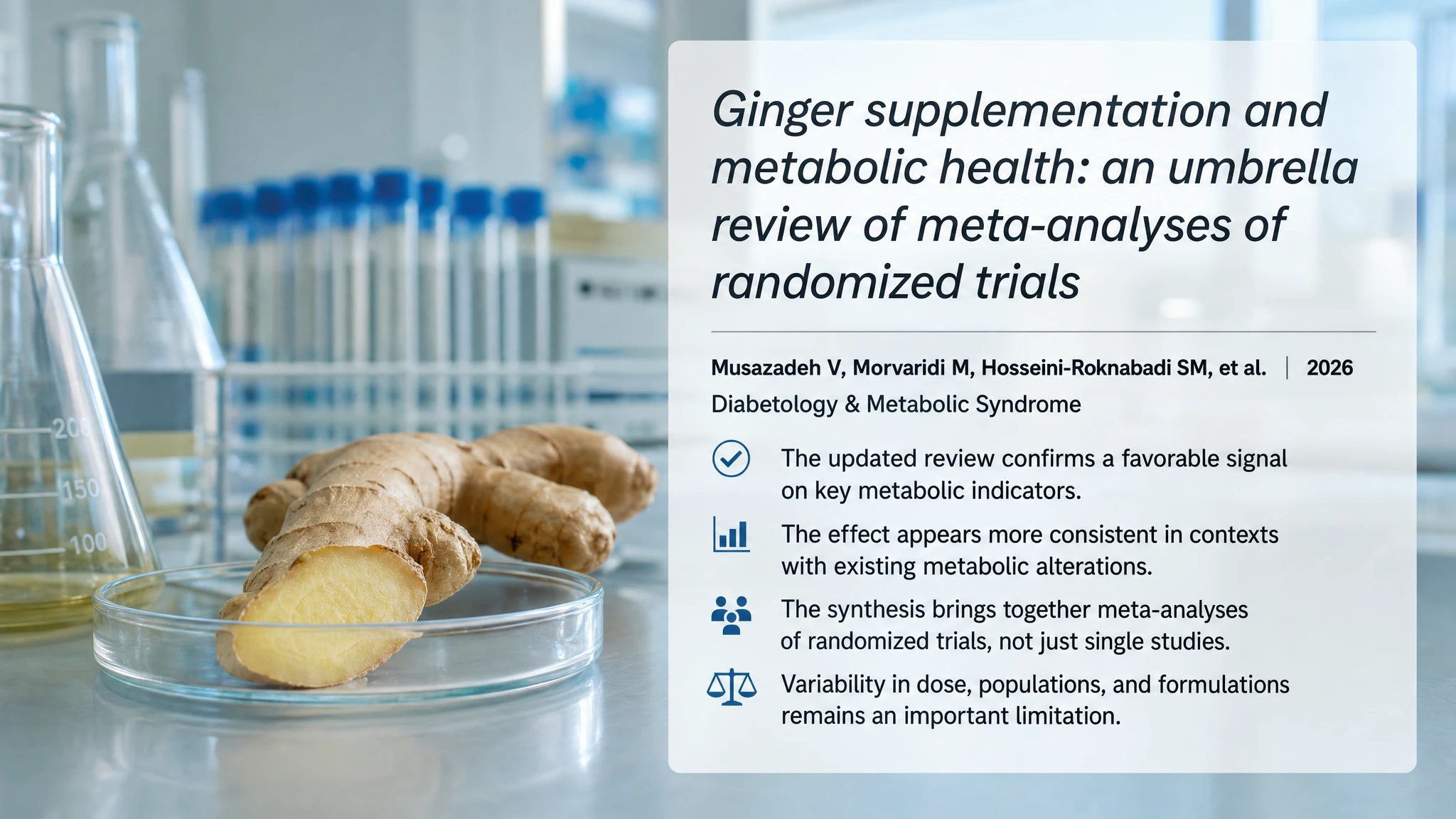
In 2026, an umbrella review synthesized meta-analyses of randomized trials on ginger and metabolic health. The study, led by Iranian author Musazadeh and colleagues, published in the journal Diabetology & Metabolic Syndrome, compiled results on glycemia, insulin, insulin resistance index, and other cardiometabolic indicators, confirming an overall favorable but not uniform signal.
Ginger supplementation and metabolic health: an umbrella review of meta-analyses of randomized trials
- The updated review confirms a favorable signal on the most studied metabolic indicators.
- The effect appears more consistent in contexts with pre-existing metabolic alterations.
- The synthesis brings together meta-analyses of randomized trials, not just isolated individual studies.
- Variability among doses, populations, and formulations remains a significant limitation.
Ginger and its uses for treated conditions
When discussing ginger's properties and benefits, the focus isn't solely on its potential digestive effects: the literature also shows signals related to inflammation, metabolism, and certain chronic conditions. Clinical data, however, remains heterogeneous and must be interpreted based on context, dose, and population. In this scenario, ginger continues to be an interesting nutritional support, not a substitute therapy.
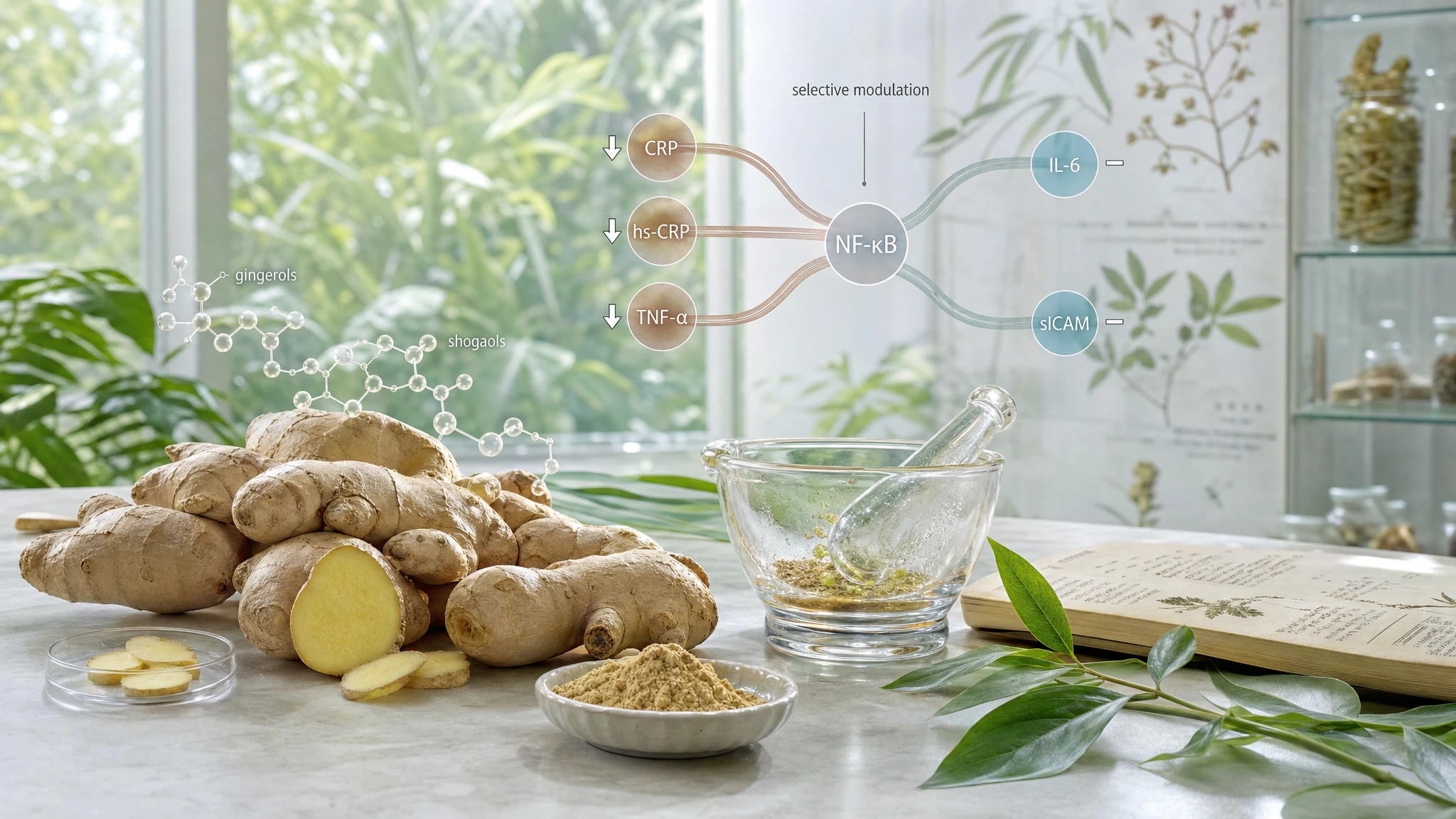
In the literature dedicated to inflammatory diseases and chronic conditions, ginger is described as a substance capable of interacting with transversal biological processes. This interest stems from its phytochemical composition, especially gingerols and shogaols, two bioactive compounds that can influence signaling pathways related to oxidative stress, immune response, and cellular metabolism. A review on inflammatory diseases highlighted the potential of ginger compounds in reducing pro-inflammatory signals and interfering with pathways involving NF-kB, a transcriptional platform that regulates the production of many cytokines [10]. In parallel, a meta-analysis on inflammatory markers showed, in available RCTs, a reduction in CRP, hs-CRP, and TNF-a, albeit without a significant effect on IL-6 and sICAM; this detail is important because it suggests selective modulation, not a generalized suppression of inflammation [3]. In a broader perspective, a 2021 review synthesized the numerous fields of interest of ginger bioactives, linking antioxidant, inflammatory, and metabolic activity [11].
A relevant chapter concerns cancer prevention. A specific review on ginger and its purified components described a chemopreventive rationale based on the modulation of inflammation, control of proliferation, and interference with the survival of transformed cells [12]. These actions are consistent with an effect on factors that promote tissue instability and neoplastic progression. A recent review on colorectal carcinoma also reiterated that ginger compounds, especially gingerols and shogaols, act on multiple steps of the tumor microenvironment and signaling pathways, but largely on a preclinical basis [13]. In this area, it is useful to avoid any overinterpretation: the fact that the same compound influences pathways involved in cell growth does not equate to proof of clinical antitumor efficacy in humans. For this reason, the correct message remains one of promising biological interest, not an alternative treatment. Caution is also essential because the oncological context requires hard endpoints, adequate follow-up, and comparison with established standards, elements that are currently lacking in most studies on ginger and carcinogenesis [13][12].
The intestinal dimension is equally important. A review dedicated to inflammatory bowel diseases described the possible role of ginger and its constituents in supporting the epithelial barrier and reducing certain inflammatory signals [14]. The intestinal barrier, in fact, is not just a mechanical filter: it regulates the passage of antigens, microbes, and mediators that can fuel systemic inflammation. In cellular models, 6-shogaol, a shogaol characterized by particularly studied biological activity, has shown the ability to prevent TNF-a-induced barrier loss by inhibiting PI3K/Akt and NF-kB [15]. This is interesting because it links the intestinal environment with intracellular pathways that regulate permeability, inflammation, and immune response. A coherent picture emerges: ginger appears biologically plausible in chronic conditions where persistent inflammation represents a central issue, but human evidence is not yet sufficient to generalize its use as a specific therapeutic intervention [13][12][10][14][15].
The overall picture must be read with precision. The evidence is more convincing when discussing inflammatory modulation and biochemical signals; it becomes weaker when direct clinical applications in oncology or intestinal pathologies are claimed. Precisely this distinction allows ginger to be used in correct scientific language, separating the rationale from the therapeutic claim. This leads to the natural connection with more specific intracellular mechanisms, where the relationship with mTOR, the protein complex that integrates growth signals and energy availability, becomes central [13][12][10][14]. An institutional interpretation must therefore value biological plausibility without transforming it into an indiscriminate clinical recommendation. In summary, ginger deserves attention as a nutritional adjuvant, especially in conditions where inflammation, oxidative stress, and barrier dysfunction contribute to pathophysiology [11][10][3].
Areas that deserve attention include:
- interaction with systemic and local inflammation;
- possible role in cancer prevention processes;
- connections with intestinal health and the gut microbiota, i.e., the community of microorganisms living in the intestine;
- applications in chronic metabolic diseases;
- prudent interpretation of available human data [13][12][10][14][3].
Further on, we will look at the main contexts in which ginger has been studied: cancer prevention, gut health, and metabolism. The key remains to separate the biological rationale from the clinical evidence already available.
Ginger and cancer prevention: what the research suggests
Ginger has been investigated in oncology primarily for its potential chemopreventive role, meaning its ability to help reduce the risk of cellular transformation before a tumor develops. From a biological perspective, this interest stems from the ability of its constituents to act on inflammation, oxidative stress, and cell survival, three processes involved in neoplastic transformation. A review of ginger and its purified components described potentially useful activities in reducing proliferation, inflammation, and pro-survival signals in transformed cells [12]. A review on colorectal carcinoma further highlighted that gingerols and shogaols act on signaling pathways involved in angiogenesis, apoptosis, and the tumor microenvironment [13]. In the context of prevention, the point is not to consider it an anti-cancer treatment, but a substance that could help make a biological environment predisposed to cellular transformation less favorable. The literature suggests particular interest for tissues exposed to persistent inflammation, but human data remains limited. For this reason, the topic should be interpreted with caution: the biological rationale exists, while clinical translation requires further confirmation. This is a relevant area for those seeking reliable information on ginger and cancer without overinterpreting the evidence. In practical terms, this means that any use can only make sense as part of an overall nutritional setup, never as a replacement for standard diagnostic or therapeutic pathways.
Ginger and intestinal inflammation: barriers, microbiota, and symptoms
In the intestinal tract, ginger is of interest for its possible interaction with inflammation, the epithelial barrier, and microbiota composition. This axis is crucial because many intestinal pathologies arise or are maintained through a loss of mucosal integrity, followed by immune activation and amplification of pro-inflammatory signals. A review dedicated to inflammatory bowel diseases described the potential of ginger and its components in supporting the barrier and modulating the mucosal immune response [14]. In a cellular model, 6-shogaol, a shogaol with well-documented biological activity, prevented TNF-α-induced barrier loss through the inhibition of PI3K/Akt and NF-kB [15]. This context is particularly important because many chronic pathologies share an intestinal component, not only digestive but also immunometabolic. Available data suggest that ginger compounds can favorably influence the intestinal environment, but the direction of the effect depends on the dose, formulation, and initial clinical state. It is therefore not a one-size-fits-all solution for intestinal disorders, but rather a nutritional option to be interpreted within the broader framework of pathophysiology. The clinical significance, at the moment, is mainly hypothetical and supportive: useful for generating hypotheses, not yet for defining standardized indications.
Ginger and its relationship with mTOR
Rather than "turning off" mTOR, ginger appears to selectively modulate this metabolic node, especially through its phenolic compounds, which are plant molecules characterized by one or more phenolic groups. The signal is interesting because it links ginger's properties and benefits to cell growth, autophagy, and stress response. The most convincing evidence remains preclinical, with 6-shogaol playing a central role [16][17].
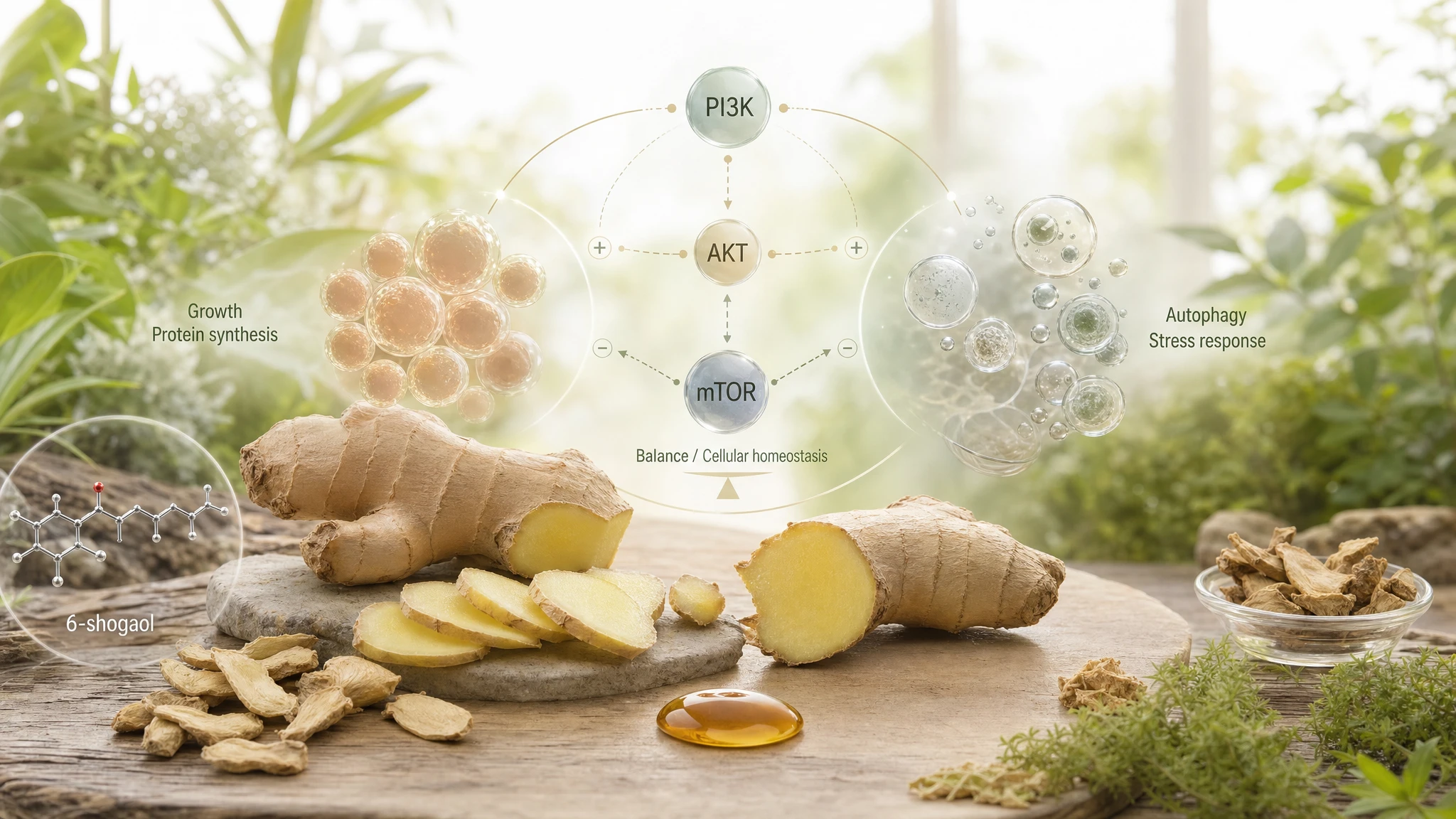
Among ginger's bioactive compounds, 6-shogaol is the compound most directly linked to the regulation of the PI3K/AKT/mTOR axis, an intracellular signaling cascade that controls cell growth, survival, and metabolism. In cervical cancer cell models, this metabolite has shown an antitumor effect, associated with a reduction in cell growth through the PI3K/Akt/mTOR pathway [16]. Another review, dedicated to the antitumor properties of 6-shogaol, summarized its role in modulating proliferation, apoptosis (i.e., programmed cell death), and survival signals, confirming that its interest stems from a multifactorial action rather than a single target [17]. In oral cancer, 6-shogaol also showed an anticancer effect associated with the suppression of the AKT signal, a kinase, i.e., an enzyme that transfers phosphate groups and transmits intracellular signals [18]. This convergence of data suggests that ginger may act on a shared regulatory network rather than a single molecular anomaly. Biologically, this data is relevant because many cancers and inflammatory conditions depend precisely on overly persistent survival signals.
The significance of mTOR, however, extends beyond oncology. mTORC1, i.e., mTOR protein complex 1, integrates nutrients and growth factors to promote protein synthesis and anabolism, which is the set of processes that build new cellular molecules; when this pathway is excessively active, the cell tends to remain in a state of growth and reduce the turnover of damaged components. In this context, the modulation of mTOR by ginger compounds is interpreted as a possible advantage in contexts of chronic inflammation, metabolic stress, and altered cellular quality [16][17]. The connection with autophagy, the system by which the cell degrades and recycles damaged internal components, is particularly important. When mTOR is inhibited, this process can become more active and promote homeostasis, i.e., the maintenance of internal balance. Ginger is, therefore, observed as a potential modulator of the balance between cellular growth and maintenance, a central balance in many chronic diseases [19][15].
Preclinical literature also suggests a possible interaction with AKT and PI3K, i.e., with the initial enzyme of the cascade, which amplifies the survival and growth signal. 6-shogaol reduced the PI3K/Akt signal in intestinal barrier models, helping to preserve epithelial integrity against TNF-a, a tumor necrosis factor involved in inflammation [15]. This data reinforces the idea that ginger does not act only on a single disease, but on a set of shared pathways that govern proliferation, inflammation, and stress response. The same logic is found in other ginger compounds, but 6-shogaol remains the clearest reference for understanding the relationship with mTOR [16][18][17][15]. In parallel, other research on ginger and its constituents shows effects on energetic and redox pathways, i.e., on oxidation-reduction balance systems, which can converge on the control of cell growth, making the overall picture coherent [19][20][21][22][23].
For the reader, the practical conclusion is simple: the relationship between ginger and mTOR is one of the most solid points in experimental literature, but it remains a biological rationale. Clinical translation in humans, especially outside oncology, is not demonstrated with the same strength. Hence the natural transition to energy regulation mechanisms, where AMPK, a kinase sensitive to cellular energy status, and mTOR are seen as two sides of the same metabolic balance [16][17][15]. In this scenario, clinical evidence on ginger in other domains, such as glycemia and inflammation, helps to understand why its profile is considered promising even when the final outcome does not directly concern mTOR [1][2][4][10][24][25].
Overall, the scientific message remains cautious but clear. 6-shogaol represents a credible bridge between phytochemistry and cell signaling biology. However, its ability to modulate PI3K/AKT/mTOR should not be confused with a therapeutic effect already validated in humans. At present, the most robust data is that ginger offers a coherent mechanistic rationale, useful for interpreting future studies and for connecting metabolism, inflammation, and cellular adaptation within a single pathophysiological framework [16][18][17][15].
The most relevant biological junctures to follow are these:
- activation or inhibition of the PI3K/AKT/mTOR pathway;
- effects on cell proliferation and survival;
- possible interference with autophagy and oxidative stress, i.e., the alteration due to an excess of reactive oxygen species;
- connections between mTOR, inflammation, and the tissue microenvironment;
- primarily preclinical value of available observations [16][18][17][19][15].
The first aspect to clarify is the impact of 6-shogaol on the regulation of the PI3K/Akt/mTOR pathway. Immediately after, the focus shifts to the link between mTOR, autophagy, and cellular stress, i.e., the conditions that determine the cell's ability to adapt.
Ginger and the PI3K/AKT/mTOR pathway: the role of 6-shogaol
6-shogaol is one of the most studied compounds in ginger in the context of the PI3K/AKT/mTOR pathway. In cervical carcinoma cell models, it has shown an anti-tumor effect, with suppression of the PI3K/Akt/mTOR signal and reduction of cell growth [16]. In oral carcinoma, it reduced AKT activity with anti-cancer consequences [18]. This does not mean that ginger "turns off" mTOR indiscriminately; rather, it suggests a selective modulation that depends on the biological context. The interest in this pathway stems from the fact that mTOR is a central node for growth, protein synthesis, and nutritional adaptation. For the reader, the key question is not just what the compound does, but also why this modulation is relevant in processes of chronic inflammation, altered metabolism, and cellular vulnerability. The broader literature on ginger indeed shows consistent effects on inflammatory and metabolic parameters, strengthening the hypothesis of a network action [2][4][26][10][9][24][25].
Ginger, autophagy, and cellular stress: why mTOR matters
mTOR is relevant not only for cell growth but also for the regulation of autophagy, the process by which cells recycle damaged components and maintain homeostasis. When mTOR remains excessively active, autophagy tends to be inhibited; when the signal is modulated, the cell can regain some of its adaptive capacity. In the case of ginger, some compounds seem to promote a more favorable balance between anabolic signals and intracellular cleaning mechanisms. 6-shogaol has also shown the ability to preserve the intestinal barrier, reducing TNF-a-induced loss of integrity through PI3K/Akt and NF-kB, a transcription factor that regulates the expression of genes involved in inflammation [15]. This topic is important because it connects metabolism with oxidative stress and the functional quality of tissues. However, it should not be read as a guarantee of clinical effect: it is primarily an interpretive axis useful for understanding why ginger is studied in various chronic conditions. The experimental framework fits well with observations on diabetes, inflammation, and redox status, including those with 3 g/d for 3 months in 41 T2DM patients, 22 ginger and 19 placebo, with reductions in glycemia, HbA1c, insulin, and HOMA-IR vs placebo [1], and those with 3 g/d for 3 months in adults with T2DM, with improvements in glycemia, HbA1c, insulin, insulin resistance, hs-CRP, PON-1, TAC, and MDA [2].
Ginger, AMPK, and the energetic rebalancing of mTOR
From a metabolic perspective, the benefits of ginger can also be seen as a possible rebalancing between energy consumption signals and cell growth signals. In this context, AMPK, which is adenosine monophosphate-activated protein kinase that functions as an energy sensor, acts as a regulator of energy availability, while mTOR, the mechanistic target of rapamycin that integrates nutrient availability and anabolism, coordinates the cell's constructive drive. Some compounds in ginger seem to act precisely on this axis, with implications for muscle, liver, and glucose metabolism.
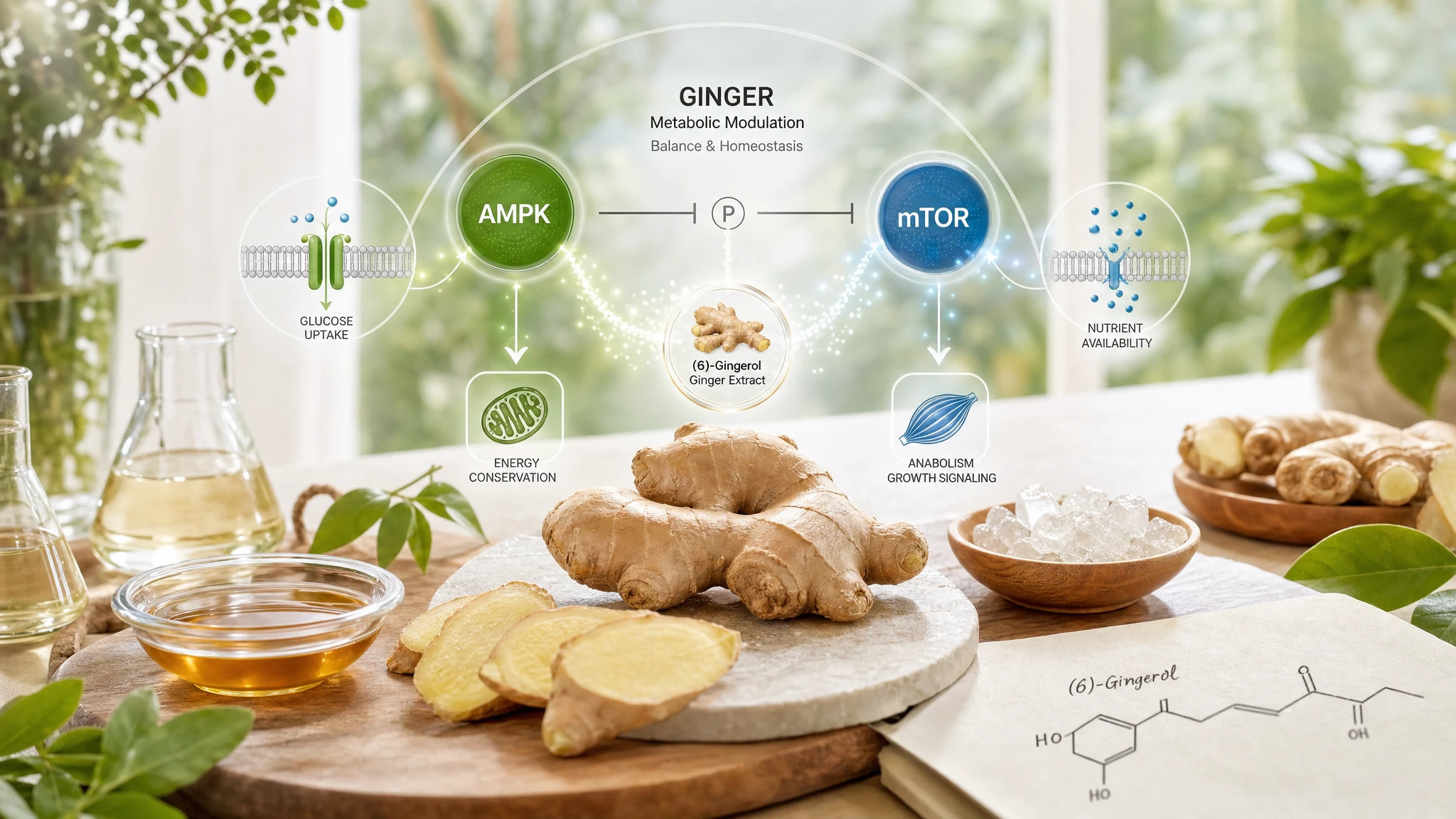
One of the most interesting aspects emerges from studies on 6-gingerol in skeletal muscle cells [11]. In cellular models, this compound increased AMPKa2 phosphorylation, i.e., the addition of a phosphate group that reflects its functional activation, leading to an increase in cellular glucose uptake [19]. In another study on C2C12 cells, a ginger extract increased GLUT4 expression, the glucose transporter, mainly through AMPK rather than PI3K, phosphatidylinositol 3-kinase involved in insulin signal transduction [27]. These observations are important because they show a mechanism consistent with increased glucose uptake in muscle, a crucial tissue for glycemic control [19,27]. From a pathophysiological point of view, skeletal muscle is indeed the main peripheral site of glucose utilization after meals, and its insulin resistance is one of the cornerstones of type 2 diabetes. When AMPK is activated, the cell interprets a condition of limited energy availability and responds by promoting the entry of substrates and optimizing their use. Ginger therefore seems to act on a regulatory node that connects energy signal, glucose transport, and insulin sensitivity, with a biological plausibility that goes beyond the symptomatic effect.
The connection with lipid metabolism is equally solid on an experimental level. In rats fed a high-fat diet, 6-gingerol attenuated the AMPK-NF-kB axis, i.e., the circuit that relates the energy sensor to nuclear factor kappa B, reducing inflammatory signals and improving the metabolic profile [21]. In a murine model of hepatic steatosis, i.e., fat accumulation in the liver, 6-gingerol reduced lipid accumulation, inflammation, and oxidative stress through the activation of LKB1/AMPK, a pathway that connects an upstream kinase to cellular energy regulation [23]. Even more specifically, a mix of phenolic compounds from ginger improved mitochondrial function, activated AMPK, and reduced lipid accumulation in adipocytes, cells specialized in fat storage [22]. These results are biologically convergent: when AMPK is activated, the cell tends to reduce lipid anabolism and improve energy efficiency, with favorable effects on the liver, muscle, and adipose tissue [21,22,23]. In other words, the axis does not only act on glucose, but on the entire balance between energy deposition and consumption. This is particularly relevant in metabolic syndrome, where low-grade inflammation, steatosis, and insulin resistance reinforce each other.
The transition from AMPK to mTOR thus becomes readable as an energy rebalancing. AMPK can inhibit mTORC1, the mTOR complex that promotes cell growth, through intermediate steps involving the control of energy availability and the activation of upstream regulatory nodes. In functional terms, this favors processes such as autophagy, i.e., the intracellular recycling of damaged components, less oxidative stress, and better management of energy substrates. This scheme is also well illustrated by studies on other natural compounds that modulate AMPK and mTOR in muscle or liver cells [28,29,30,31]. The interest of ginger lies in the fact that its components seem to fit into the same biological architecture, with a consistency that spans multiple experimental models [19,21,22,23]. Clinically, less pressure on mTOR can be useful when nutritional excess constantly keeps anabolic and pro-inflammatory pathways active. For this reason, the most correct interpretation is not that of an "anti-growth" effect, but of a rebalancing of the relationship between energy availability, cellular repair, and nutrient utilization.
The conceptual core is therefore clear: ginger is not simply a "hypoglycemic" substance, but a modulator of broader energy networks. AMPK activation helps explain why the results observed in some human studies are accompanied by improvements in glycemia, insulin sensitivity, and lipid profile. However, the distance between preclinical and clinical remains real, and precisely for this reason, the picture should be read as a strong biological rationale, not as definitive proof of metabolic efficacy in humans [19,21,22,23,27]. In institutional practice, this means valuing the mechanism without overestimating the transferability of experimental data. When diet, weight control, physical activity, and therapy are integrated, the possible modulation of AMPK by ginger can represent a complementary, not substitute, piece in metabolic risk management.
To read this axis in an orderly manner, it is advisable to follow three levels: the first concerns the energy stress signal that activates AMPK; the second includes the regulation of mTOR and autophagy processes; the third is observed in target tissues, especially muscle, liver, and adipocytes. From this perspective, the bioactive profile of ginger appears consistent with its discussion in the literature on glycemia, lipids, and inflammation [19,21,22,23,27].
- AMPK activation as an energy stress signal;
- effects on mTOR, autophagy, and glucose utilization;
- impact on muscle, liver, and adipose tissue;
- connection with clinical biomarkers observed in trials [19,21,22,23,27].
The next step is to understand how individual ginger compounds fit into AMPK pathways in muscle and liver. From here, it becomes clear why the energy axis has such significant effects on glucose, lipids, and growth signaling.
[11]-gingerol and AMPK activation in muscle cells
[11]-gingerol is one of the most studied compounds to explain the link between ginger and AMPK. In muscle cell models, it increased AMPKa2 phosphorylation, with a favorable effect on glucose uptake [19]. In C2C12 cells, a ginger extract increased GLUT4 expression preferentially through AMPK rather than PI3K [27]. This data is important because it suggests a modulation of the energy sensor, not just a generic improvement in glycemia. In skeletal muscle, where a significant portion of post-prandial glucose uptake occurs, the AMPK signal represents a plausible mechanism to explain part of the metabolic benefits observed with ginger. The point is not to attribute a unique and definitive pharmacological effect to [11]-gingerol, but to recognize that it can fit into an adaptation network that promotes glucose entry into cells when energy is required. This makes the compound a biologically coherent candidate for further studies on ginger and metabolism. Furthermore, its action integrates with the physiology of exercise and fasting, two conditions in which AMPK naturally becomes more active and prompts the muscle to better use available substrates. In this sense, ginger seems to interact with the same adaptive axes that the body uses to cope with energy deficit.
Ginger, AMPK, and lipid metabolism in the liver
The liver is one of the tissues where the AMPK axis is particularly relevant, as it coordinates the synthesis, oxidation, and storage of lipids. In models of high-fat diet, 6-gingerol improved the inflammatory and metabolic profile through AMPK and NF-kB [21]. In a model of hepatic steatosis, 6-gingerol attenuated lipid accumulation, inflammation, and oxidative stress by activating LKB1/AMPK [23]. This interpretation is particularly useful when discussing chronic caloric excess and fat accumulation in the liver, because AMPK tends to shift the balance towards increased substrate oxidation and reduced anabolic drive. Ginger, in this context, should not be understood as a therapy for steatosis, but as a source of compounds that can modulate key cellular pathways in the control of lipid metabolism. The signal is consistent with a growing interest in the effects of ginger and mTOR on energy management in metabolically exposed tissues. In the cited models, the reduction of inflammation is a decisive aspect, because hepatic inflammation amplifies insulin resistance and promotes the progressive worsening of NAFLD. For this reason, the potential interest of ginger is not limited to triglyceride deposition, but concerns the entire metabolic environment of the liver.
Ginger and mitochondrial function: energy, adipocytes, and metabolic flexibility
Another central aspect of the relationship between ginger and AMPK concerns mitochondrial function. In an experimental study, a mix of phenolic compounds from ginger improved mitochondrial function, activated AMPK, and reduced lipid accumulation in adipocytes [22]. In adipose tissues, this is relevant because improved mitochondrial efficiency promotes more orderly nutrient management and limits the tendency for excessive storage. In various models, AMPK activation is accompanied by greater metabolic flexibility, meaning the cell's ability to switch between fat oxidation and glucose utilization based on energy availability. Ginger is therefore observed as a modulator of a broader bioenergetic balance, not merely as a hypoglycemic agent. This helps explain why its profile is also being studied in relation to insulin resistance, metabolic syndrome, and lipid metabolism disorders. The biological message is that the quality of energy matters as much as its quantity. When mitochondria function better, the cell more easily tolerates excess nutrients and reduces the production of signals that support oxidative stress and chronic inflammation. In this context, ginger's potential is to promote more efficient and less disordered bioenergetics, compatible with a more stable metabolic state.
Ginger and the improvement of insulin resistance
Clinically, ginger is particularly relevant when the tissue response to insulin, the hormone that regulates glucose entry into cells, is already compromised. In trials on type 2 diabetes and metabolic syndrome, supplementation has shown favorable signs on glycemia, circulating insulin, and HOMA-IR, which is the index that estimates insulin resistance based on fasting glycemia and insulinemia, with consistent effects also on inflammation and oxidative stress [1][2][5]. For this reason, ginger is being studied as a metabolic support, not as an alternative to standard therapies.
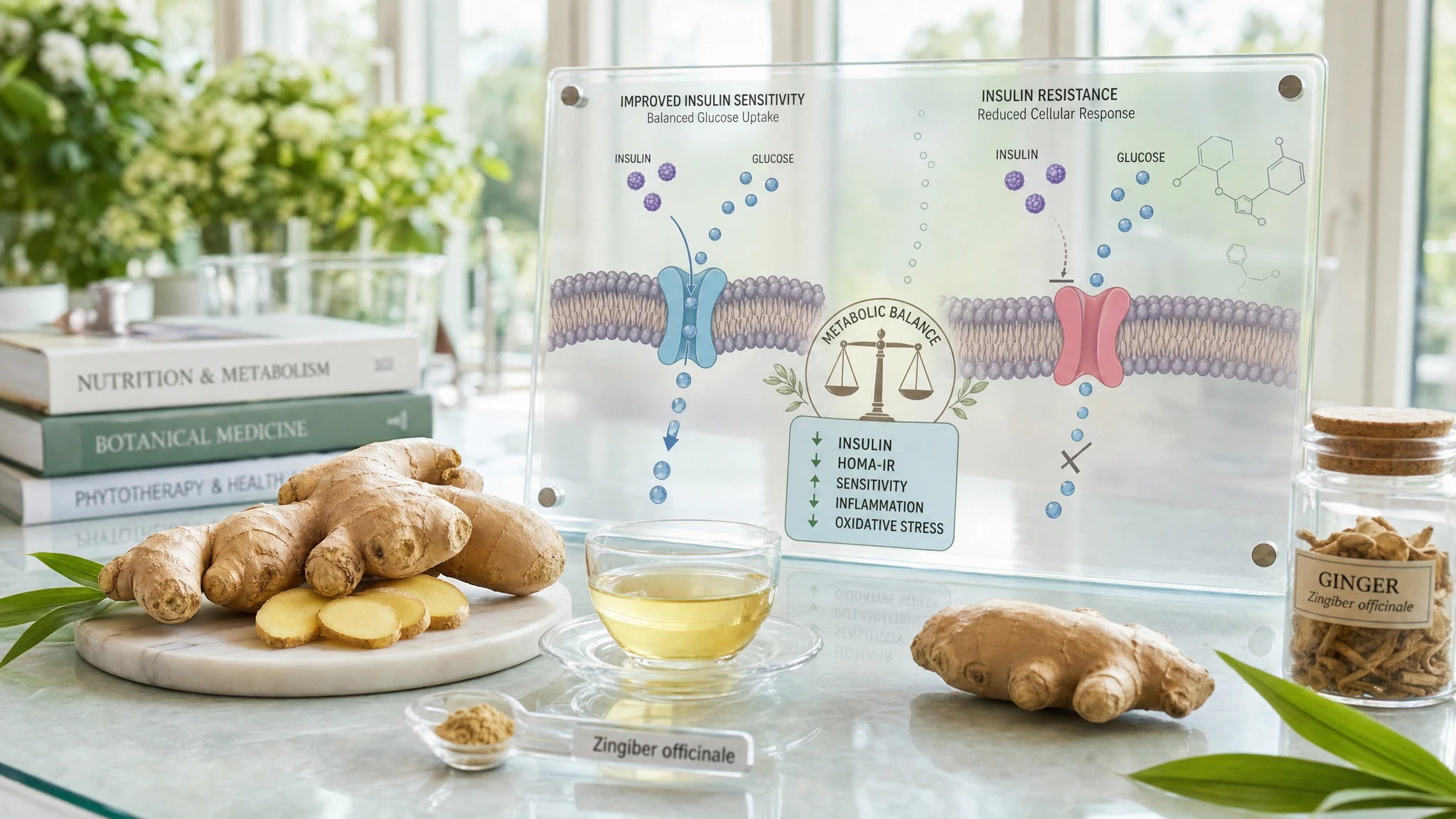
In clinical trials, ginger has been primarily evaluated for its potential impact on insulin sensitivity, meaning the ability of tissues to respond effectively to insulin. In this context, it's important to remember that insulin resistance is not just a laboratory number, but a defect in the response of peripheral tissues to the insulin signal. When muscle, liver, and adipose tissue respond less effectively, the pancreas compensates with hyperinsulinemia, i.e., an increase in circulating insulin, while glycemia tends to rise and metabolic risk increases. In some studies on subjects with metabolic alterations, supplementation reduced circulating insulin and HOMA-IR, the index that estimates insulin resistance based on fasting glycemia and insulinemia [1][2]. In the type 2 diabetes study, 3g per day for 3 months led to a significant drop in glycemia, HbA1c (glycated hemoglobin, which reflects the average glycemia over the preceding months), and insulin resistance, while the subsequent trial also observed an improvement in the oxidative profile [1][2]. These results are relevant because they indicate a possible effect on multiple levels of the pathology, not just on surface glycemia. Ginger is therefore observed as a metabolic adjuvant, not as a substitute for therapy, and its usefulness depends primarily on the clinical context in which it is used.
The consistency of the signal emerges more clearly in cases of metabolic syndrome and obesity, two conditions in which insulin resistance is often accompanied by chronic low-grade inflammation, i.e., a persistent but mild activation of inflammatory processes. In a randomized study on subjects with metabolic syndrome, 3g per day for 8 weeks improved several anthropometric parameters (body measurements like weight and circumference) and metabolic parameters, including fasting glycemia [5]. In obese patients with newly diagnosed T2DM, ginger supplementation improved glycemic control and the lipid profile, meaning the distribution of circulating fats [6]. A meta-analysis, a quantitative synthesis of multiple studies, on overweight or obese subjects found overall improvements in metabolic profiles, albeit with variable intensity [7]. The pathophysiological interpretation remains consistent: when chronic hyperinsulinemia fuels inflammation and oxidative stress, a nutritional modulator that acts on multiple levels can help break part of the vicious cycle [7][32][9]. In this sense, the effect should not be interpreted as a simple "sugar lowering," but as a possible attenuation of a biological environment that hinders insulin action.
A further important element concerns the inflammatory and redox component, a term indicating the balance between oxidizing processes and antioxidant defenses. In one of the trials on type 2 diabetes, in addition to glycemia, HbA1c, insulin, and HOMA-IR, hs-CRP (high-sensitivity C-reactive protein, which signals systemic inflammation), PON-1 (an enzyme associated with lipoprotein protection), TAC (total antioxidant capacity), and MDA (a marker of lipid peroxidation) improved [2]. This data is important because insulin resistance is closely intertwined with the activation of pro-inflammatory pathways and the accumulation of reactive oxygen species, oxidizing molecules produced during metabolism. In this scenario, the reduction of hs-CRP signals a lower systemic inflammatory response, while the increase in PON-1 and TAC suggests a strengthening of antioxidant defenses. Finally, the decrease in MDA indicates a containment of lipid peroxidation, one of the main markers of oxidative membrane damage [2][4][11]. For this reason, the clinical data are compatible with a broader biological action, which also involves the cellular microenvironment in which insulin resistance develops. Available reviews indeed emphasize that ginger's action is not limited to carbohydrate metabolism but affects inflammation, oxidative homeostasis, and energy signals [4][11][9].
Another area of interest is non-alcoholic fatty liver disease (NAFLD), which is the accumulation of fat in the liver not caused by alcohol. In a randomized, double-blind, placebo-controlled clinical study on patients with T2DM and NAFLD, ginger intervention improved metabolic parameters and the picture of fatty liver disease [32]. This result is particularly interesting because it links the metabolic benefit to hepatic pathophysiology, where insulin resistance promotes lipid accumulation, lipotoxicity (toxicity due to excess fats), and oxidative stress. In the insulin-resistant liver, fatty acid uptake and oxidation become inefficient, while lipid synthesis can remain inappropriately active. In such a context, a nutritional intervention capable of reducing oxidative load and improving energy signaling can have a concrete clinical impact. The summary evidence is reinforced by a meta-analysis that examined the effects of ginger on T2DM and components of metabolic syndrome, reporting a favorable but not uniform signal across all endpoints [9]. This aspect calls for interpretive caution but does not weaken the rationale; rather, it defines a realistic scope of use, where the benefit is more plausible in subjects with already manifest metabolic dysfunction.
The central point, therefore, is that ginger seems to work better when the initial problem is already present. In these cases, its action on the inflammatory network (the set of biological pathways involved in inflammation), oxidative stress, and energy signals can translate into a measurable improvement in parameters such as HOMA-IR, insulin, and glycemia. Biological plausibility is also supported by experimental studies showing involvement of AMPK (a kinase that regulates cellular energy balance), mTOR (a regulator of growth and metabolism), and pathways related to carbohydrate and lipid metabolism [19][20][21][22][23]. This does not eliminate the limitations of the literature but helps to place the compound in its correct space: a nutritional adjuvant with a biological rationale, especially in metabolic disorders [1][2][4][11][5][6][7][32][9].
The following points delve into the most relevant clinical data and the contexts in which the signal appears strongest. The goal is to understand when the improvement in insulin resistance is truly observable and when it remains only a biological hypothesis.
The following points delve into the most relevant clinical data and the contexts in which the signal appears strongest. The goal is to understand when an improvement in insulin resistance is truly observable and when it remains merely a biological hypothesis.
Ginger and insulin sensitivity: what human studies show
In clinical trials, ginger has been primarily evaluated for its potential impact on insulin sensitivity, meaning the ability of tissues to respond effectively to insulin. In two randomized studies on patients with T2DM, 3g per day for 3 months reduced circulating insulin and HOMA-IR, along with glycemia and HbA1c [1][2]. In one of these studies, hs-CRP, PON-1, TAC, and MDA also improved, which are indicators of inflammation, antioxidant defense, and oxidative damage [2]. This profile is important because insulin resistance does not only depend on glucose but also on the inflammatory context in which the insulin signal is transmitted. At the cellular level, the most consistent hypothesis is that ginger's phenolic compounds, bioactive molecules of plant origin, influence metabolic regulatory nodes and reduce the interference exerted by cytokines and free radicals on the insulin cascade [11][19][20][21][22]. Ginger is therefore observed as a metabolic adjuvant, not as a substitute for therapy. The reader will find here the starting point to understand when the clinical signal is consistent and when it remains preliminary, especially in subjects with already documented metabolic alterations [1][2].
Ginger in pregnancy: insulin resistance and gestational diabetes
During pregnancy, glucose physiology changes, and insulin sensitivity tends to decrease, increasing the risk of gestational diabetes in predisposed individuals. In a randomized, double-blind, placebo-controlled study, women with GDM and impaired GTT, meaning gestational diabetes and an altered oral glucose tolerance test, received ginger, with favorable effects on glycemia [33]. This data should be interpreted with caution: pregnancy is a specific clinical condition, with its own nutritional needs and safety limits, so the result does not automatically transfer to other populations [34][35]. However, it remains interesting because it shows that the potential effect on glucose metabolism can emerge even in a context where insulin resistance is partly physiological but can become clinically relevant. In pathophysiological terms, this means that nutritional support could attenuate metabolic pressure on a system already exposed to increased insulin demand, without altering the basic picture of gestation. For this reason, the topic is often discussed together with the compatibility of ginger with metabolic control during delicate life stages [33].
Ginger, Glycemia, and Carbohydrate Metabolism
When evaluating ginger for glycemia, the point is not to promise "miraculous" effects, but to understand which steps in carbohydrate regulation it can truly influence. In trials on people with type 2 diabetes, 3g per day for 3 months showed an improvement in glycemia, HbA1c (glycated hemoglobin), and insulin compared to placebo [1][2]. This signal is also interesting because it connects to cellular pathways, i.e., biochemical pathways, that manage glucose utilization.
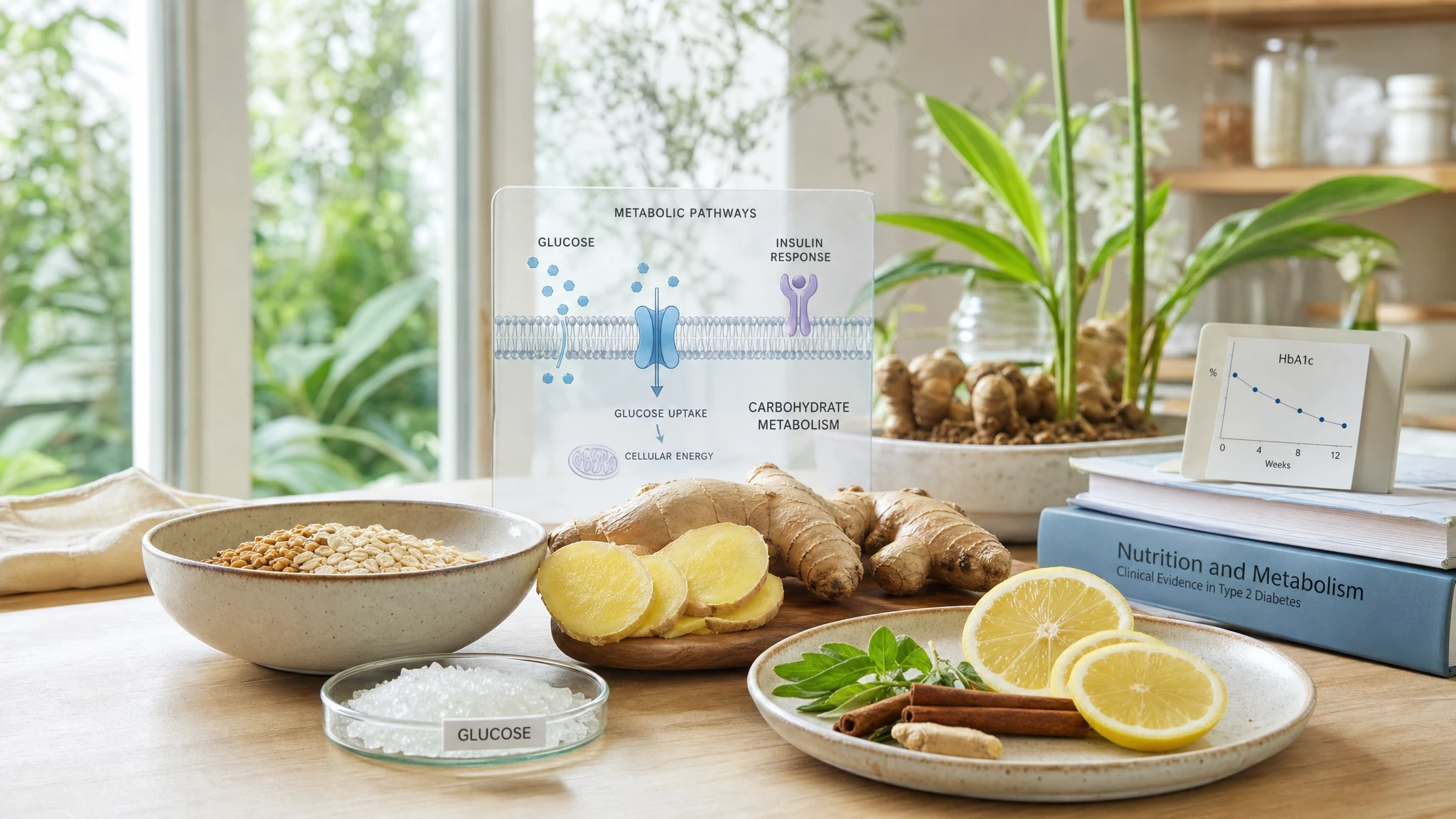
The question of ginger and fasting glycemia is among the most frequent, because it addresses a very concrete need: to understand whether a spice can contribute to blood sugar control. In trials on T2DM, i.e., type 2 diabetes mellitus, supplementation with 3 g per day for 3 months significantly reduced serum glycemia, with a decrease of 19.41 ± 18.83 mg/dL in the study by Mozaffari-Khosravi and a similar improvement in the study by Arablou [1][2]. In both cases, the signal does not concern a single parameter, but a constellation of metabolic indices that move together. The same literature reports improvements in HbA1c, insulin, and insulin resistance, i.e., the reduced ability of tissues to respond to insulin, with consistent effects also on hs-CRP, high-sensitivity C-reactive protein, PON-1, paraoxonase 1, TAC, total antioxidant capacity, and MDA, malondialdehyde, in Arablou's study [2]. This is important because it suggests an action that spans glycemic control, oxidative stress, and low-grade inflammation. The 2018 meta-analysis on T2DM and components of metabolic syndrome confirmed a favorable signal on glycemia, while noting the heterogeneity of the protocols [9]. It is therefore more correct to speak of metabolic support than autonomous therapy. Ginger does not replace diet, physical activity, and medications, but can support standard strategies when the goal is to improve the quality of glycemic control.
Post-prandial metabolism is crucial because it coincides with the moment when the body must manage the intake of nutrients after a meal. In this context, a randomized study in 24 non-diabetic adults tested 100 mL of aqueous ginger extract containing 0.2 g/100 mL and observed a significant reduction in the incremental area under the curve, i.e., iAUC, of glucose and the maximum post-prandial concentration [8]. This data is relevant because it shows that the effect is not limited to fasting glycemia, but can affect the dynamics with which glucose is managed after ingestion. From a pathophysiological point of view, post-prandial peaks are closely linked to cardiometabolic risk, especially when associated with hyperinsulinemia and inefficient peripheral clearance, i.e., a slowed removal of glucose from the blood by tissues. A slight but repeatable modulation of these peaks can have clinical value, particularly in subjects with prediabetes, obesity, or early type 2 diabetes. The correct interpretation requires precision: it is not a "block" of absorption, but a possible modulation of the overall metabolic response, probably mediated by combined effects on insulin secretion, tissue sensitivity, and hepatic glucose management.
In physiological terms, all this is linked to peripheral glucose uptake and the function of cellular transporters, particularly GLUT4, the main glucose transporter in muscle cells in response to insulin and energy pathways [36][37][38]. Skeletal muscle is the main tissue responsible for glucose clearance after a meal; when GLUT4 is correctly translocated to the membrane, glycemia tends to be better managed [37][39][40]. In experimental models, ginger compounds seem to favor this dynamic through AMPK, adenosine monophosphate kinase, and AS160, a regulatory protein of GLUT4 trafficking [19][41][42][27]. This step is central: AMPK functions as an energy sensor and, when activated, directs the cell towards a more efficient use of glucose and energy substrates. In parallel, the regulation of AS160 facilitates GLUT4 translocation and makes the muscle's response to insulin more prompt. It is therefore not a single target, but a network of signals that integrates metabolism, energy availability, and response to oxidative stress. This is where ginger fits in a biologically plausible way, especially in contexts where insulin resistance alters the normal distribution of glucose between the liver, muscle, and adipose tissue.
Overall, therefore, the literature suggests that ginger can contribute to better carbohydrate regulation both fasting and after meals. The picture remains more convincing in subjects with initial metabolic alterations, but the biological rationale also extends to the physiology of glucose uptake. This helps to correctly interpret the results: the benefit is neither universal nor the same for everyone, but emerges with greater consistency when the metabolic system is already under stress. Hence the natural transition to daily use and practical consumption methods, which help translate data into realistic eating behavior [1][2][9][19][41][27][8].
The most frequent questions focus on:
- control of fasting and post-prandial glycemia;
- role in glucose transport and utilization;
- differences between food and supplemental use;
- interest in subjects with metabolic alterations;
- interpretation of glycemic peaks after meals [1][2][9][8].
The most common clinical question concerns fasting glycemia, but glucose behavior is not measured by a single value alone. After meals, post-prandial response and the cellular mechanisms that control carbohydrate utilization come into play.
Ginger and fasting glycemia: real benefits or excessive expectations?
The question about ginger and fasting glycemia is among the most frequent, because it addresses a practical need: to understand if a spice can contribute to blood sugar control. In trials on T2DM, i.e., type 2 diabetes mellitus, 3 g per day for 3 months reduced serum glycemia by 19.41 ± 18.83 mg/dL in Mozaffari-Khosravi's randomized study and confirmed a similar effect in Arablou's trial [1][2]. In parallel, the same studies reported improvements in HbA1c, insulin, and insulin resistance, i.e., the reduced ability of tissues to respond to insulin, while Arablou also observed reductions in hs-CRP, high-sensitivity C-reactive protein, and MDA, malondialdehyde, with an increase in PON-1, paraoxonase 1, and TAC, total antioxidant capacity [2]. This profile is consistent with an intervention that acts not only on circulating glucose but also on the oxidative stress and inflammation that accompany type 2 diabetes. The 2018 meta-analysis found a favorable signal on glycemia, albeit within a heterogeneous framework [9]. It is important to avoid simplistic conclusions: ginger can be interesting as a support, but it does not replace diet, physical activity, and therapy. This distinction is also fundamental from an editorial point of view, because it allows us to answer the research without overlapping it with the parts dedicated to insulin resistance or type 2 diabetes. The best angle is that of physiology: how ginger fits into the metabolic management of glucose, especially when glycemic control is already compromised.
Ginger and post-prandial metabolism: what happens after meals
Post-meal metabolism is crucial because it represents the moment when the body must manage nutrient intake after a meal. In this context, ginger is being studied for its possible effect on glycemic response and glucose management in tissues. A randomized study in 24 non-diabetic adults used 100 mL of aqueous ginger extract at 0.2 g/100 mL and observed a significant reduction in iAUC, i.e., the incremental area under the curve, of glucose and maximum concentration after the meal [8]. There is high interest, especially for those seeking simple dietary strategies to reduce spikes. From a physiological point of view, these spikes depend on the speed of intestinal absorption, insulin secretion, and the ability of peripheral tissues to take up glucose. When one of these steps is inefficient, post-meal glycemia tends to remain elevated longer, increasing the overall metabolic load. Ginger seems to act as a modulator, without canceling the physiological response, but potentially making it more orderly. However, the correct interpretation requires precision: it is not about "blocking" absorption, but about a possible modulation of the overall metabolic response. The topic is also useful for distinguishing the traditional use of the spice from the available scientific evidence, which is often more cautious than common expectations.
Ginger in practice: dose, forms, and culinary use
To use ginger realistically, and thus to enhance its properties and benefits, the chosen form and the quantity used are most important, not the idea of a "miraculous" effect. In daily practice, fresh ginger, powder, capsules, and extracts are not equivalent: concentration, ease of use, and consistency with the dietary goal vary. Even when talking about ginger for glycemia and ginger and metabolism, the point remains to translate clinical data into sustainable use.

Fresh ginger and powdered ginger are not practically equivalent, as they differ in format, concentration, and usage. In clinical trials, i.e., experimental studies conducted on humans, the most common form used has been powder in capsules, often at a dose of 3 g per day for 8-12 weeks or 3 months, as in studies on diabetes, metabolic syndrome, and obesity [1][2][5][6][9]. This choice is not random, because powder allows for better standardization, which is useful when comparing the effect of gingerols and shogaols on glycemia, inflammation, and metabolism. Gingerols and shogaols are bioactive compounds, meaning substances naturally present in ginger and responsible for some of its biological activities. In a food context, however, the chosen form depends mainly on aroma, ease of use, and tolerability. Fresh ginger is more versatile in cooking, while powder is simpler to dose. The most useful aspect is to understand that the selected form must be consistent with the dietary goal, tolerability, and ease of adherence over time. This also applies when seeking use oriented towards metabolic support, because the effect depends on continuity, not on a single use.
The dose is a crucial point, because what has been studied clinically does not always coincide with spontaneous consumption in the diet. In trials, the quantity of 3 g per day has repeatedly emerged as an operational reference [1][2][5][6]. In patients with type 2 diabetes, for example, 3 g/d for 3 months led to reductions in glycemia, HbA1c, insulin, and HOMA-IR compared to placebo in 41 patients, 22 in the ginger group and 19 in the placebo group [1]. HbA1c, or glycated hemoglobin, reflects the average trend of glycemia in the preceding weeks. HOMA-IR is an index of insulin resistance, thus estimating how difficult the body responds to insulin. Another study, also with 3 g/d for 3 months in adults with T2DM, observed improvements in glycemia, HbA1c, insulin, insulin resistance, hs-CRP, PON-1, TAC, and MDA [2]. Hs-CRP is high-sensitivity C-reactive protein, an indicator of systemic inflammation. PON-1, or paraoxonase-1, is an enzyme associated with protection from oxidative stress. TAC, or total antioxidant capacity, indicates the overall potential for defense against free radicals. MDA, or malondialdehyde, is a marker of lipid peroxidation, thus signaling oxidative damage to lipids. These data suggest a clinical interest especially for metabolic and oxidative control, but do not define a universal dose. For daily use, there is no single threshold, because culinary habits, individual sensitivity, and dietary context vary greatly. The key message is that continuity of use, if desired, matters more than occasional intensity, especially when it comes to daily nutrition. In other words, moderate and regular use is more realistic than sporadic and concentrated use. In prevention pathways, this aspect is also important so as not to overload the diet with expectations disproportionate to the available data.
The distinction between food use and supplementary use also remains important. Ginger in cooking provides a different and less standardized quantity of bioactive compounds compared to capsules or extracts, so it should not be equated with clinical protocols. This does not mean it is useless, but that it should be read as part of a broader dietary pattern, i.e., a coherent set of food choices. The same applies to beverages or infusions: they can be practical and well-accepted, but they do not replace controlled studies. Clinical literature and reviews suggest that effects on metabolism, lipids, and inflammation emerge more clearly when the product is well-characterized and taken regularly [4][11][24]. For those seeking practical guidance, the best criterion is consistency with one's personal diet, not the search for an immediate effect [1][2][5][6][8]. In this sense, the dietary use of ginger should be interpreted as realistic support, not as an isolated intervention. The more consumption is part of an overall balanced diet, the more plausible it is that it integrates with the benefits observed in trials on glycemic control, oxidative stress, and systemic inflammation.
In summary, the most correct way to use ginger in your routine is to choose the most manageable form, maintain a reasonable quantity, and not attribute properties to it that are independent of lifestyle. The link to safety is immediate: the more concentrated the form, the greater the need to evaluate tolerability and individual context [1][2][5][6]. This caution is particularly relevant in pregnancy, where institutional recommendations consider ginger as a possible option for nausea, but always within an appropriate clinical framework [34][35]. Even outside of pregnancy, the logic remains the same: simple use, reasonable dose, clear objective, and attention to personal response. This way, ginger becomes a plausible functional food, not a therapeutic shortcut.
To organize daily use correctly, consider:
- food forms and differences in use;
- indicative quantities and frequency of consumption;
- common errors in home preparation;
- compatibility with habits and nutritional goals;
- difference between culinary use and clinical studies [1][2][5][6][8].
The two practical questions are simple: which form to use and in what quantity. The following two H3s translate these aspects into daily choices and usage closer to clinical data.
Fresh or powdered ginger: practical and nutritional differences
Between fresh ginger and powdered ginger, the most important real-world difference is their use. Fresh ginger is well-suited for infusions, savory dishes, sauces, and quick preparations; powder, on the other hand, is more convenient when a repeatable measure is needed and when one wants to get closer to the dosages studied in clinical interventions. Stability also changes: drying and processing alter the profile of pungent compounds, such as gingerols and shogaols, and thus the perceived intensity. This has concrete implications, because bioavailability, i.e., the amount of substance that actually enters circulation, and consistency of intake also depend on the food matrix and how the product is stored. For the reader, this means one simple thing: there is no universally better form, but there is a form more suitable for the purpose. If the goal is daily food use, the main criterion remains practicality; if the goal is to compare with experimental data, the powdered or standardized form is closer to study protocols [43][44]. From this perspective, powder facilitates the repetition of the nutritional gesture, while fresh ginger offers greater culinary flexibility. Both options can make sense, as long as they are consistently integrated into the dietary context and without overestimating the extent of the effect.
How to use ginger in your daily diet without overdoing it
Incorporating ginger into the daily diet is particularly useful when its presence is consistent and integrated into the dietary pattern, not occasional and random. In the most cited clinical trials, the reference amount was 3 g/day for 3 months [1][2], while in a study on non-diabetic adults, 100 mL of aqueous extract, equivalent to 0.2 g/100 mL, reduced glucose iAUC and Cmax [8]. iAUC, or the incremental area under the curve, describes the overall increase in glycemia after a meal or drink. Cmax is the maximum concentration of glucose reached in the blood. These numbers help us understand that domestic practice can be consistent with research, but does not replace it: in the kitchen, the actual grams consumed vary greatly depending on recipes, frequency, and portions. Furthermore, individual response can change based on the overall diet, the presence of other fiber sources, and meal quality. For this reason, the most correct message is not "as much ginger as possible," but "regular, realistic, and well-tolerated use." In a balanced diet, ginger can accompany meals and drinks without becoming the center of the dietary strategy. The goal is to enhance an interesting functional food, while maintaining clear priorities: variety, energy balance, and continuity of healthy habits. This way, its use remains credible, sustainable, and compatible with sensible nutritional prevention.
Ginger, safety, and at-risk populations
When evaluating the properties and benefits of ginger, safety is as important as efficacy. In most cases, dietary use is well-tolerated, but pregnancy, concomitant therapies, and digestive sensitivity require attention. The distinction between spice, extract, and clinical supplementation is crucial for understanding where the risk profile remains low and where caution is needed.

The safety of ginger has been examined with particular attention during pregnancy, a period when the balance between expected benefit and clinical prudence becomes more delicate. The World Health Organization guideline lists ginger among the recommended options for nausea relief in early pregnancy, along with other possibilities, based on the woman's preferences and available options [34]. The NIH professional fact sheet, however, emphasizes that during pregnancy, botanicals, i.e., plant-derived products used for health purposes, require caution due to possible safety concerns [35]. This dual reference is very useful because it shows a precise point of balance: ginger can play a symptomatic role in some contexts, but this does not automatically make it appropriate in every clinical situation or at any dose [34][35]. In other words, potential efficacy does not eliminate the need to evaluate exposure, duration, and patient vulnerability.
Outside of pregnancy, tolerability primarily depends on individual sensitivity. In general, the food is well-accepted, but high concentrations or extracts can be associated with gastrointestinal disturbances, meaning stomach and intestinal discomfort, in susceptible individuals. The literature on inflammatory diseases and intestinal processes helps contextualize this observation, because ginger interacts with the intestinal barrier, which is the defense system of the mucosa, and with mucosal inflammation, meaning inflammation of the inner surface of the intestine; therefore, it is reasonable to expect differences in response based on the initial state [14][15]. The form of intake also matters: moderate dietary use is not equivalent to a concentrated supplement. For this reason, the perception of "naturalness" should not be confused with the absence of risk. On a pathophysiological level, meaning the altered functioning of tissues and organs, an already irritated mucosa, an altered gut microbiota, or increased visceral reactivity, meaning of the intestine and internal organs, can make effects more evident that remain minimal or absent in other subjects.
Another important element is the presence of concomitant therapies, meaning treatments taken during the same period, or specific clinical conditions. Although the material available in this article is more robust regarding metabolic and pregnancy aspects, the principle of prudence remains valid when ginger is used as a supplement rather than a simple spice. In any at-risk situation, the decision should always be brought back to the individual context. Safety, therefore, does not contradict the potential benefit: it completes it, because it allows us to understand where use is plausible and where greater caution is needed [34][35][14]. This is particularly relevant when ginger is used alongside medications or complex therapeutic plans, where even a modest effect on tolerability or metabolism can have significant clinical repercussions.
The final message is that ginger can be useful, but it should be treated as a biologically active substance, not as a neutral ingredient. The distinction between daily food, extract, and supplement is crucial for correctly interpreting data and applying them without oversimplification. This leads to the connection with the topic of evidence quality, which helps distinguish the scientific signal from widespread expectation [34][35][14]. Furthermore, the same antioxidant and anti-inflammatory properties that support the clinical interest in ginger also explain why the safety profile must be interpreted in the context of dose and host vulnerability, not as an abstract and immutable characteristic.
Areas to monitor are:
- digestive tolerability and possible side effects;
- pregnancy and sensitive populations;
- interactions with therapies or pre-existing conditions;
- limits of prolonged use and dosage;
- necessity to differentiate between food and supplemental use [34][35][14].
The safety of ginger should be considered in relation to the dose, the form taken, and the person's clinical condition. The two most delicate cases are pregnancy and the use of extracts or supplements in fragile individuals.
Is ginger bad for you? When it can cause problems
Ginger is not "problematic" in an absolute sense, but it can become so when the dose increases or when the person has a particular digestive sensitivity. Heartburn, paradoxical nausea, a feeling of heaviness, or gastric discomfort are the most plausible effects in predisposed individuals, especially when moving from food use to more concentrated preparations. The clinical point is not to demonize the spice, but rather to recognize that an active substance can be well tolerated by many and less suitable for others. This is even more true when consumption occurs for prolonged periods or without a specific reason. From a cautious perspective, the presence of pre-existing gastrointestinal disorders suggests starting with minimal quantities and avoiding assumptions about its presumed "natural" and always harmless effect. In patients with intestinal inflammation or increased mucosal permeability, i.e., an easier passage of substances through the mucosa, the benefit-to-tolerability ratio can change rapidly, making a progressive and personalized approach useful. The variability between powders, extracts, and homemade preparations also helps explain why there is no single answer for everyone.
Ginger in pregnancy: safety, caution, and context
Pregnancy is the most frequently discussed at-risk population when talking about ginger. WHO guidelines include it among the options for alleviating nausea in early pregnancy, but the NIH professional fact sheet reminds us that botanicals in pregnancy warrant caution [34][35]. This does not create a contradiction: it simply indicates that a possible symptomatic utility does not eliminate the need for case-by-case evaluation. In practice, the duration of use, the product form, and the overall clinical picture matter, because the same quantity can have different tolerability in different people. Pregnancy nausea arises from a combination of hormonal, neurovegetative, and gastrointestinal factors; therefore, a symptomatic intervention can be sensible, provided it is part of a shared approach. The reference to available options [34] helps to view ginger as one possibility among several tools, not as a mandatory remedy. In pregnancy, ginger should therefore be considered a potential aid to be included in a reasoned strategy, not an automatic solution to be taken without clinical consultation.
Ginger, scientific evidence, and open questions
The properties and benefits of ginger become more robust when clinical data are separated from laboratory hypotheses. Human evidence is promising, but not all equally strong: for glycemia, insulin resistance, and metabolism, the results tend to be favorable, while questions remain regarding dose, duration, and populations that respond best [1][2][9][24].

Research on ginger encompasses very different levels of evidence, from cellular models to clinical trials, i.e., experimental studies conducted on humans. Consequently, interpretation must be hierarchical: laboratory data help formulate biological hypotheses but are not sufficient to demonstrate effects in humans [11][13][16][19]. Clinical studies, on the other hand, offer information closer to real-world use, but often with limited samples, short duration, or heterogeneous inclusion criteria. In practice, ginger should be understood as a nutraceutical, i.e., a food or extract with potential physiological value, capable of providing consistent signals in certain areas, not as a universal solution. The value of this section lies precisely in bringing order, avoiding both excessive enthusiasm and absolute skepticism.
Meta-analyses, i.e., statistical syntheses of multiple studies, are particularly useful when trying to understand whether an effect observed in different studies tends to be replicated. In the case of ginger, the 2018 meta-analysis on T2DM, i.e., type 2 diabetes mellitus, and components of metabolic syndrome found a favorable signal on multiple metabolic parameters [9]. The systematic review and meta-analysis on inflammatory markers confirmed a reduction in CRP, hs-CRP, and TNF-a, but not in IL-6 and sICAM [3]. This aspect is clinically relevant because it suggests a selective and not indiscriminate action on systemic inflammation. A GRADE-assessed review, i.e., evaluated with the GRADE system for evidence quality, and dose-response, i.e., also focused on the relationship between dose and effect, more recently reinforced attention on possible antioxidant and anti-inflammatory effects, while maintaining a critical reading of the literature [4].
The most useful data concern the only partial consistency of the evidence. RCTs, i.e., randomized clinical trials, on type 2 diabetes, metabolic syndrome, obesity, and NAFLD, i.e., non-alcoholic fatty liver disease, often show a favorable direction, but the magnitude of the effect varies based on dose, duration, and participant characteristics [1][2][5][6][32][9]. In one study, for example, supplementation with 3 g/d for 3 months in 41 patients with T2DM, 22 in the ginger group and 19 in the placebo group, reduced glycemia, HbA1c, insulin, and HOMA-IR compared to placebo [1]. HbA1c, i.e., glycated hemoglobin, reflects the average glycemia trend in the preceding weeks, while HOMA-IR estimates insulin resistance. Another trial, also with 3 g/d for 3 months in adults with T2DM, observed improvements in glycemia, HbA1c, insulin, insulin resistance, hs-CRP, PON-1, TAC, and MDA [2]. Hs-CRP is a high-sensitivity C-reactive protein, useful as an indicator of low-grade inflammation; PON-1, i.e., paraoxonase 1, is an enzyme associated with protection against lipid oxidation; TAC, or total antioxidant capacity, measures the sum of antioxidant defenses; MDA, i.e., malondialdehyde, is a marker of oxidative stress. These data are useful because they show an effect involving both glycemic control and the oxidative-inflammatory profile. At the same time, results on weight and metabolic profile in overweight or obese adults remain more variable, and this advises against generalizing beyond the available evidence [5][7].
From a pathophysiological perspective, i.e., concerning disease mechanisms, the rationale is plausible. The main bioactive compounds of the rhizome, such as gingerols and shogaols, can influence the redox balance, i.e., the balance between oxidants and antioxidants, insulin signaling, and some pro-inflammatory pathways [11][13][19]. Data on mTOR, a protein complex that regulates cell growth and metabolism, on AMPK, a kinase that functions as an energy sensor, and on other cellular mechanisms come mainly from experimental models and should be read as biological bases, not as direct clinical confirmations [16][19][21][22][23]. In particular, attention to AMPK is important because this kinase can improve peripheral glucose utilization. Similarly, the inhibition of inflammation-related pathways can explain part of the benefit observed on biomarkers such as hs-CRP and TNF-a [4][3]. The distinction between mechanistic plausibility and clinical evidence therefore remains essential for a rigorous interpretation.
For this reason, the final message is neither celebratory nor reductive. Ginger has a broad scientific basis, with some solid areas and others still consolidating. The literature suggests potential interest as nutritional support, especially in metabolic contexts, but does not authorize interpretive shortcuts [1][2][4][11][7][9][3]. The question is not whether it "works" absolutely, but rather under what conditions, at what dose, and for which clinical endpoints, i.e., measurable health-relevant outcomes. This also determines the quality of the content for those seeking reliable information: the reader obtains a useful picture precisely because it is distinct, graded, and well-contextualized.
The most important editorial questions are:
- what science consistently says;
- how much meta-analyses and clinical trials weigh;
- which results remain preliminary;
- which myths require a prudent reading;
- how to distinguish mechanisms and human evidence [1][2][4][11][7][9][3].
The most reliable evidence should be read in levels: first, study syntheses, then individual trials, and finally mechanistic data. This way, it's easier to understand what is already supported and what still needs to be verified.
What science says about ginger: between clinical and laboratory studies
Research on ginger includes very different levels of evidence, from cellular models to clinical trials, i.e., experimental studies conducted on humans. Consequently, interpretation must be hierarchical: laboratory data help formulate biological hypotheses, but are not enough to demonstrate effects on humans [11][13][16][19]. Clinical studies, on the other hand, offer information closer to real-world use, but often with limited samples, short durations, or heterogeneous protocols. The review on the relationship between ginger and oxidative stress, i.e., the set of damages produced by an excess of reactive species, shows that some antioxidant effects are plausible, but must be read in the context of the methodological quality of individual studies [45]. It is also important to remember that the bioavailability of active compounds, i.e., the portion that actually reaches the bloodstream and tissues, can vary, as can the food or galenic matrix used. For this reason, the biological signal does not always translate into a measurable clinical effect, especially when the endpoints are complex or multifactorial. The value of this section lies in bringing order, avoiding both excessive enthusiasm and absolute skepticism.
Ginger meta-analyses: which results are most consistent?
Meta-analyses, which are statistical syntheses of multiple studies, are particularly useful when trying to understand if an effect observed in different research tends to be replicated. In the case of ginger, their interest is high because individual trials can produce partial or conflicting results. The 2018 synthesis on T2DM and metabolic syndrome components found a favorable direction for some metabolic parameters, albeit with variability among endpoints [9]. In practice, this means that the signal seems to emerge primarily in domains more directly related to glucose regulation and energy metabolism. In parallel, the GRADE-assessed and dose-response review reinforced attention on possible antioxidant and anti-inflammatory effects, without, however, forcing definitive conclusions [4]. The meta-analysis on inflammatory markers then confirmed a reduction in CRP, hs-CRP, and TNF-a, but not in IL-6 and sICAM, indicating that the biological response is not uniform [3]. This set of results addresses a very strong informational need: to understand if there is an overall signal or only isolated effects. This is typical research for those who want to go beyond a single study.
Comparative overview
The following table comparatively summarizes the main concepts that emerged in the article, thus relating biological mechanisms, clinical applications, and practical aspects. It is especially useful for distinguishing what concerns the molecular rationale from what derives from human studies, avoiding confusing the different levels of evidence.
| Topic | What it indicates | Main limitation |
|---|---|---|
| Glycemia and type 2 diabetes | Possible support for glycemic control | Inconsistent results across studies |
| AMPK and mTOR | Modulation of cellular energy signals | Mainly preclinical evidence |
| Practical use and safety | Form, dose, and tolerability are very important | Caution needed during pregnancy and in sensitive individuals |
Summary of scientific evidence
This summary correlates the most representative studies in the bibliography to distinguish the overall signal from differences in study designs, populations, doses, and results.
| Publication Year | Area Studied | What the studies indicate | Main limitation | Level of evidence |
|---|---|---|---|---|
| 2026 | Overall metabolic health | evidence indicates a favorable direction across multiple cardiometabolic outcomes | Synthesis of syntheses, dependent on included studies | Meta-analysis [24] |
| 2025 | Inflammatory and oxidative control | evidence indicates a reduction in some inflammatory markers and an improvement in the redox profile | Heterogeneity among trials and not always consistent endpoints | Systematic review [4] |
| 2020 | Inflammatory markers | studies suggest a selective effect on CRP, hs-CRP, and TNF-a | Not all inflammatory markers change significantly | Meta-analysis [3] |
| 2018 | Type 2 diabetes and metabolic syndrome | studies suggest support for glycemia and some metabolic parameters | Samples not always large and different protocols | Meta-analysis [9] |
| 2015 | Insulin sensitivity and glucose metabolism | evidence indicates an improvement in glucose transport in cellular models | Preclinical data, no direct clinical confirmation | Preliminary evidence [19] |
| 2021 | PI3K/Akt/mTOR axis | anti-proliferative and signaling modulation effects have been observed | Prevalence of cellular or animal models | Preliminary evidence [16] |
| 2023 | Post-prandial glycemia | results are not uniform, but the signal appears consistent towards a reduction in peaks | Single study with non-diabetic population | Clinical trials [8] |
| 2024 | Hepatic insulin resistance | studies suggest an improvement in the metabolic picture in fatty liver | Specific population and limited duration | Clinical trials [32] |
Editorial review of the evidence
Overall, the literature paints a fairly consistent picture: ginger shows the most convincing signal in metabolic disorders, especially when glycemia, insulin, and low-grade inflammation are already altered. Human data do not describe a uniform effect, but indicate a repeated trend towards an improvement in some parameters, with particular emphasis on glycemic control and some markers of inflammation and oxidative stress, which is the set of alterations due to an excess of free radicals. Laboratory results reinforce biological plausibility, as they link root compounds to cellular networks that regulate energy, glucose uptake, and stress response.
However, the literature remains heterogeneous. Differences in dose, formulation, duration, and participant characteristics make a single interpretation difficult. Furthermore, many mechanisms of interest derive from experimental models, so the transition to humans is not automatic. Even when clinical effects appear favorable, the magnitude of the benefit varies, and not all endpoints move in the same direction. For this reason, the picture should be interpreted as promising but still partial, especially when moving from biomarkers, i.e., laboratory parameters, to long-term clinical relevance.
Conclusions and editorial summary
Ginger holds a special place in nutritional literature because it combines widespread traditional use with an extensive, though not always consistent, experimental basis. Overall, available data suggest that its greatest interest lies in cardiometabolic disorders, i.e., conditions where metabolism, heart, and blood vessels are involved together, and where glycemia, insulin, inflammation, and oxidative stress are closely intertwined. Here, ginger appears as a possible adjuvant, an additional support capable of fitting into a broader dietary strategy and interacting with the axes that regulate energy metabolism. This picture is reinforced by studies on bioactive compounds, which involve AMPK, mTOR, GLUT4, the glucose transporter in cells, and other signaling pathways related to glucose utilization and the quality of cellular response.
This interpretation, however, must remain rigorous. Evidence in humans is positive in various contexts, but not uniform; moreover, many of the most elegant explanations derive from preclinical models, i.e., studies on cells or animals. This means that the value of ginger does not lie in an absolute effect, equal for everyone, but in the possibility of contributing in a targeted way when an unfavorable metabolic terrain already exists. In practice, its profile is more convincing in subjects with insulin resistance, type 2 diabetes, metabolic syndrome, or other conditions where energy control is compromised. At the same time, safety and tolerability remain an integral part of the evaluation, especially during pregnancy and in more sensitive individuals.
From an editorial perspective, this topic fits well into a broader discussion on functional nutrition and prevention: not as a shortcut, but as a critical reading of a food with real biological potential. The value of a synthesis like this lies precisely in helping the reader distinguish between mechanistic plausibility, clinical results, and daily use. Ginger does not replace standard interventions but can be understood as part of a broader physiology, where metabolism, inflammatory response, and diet quality mutually influence each other. For this reason, it remains a useful topic even beyond a single article, because it naturally opens up discussion on other foods and bioactive compounds with a role in metabolic balance and nutritional prevention.
Final Critical Note
The overall picture is interesting, but the strength of the evidence is not uniform. The most convincing part concerns human metabolic outcomes, where several trials and systematic syntheses converge on glycemia, insulin sensitivity, and some inflammatory markers, i.e., measurable indicators of a biological process. Here too, however, the effect is not always identical: sample size, intervention duration, intake form, and methodological quality of the studies vary. This limits the possibility of defining a standard and universally replicable profile.
Even more delicate is the interpretation of intracellular mechanisms, i.e., the processes that occur within the cell. AMPK, mTOR, GLUT4, and the other pathways mentioned represent a coherent biological rationale, but most of the data comes from cellular or animal models. In other words, the fact that a compound works in the laboratory does not mean that it produces the same clinical result in humans, with the same intensity and in the same context. The transition from experimental biology to practice therefore remains the most fragile point of the entire literature.
A second critical issue concerns the variability of formulations and doses. Fresh ginger, powder, extracts, and capsules are not equivalent, and this makes it difficult to compare results. The bioavailability of active ingredients, i.e., the proportion that actually reaches circulation, can also vary significantly depending on the food matrix and preparation methods. Safety also needs to be carefully considered: there are favorable references during pregnancy, but caution remains; in sensitive individuals or those on concomitant therapy, the tolerability profile may change. In summary, the signal is real, but the literature remains fragmented and requires further confirmation with larger, longer, and better standardized studies.
References
[1] The effect of ginger powder supplementation on insulin resistance and glycemic indices in patients with type 2 diabetes: a randomized, double-blind, placebo-controlled trial
[2] The effect of ginger (Zingiber officinale) on glycemic markers in patients with type 2 diabetes
[3] Effect of ginger (Zingiber officinale) on inflammatory markers: A systematic review and meta-analysis of randomized controlled trials
[4] Antioxidant and anti-inflammatory effects of ginger supplementation in adults: a GRADE-assessed systematic review and dose–response meta-analysis of randomised controlled trials
[5] Effects of Ginger Supplementation on Anthropometric, Glycemic and Metabolic Parameters in Subjects with Metabolic Syndrome: A Randomized, Double-Blind, Placebo-Controlled Trial
[6] Effects of ginger powder supplementation on glycemic status and lipid profile in newly diagnosed obese patients with type 2 diabetes mellitus
[7] The effects of ginger intake on weight loss and metabolic profiles among overweight and obese subjects: A systematic review and meta-analysis of randomized controlled trials
[8] The Effect of Ginger (Zingiber officinale Roscoe) Aqueous Extract on Postprandial Glycemia in Nondiabetic Adults: A Randomized Controlled Trial
[9] Effects of Ginger (Zingiber officinale Roscoe) on Type 2 Diabetes Mellitus and Components of the Metabolic Syndrome: A Systematic Review and Meta‐Analysis of Randomized Controlled Trials
[10] Effect of Ginger on Inflammatory Diseases
[11] A recent update on the multifaceted health benefits associated with ginger and its bioactive components
[12] Gingers and Their Purified Components as Cancer Chemopreventative Agents
[13] Pharmacodynamic components and mechanisms of ginger (Zingiber officinale) in the prevention and treatment of colorectal cancer
[14] Ginger and its constituents: Role in treatment of inflammatory bowel disease
[15] The ginger component 6-shogaol prevents TNF-a-induced barrier loss via inhibition of PI3K/Akt and NF-kB signaling
[16] 6-Shogaol from ginger shows anti-tumor effect in cervical carcinoma via PI3K/Akt/mTOR pathway
[17] Review of the anticancer properties of 6‐shogaol: Mechanisms of action in cancer cells and future research opportunities
[18] Anticancer effects of 6-shogaol via the AKT signaling pathway in oral squamous cell carcinoma
[19] [11]‐Gingerol Affects Glucose Metabolism by Dual Regulation via the AMPKa2‐Mediated AS160–Rab5 Pathway and AMPK‐Mediated Insulin Sensitizing Effects
[20] 6‐Gingerol Improves Ectopic Lipid Accumulation, Mitochondrial Dysfunction, and Insulin Resistance in Skeletal Muscle of Ageing Rats: Dual Stimulation of the AMPK/PGC‐1a Signaling Pathway via Plasma Adiponectin and Muscular AdipoR1
[21] Effect of 6-gingerol on AMPK- NF-kB axis in high fat diet fed rats
[22] A mixture of ginger phenolic compounds enhances mitochondrial function, activates AMPK, and reduces lipid accumulation in adipocytes
[23] 6-Gingerol Ameliorates Hepatic Steatosis, Inflammation and Oxidative Stress in High-Fat Diet-Fed Mice through Activating LKB1/AMPK Signaling
[24] Ginger Supplementation and Metabolic Health: An Umbrella Review of Meta-Analyses of Randomized Studies
[25] Role of Ginger and Its Bioactive Components in Type 2 Diabetes Mellitus
[26] Ginger: A Nutraceutical Supplement for Protection Against Various Cardiovascular Diseases in Clinical Trials
[27] Ginger Extract Increases GLUT-4 Expression Preferentially Through AMPK Than PI3K Signalling Pathways in C2C12 Muscle Cells
[32] The Effects of Ginger ( Zingiber Officinale Roscoe) on Non-Alcoholic Fatty Liver Disease in Patients with Type 2 Diabetes Mellitus: A Randomized Double-Blinded Placebo-Controlled Clinical Trial
[33] Effect of Ginger on Blood Glucose Level of Women with Gestational Diabetes Mellitus (GDM) with Impaired Glucose Tolerance Test (GTT): A Randomized Double-Blind Placebo-Controlled Trial
[34] WHO recommendations on maternal health: guidelines approved by the WHO Guidelines Review Committee
[35] Dietary Supplements and Life Stages: Pregnancy - Health Professional Fact Sheet
[36] Insulin signalling and GLUT4 trafficking in insulin resistance
[37] Evidence in Support of the Hypothesis that Defects in Skeletal Muscle GLUT4 Glucose Transporter Translocation Are a Cause of Human Insulin Resistance
[38] GLUT4 Trafficking and Storage Vesicles: Molecular Architecture, Regulatory Networks, and Their Disruption in Insulin Resistance
[39] Glucosamine induces insulin resistance in vivo by affecting GLUT 4 translocation in skeletal muscle. Implications for glucose toxicity.
[40] Analysis of Multiple Insulin Actions in Single Insulin-Resistant Mouse Muscle Fibres Reveals a Selective Defect in Endogenous GLUT4 Translocation
[41] AMPK-Mediated AS160 Phosphorylation in Skeletal Muscle Is Dependent on AMPK Catalytic and Regulatory Subunits
[42] AMPK and Beyond: The Signaling Network Controlling RabGAPs and Contraction-Mediated Glucose Uptake in Skeletal Muscle
[43] Effect of ginger ( Zingiber officinale ) supplementation on oxidative stress parameters: A systematic review and meta‐analysis
[44] Potential Role of Ginger (Zingiber officinale Roscoe) in the Prevention of Neurodegenerative Diseases
[45] The effect of zingiber officinale on prooxidant-antioxidant balance and glycemic control in diabetic patients with ESRD undergoing hemodialysis: a double-blind randomized control trial
Editorial note
Artificial Intelligence was used solely as a tool to support editorial and documentary work. All content, interpretations, bibliographic citations and conclusions have been verified, reviewed and approved by the author, who assumes full scientific responsibility for them.
The manuscript was also subject to independent peer review prior to publication.
To ensure maximum transparency, the article's complete history — including the dates of submission, review, acceptance and publication, as well as information on the peer review process — is available on the dedicated Article History page.