


Gut microbiota, cloves, and metabolic inflammation
Research indicates that cloves can interact with the gut microbiota, the intestinal barrier, and inflammatory signals. This action appears to depend primarily on eugenol and other bioactive compounds. The strongest evidence comes from experimental models. In these studies, changes are observed in the mucosa, the immune response, and the composition of microbes. In humans, however, data are still scarce and do not allow for strong conclusions. The hypothesis is therefore biologically plausible, but remains preliminary from a clinical perspective.
- Published 19/11/2026
- Updated 20/11/2026
- Reviewed 20/11/2026
- Article history

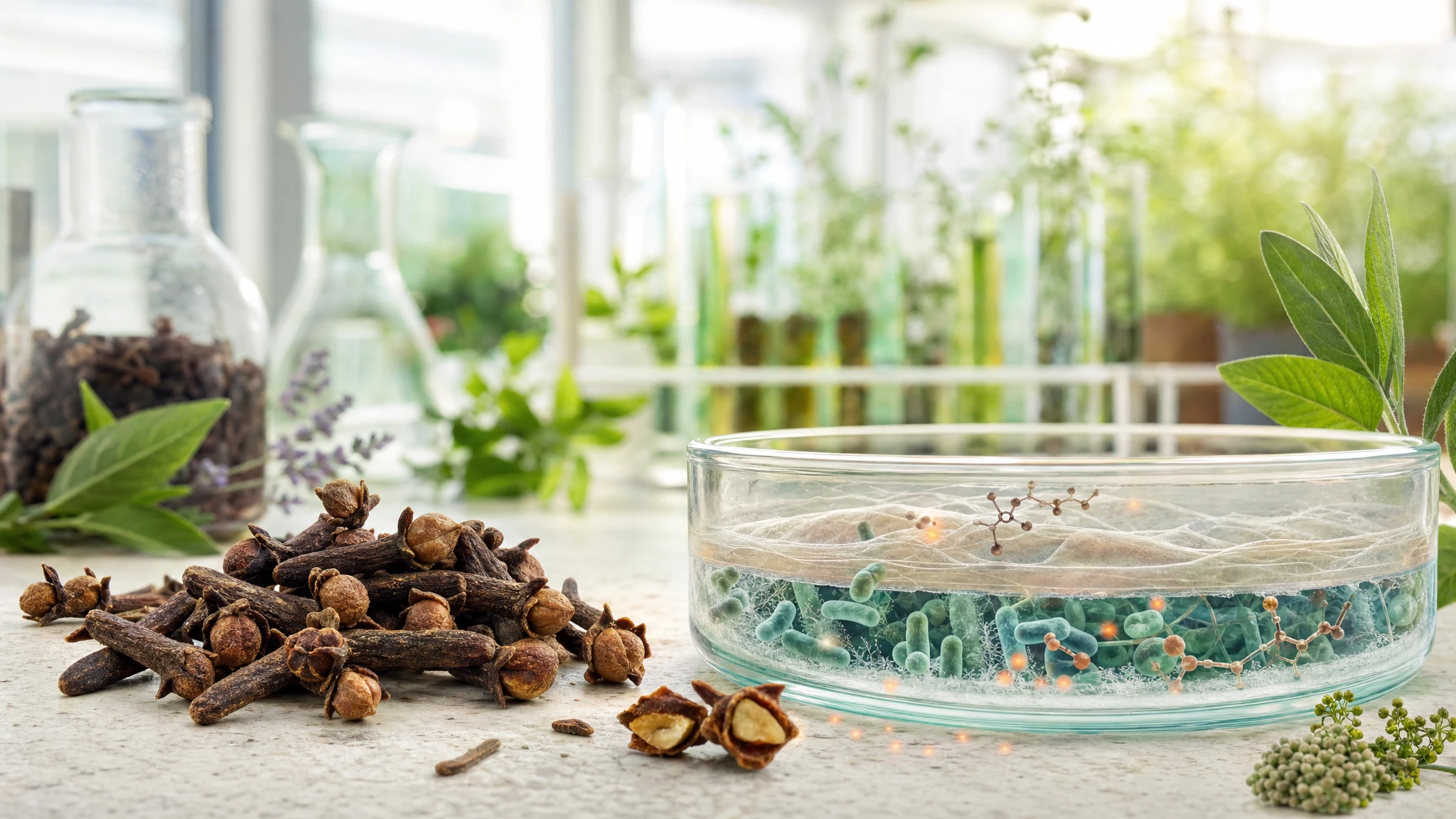
ABSTRACT : WHAT THE SCIENCE SAYS
Cloves are attracting interest for their aroma and the bioactive compounds they contain. Among these are eugenol, a natural phenol, and other phytochemicals (substances produced by plants). The gut microbiota, the intestinal barrier, and immune defenses are interconnected. For this reason, the spice may act on the intestinal environment and, indirectly, on certain metabolic processes.
The gut microbiota is the collection of microorganisms that live in the intestine and help maintain its balance. The intestinal barrier, on the other hand, regulates which substances pass between the intestine and the rest of the body. This article examines the potential link and explains how intestinal inflammation can affect metabolism. It also delves into the mechanisms involved and the role of inflammation in these processes. It then analyzes dysbiosis, which is the loss of balance among the microbes living in the gut. Finally, it clarifies why human data are still limited and do not allow for definitive conclusions. The analysis therefore focuses on the key aspects listed below:
- The role of the microbiota in intestinal balance
- Why cloves are biologically interesting
- Intestinal barrier, inflammation, and immune signals
- Dysbiosis and potential effects on metabolism
- Limitations of the evidence and caution in evaluating it
Gut microbiota and cloves: why the link is biologically plausible
The link between cloves and the gut microbiota does not indicate a cure, but it does have a biological basis. Certain compounds in the spice may act within the gut. Their effects involve the intestinal barrier, inflammation, and metabolic signaling.

The relationship between cloves and the gut microbiota is plausible because the spice contains active molecules. These substances reach the intestine, but they do not always act in the same way. However, they can influence the interactions between diet, microbes, and the mucosa. Therefore, the quality of the intestinal environment matters a great deal. Intestinal homeostasis (gut balance), microbes, and immune defenses are, in fact, linked to one another.
The link is therefore interesting primarily as a biological hypothesis. A spice can change the intestinal chemical environment and act on certain local signals. These include intestinal inflammation and metabolic processes. However, this does not yet prove a health benefit. One should not, therefore, attribute miraculous effects to the spice. Its chemical profile, however, makes it reasonable to study it within the gut-metabolism axis. The following sections examine the barrier, inflammation, and dysbiosis.
To better understand this link, it is useful to follow a few steps:
- The gut microbiota responds to diet in a complex way and changes over time.
- The spice's compounds can act within the intestinal environment.
- The intestinal barrier regulates the passage from the intestinal lumen to the body.
- Dysbiosis and inflammation can reinforce each other over time.
This section explains the biological rationale for the study, but does not prove clinical effects. Each step clarifies why the spice is being studied in the context of the gut microbiota.
What is the gut microbiota and why does it matter
The gut microbiota is a community of microorganisms—microscopic organisms—that live in the intestine. It helps digest undigested substrates, produces metabolites, and regulates mucosal immunity. The latter includes the immune defenses active on the mucosa. When discussing cloves and the microbiota, we are not attributing a single action to the spice. Instead, we are trying to understand whether its compounds enter this network of exchanges. The microbiota is not just a simple "content" of the intestine. It is part of the intestinal ecosystem and interacts with the body and our daily diet.
Reviews confirm this central role and show that diet changes the composition and activity of microbes [1] [2]. However, an important limitation must be kept in mind. These sources explain general mechanisms but do not prove an effect of cloves alone in humans. Nevertheless, they help us view the spice as a potential factor that alters the intestinal environment. It should not, therefore, be considered an isolated element. Within this framework, we must understand why this specific spice has become a topic of interest regarding the microbiota [1] [2].
Why cloves may be of interest to the gut microbiota
Cloves contain aromas and polyphenols (active plant molecules). These substances can alter the chemical environment of the gut. This does not mean that they can “cure” the gut microbiota. Instead, studies are evaluating whether they change its balance and activity. The hypothesis has a biological basis, because microbes respond to substances present in the diet. The latter can act on nutrients, the processes of the microbes themselves, and local signals. However, the topic is still under study.
Research on spices indicates that these molecules can act in different ways. However, a biological possibility is not equivalent to clinical proof. Effects can vary with the dose, the food consumed, and individual traits. In everyday life, these factors vary greatly. The spice is therefore an interesting source of active molecules. Its true impact on the human gut microbiota, however, requires more robust research. The next step concerns the link between the gut and inflammation.
How the intestinal barrier mediates the effect on inflammation
The intestinal barrier regulates what passes from the mucosa to the rest of the body. It allows nutrients to enter while limiting substances that can trigger immune defenses. If it functions less effectively, signals of intestinal inflammation may increase. The balance between the gut microbiota and the body can also change. Some compounds in the spice might create an environment favorable to the health of the mucosa. This does not mean that they can "seal" the gut.
Reviews on intestinal permeability and general inflammation describe this link [2] [3]. If the barrier loses its integrity, the relationship between microbes and defenses can promote inflammation. However, diet, medications, and individual differences also play a role in humans. These factors make it difficult to apply general data in a clinical setting. If the spice reduces stress in the gut, it can be studied within a broader diet. It should not, however, be considered a remedy to be used on its own [2] [3].
How dysbiosis and immune signals influence each other
Dysbiosis is an alteration of the intestinal microbial balance. It is often associated with an environment less favorable for intestinal homeostasis. When the gut microbiota changes, the signals it sends to the host also change. This can influence the immune cells of the mucosa, i.e., the defenses present in the intestine. The relationship between microbes and the immune system is bidirectional. Inflammation can shift the microbial composition toward less favorable species. An altered microbiota can, in turn, support the production of inflammatory cytokines. These are molecules that amplify the immune response in the intestinal tissue. This creates a cycle that sustains itself over time. In this sense, cloves are relevant only as a possible element of the context. They should not be considered an autonomous solution to the problem.
This makes it plausible to study the spice from a preventive perspective, not as a cure. However, it does not allow for the deduction of a certain or proven therapeutic effect. The interpretative limitation is fundamental to properly reading this chapter. A biological rationale explains why the topic deserves scientific attention. However, it is not enough to demonstrate a real clinical benefit in people.
What preclinical studies on the microbiota and the spice show
Preclinical studies (on cells or animals) examine the possible mechanisms of the spice. They evaluate whether its compounds act on the gut microbiota and inflammation. Models show whether a molecule changes the intestinal environment or supports the mucosa. They can also detect fewer signals that promote inflammation. These data are used to formulate hypotheses, but they do not prove clinical effects. The link with the gut-metabolism axis therefore remains a working hypothesis.
In a DSS-induced colitis model, eugenol showed a protective effect independent of the gut microbiota [4]. This finding indicates possible direct pathways on the mucosa and inflammation. Therefore, avoid interpreting the process too simply. Not all effects are mediated by microbes or depend on a single pathway. The model therefore helps to distinguish effects on microbes from those directly on tissues. However, the research uses an animal model of colitis. It does not, therefore, prove a clinical effect in humans nor a general efficacy of the spice [4].
Why studies on humans remain few and heterogeneous
Human studies are limited because many factors can alter the gut microbiota. These include diet, medications, age, lifestyle, and baseline inflammation. It is therefore difficult to isolate the effect of cloves. Research may use different doses and methods, yielding results that are difficult to compare. These differences do not diminish scientific interest, but they do indicate an early stage of research that requires caution. The gut-metabolism axis (the link between the gut and metabolic processes) helps to interpret the overall picture.
Available sources offer a consistent biological rationale, but not a strong clinical consensus. More standardized studies are needed, with clear criteria and reliable measurements. This verification requires comparable groups and methods capable of measuring small but relevant changes. Only then will we be able to understand the effects on polyphenols, the intestinal barrier, and inflammation. It is also necessary to verify whether these effects lead to real benefits in humans. This is the central point. Biological plausibility exists, but it does not make the spice a proven metabolic intervention yet.
Recent research and updates
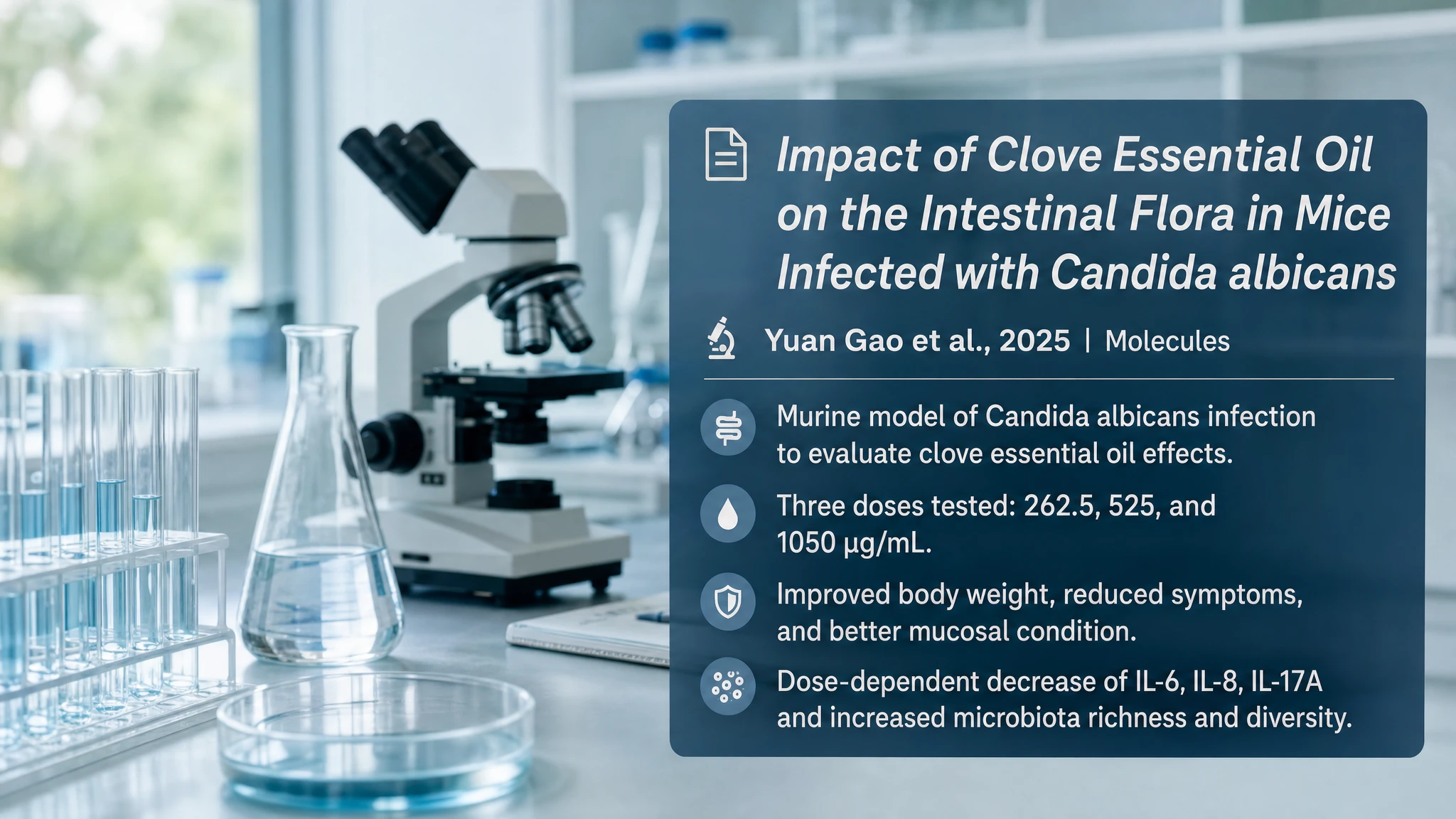
In 2025, lead author Yuan Gao and colleagues published a study in Molecules on clove essential oil. The test used a mouse model of intestinal Candida albicans infection. This opportunistic yeast can disrupt the balance of the gut microbiota. The research links gut flora, inflammation, and mucosal integrity. It therefore demonstrates a potential biological effect of the spice, but does not prove a clinical benefit in humans.
Impact of Clove Essential Oil on the Intestinal Flora in Mice Infected with Candida albicans
- The study involved mice infected with Candida albicans. It evaluated the effect of three doses of essential oil on gut flora and inflammation.
- The highest dose used in the tissue analysis was 1050 μg/mL. The other concentrations were 525 μg/mL and 262.5 μg/mL.
- After treatment, the researchers observed an improvement in body weight, fewer symptoms, and better mucosal conditions compared to the untreated infected group.
- In intestinal tissue, IL-6, IL-8, and IL-17A decreased as the dose increased. The richness and diversity of the gut microbiota also increased in the treated groups.
Intestinal inflammation and gut microbiota: the bridge to metabolism
In the link between cloves, gut microbiota, and metabolic health, a key factor is intestinal inflammation. This is the immune response involving the mucosa, which is the inner lining of the intestine. If this environment loses its balance, the intestinal barrier, immune signals, and metabolism can all be altered. The connection is therefore plausible, but solid evidence in humans is still needed.

Intestinal inflammation does not only affect the mucosa, as its signals can reach other organs. If the gut remains on alert for a long time, it may lose some of its natural balance. This can lead to a reduction in intestinal homeostasis (the balance of gut functions) and the integrity of the intestinal barrier. Compounds found in cloves might act on these processes, but they are not miracle cures.
To understand this link, it is necessary to distinguish between a possible mechanism and a proven benefit. A food or spice might act on dysbiosis (microbiota imbalance), the barrier, and metabolism. However, this remains a hypothesis that must be verified through rigorously conducted studies.
Let's look at how inflammation can extend beyond the gut and what role cytokines play. We will also examine why the microbiota is important, but does not act alone.
The transition from the gut to metabolism involves several key points:
- A less efficient intestinal barrier can increase local inflammatory signals.
- Inflammatory cytokines can alter the metabolism of the entire body.
- The gut microbiota can drive certain responses through the substances it produces.
- Evidence regarding cloves remains largely preliminary.
The transition from the gut to metabolism does not depend on a single signal, but on many interconnected processes. The following paragraphs explain the effects of inflammation in the body and the potential role of cloves.
Why intestinal inflammation can spread beyond the gut
Intestinal inflammation can remain confined to the mucosa, but it can also become a broader signal when the intestinal barrier loses efficiency. In this situation, the intestinal ecosystem more easily allows immune messages and microbial molecules to leak through. This creates a response that does not remain merely local. This is why the topic is central when evaluating the link between cloves, the gut microbiota, and metabolism. The point is not a spice that "cures," but a biological environment that can change its tone. A less intact barrier allows bacterial components to reach the underlying tissue. Here, they activate immune cells that amplify the signal. This process has been observed in experimental models of chronic inflammation. Data show an increase in inflammatory markers in the blood following damage to the barrier. However, the response can vary greatly from person to person. The microbiota itself helps keep the barrier compact. If it is altered, the barrier can become more permeable. This creates a vicious cycle between inflammation and dysbiosis.
The limitation is clear: this is a plausible biological relationship, not proof that every intestinal alteration automatically produces measurable metabolic effects in humans.
What role do inflammatory cytokines play in metabolism
Inflammatory cytokines are messengers of the immune system: they serve to coordinate defense, repair, and infection control. However, when they remain elevated for a long time, they can interfere with the regulation of glycemia and fat utilization. They can also alter the energy available to tissues. This is where the bridge to metabolism becomes concrete. Not because the gut is the sole cause, but because its signals can influence the overall inflammatory profile. Cytokines such as TNF-alpha and interleukin-6 have been studied in models of obesity and diabetes. In these studies, chronically high levels reduce the ability of cells to respond to insulin. Adipose cells and the liver become less efficient at managing nutrients. This mechanism has been observed in both animal and human studies. Compounds in cloves, such as eugenol, have shown the potential to reduce certain cytokines in cellular models. In stimulated immune cell cultures, eugenol lowered the production of TNF-alpha [5]. This suggests a possible modulatory effect, not a complete blockage of inflammation.
The limitation remains methodological: many observations derive from experimental models and describe associations or mechanisms, not a proven therapeutic effect. This is why cloves should be viewed as a possible modulator, not a definitive corrective measure.
Why the gut microbiota can influence metabolic response
The gut microbiota (the collection of intestinal microbes) produces active substances and communicates with the immune system. The substances produced by these microbes represent one of the channels through which this exchange occurs. Furthermore, it helps maintain the integrity and function of the intestinal barrier. If its structure changes, dysbiosis (an imbalance of the microbiota) may occur. This state can have effects on digestion, inflammation, and energy utilization.
The gut microbiota does not control metabolism on its own, but it can enhance or reduce certain responses. For this reason, the structure of the microbiota, the intestinal barrier, and the immune response should be considered as interconnected parts. Studies on cloves indicate that certain compounds may act on the microbiota and on inflammation. These effects have been observed in cells and animals [5] [6] [7]. However, the data remain preliminary and do not prove a direct clinical benefit. In humans, in fact, diet, medications, and health status can significantly alter the response. The mechanism is interesting, but it should not be interpreted beyond what the evidence shows.
Why the evidence on cloves remains preliminary
The evidence is derived primarily from cell and animal studies, which are useful for understanding potential mechanisms. However, these models are not sufficient to demonstrate the same effect in humans. For inflammation of the gut, this limitation is significant: a response observed in the laboratory indicates a possible biological pathway. It does not, however, show how much this pathway matters in real life. The link to metabolism therefore requires caution.
In some models of colitis, eugenol reduced inflammation and improved the function of the intestinal barrier. In other models, it acted on the gut microbiota, fat accumulation, and hepatic steatosis (excess fat in the liver). These effects were observed only in cells or animals [4] [8] [6] [7] [9] [10] [11]. The results suggest a possible effect on systemic metabolism (the metabolism of the entire body). However, they do not indicate effective doses for humans. The mechanism is plausible, but clinical confirmation is still lacking.
Eugenol, polyphenols, and the gut microbiota: the biological rationale that should not be overinterpreted
Regarding the relationship between cloves and the gut microbiota, a clinical effect has not yet been demonstrated. Eugenol, the spice's main aromatic compound, and other polyphenols (active plant compounds) may act on the intestinal environment. They may also influence signals related to inflammation. These data make the mechanism possible, but do not prove certain benefits in humans. Therefore, caution is needed when interpreting the results.
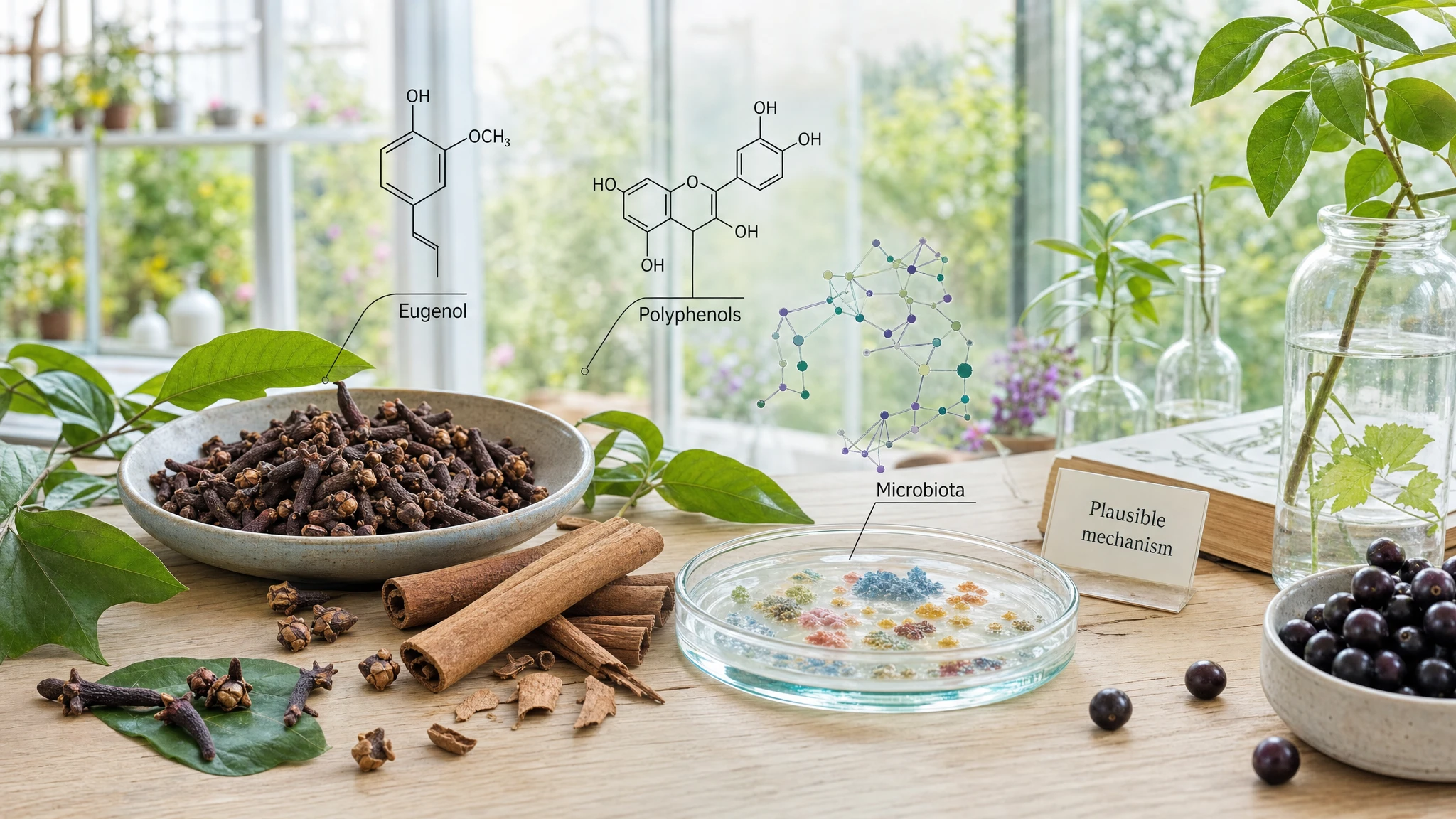
Interest in cloves and the gut microbiota stems from their active compounds, especially eugenol and other polyphenols. In experimental models, these substances appear to act on the entire community of intestinal microorganisms. For this reason, the spice is being studied in relation to inflammation, the intestinal barrier, and signals useful for maintaining gut balance.
These compounds therefore offer a working model for studying the interaction between spices, the microbiota, and the gut-metabolism axis. However, they do not allow us to claim that there are any certain effects.
The right question is not whether cloves "cure" anything. We need to understand whether their phytocompounds (active plant substances) influence signals related to inflammation and dysbiosis (microbiota imbalance) in a consistent and repeatable way.
However, a biological rationale (a possible mechanism) is not equivalent to a proven effect in humans. To properly interpret these studies, it is necessary to follow a few key steps:
- Eugenol is the most studied compound in cloves.
- Polyphenols do not all act on the gut in the same way.
- Hypotheses regarding the intestinal environment are derived from experimental studies.
- A possible mechanism does not replace clinical verification.
The biological rationale starts with compounds, moves to mechanisms, and only then arrives at potential effects. In cloves, this path offers useful insights, but requires caution.
Why eugenol is the most studied compound
Eugenol is the main aromatic compound in cloves, which is why it dominates experimental research. Its interest stems not only from its plant origin but from its ability to act on processes related to inflammation, oxidative response, and the intestinal environment.
In a popular science article, it is useful to clarify that a widely studied compound does not automatically become clinically relevant: its centrality helps in understanding the spice's profile, not in deducing a certain benefit for the human gut microbiota. These results support biological plausibility, but they remain far from the complexity of real-world nutrition. Furthermore, doses, duration, and experimental context are not automatically transferable to the daily diet, so the data should be read as an initial clue, not as proof of efficacy. Research on eugenol shows a possible mechanism, but not yet a proven effect. This is why it is necessary to distinguish between scientific interest and clinical relevance. The compound helps us understand the spice, not promise results. Every observation must therefore be viewed within its experimental context. Only in this way does the data remain useful without becoming misleading.
What changes when discussing spice polyphenols
Talking about polyphenols means moving beyond the logic of a single active ingredient and looking at the set of plant compounds that can contribute to the biological profile of a spice. In cloves, this aspect matters because phytochemicals do not all act in the same way: they vary in chemical structure, bioavailability, and their relationship with the gut microbiota.
For this reason, it is incorrect to attribute a single, predictable effect on the gut to polyphenols. The food matrix itself can modify the behavior of these compounds, and the individual response of the microbiota can vary significantly. In practice, polyphenols help explain why the spice is being studied, but they do not allow us to turn a biological hypothesis into a simple conclusion that applies to everyone. Each compound must therefore be observed within its own context. Chemical variety makes the picture richer, but also harder to simplify. This is why data on polyphenols must be read carefully. It is not enough to say that a spice contains them. We need to understand how they behave in the body and in the gut. Only in this way can we avoid confusing presence with function.
How eugenol might act on the intestinal environment
In experimental models, eugenol has been linked to signals concerning mucosal integrity, the inflammatory response, and how it acts on the environment in which the gut microbiota lives. This does not mean that it acts directly and identically in humans, but rather that it may influence the biological context in which intestinal microorganisms operate.
In simple terms, its interest lies in its potential effect on the "terrain," not in any supposed "miraculous" action on the microbiota. Even when changes in the gut flora are observed, it is not automatic to link them to a clinical benefit. The correct message is that eugenol may provide a biological framework for interpretation, but its real impact depends on dose, context, and individual response—elements that have not yet been clarified in humans. Experimental models offer clues, not definitive answers. Studies closer to human reality are needed to understand the role of the compound. For now, eugenol remains a useful starting point. Its study helps to formulate hypotheses, not to establish certainties. Caution, therefore, remains the best guide.
Why biological rationale is not enough to make a clinical promise
A solid biological rationale helps guide research, but it does not prove efficacy. For cloves, the most robust data come from controlled models. In these studies, doses are fixed and the environment is simpler than in the human body. This experimental distance limits the transition from observed results to conclusions applicable to people. The gut microbiota, on the other hand, is affected by diet, medications, age, inflammation, and many other factors. A single spice, therefore, cannot be seen as a standalone solution. The most direct research points to a possible role for the spice in supporting intestinal homeostasis (the balance of intestinal functions).
However, the result only concerns an animal model with defined variables [5]. For this reason, any indication must remain proportionate to the type of evidence available in the study. The data can guide new hypotheses, but it does not represent a therapeutic promise. Caution, therefore, does not reduce the value of the research. On the contrary, it makes it more reliable because it distinguishes a possible mechanism from a proven effect.
Cloves, inflammation, and metabolism: what the evidence really says
The data on cloves and the gut microbiota are interesting, but should be interpreted with caution. Evidence shows potential effects on inflammation, the intestinal barrier, and the relationship between the gut and metabolism. However, the strength of the data varies significantly between laboratory tests and human studies. Therefore, it is not a "miracle" spice: it is necessary to understand which effects truly have a solid foundation.
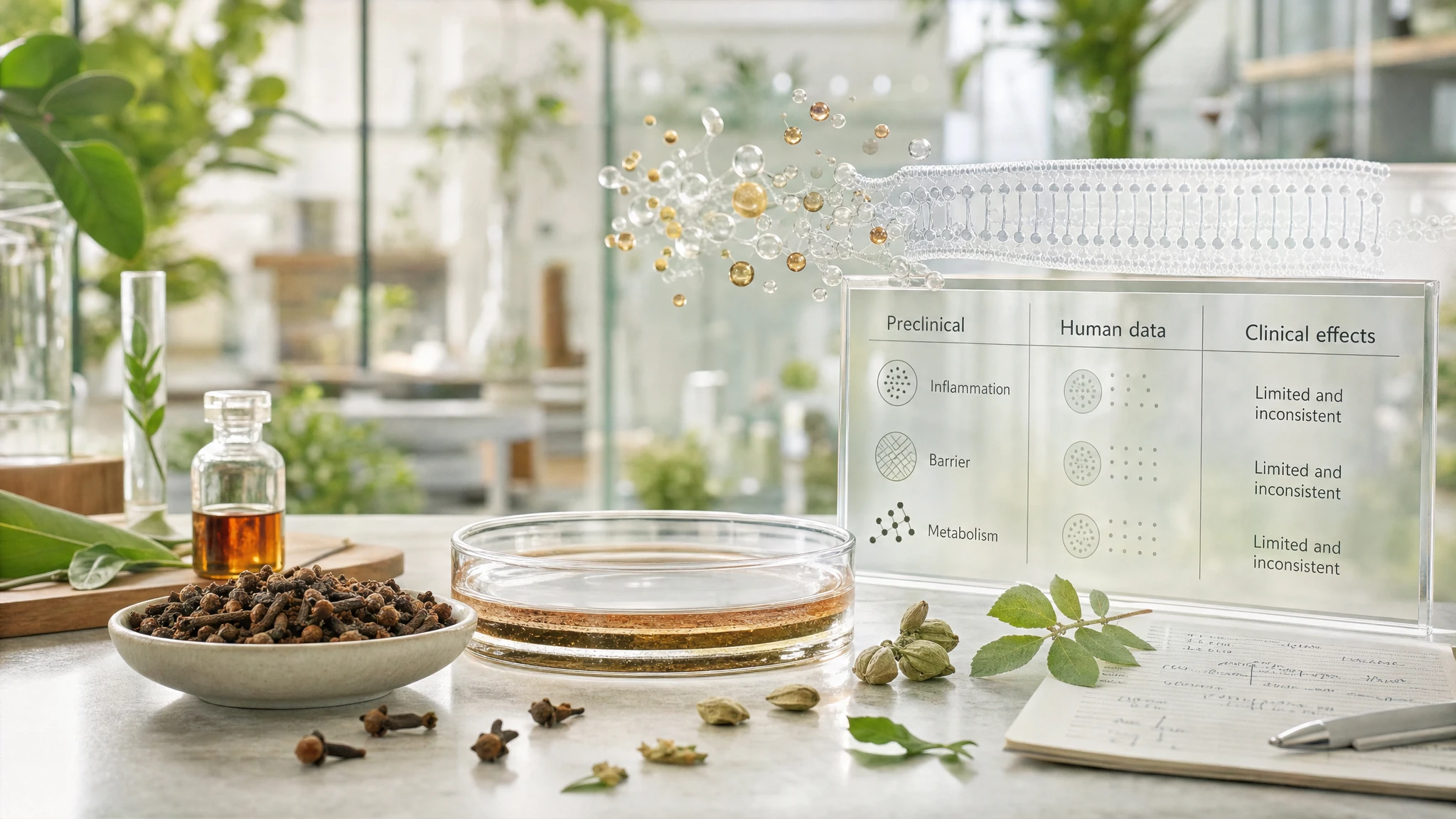
When discussing cloves, inflammation, and metabolism, the central issue is distinguishing between promising biological signals and proven clinical benefits. The available evidence indicates that some components of the spice may act on the gut ecosystem and inflammatory processes, but this does not mean that they produce a stable effect on systemic metabolism on their own.
To correctly interpret the picture, three simple questions are needed: what effects have been observed, in which models, and with what limitations.
Here are the key points to keep in mind:
- Preclinical studies suggest potential effects on inflammation and the gut microbiota.
- Data on humans remain scarce, heterogeneous, and difficult to compare.
- The link with the gut-metabolism axis should be interpreted without exaggeration.
- Caution is necessary before attributing certain clinical effects.
Not all evidence carries the same weight: experimental tests come first, followed by clinical studies on humans. This distinction helps in understanding the relationship between spices, inflammation, and metabolism. It also prevents turning a potential mechanism into a foregone conclusion.
What preclinical studies show about the gut microbiota and spices
In preclinical models, compounds found in cloves appear to affect intestinal inflammation, mucosal defense, and microbial composition. This type of research is useful because it demonstrates plausible mechanisms: a less irritated intestinal environment, improved mucosal integrity, and more controlled immune signals. At this stage, however, the primary data is biological, not clinical.
Laboratory experiments allow for the isolation of the effects of individual molecules, such as eugenol, on cell cultures or animal models. In these controlled settings, a reduction in inflammatory markers and a rebalancing of the gut bacterial flora are often observed. However, the doses used in the laboratory are often much higher than those achievable through daily diet. Furthermore, an animal model does not replicate the complexity of the human gut microbiota, which is influenced by genetics, diet, and environment. While these results are consistent, they are derived from artificial models and are not sufficient to predict effects in humans.
Why human studies remain few and heterogeneous
When moving to humans, the picture becomes more complex because diet, medications, lifestyle, and the profile of the gut microbiota vary significantly from one person to another. This is why results regarding supplements or clove extracts are often difficult to compare. This variety of results does not render the studies useless, but it indicates that the topic is still in a preliminary phase.
Another obstacle is the variety of preparations used in research: powder, essential oil, or standardized extracts have very different concentrations of active ingredients. The duration of the studies is also often short, on the order of a few weeks, which is insufficient time to evaluate stable changes in metabolism. Even when favorable signs appear regarding dysbiosis or metabolic parameters, the number of participants and the quality of the design do not allow for strong conclusions. In other words, the most accurate message today is one of caution: interesting on a biological level, but still weak on a clinical level.
How to interpret the link between gut microbiota and metabolism without overstating it
The link between cloves and the gut microbiota and metabolism must be interpreted within a broader network of factors. A spice cannot, on its own, correct an unfavorable nutritional profile, nor can it replace the role of diet, physical activity, and the management of intestinal inflammation. The correct interpretation is this: cloves may have potential as a supportive tool, not a unique or definitive solution.
The gut-metabolism axis is a bidirectional communication system involving hormones, short-chain fatty acids, and nerve signals. A balanced gut microbiota contributes to this dialogue, but it is only one of many players involved. Even in vitro studies—those conducted outside the body—while interesting for the antioxidant activity of eugenol and how it interacts with certain bacteria, remain far from the actual complexity of the human body. The final picture is therefore promising, but not conclusive.
Summary of scientific evidence
This summary presents the most useful sources from the available literature. It distinguishes general data from experimental results regarding the gut microbiota, intestinal barrier, and inflammation.
| Publication year | Area studied | What the studies indicate |
|---|---|---|
| 2015 | Microbiota-mediated inflammation | studies indicate that the composition of microbes helps regulate immune defenses and local inflammation [3] |
| 2020 | Intestinal barrier and inflammatory response | in cellular models, data indicate a possible beneficial effect on the integrity of the intestinal barrier [8] |
| 2021 | Experimental colitis and eugenol | results vary, but eugenol appears to reduce intestinal inflammation in a murine model (in mice) [4] |
| 2022 | Microbiota and DSS-induced colitis | in a murine model, a compound extracted from cloves modified the microbiota and inflammation [5] |
| 2022 | Adiposity and microbiota | studies indicate that eugenol can modulate the microbiota in animal models related to adiposity and metabolism [6] |
| 2022 | Hepatic steatosis and gut flora | in mice, evidence indicates possible changes in the microbiota, fat accumulation, and metabolic profile [7] |
| 2023 | Intestinal barrier and immune signals | in a model of intestinal damage, protective effects on the barrier and inflammatory response were observed [10] |
| 2024 | Gut microbiota and permeability | evidence indicates that the microbiota and intestinal barrier are linked to the inflammatory response and metabolism [2] |
Editorial interpretation of the evidence
Reading the sources collected in this article, I found a consistent picture. Clove compounds, especially eugenol, appear to act on the intestinal environment. Studies have observed effects on inflammation, the intestinal barrier, and the composition of the gut microbiota. Reviews explain why this hypothesis is credible. Preclinical research (on cells or animals) also indicates that multiple mechanisms may be at play. The data are interesting, but they are derived primarily from controlled models, which are very different from the human body.
The main limitation I encountered is the scarcity of clinical data applicable to humans. There is a lack of large-scale, comparable studies on the actual use of the spice. Research varies by product, dosage, model, and purpose. Furthermore, the most robust results often concern laboratory or animal values, rather than clear clinical benefits. The literature therefore indicates a credible path for research. However, it does not allow me to draw certain conclusions about the practical effect of cloves on the gut microbiota.
Conclusions and editorial summary
Final critical note
The picture that emerged from the reading is useful, but it should be interpreted with caution. Sources indicate that compounds in cloves can act on the gut microbiota and the intestinal barrier. They may also modify certain signals related to inflammation. However, the strength of the results depends on the models used and the few direct studies on humans. Some conclusions are therefore biologically sound, but still weak in practice. I believe it is necessary to clearly distinguish what studies have observed from what they have only suggested.
References
[1] Healthy diet
[2] Gut microbiota, intestinal permeability, and systemic inflammation: a narrative review
[4] Eugenol Alleviates Dextran Sulfate Sodium-Induced Colitis Independent of Intestinal Microbiota in Mice
[5] Regulation of the Gut Microbiota and Inflammation by b-Caryophyllene Extracted from Cloves in a Dextran Sulfate Sodium-Induced Colitis Mouse Model
[6] Eugenol, A Major Component of Clove Oil, Attenuates Adiposity, and Modulates Gut Microbiota in High‐Fat Diet‐Fed Mice
[7] Beneficial effects of eugenol supplementation on gut microbiota and hepatic steatosis in high-fat-fed mice
[8] Eugenol attenuates inflammatory response and enhances barrier function during lipopolysaccharide-induced inflammation in the porcine intestinal epithelial cells
[9] Eugenol Possesses Colitis Protective Effects: Impacts on the TLR4/MyD88/NF-kB Pathway, Intestinal Epithelial Barrier, and Macrophage Polarization
[10] Protective Effect and Mechanism of Aspirin Eugenol Ester on Lipopolysaccharide-Induced Intestinal Barrier Injury
Editorial note
Artificial Intelligence was used solely as a tool to support editorial and documentary work. All content, interpretations, bibliographic citations and conclusions have been verified, reviewed and approved by the author, who assumes full scientific responsibility for them.
The manuscript was also subject to independent peer review prior to publication.
To ensure maximum transparency, the article's complete history — including the dates of submission, review, acceptance and publication, as well as information on the peer review process — is available on the dedicated Article History page.