


Cloves, Eugenol, and Metabolic Regulation: Properties, Supplementation, and Uses in Chronic Diseases.
Research on cloves suggests a concrete interest in metabolism, inflammation, and oxidative stress. Eugenol and polyphenolic extracts appear to act on glycemia, AMPK, mTOR, autophagy, and peripheral tissues, but the strongest signal comes from experimental models. Human studies are few, small, and still preliminary. For this reason, the spice should be interpreted as a plausible nutritional support, not as an autonomous solution or universal remedy.
- Published 28/07/2026
- Updated 04/09/2026
- Reviewed 04/09/2026
- Article history
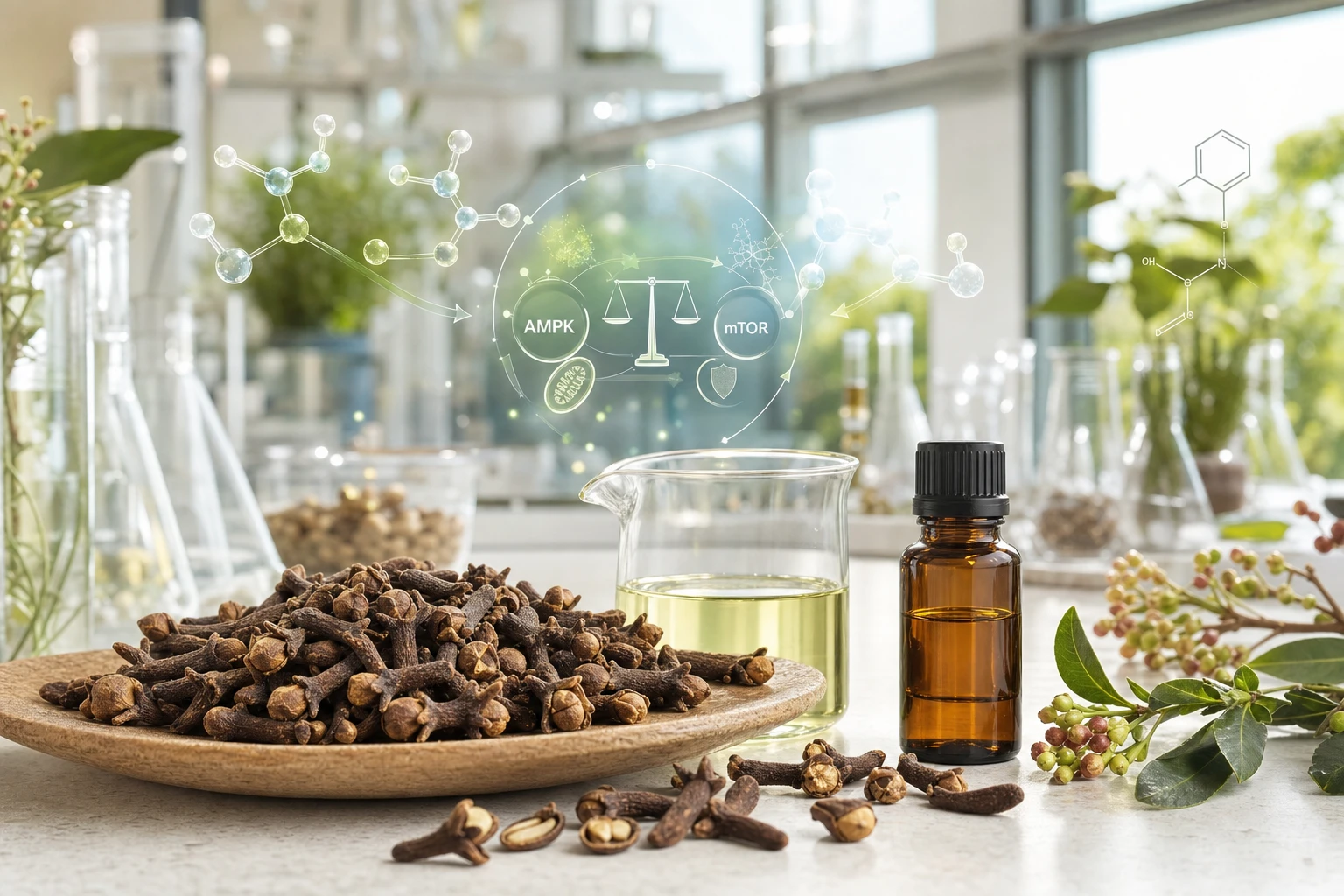
ABSTRACT : WHAT THE SCIENCE SAYS
Cloves are an ancient, intense spice surprisingly rich in active compounds. In food contexts, they are appreciated for their warm, pungent aroma, but in recent years they have also attracted interest in nutritional and biological fields due to the presence of eugenol, a phenolic molecule—that is, a plant substance with chemical properties typical of phenols—which represents one of the main constituents of their functional profile. When talking about cloves, however, it is important to distinguish between culinary use, extract, and essential oil, because concentration, exposure, and biological potential are not equivalent. This distinction is central to correctly interpreting studies on glycemia, inflammation, oxidative stress, hepatic metabolism, and cellular regulation, without overestimating the effects of a spice that remains primarily a food and only in some cases a possible basis for more concentrated formulations. In the context of metabolic regulation, cloves are studied mainly for their interaction with mechanisms such as insulin resistance, i.e., the reduced ability of tissues to respond to insulin, AMPK, a protein that functions as a cellular energy sensor, mTOR, a signaling pathway that regulates growth and protein synthesis, autophagy, the process of recycling cellular components, and glucose uptake in peripheral tissues. However, the available literature is heterogeneous: many data are preclinical, while human evidence is still limited and should be interpreted with caution. This article guides the reader clearly through properties, integration, possible applications in chronic diseases, and safety aspects, to help understand when cloves make sense in the diet, when they are discussed as nutritional support, and when it is better to pause for a prudent evaluation. Specifically, the article will address:
- Origin, composition, and biological value of cloves
- Eugenol, extracts, and differences between the spice and essential oil
- Effects on glycemia, insulin resistance, and metabolism
- Role of AMPK, mTOR, autophagy, and peripheral tissues
- Safety, usage limits, and comparison with other spices
Cloves and their intrinsic properties
The properties of cloves depend on their phytocomplex, which is the set of natural substances that make up the spice, with eugenol as the most representative component. Before discussing metabolism or supplementation, however, it is useful to understand what makes this spice biologically interesting: its composition, antioxidant activity, and potential impact on oxidative stress and chronic inflammation.
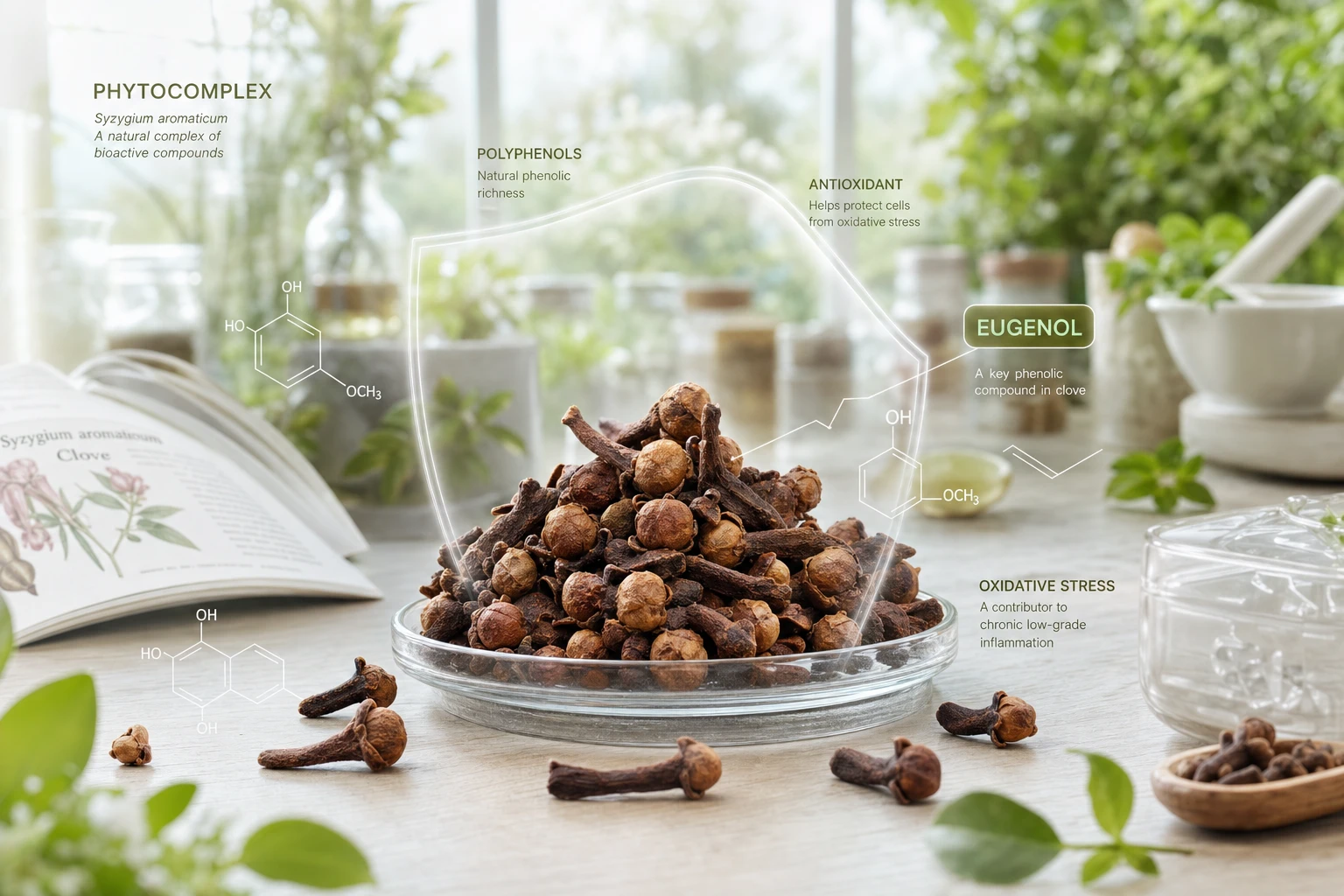
Cloves, the dried flower buds of Syzygium aromaticum, are a peculiar spice because they combine an intense aroma with the presence of phenolic compounds, which are plant molecules with biological activity. Their relevance does not depend on a single substance, but on the overall profile of the phytocomplex, which is the set of characteristic molecules of the plant, in which eugenol is the dominant molecule and decisively contributes to the properties of cloves. At this stage, it is worth focusing on the intrinsic qualities of the spice: its antioxidant capacity, i.e., its ability to counteract oxidative processes, the presence of clove polyphenols, and its potential to modulate processes linked to oxidative stress and chronic inflammation [1]. Oxidative stress indicates an imbalance between the production of oxidizing species and the body's defenses, while chronic inflammation is a persistent, low-grade inflammatory response. These aspects explain why, in scientific debate, cloves, eugenol, and metabolism are often cited together, even though the dietary and experimental levels remain distinct.
From a functional point of view, available data suggest that polyphenol-rich extracts can also influence basic metabolic parameters. In a human study, a water-soluble extract rich in clove polyphenols, 250 mg/day for 30 days in 13 participants (7 participants with normoglycemia and 6 participants with prediabetes), reduced pre- and post-prandial glycemia [2]. The term normoglycemic indicates a person with normal blood sugar levels, while prediabetic refers to an intermediate condition of metabolic risk. In experimental models, eugenol has also shown antioxidant and anti-inflammatory activities, i.e., the ability to reduce oxidative processes and the inflammatory response, consistent with its role as a key molecule of the spice [1]. This does not mean attributing an automatic pharmacological effect to cloves, but recognizing that their intrinsic composition justifies their biological interest beyond their aromatic function. This is precisely where the reasoning about their possible interest in metabolic prevention begins [3].
To guide the reading, it is useful to keep in mind some essential points that will be developed in the following passages:
- The chemical profile explains the aromatic and biological intensity.
- Eugenol represents the most studied component of the spice.
- Polyphenols, i.e., plant compounds with multiple phenolic groups, contribute to defense against oxidative stress.
- Intrinsic properties do not coincide with therapeutic effects.
After defining the intrinsic profile of the spice, the following steps distinguish its botanical origin, the centrality of eugenol, differences between forms of use, and its practical role in the diet.
What are cloves and where do they come from?
Further reading: Origin of cloves: what they are, where they come from, and why it matters for spice quality
Why eugenol dominates the biological profile of cloves
Further reading: Eugenol in cloves: why it is the key chemical molecule
Difference between whole spice, extract, and essential oil
When cloves are useful in a daily diet
Recent research and updates
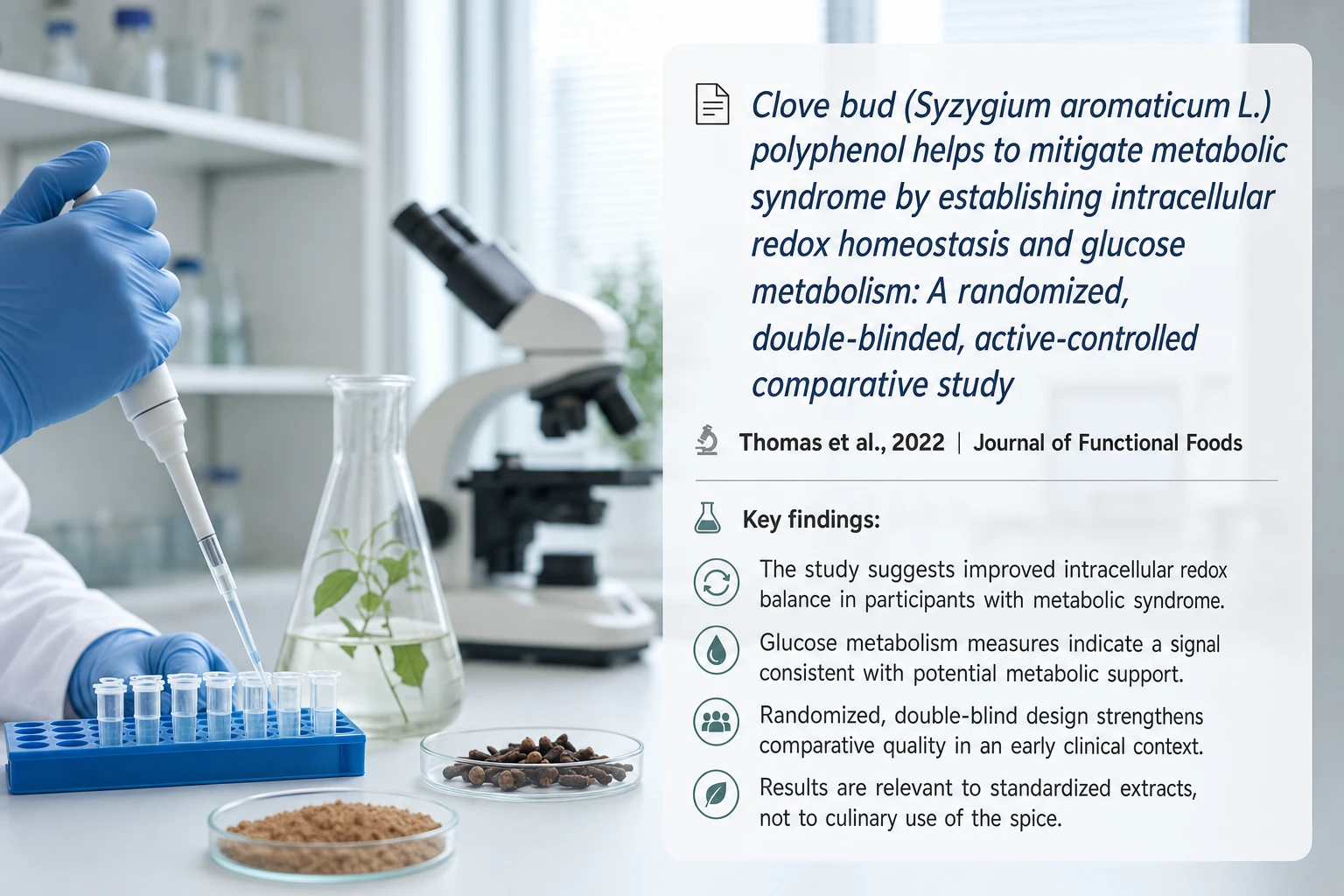
In 2022, Indian authors Jestin Thomas and colleagues, in the Journal of Functional Foods, published a controlled study on a polyphenolic extract of clove bud. The research examined the topic of glucose metabolism and redox status, i.e., the balance between oxidants and antioxidants in cells, in adults with metabolic syndrome. The result is consistent with the idea that clove compounds may have a nutritional support role, without overlapping with a therapeutic effect.
Clove bud (Syzygium aromaticum L.) polyphenol helps to mitigate metabolic syndrome by establishing intracellular redox homeostasis and glucose metabolism: A randomized, double-blinded, active-controlled comparative study
- The study suggests an improvement in cellular redox balance in participants with metabolic syndrome.
- Glucose metabolism measurements indicate a signal consistent with possible metabolic support.
- The randomized, double-blind design strengthens the quality of the comparison, while remaining in an initial clinical context.
- The results are relevant for standardized extracts, not for generic use of the spice in cooking.
Cloves and human supplementation
Clinical evidence on cloves and eugenol, the spice's main bioactive aromatic compound, and their effect on human metabolism is still preliminary but consistent enough to warrant attention. In particular, standardized extracts, i.e., preparations in which the content of active compounds is controlled and kept constant, seem more interesting than the spice used in cooking, especially when the goal is to observe effects on glycemia and metabolic profile. The central point remains the quality of the formulation and the context of use, not the idea of a curative effect.
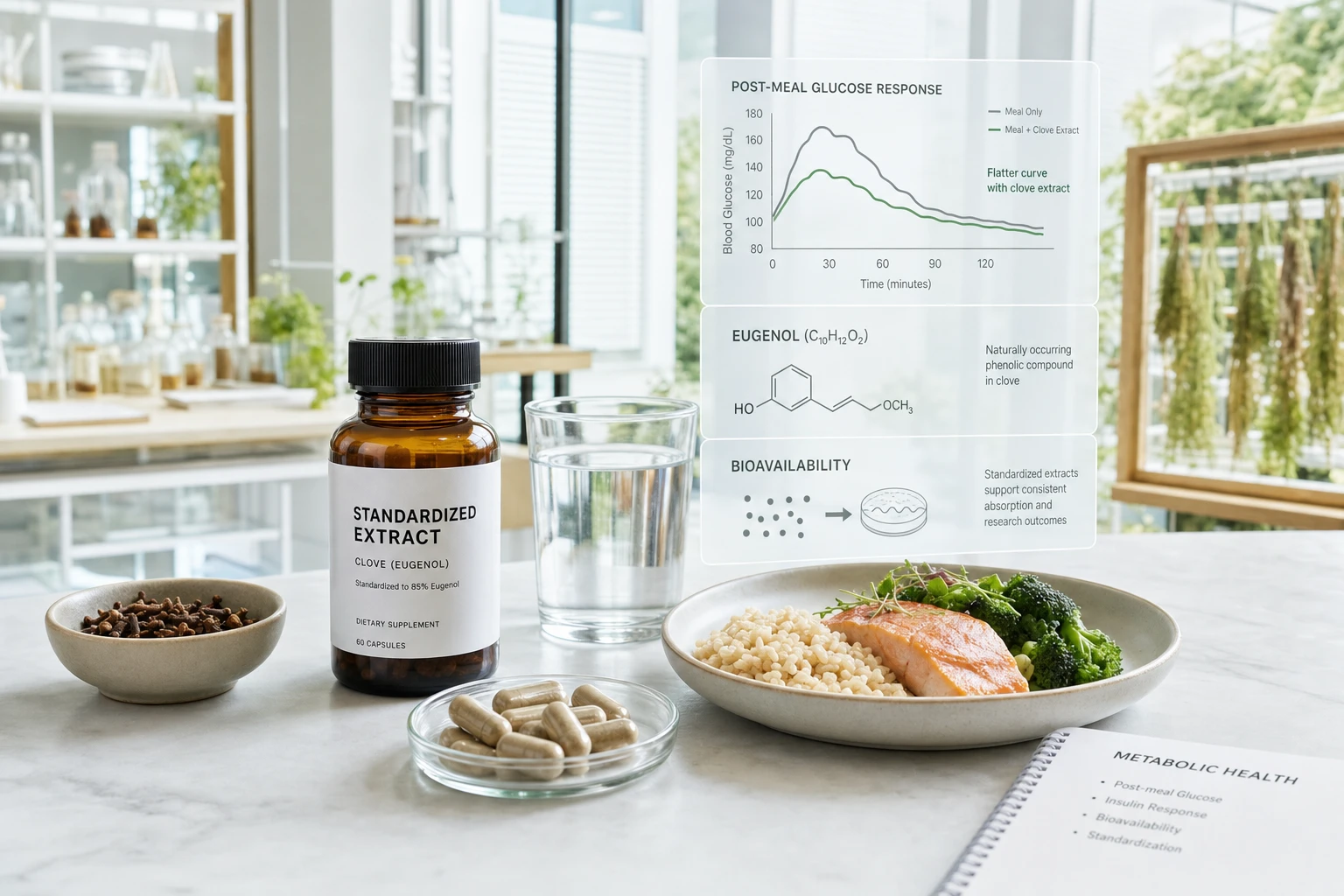
When discussing cloves, eugenol, and metabolism in humans, the most important factor is the discrepancy between the biological rationale and the amount of available clinical evidence. Human studies are few, but they suggest that a standardized polyphenolic extract—that is, a preparation rich in polyphenols made homogeneous in composition—can influence glycemia, or the concentration of glucose in the blood, especially in the post-meal period, which is when the glycemic response is most sensitive to dietary composition [2]. This does not mean that cloves should be interpreted as a treatment, but rather that their potential should be viewed as nutritional support in selected contexts. It is also useful to distinguish the spice used in cooking from a concentrated formulation, because the quantities, bioavailability (i.e., the amount of substance that actually reaches circulation or tissues), and repeatability of the effect are not comparable. In other words, the clinical value observed in studies depends on the preparation, the dose, and the metabolic profile of the participants, not on a generic and indiscriminate use of the spice. Furthermore, the biological rationale of eugenol intertwines with known pathways of metabolic regulation, including oxidative stress (an imbalance between the production of reactive species and antioxidant capacity), low-grade inflammation, and insulin sensitivity (the ability of tissues to respond to insulin), all of which are central to chronic metabolic alterations. Precisely for this reason, readers should consider clove extracts as possible modulators, not as alternatives to established treatments or lifestyle corrections.
An open-label pilot trial, a preliminary study without blinding of participants and researchers, evaluated 250 mg/day for 30 days in 13 volunteers, stratified into 7 normoglycemic and 6 prediabetic individuals, reporting a reduction in pre- and post-prandial glycemia [2]. This is an interesting, but still initial, signal. For this reason, in scientific interpretation, not only the final result but also the robustness of the study design and consistency with preclinical evidence (obtained previously in experimental models before human studies) are very important, indicating a possible interaction with clove polyphenols, oxidative stress, and broader metabolic signals [3,4]. The most solid idea is that the extract can attenuate some metabolic peaks, especially in subjects with suboptimal glycemic control, but not that it produces glycemic control equivalent to pharmacological treatment. In the overall picture, clove supplementation therefore remains a promising nutritional hypothesis, to be carefully evaluated without overestimating what human data can truly support today. For this reason, too, the quality of the formulation and consistency with the subject's clinical profile are decisive elements in practical evaluation.
To guide the reading of human studies, it is useful to keep some key points in mind:
- Standardized extracts show more measurable results than culinary spice.
- The most observed response concerns pre- and post-prandial glycemia.
- The human sample size so far is small and requires cautious interpretation.
- The participant's metabolic context greatly changes the meaning of the data.
- Nutritional interpretation must be distinguished from the promise of a therapeutic effect.
Further on, we will examine the initial clinical data on glycemia, the broader metabolic rationale, and the role of the microbiota and autophagy in interpreting the results. This ensures the reading remains anchored to evidence and does not confuse biological potential with an already established effect.
Cloves and glycemia: what human studies suggest
Clove polyphenolic extract and metabolic syndrome
Cloves, gut microbiota, and inflammation
Another interpretative level concerns the gut microbiota, which is the set of microorganisms that inhabit the intestine and participate in the regulation of numerous physiological processes, because energy metabolism does not only depend on what happens in the blood, but also on the interaction between the intestinal barrier, inflammation, and systemic signaling. In experimental models, eugenol, the main component of clove oil, has attenuated adiposity and modulated the intestinal flora in animals fed a high-fat diet, suggesting a possible contribution of the gastrointestinal tract to the metabolic response [5]. This is not equivalent to direct proof in humans, but it helps explain why the effects of cloves should not be read solely as "an effect on glycemia." The microbiota can indeed influence absorption, inflammation, and hormonal signals, creating a favorable or unfavorable ground for metabolism regulation. If the intestinal barrier is altered, the passage of pro-inflammatory signals and the probability of a less efficient metabolic response increase. Here too, the point is not to attribute a definitive power to the spice, but to recognize that its bioactive compounds can fit into a broader network of interactions. In divulgative terms, this makes cloves an interesting subject for functional nutrition, provided that the distinction between preclinical evidence and concrete clinical impact is maintained.
Eugenol and autophagy regulation in intestinal cells
Autophagy, the cellular recycling mechanism that removes damaged components and maintains the cell's internal balance, is a central process for tissue survival. In intestinal cells subjected to inflammation, supplementation with spermidine-eugenol preserved cell viability by stimulating autophagy, an interesting result because it links tissue protection to an adaptive response potentially useful also in a metabolic context [6]. The point is not to consider autophagy always "good" in absolute terms, but to understand that its meaning depends on the biological context. If the tissue is under stress, greater efficiency of cleaning mechanisms can support homeostasis; if, however, the signal is excessive or poorly regulated, the balance changes. This type of data helps to interpret cloves and eugenol as modulators of cellular processes, rather than as simple aromatic ingredients. Furthermore, the intertwining of autophagy, inflammation, and metabolism suggests a possible utility in conditions where insulin resistance is accompanied by oxidative stress and intestinal dysfunction. For the reader, the lesson is that the metabolic effect does not depend only on measured glycemia, but also on the quality of the tissue that receives the nutritional stimulus. This is a useful step to understand why supplementation should always be discussed within the overall framework of physiology and not in isolation.
Cloves and their uses for treated pathologies
When talking about cloves and eugenol in metabolism, the point is not a "natural cure," but the type of disorders where the biological rationale is more solid. Preclinical evidence is more convincing in cases of hyperglycemia, liver dysfunction, insulin resistance, chronic inflammation, and oxidative stress. In this context, cloves and the properties of eugenol become interesting as a study support, not as a substitute for therapies.
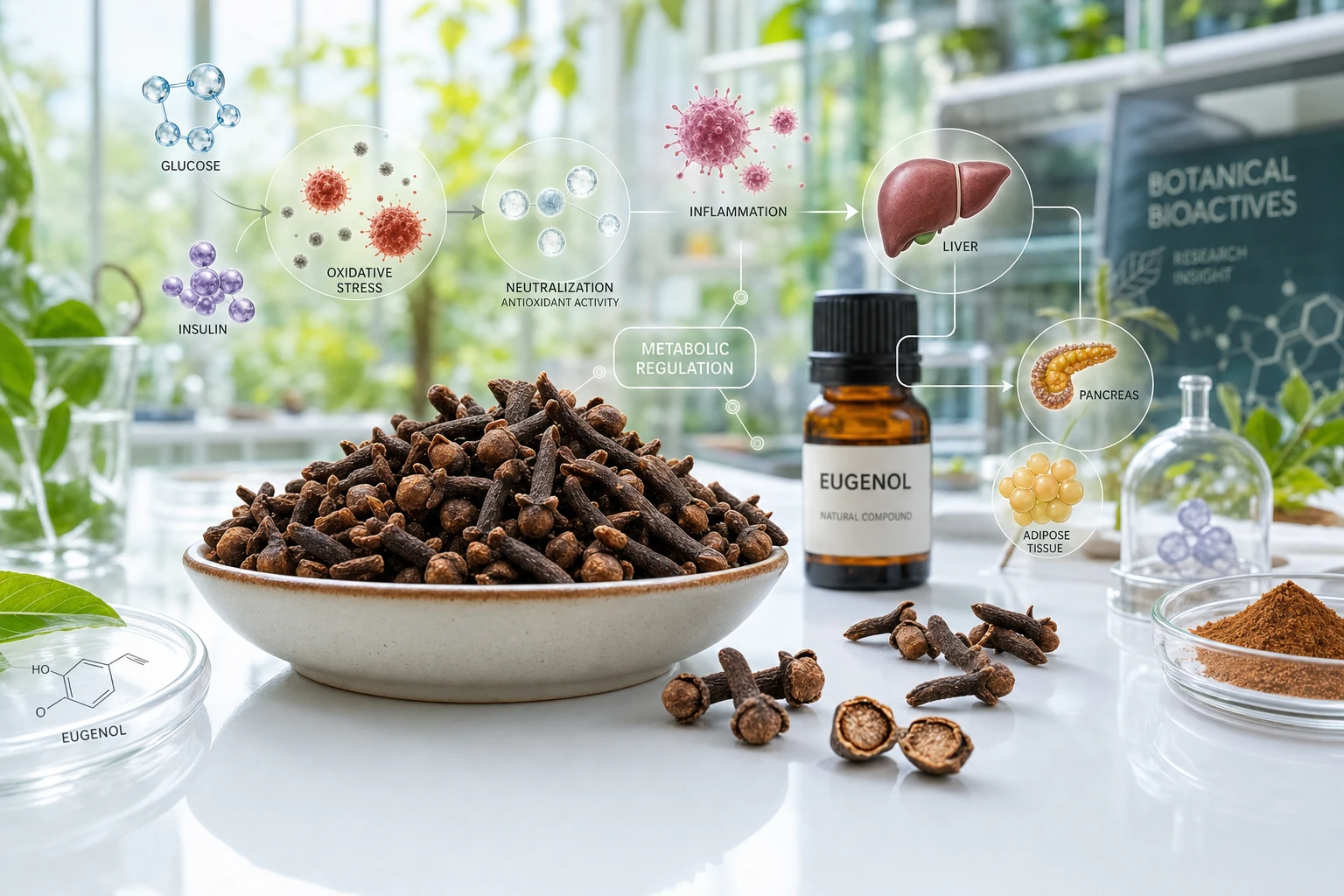
In type 2 diabetes, the rationale for cloves primarily concerns the containment of hyperglycemia, oxidative stress, and low-grade inflammation. Experimental data indicate that eugenol can act at multiple levels of metabolic regulation, but its clinical significance should be interpreted with caution. In a model of diabetic rats induced by a high-fat diet and streptozotocin, a substance used to selectively damage pancreatic cells, eugenol improved insulin resistance, oxidative stress, and inflammation, supporting the idea of systemic modulation [4]. In parallel, a meta-analysis, i.e., a statistical analysis combining multiple studies, on hyperglycemic murine models confirmed that the effect of eugenol is consistent, but not uniform across all models [7]. This focus is valuable because it addresses the reader's most frequent question without promising certain pharmacological effects. Type 2 diabetes, in fact, does not depend on a single mechanism but on an intertwining of insulin resistance, hepatic alterations, inflammation, and peripheral tissue dysfunction. In this context, cloves can be seen as a possible biological support, not as a substitute for therapies.
Eugenol has also been studied in the liver, where the modulation of SREBP1, AMPK, and mTOR led to a 45% reduction in hepatic triglycerides and a 72% reduction in the steatosis score in mice treated for 10 weeks, as well as a decrease in α-SMA, Col-I, and PAI-1 by 36%, 63%, and 40% respectively [8]. SREBP1 is a transcription factor that promotes lipid synthesis, AMPK is a cellular energy sensor, and mTOR is a signaling pathway that regulates growth and metabolism. Along the same lines, another study in rats showed an attenuation of non-alcoholic liver disease through a gut-brain-liver circuit involving GLP-1, an intestinal hormone involved in glycemic regulation [9]. This makes the topic very interesting for those seeking information on "eugenol and liver," but here too, clinical translation remains cautious. In a model of benign prostatic hyperplasia, i.e., benign prostate enlargement, induced by testosterone, eugenol and probenecid attenuated inflammation and pro-survival pathways, confirming that the compound can act in environments characterized by proliferation and inflammatory signals [10]. On the antifungal front, the in vitro synergy, i.e., observed in the laboratory, of eugenol and methyleugenol with fluconazole against clinical isolates of Candida indicates a real biological interest, but confined to the laboratory [11]. Overall, the message is clear: cloves are not a single therapy, but a phytocompound, i.e., a plant substance with biological activity, with mechanisms that may be relevant in chronic conditions. The areas to connect are primarily these:
- The control of glycemia and post-prandial peaks in glucose disorders.
- The modulation of insulin resistance in metabolically more vulnerable tissues.
- Support for liver function in forms of steatosis and fibrosis.
- Experimental interest in selected inflammatory and proliferative conditions.
Available data show that cloves do not have a single target, but rather a profile of action that is particularly suited to chronic metabolic disorders. The following paragraphs move from glycemic profiles to the liver, and then to experimental uses in less directly metabolic conditions.
Cloves and type 2 diabetes: the biological rationale
Eugenol and hepatic steatosis: why the liver is a relevant target
Cloves and benign prostatic hyperplasia
Eugenol and defense against Candida: what experimental data show
Cloves and chronic diseases: when the mechanism is more plausible
In many studies, the value of cloves emerges in contexts where oxidative stress, inflammation, and metabolic alterations coexist. For this reason, biological plausibility is greater in some chronic diseases than in others, without implying universal clinical efficacy. This is also an important point for interpreting data on antioxidants: the fact that a substance reduces a marker or improves a pathway in the laboratory does not automatically mean that it produces the same outcome in people. Cloves, thanks to eugenol and polyphenols, are precisely in this intermediate zone between nutrition, phytocompounds, and pharmacological research. Their potential usefulness is better understood in phenotypes where metabolism is "switched off" or disordered, but always with attention to the dose, form of intake, and clinical context. In summary, the topic of treated pathologies does not concern a natural cure, but rather a set of possible biological applications that deserve further confirmation.
Cloves and the relationship with mTOR
The link between cloves, eugenol, and metabolism also involves mTOR, a signaling pathway that integrates nutrients, growth, and stress response. In preclinical models, some extracts and components of Syzygium aromaticum have shown modulation of this axis, with possible implications for proliferation, autophagy (the process by which cells recycle internal components), and metabolic control. This data is interesting but should be interpreted as a biological rationale and not as direct clinical evidence.
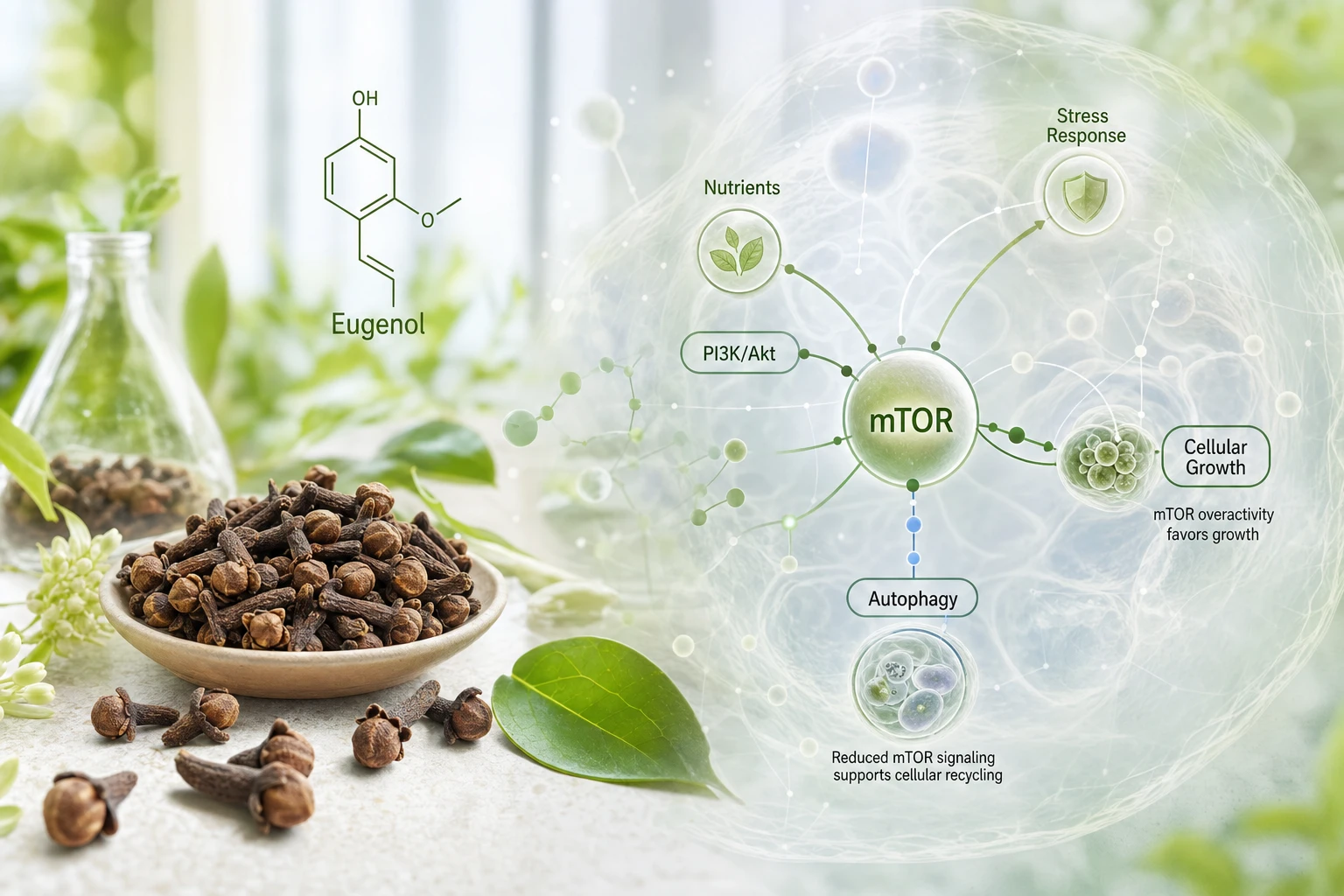
mTOR is a kinase, meaning an enzyme that regulates other proteins through phosphorylation and functions as a central node to integrate nutrient availability, growth signals, and energy status. When this axis remains overly active, the cell tends to prioritize synthesis and survival even in contexts of caloric excess or metabolic stress. When it rebalances, however, adaptation processes, including autophagy—the cell's internal recycling mechanism—can become more efficient. In cloves, the interest arises because eugenol and some bioactive fractions appear to intervene in this network in experimental models, suggesting a possible link between cloves eugenol metabolism and the regulation of cell growth [12,13,14].
In this context, cloves should not be interpreted as an mTOR "blocker," but as a possible modulator of its hyperactivation under experimental conditions. A useful example comes from HCT116 colorectal carcinoma: an active fraction of cloves inhibited PI3K/Akt/mTOR, inducing apoptosis, i.e., programmed cell death, while in another study on the same cell line, the same fraction linked the effect to autophagy mediated by the same axis [12,13]. Eugenol, in different models, has also shown mTOR modulation in association with AMPK, the AMP-activated protein kinase that signals energy scarcity, reinforcing the idea of broader control over cellular balance [14,15]. For the reader, the key point is this: the relationship between cloves and mTOR makes sense primarily as a biological interpretative key, useful for understanding why these compounds are studied in metabolism and chronic diseases, but not as a therapeutic shortcut.
To correctly interpret this data, it is useful to keep the different levels of observation together and connect them coherently:
- the PI3K/Akt/mTOR pathway can reduce pro-growth signals in pathological cells [12,13];
- autophagy can increase when the mTOR signal is contained [13,15];
- eugenol can also act in metabolic networks linked to oxidative stress, i.e., an imbalance between free radical production and antioxidant defenses, and chronic inflammation [16,14];
- preclinical results do not equate to a direct clinical effect in humans [12,13,14].
The role of mTOR helps connect cell growth, metabolic stress, and survival signals. In cloves, this axis becomes particularly interesting because eugenol and active fractions have been studied in in vitro and in vivo models with different but complementary readings.
What is mTOR and why does it matter in cellular metabolism?
Eugenol and inhibition of the PI3K/AKT/mTOR pathway
mTOR, cell proliferation, and apoptosis in pathological cells
Autophagy and mTOR: why this axis is of interest to phytocompounds
Cloves and colon carcinoma: what preclinical research indicates
Cloves, AMPK, and the energetic rebalancing of mTOR
The relationship between eugenol and metabolism primarily emerges when the cell must choose whether to consume or conserve energy. In cloves, scientific interest concerns the possible activation of AMPK, the cellular energy status sensor, and the inhibition of mTOR, a protein that coordinates growth and synthesis. These two pathways guide substrate utilization, autophagy (the controlled recycling of cellular components), and the stress response. In this context, the signal is not "more energy" in a generic sense, but a more orderly rebalancing of cellular processes.
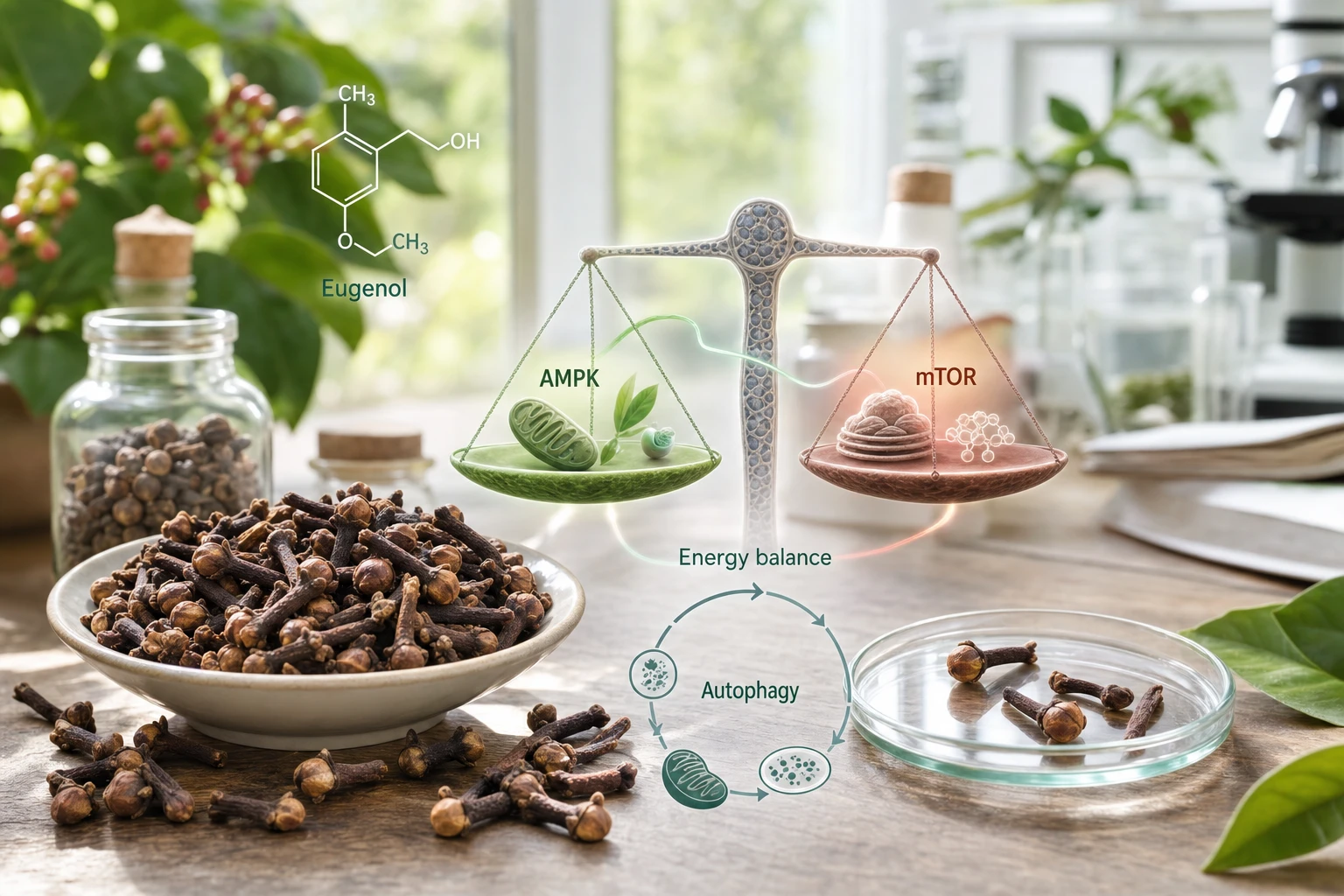
The central point when discussing cloves eugenol metabolism is not a generic "energetic effect," but rather the ability of certain phytocompounds to shift the cell towards a more prudent use of resources. AMPK is an energy state sensor: when available energy decreases, it tends to favor saving and adaptation processes, while mTOR coordinates growth and synthesis signals. In conditions of metabolic imbalance, this axis becomes interesting because it links oxidative stress, chronic inflammation, and the regulation of autophagy, which is the controlled recycling of cellular components. In cloves, eugenol and the polyphenolic fraction seem to act precisely in this direction, with an experimental rationale that should be interpreted as biological support and not as an autonomous therapy [1,3].
To navigate the data, it's useful to distinguish the levels of interpretation that recur in experimental and preclinical studies. The idea is not that a single compound "turns on" or "turns off" metabolism, but that it makes the response to available energy more efficient. This is relevant in conditions where the cell remains exposed to nutritional overload, redox stress, and persistent inflammatory signals. In such contexts, AMPK can reduce excessive anabolic signals, while mTOR can be remodulated to allow for defense and repair. The practical consequence is a cellular profile less prone to disordered lipid accumulation, suppression of autophagy, and loss of metabolic flexibility.
In experimental models, eugenol has shown a consistent relationship with this setup. In ischemia-reperfusion injury, i.e., the sequence in which a tissue receives blood and oxygen again after a period of deficiency, it contributed to a protective response associated with AMPK activation, mTOR inhibition, and autophagy recovery [15]. A similar picture has also been described in reviews on the therapeutic potential of eugenol in ischemia-reperfusion injuries [19], confirming that the topic is not limited to metabolism in the strict sense. In parallel, in fatty liver models, it reduced hepatic triglycerides by 45% and the steatosis score by 72%, suggesting that energy rebalancing concerns not only cell survival but also how the liver manages lipids [8]. In the same study [8], in vivo in HFD mice for 10 weeks, a-SMA also decreased by 36%, Col-I by 63%, and PAI-1 by 40%, while in vitro the effect was observed up to 100 µM. These data reinforce the idea that AMPK modulation intertwines with anti-fibrotic signals and with the regulation of SREBP1, which is one of the key nodes of lipogenesis. Studies on the PI3K/Akt/mTOR pathways, a circuit that integrates growth, cell survival, and protein synthesis, in other cellular models also recall the same underlying logic: balancing growth, survival, and autophagy [12,13].
In the metabolic context, this approach has also been explored for glucose and insulin resistance, i.e., the reduced ability of tissues to respond to insulin. A water-soluble extract rich in clove polyphenols, PCE 250 mg/day for 30 days, lowered pre- and post-prandial glycemia in n=13 subjects, of whom 7 were normoglycemic and 6 prediabetic [2]. This does not allow for definitive clinical conclusions, but it shows how the profile of clove compounds can affect the management of energy substrates. From a pathophysiological perspective, reducing glycemic peaks and containing the overactivation of nutrient-sensitive pathways is consistent with the call for AMPK, which is activated precisely when the cell needs to optimize fuel use. Preclinical studies on hyperglycemic models and type 2 diabetes have indeed linked eugenol to the modulation of glucose metabolism enzymes, oxidative stress, and inflammation [16,4,7,20].
The most useful data, from an institutional perspective, is that cloves do not act on a single target, but on an integrated network of signals. AMPK, mTOR, autophagy, lipogenesis, and antioxidant response are not separate processes: they mutually influence each other and determine the tissue's ability to remain functional over time. This is why the literature on eugenol, liver, muscle, and brain converges towards a single cautious interpretation: the compound can promote better adaptation to metabolic stress, but the clinical significance depends on dose, food matrix, duration of exposure, and initial health status [1,3,19]. In other words, cloves offer an interesting example of a phytocomplex capable of interacting with the main axes of energy regulation, without replacing validated dietary and therapeutic strategies.
- AMPK activation can reduce excessive anabolic signals.
- mTOR modulation can promote autophagy and adaptation.
- Eugenol can attenuate lipid accumulation and cellular stress.
- The response varies depending on the tissue and context.
To understand the role of cloves in this axis, it is useful to start with AMPK as an energy sensor and then follow its dialogue with mTOR in different experimental models.
What is AMPK and why is it considered an energy sensor
Eugenol, AMPK, and Protection from Hepatic Steatosis
Eugenol and ischemia-reperfusion injury: why the AMPK-mTOR axis is protective
Functional or Aberrant Autophagy: How to Interpret the Effects of Cloves
Autophagy is a cellular recycling process that becomes advantageous when it serves to remove damaged components and restore internal order. However, not every activation of the same process produces a useful effect: the context determines whether autophagy is functional or if it represents an incomplete or disordered response to stress. This point is central when interpreting the effects of eugenol, because its action on AMPK and mTOR should not be read as a simple "increase" or "decrease" in the signal, but as a modulation of how the cell adapts. In intestinal cells exposed to inflammation, for example, eugenol supplementation supported viability precisely through a more ordered autophagic response [6]. Conversely, in other biological models, the same network can be part of tumor survival strategies or pathological adaptation, which is why the direction of the effect must always be contextualized [12,13]. For cloves, therefore, the interpretative key is not autophagy itself, but the quality of its regulation and the type of stress the cell is subjected to.
Cloves and the improvement of insulin resistance
Improving insulin resistance does not depend on a single target, but on multiple signals that regulate glycemia, inflammation, and oxidative stress. In this context, cloves and eugenol in metabolism are studied as possible biological modulators, especially in preclinical models, i.e., in studies conducted first in animals or in the laboratory. The available data suggest a potential for support, but do not indicate a replacement for established therapies or dietary strategies.
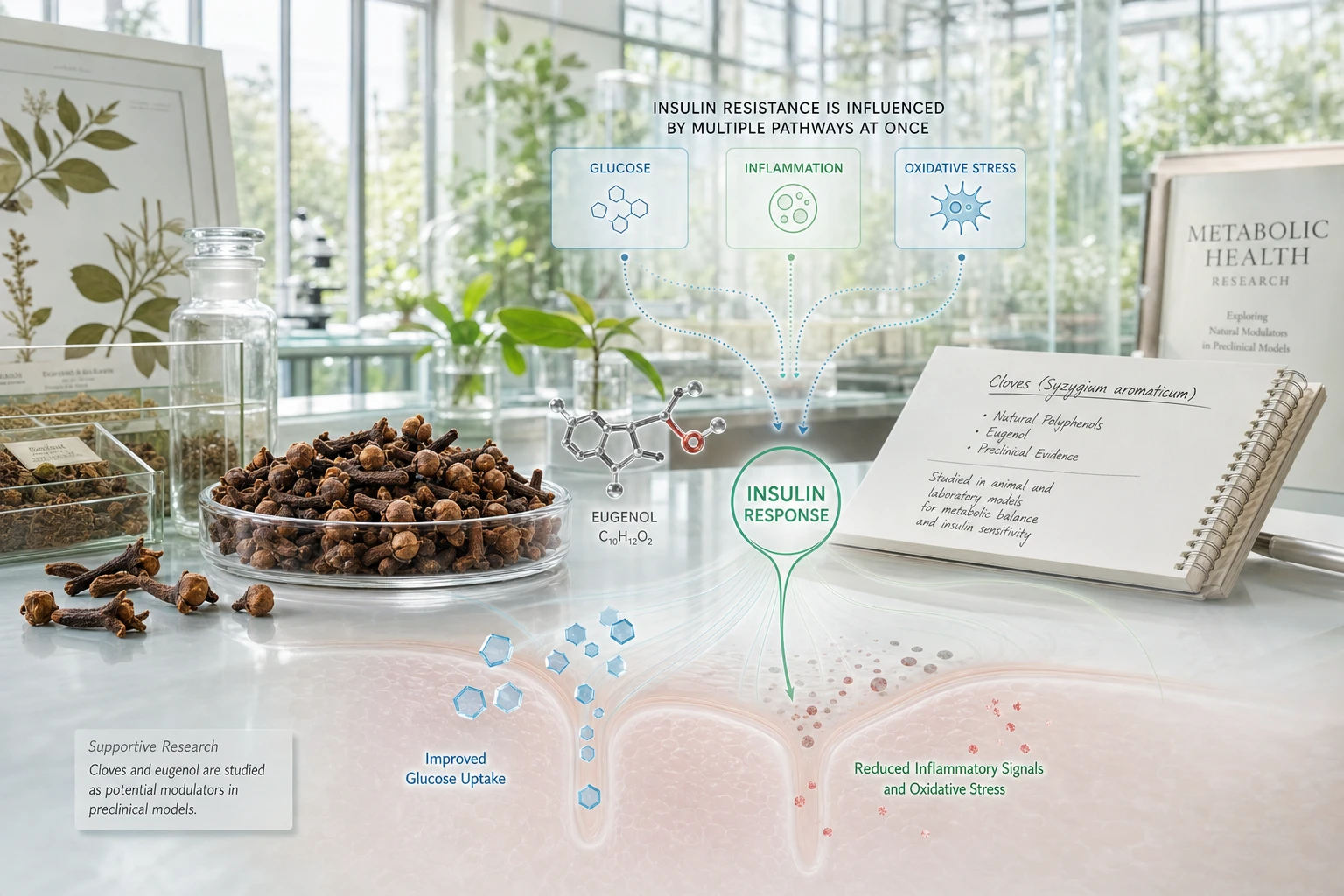
When the insulin response weakens, glucose enters tissues with more difficulty, and the body compensates with a greater hormonal load. Over time, this promotes alterations in glycemia and lipid management. In this context, cloves and insulin resistance are of interest because some of their compounds, especially eugenol, seem to act on multiple levels simultaneously: reduction of oxidative stress, attenuation of inflammation, and improved tolerance to metabolic load [4,7]. A preliminary study on diabetic rats showed that eugenol improved insulin resistance, oxidative stress, and inflammation [4]. In parallel, in a murine model, i.e., an experimental model conducted in mice, of type 2 diabetes induced by a high-fat diet and streptomycin, eugenol increased glucose uptake in skeletal muscle, reducing local inflammation [20]. These outcomes are relevant because insulin resistance often arises from an altered dialogue between the liver, muscle, and adipose tissue, with inflammatory signals blocking the normal transduction of the insulin signal, i.e., the transfer of information from the receptor to cellular responses. If the receptor and intracellular pathways respond poorly, glucose remains in the blood longer, and the cell uses available nutrients less efficiently. Eugenol, at least in the models studied, seems to intervene precisely in this circuit, reducing the mediators that hinder tissue response and improving peripheral energy availability.
A useful element is that the signal does not appear isolated: a review of murine hyperglycemic models described a consistent but still preclinical picture [7]. Furthermore, a water-soluble polyphenolic clove extract lowered pre- and post-prandial glycemia with 250 mg/day for 30 days in 13 subjects, 7 of whom were normoglycemic and 6 prediabetic [2]. This data is important because it moves the discussion beyond the laboratory alone, although without authorizing definitive clinical conclusions. The result suggests that clove compounds can modulate the glycemic response to a meal, a crucial moment for those with initial insulin resistance or unstable glycemic control. However, the study remains small, short, and insufficient to define efficacy, long-term safety, or superiority over established strategies. It is therefore essential to contextualize: a spice can accompany a broader dietary path, but not replace structured clinical and behavioral interventions. In other words, the potential is interesting, but it should be interpreted as biological support and not as an autonomous therapy.
These results help to view the spice as a potential metabolic adjuvant, not as an autonomous solution. The biological plausibility also derives from the fact that the insulin response is strongly conditioned by inflammatory tone and oxidative stress, two conditions that feed each other. In affected tissues, especially skeletal muscle and the liver, the accumulation of lipids and the excess of reactive oxygen species, i.e., excessively produced oxidizing molecules, compromise downstream insulin signaling. Cloves can therefore be seen as a source of bioactive compounds capable of influencing the overall metabolic environment, especially when the picture is supported by an unbalanced diet and a sedentary lifestyle. The following points clarify why muscle is a decisive target, how adipose tissue influences insulin resistance, and how clove polyphenols can be involved in controlling the oxidative and inflammatory environment:
- Skeletal muscle represents the main site of glucose uptake.
- Local inflammation can reduce tissue sensitivity to insulin.
- Visceral adipose tissue amplifies systemic metabolic disorder.
- Clove polyphenols can support redox balance.
- The evidence remains preclinical and should be interpreted with clinical caution.
Insulin resistance involves different tissues and should therefore be viewed as a network problem, not a single organ problem. In the following passages, the focus shifts to muscle, visceral adiposity, and redox-inflammatory mediators that can explain the role of cloves.
What is insulin resistance and why does it worsen metabolism
Insulin resistance is a reduced ability of tissues to respond to the insulin signal, leading to a compensatory increase in hormonal secretion and progressive metabolic imbalance. Over time, this picture promotes hyperglycemia, dyslipidemia, and chronic low-grade inflammation. Insulin, under normal conditions, helps glucose enter cells and regulates nutrient metabolism; when the signal is poorly received, the system loses efficiency. This factor is important because it allows for a correct understanding of the biological target on which cloves act. Without this basis, there is a risk of attributing generic effects to the spice without knowing which physiological step is actually being referred to. In clinical practice, the problem concerns not only glycemia but also the lipid profile, body fat distribution, and tissue response to metabolic stress. In this sense, insulin resistance is a systemic phenomenon, in which the liver continues to produce glucose, the muscle uses it less effectively, and adipose tissue releases signals that worsen the picture. The next step will be to develop the causes, involved tissues, and differences between muscular, hepatic, and adipose insulin resistance, useful for avoiding excessive simplifications. From here, it becomes clearer why muscle is a key target for glucose.
Eugenol and improved glucose uptake in muscle
Skeletal muscle is one of the main tissues responsible for glucose uptake, thus representing a fundamental target for understanding the metabolic effects of cloves. Some preclinical studies indicate that eugenol may promote glucose absorption through pathways involving AMPK and GLUT4 translocation. AMPK is a kinase, meaning an enzyme that regulates other proteins by adding phosphate groups, and signals an unfavorable energy state; GLUT4 is a glucose transporter that, when brought to the cell membrane, facilitates the entry of sugar into the cell. In a study on murine models of type 2 diabetes, eugenol increased glucose uptake in muscle by reducing inflammation [20]. This effect is consistent with improved peripheral insulin sensitivity, because muscle consumes much of the glucose after a meal and contributes decisively to glycemic balance. The mechanism can become even more relevant when considering that AMPK activation tends to favor metabolic pathways that improve energy utilization and limit substrate accumulation. This does not equate to a guaranteed clinical effect, but offers a coherent biological rationale. We will subsequently develop the connection with exercise, insulin sensitivity, and peripheral metabolism. The important thing to remember is that the effect observed in the laboratory cannot be automatically translated into a universal practical recommendation. From muscle, we move to adipose tissue, where visceral fat contributes to metabolic dysfunction.
Cloves, visceral obesity, and adipose tissue
Visceral obesity is one of the contexts in which insulin resistance tends to be more pronounced. Cloves become interesting when considering their possible effect on adipose inflammation, lipid metabolism, and communication between adipose tissue and other organs. Adipose tissue is not just an energy store: it also produces hormonal and inflammatory signals that influence the rest of the body. This is why its dysfunction has a systemic impact. In a murine model fed a high-fat diet, eugenol reduced adiposity and modulated the gut microbiota, i.e., the set of microorganisms that inhabit the intestine, suggesting that adipose tissue is not the only target but part of a broader network [5]. This observation is relevant because the microbiota can influence intestinal permeability, inflammation, and bile acid metabolism, all elements that interact with insulin sensitivity. In other words, the effect does not seem limited to a single cell but concerns a more complex gut-adipose-metabolic axis. This step is useful because it broadens the focus beyond glycemia and allows us to concentrate on obesity, visceral fat, and functional spices. In this context, the potential contribution of cloves should be interpreted as a modulation of the environment, not as a direct reduction of body fat. The next step will explore interactions with leptin, adipocytes, and metabolic flexibility, always with caution in interpretation. The following section connects the topic to antioxidant protection, another central piece of the puzzle.
Clove polyphenols and metabolic oxidative stress
Oxidative stress is one of the factors that worsen insulin sensitivity and amplify metabolic dysfunction. Clove polyphenols are particularly interesting because they can help rebalance this environment, promoting a more orderly tissue response to insulin stimulation. Polyphenols are plant compounds with antioxidant and modulating activity, and in cloves, they are associated with the overall biological effect of the spice. In an active comparative study, a polyphenol extract from clove buds improved intracellular redox homeostasis and glucose metabolism in healthy and prediabetic subjects [3]. This step is also important because it suggests that the potential does not depend solely on isolated eugenol, but on the set of phytocompounds present in the plant matrix. From a pathophysiological perspective, improved redox balance can reduce the activation of signals that interfere with the insulin receptor and intracellular glucose pathways. This aspect is important both for the reader seeking a direct link with antioxidants and for the text's architecture, where it connects redox and metabolism. However, an antioxidant action does not automatically mean clinical improvement: the context, dose, and form of administration must always be verified. The next section will delve into the relationship with glutathione, Nrf2, and inflammatory cytokines. The final step of the section concerns when this support can truly make sense.
Cloves, AMPK, AS160, and GLUT4
From a metabolic perspective, the decisive step is not just "activating" a signal, but getting glucose to where it is truly needed. In cloves and eugenol, the biological rationale passes precisely through AMPK, AS160, and GLUT4, with possible effects on cloves, glycemia, and insulin resistance. The evidence remains experimental, but the mechanism is consistent with improved peripheral glucose uptake, meaning its entry into the tissues that utilize it.
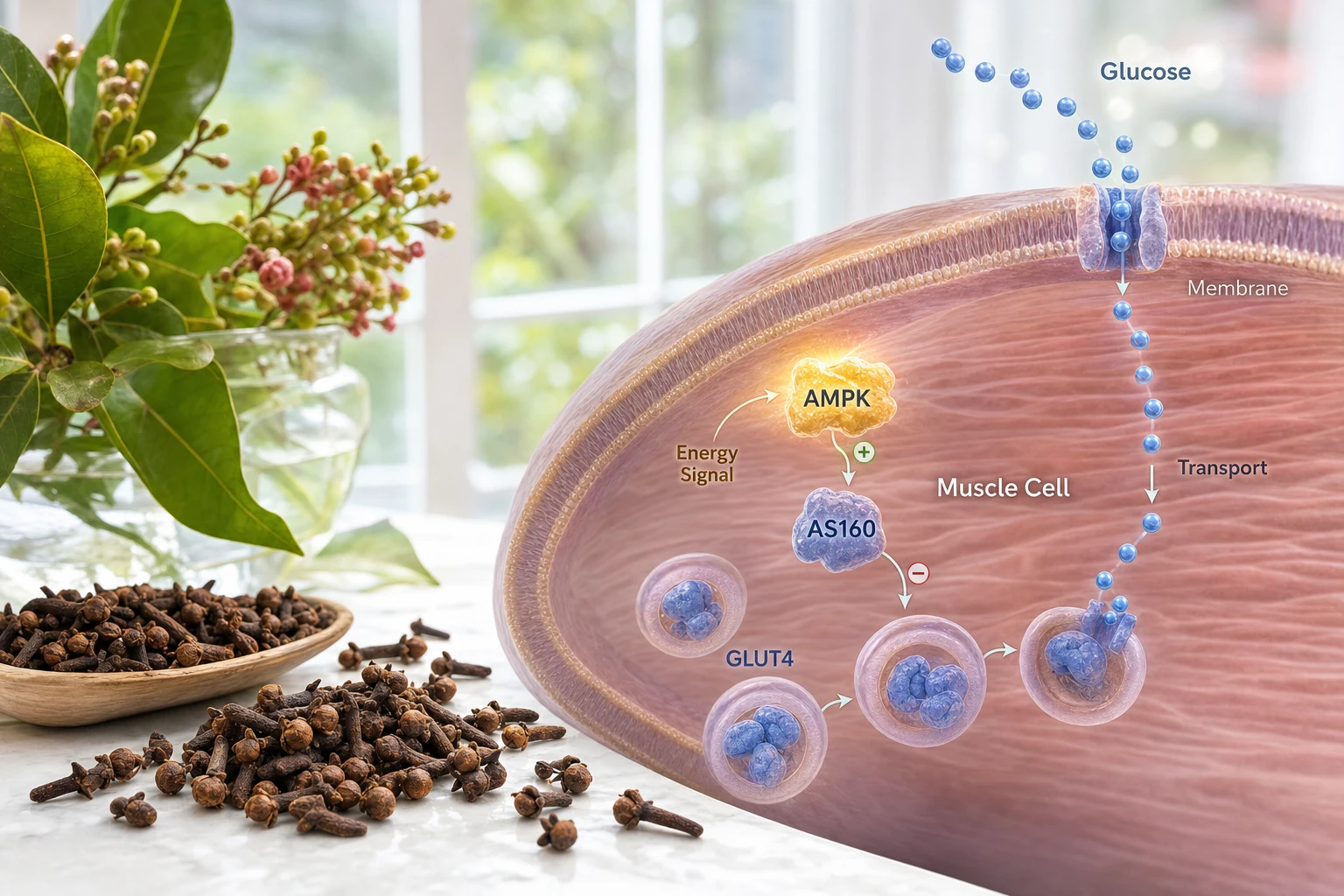
In skeletal muscle, the control of glucose entry also depends on a very precise chain of events. AMPK, a protein sensitive to the cell's energy state, can promote the phosphorylation of AS160 and make GLUT4 translocation to the membrane more efficient. AS160, a regulatory protein of intracellular trafficking, acts as a "brake" on the vesicles that transport GLUT4. When that brake is released, glucose enters more easily. This step is particularly relevant in models of insulin resistance, because it shows that the problem is not only related to the hormonal signal, but also to the final availability of the transporter, i.e., the protein that allows glucose to cross the cell membrane.
In this context, the interest in eugenol is not about a generic effect, but its ability to converge on a concrete mechanism that links cellular energy and glycemic management. In vitro and in vivo, i.e., in isolated cells and living organisms, compounds similar to cloves have shown AMPK activation and increased GLUT4 translocation, supporting the hypothesis of support for peripheral glucose uptake [21,22,23,24]. A useful example is isoeugenol, a compound structurally similar to eugenol, which in muscle cells increased the expression and passage of GLUT4 to the plasma membrane; the result, however, remains preliminary and does not equate to a certain clinical effect. The most correct interpretation is therefore mechanistic: these phytocompounds, i.e., bioactive compounds of plant origin, can contribute to making a pathway already central to muscle metabolism more efficient, without replacing dietary or pharmacological interventions when necessary.
On this basis, data on Syzygium aromaticum and its phenolic compounds, plant-derived substances with biological properties studied in experimental models, appear to act along the same functional axis in some contexts. The key points can then be read more linearly:
- AMPK can initiate the signal that facilitates GLUT4 movement.
- AS160 represents a crucial intermediate node for enabling transport.
- The cell membrane receives more GLUT4 and improves glucose uptake.
- Clove compounds can integrate into this circuit.
The molecular pathways connecting cloves to metabolism are more understandable if one observes the AMPK-AS160-GLUT4 sequence, i.e., the chain of events that carries the signal to the transporter. The three nodes explain why the topic is not just about glycemia in the abstract, but about how glucose truly enters cells.
AS160: the regulator that frees up GLUT4 traffic
Eugenol and GLUT4 Translocation Activation
GLUT4 and selective insulin resistance: an often overlooked aspect
Cloves and physical activity: convergences on AMPK and GLUT4
AMPK, AS160, and GLUT4 in peripheral tissues: how the signal is translated
The AMPK-AS160-GLUT4 pathway makes sense primarily because it produces a tangible effect: greater availability of transporters on the membrane and improved glucose uptake. In peripheral tissues, this translates into a more efficient metabolic response, particularly relevant in the presence of insulin resistance. Muscle is the main protagonist in this process because it responds significantly to energy signals and insulin. The central element is GLUT4 trafficking: without translocation, the signal remains incomplete even when receptors are functional. The example of eugenol and isoeugenol helps to interpret the process as a concrete, not abstract, sequence [4,23,24]. Prospectively, this axis explains why some plant-based interventions are being studied as metabolic management supports, albeit with still preliminary evidence. Later, the text will delve into how the signal is modulated by nutrients, exercise, and plant compounds. After the biology of the signal, the discussion returns to daily practice: when support truly makes sense.
Cloves and practical metabolic prevention
The benefits of metabolic prevention with cloves depend primarily on how they are used, not on pharmacological expectations. In cooking, they can contribute to a diet richer in bioactive compounds, which are natural substances present in foods that perform useful biological activities, while extracts require a more cautious interpretation. The most useful idea is to integrate Syzygium aromaticum, the botanical name for cloves, into a consistent dietary context, paying attention to glycemia, regularity of use, and the overall quality of the diet.
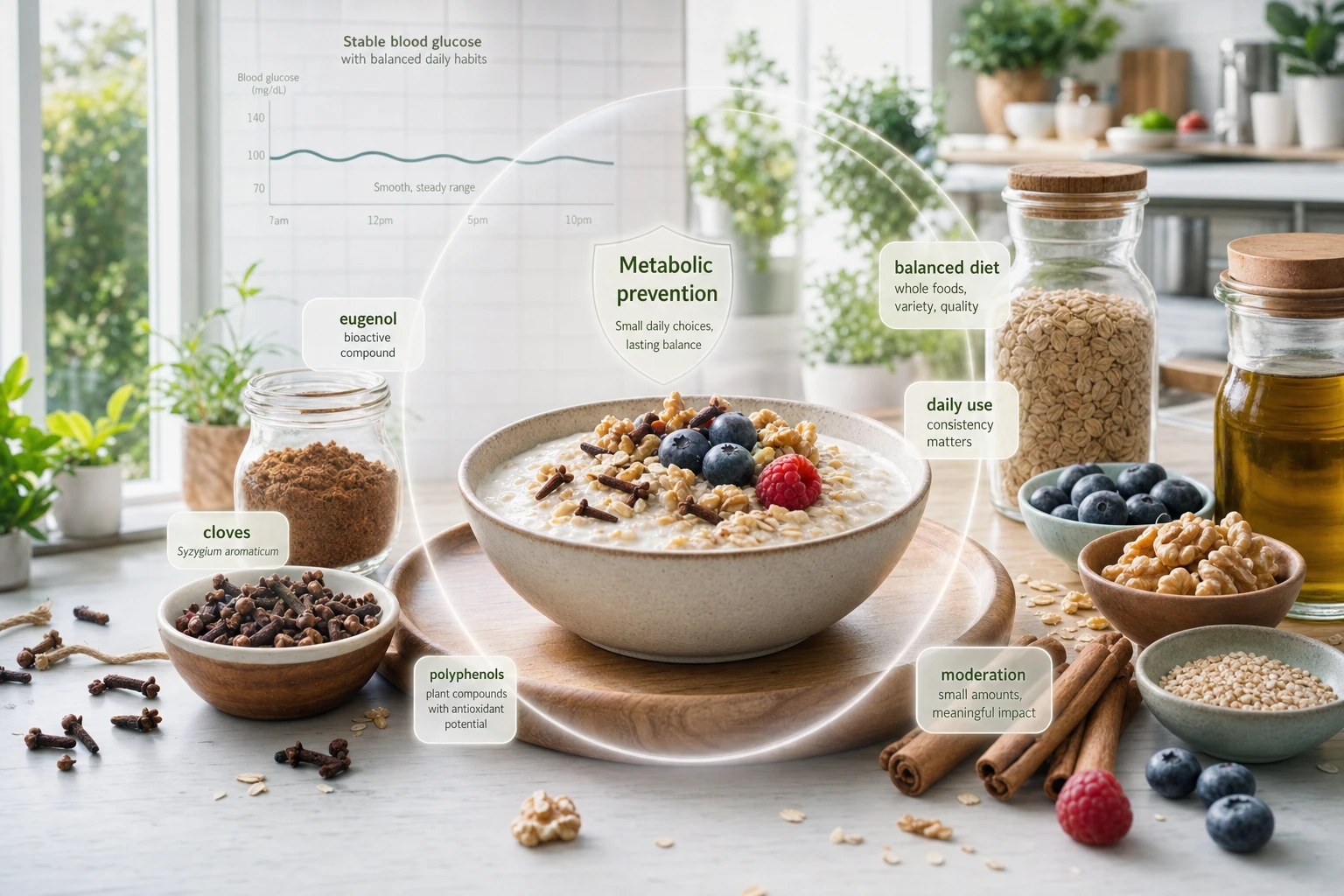
Metabolic prevention with cloves works best when it remains anchored to daily cooking and not to the search for an immediate "curative" effect. In this context, the practical value of the spice derives mainly from the presence of eugenol, a natural aromatic compound with biological activity, and other clove polyphenols, which are plant molecules with antioxidant potential. These components can accompany a dietary pattern already oriented towards weight control, glycemia, and fat quality. Regular but moderate use is more sensible than episodic high doses, because the goal is to build sustainable habits and not to chase the effects of concentrated supplementation. In the small human study with 250 mg/day of polyphenol extract for 30 days, on 13 participants including normoglycemic individuals (i.e., with normal blood sugar levels) and prediabetics (i.e., with initial alterations in glucose metabolism), an improvement in glycemic values was observed, suggesting a possible practical utility within a coherent dietary framework [2]. This result is interesting because it fits into a logic of primary prevention: it does not promise a substitute effect for therapy, but indicates that a mild and continuous modulation can be plausible when starting from a well-structured diet.
The clinical sense of this approach is reinforced by the fact that metabolic dysfunction often arises from an intertwining of caloric excess, low-grade inflammation, insulin resistance (i.e., a reduced tissue response to insulin), and alterations in the lipid profile. Clove compounds alone do not correct these mechanisms, but can act as dietary cofactors, especially when the diet already reduces free sugars, unfavorable fats, and energy density. Eugenol, in particular, is studied for its antioxidant, anti-inflammatory effects and for modulating cellular pathways involved in metabolism, but such activities emerge under very controlled experimental conditions [1,16]. For this reason, practical prevention must remain cautious: the expected benefit is additive, meaning it adds to that of the diet, not definitive, and depends on the continuity of intake, the quality of the rest of the diet, and the presence of clinically relevant risk factors. In other words, the value of the spice increases when it is part of a stable and well-constructed eating habit.
This approach helps to place cloves within a realistic metabolic prevention: they can enrich the diet, but the benefit depends mainly on the overall context. In experimental models, in fact, eugenol is studied at doses and times very different from domestic use, and the results on adiposity (i.e., accumulation of adipose tissue), glycemia, and inflammation must be interpreted with caution before being translated into practice [8,5,16]. In the work on steatosis (i.e., fat accumulation in the liver) and hepatic fibrosis (i.e., excessive scar tissue formation in the liver), eugenol showed in vitro effects (i.e., in the laboratory on controlled cells or biological systems) up to 100 µM and, in HFD mice (i.e., fed a high-fat diet) for 10 weeks, it reduced hepatic TG by 45%, steatosis score by 72%, a-SMA by 36%, Col-I by 63%, and PAI-1 by 40% [8]. These numbers suggest significant biological potential, but also the distance between the experimental model and current dietary use. In other words, the spice can play a useful role if it remains part of a stable dietary strategy that prioritizes regularity, moderation, and continuity.
To translate this information into daily behavior, it is advisable to distinguish between culinary use, infusion, and concentrated products, so as not to overlap very different levels of exposure. The practical points to keep in mind are clear:
- Whole spice is useful when aroma and simple quantity control are needed.
- Powder distributes better but requires more attention to portion size.
- Infusions offer easy use, without equating to standardized concentrates.
- Extracts should be considered functional products, not cooking spices.
To make this setting operational, it is advisable to clearly separate the forms of use and the concentration level. The following steps help to understand what changes between cooking, infusion, and supplements, and when caution should increase.
How much to consume cloves in cooking
Cloves in powder, whole, or as an infusion
How to read clove supplement labels
Clove-based supplements may contain extracts, i.e., concentrated preparations obtained from the plant, different titrations, or combinations with other ingredients. For this reason, reading the label is essential: it is necessary to understand if the product is a standardized extract, which part of the plant was used, and if the eugenol concentration is declared. Without this data, it is difficult to assess the real difference between a food spice and a concentrated formulation. This attention is particularly important in an area such as metabolic prevention, where the risk is not only ineffectiveness but also excessive expectations towards a product that is designed to be used differently from cooking. The available studies on eugenol show promising effects in experimental models, but precisely for this reason, the quality of information on the label helps to avoid improper inferences. In practice, the label is the first filter to distinguish a reasonable dietary support from a product that requires more careful evaluations [29,1,16]. The interpretation must also consider the duration of use, the presence of other active ingredients, and the clinical context: a formulation for general well-being is not equivalent to an extract studied in the laboratory. When a product reports associations, the reader should ask whether it is a functional food, i.e., a food with potentially useful effects beyond nutrition, or a concentrate with implicit pharmacological potential. This distinction helps to avoid over-expectations and to maintain focus on prevention, which requires consistency more than intensity.
Cloves and safety: when it's advisable to limit use
Even a spice traditionally used in cooking warrants caution when moving to concentrated doses or non-food uses. Safety depends on the form, quantity, duration of use, and individual context, so one cannot simply reason by analogy with home cooking. In particular, essential oil, which is the highly concentrated volatile fraction of the plant, and extracts require greater attention than the whole spice, because the concentration of active compounds changes significantly. This difference is central for those seeking a preventive effect without transforming the product into a pharmacological surrogate. In preclinical models, for example, eugenol and clove fractions show activity on metabolic and inflammatory pathways, but such data do not authorize indiscriminate use in the general population [5,12,15]. The literature on insulin resistance, oxidative stress, and autophagy/AMPK, which is a cellular system for regulating turnover and energy, suggests an interesting biological rationale, but the transition from animal to human remains the most delicate point [14,19,15]. The most prudent choice therefore remains to consider cloves as part of a varied diet, limiting concentrated uses when they are not truly necessary. In people with chronic conditions, polypharmacy (i.e., simultaneous use of multiple medications), or digestive sensitivities, the evaluation must be even more careful. This concludes the practical section, and we now move on to a comparison with other options and common myths.
Cloves: Nutritional Comparison and Myths to Clarify
When comparing cloves with other spices, the point is not to declare an absolute winner, but to understand the form, dose, and objective of use. The properties of cloves should be interpreted with caution: eugenol, the main aromatic phenolic compound in the spice, and polyphenols, a class of plant molecules with antioxidant activity, can offer an interesting rationale, but they do not transform the spice into a universal remedy.
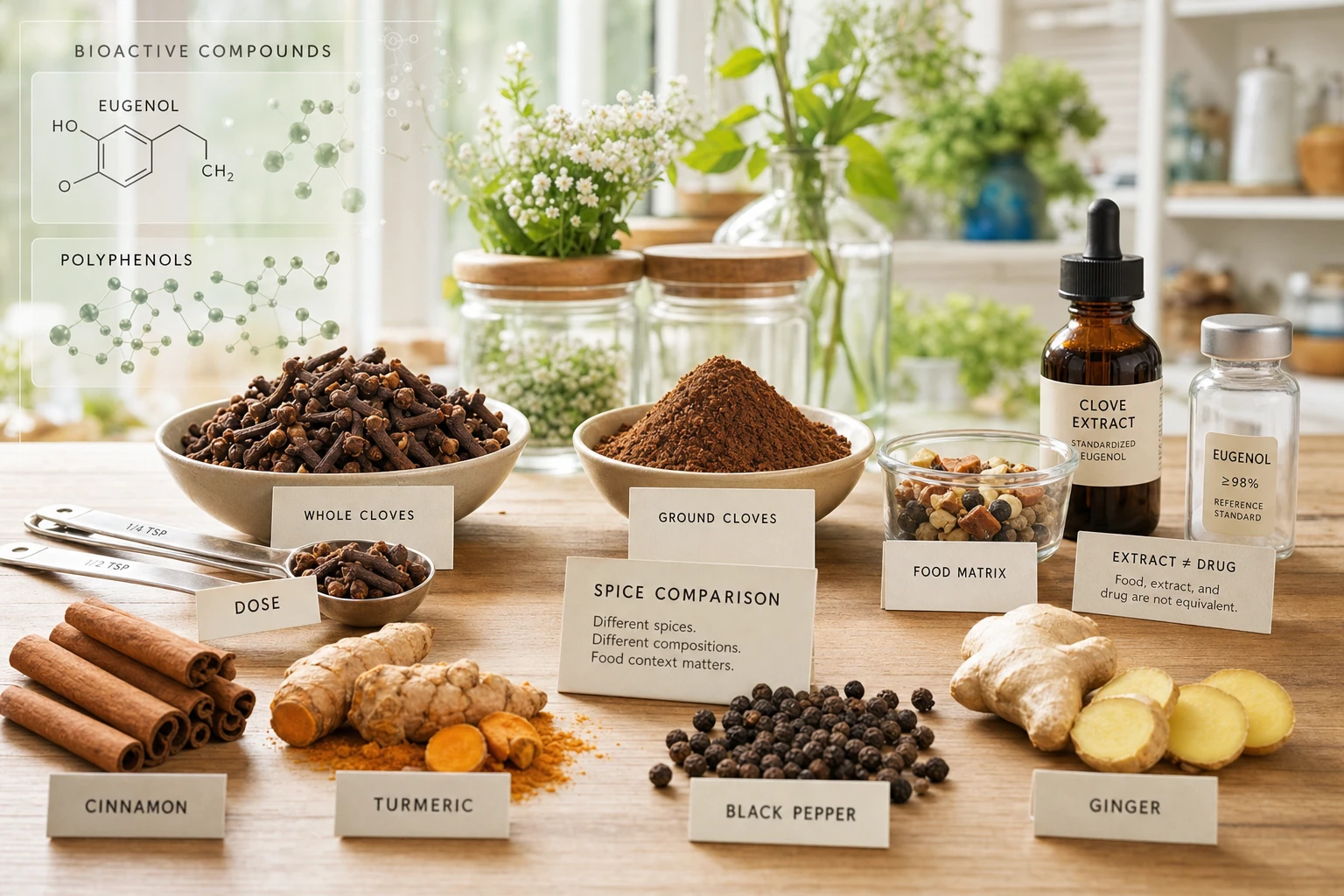
In nutritional comparison, cloves should be understood as a spice with a high density of bioactive compounds—molecules present in foods that can interact with biological processes—and not as a solution equivalent to an extract or a drug. Nutritional comparison means precisely this: comparing the food matrix, the concentration of active ingredients, and the context of use, so as to avoid attributing effects observed only in standardized preparations to daily cooking. In the case of cloves, the most discussed rationale concerns eugenol, the main phenolic aromatic component, and the set of clove polyphenols—plant substances with potential antioxidant activity that can support the control of oxidative stress (i.e., an excess of reactive species harmful to cells) and chronic inflammation in experimental models [1,30]. However, the fact that a spice is biologically interesting does not automatically imply a broad or consistent clinical impact on glycemia, weight, or insulin resistance (i.e., the reduced tissue response to insulin).
One of the most common myths is to think that cloves "lower blood sugar" directly and always predictably. In reality, available data suggest, if anything, potential metabolic support dependent on the form of intake, product quality, and the overall dietary profile. Referring to dietary guidelines remains useful because it places the spice within a balanced eating model and not as a substitute for it [31,32]. From this perspective, comparing it with other spices helps clarify differences in composition and intensity of use, while the myth to debunk is the idea that a single spice can solve complex metabolic problems. The most correct interpretation is therefore cautious: cloves can play a contextual role, but not a shortcut [1,30].
To guide the reader between realistic expectations and simplifications, it is useful to distinguish some key points, because it is precisely here that one understands how easy it is to confuse practical utility and popular myth:
- Culinary spice and concentrated extract are not equivalent in exposure.
- Preclinical observations, i.e., obtained in the laboratory or in animal models, do not automatically authorize extensive clinical conclusions.
- The role of eugenol must be interpreted together with the food matrix.
- Online promises often ignore dose, context, and duration of use.
- Correct comparison helps separate practical utility and health myth.
The two most useful comparisons are between the spice and the extract, and between concrete utility and popular myth. This also clarifies why interpreting data on eugenol and metabolism requires caution.
Natural cloves or standardized extract: what changes
Cloves and the myth of the universal remedy
The myth of the universal remedy arises when a food is presented as useful for everything, without considering individual variability, quality of evidence, and the type of outcome measured. In the case of cloves, this simplification is particularly misleading because it mixes prevention, metabolic support, and presumed therapeutic effects as if they were the same thing. In reality, the available literature mainly shows promising but not conclusive signals, with strong heterogeneity in models and outcomes, i.e., the observed results. Some reviews on the effects of eugenol describe interesting pharmacological properties, but their interpretation always requires a precise context [1,34]. Saying that a spice "is good for you" is not equivalent to saying that it can replace a nutritional strategy, let alone a therapy. The myth is easily fueled on social media because it offers a simple narrative, but science works more selectively: a substance can be consistent with a goal without being effective for every person, at every dose, and at every stage of the disease. For this reason, comparison with clinical reality remains indispensable [30].
Cloves and natural alternatives: comparison with other spices
Comparing cloves with other spices primarily helps us understand that the nutritional profile depends not only on the aroma but also on the chemical composition and the quantity typically consumed. Some spices are distinguished by sulfur compounds, others by phenolic molecules, and still others by greater gastronomic than biological relevance. Cloves have a very distinct identity due to eugenol, but this does not automatically make them superior to other spices metabolically. In comparisons between functional botanicals, the risk is to create artificial rankings instead of interpreting data based on context: a spice might be more useful in an experimental model and less relevant in daily use, or vice versa. Even in preclinical literature, i.e., studies conducted before clinical trials in humans, the effect of a plant matrix does not necessarily coincide with that of its single main compound. Therefore, the most accurate comparison considers dose, form, and objective, not an abstract superiority. Correct communication must thus avoid transforming the presence of a phytocompound, a natural substance with possible biological activity, into a promise of generalized efficacy, especially when actual consumption occurs in very low culinary quantities [1,30].
What science says about cloves and metabolism
The science on cloves and metabolism indicates promising rationale, but it is not yet sufficient for strong clinical conclusions. The most robust data remain concentrated on preclinical models, where eugenol and fractions of Syzygium aromaticum show effects on steatosis, i.e., fat accumulation in the liver, oxidative stress, and intracellular signals, meaning the biochemical messages exchanged within cells, linked to energy regulation [8,12,14]. These results are interesting because they suggest a possible interaction between cloves and central metabolic nodes, but they must be interpreted with caution: the transition from animal to human is never linear. On the human front, evidence is still limited to a few small studies, such as the one with 250 mg/day for 30 days in 13 participants [2]. This imbalance between preclinical and clinical explains why the topic remains promising but not definitive. Talking about the benefits of eugenol is only correct if it is specified that, today, these are mainly biologically plausible hypotheses rather than consolidated therapeutic proofs. In practice, the literature suggests a useful research direction, but it does not justify triumphalistic interpretations or simplifications regarding human metabolism [1,30].
Cloves or supplement: which choice makes more sense
The choice between cloves as a spice and as a supplement depends on the actual goal, not on a presumed absolute value of the "stronger" form. For daily food use, the spice can fit into a model consistent with nutritional guidelines, while a standardized extract is more suitable for a study context or targeted nutraceutical reasoning [31,32]. The decisive point is that the supplement introduces greater dose precision, but also a greater need for caution in evaluating the risk-benefit ratio. Available evidence does not show that higher concentration automatically means greater efficacy, and domestic consumption should not be confused with a highly titrated formulation. Furthermore, when talking about cloves and insulin resistance or cloves and glycemia, it is essential not to jump from experimental data to practical promises. The sensible choice, today, is to use the spice as part of a varied diet and to consider supplementation only when the overall picture and product quality truly justify it [2,1].
Cloves: safety and attention to critical usage issues
From a practical standpoint, the safety of cloves primarily depends on their form of use: spice, extract, and essential oil do not have the same exposure profile. In nutritional contexts, the issue is not only about the potential benefits of eugenol, the main aromatic compound in cloves, but also about tolerability, dosages, and situations where caution is needed. This is even more true when discussing the relationship between cloves, eugenol, and metabolism.
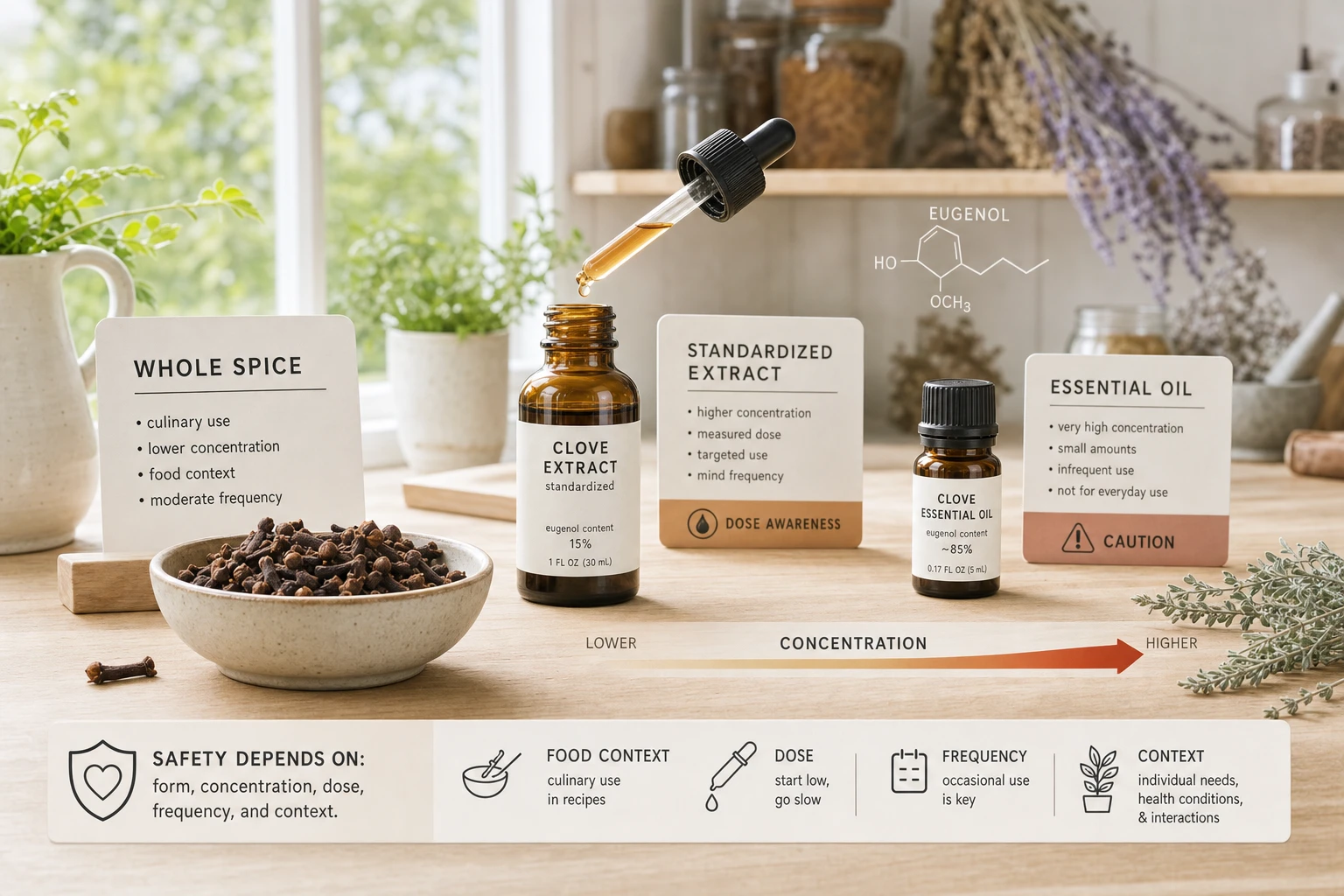
Evaluating the safety of cloves starts with a simple principle: the spice used in cooking is not equivalent to a standardized extract, nor, especially, to essential oil. A standardized extract refers to a preparation in which the quantity of active compounds is made constant, thus providing a more predictable content compared to the raw material. Criticality of use means precisely this: the risk profile changes based on the concentration of active compounds, the frequency of intake, and the individual context. In daily food practice, the margin of use generally remains broad, but when moving to concentrated formulations, exposure to eugenol increases, and with it, the need for caution. For this reason, rather than seeking "strong" effects, it makes sense to consider proportion, duration, and compatibility with the intended use.
This approach is also important because eugenol does not act in a single way. In experimental literature, for example, effects on glycemia, inflammation, oxidative stress, and lipid metabolism have been described [8,16,9,4,7,20]. Glycemia refers to the concentration of glucose in the blood, while inflammation is the body's defensive response to a harmful stimulus; oxidative stress indicates an imbalance between reactive species and antioxidant systems, and lipid metabolism concerns all the processes by which the body manages fats and cholesterol. However, biological potential does not equate to an indiscriminate practical indication. The same pathways that make the compound interesting, such as the modulation of enzymes, inflammatory signals, and hepatic metabolism, can become less predictable when the dose increases or when other clinical factors are combined. From this perspective, hepatic metabolism refers to the chemical transformations that occur in the liver and influence the elimination and activity of substances. In the logic of prevention, therefore, safety is not a separate issue from efficacy: the two dimensions are evaluated together, with attention to the form of intake and the person's profile.
A useful piece of information for guidance is that, in the available clinical study, a water-soluble extract rich in clove polyphenols was administered at 250 mg/day for 30 days to 13 subjects, 7 of whom were normoglycemic and 6 prediabetic, with a favorable effect on pre- and post-prandial glycemia [2]. Polyphenols are plant compounds known for their antioxidant activity, while prediabetic refers to people with blood glucose levels higher than normal but not yet in the diabetic range. This information helps to avoid inappropriately equating food doses with supplement doses. The result should be read as a signal of interest, but also as an example of measured use, limited in time and in a small sample. Precisely for this reason, the data cannot be transferred to scenarios of prolonged self-medication. On the experimental side, clove essential oil showed hypoglycemic activity in STZ diabetic rats at 20 mg/kg BW, with a significant reduction in glycemia and total cholesterol and with an IC50 against α-amylase of 298.0±2.75 μg/mL [33]. Essential oil refers to the concentrated and volatile aromatic fraction of the plant, while STZ indicates streptozotocin, a substance used to induce diabetes in animal models; α-amylase is an enzyme that contributes to starch digestion, and IC50 represents the concentration required to achieve 50% of the observed inhibitory effect. However, the biological potency observed in animal models does not coincide with a sufficient safety profile for free use. From a cautious perspective, cloves remain interesting as a food, but concentrated formulations should be considered carefully, especially if the goal is prolonged use or in fragile individuals.
Before extending the reasoning to practice, it is useful to distinguish the points that make this topic central:
- The actual dose varies greatly between spice, extract, and essential oil.
- Tolerability also depends on the duration of exposure.
- People undergoing therapy require greater caution.
- Concentrated uses should not be confused with food uses.
In the final part of the article, the focus shifts from biological effects to the safest conditions of use. The following points clarify when caution is sufficient and when, instead, the concentrated form requires more careful evaluation.
Cloves and safety of use in daily diet
In normal food consumption, cloves are used in small quantities, which limits overall exposure to eugenol and other aromatic constituents. Safety, however, does not depend solely on the absolute quantity: frequency, duration, and individual sensitivity also matter. Sporadic use in cooking has different implications than daily and repeated intake, especially when the spice becomes part of a "do-it-yourself" health strategy. In terms of public communication, it is important to avoid a common misconception: natural does not automatically mean free of side effects. For this reason, the most reasonable criterion remains moderation, i.e., use consistent with diet and not with disproportionate therapeutic expectations. Within the framework of the relationship between cloves, eugenol, and metabolism, safety is therefore a contextual issue even more than an ingredient issue. A realistic approach also helps not to overestimate the possible benefits of clove polyphenols when consumed outside a balanced dietary model. Furthermore, available data on glycemia and metabolism often derive from controlled experimental conditions [2,16,3], while in daily life, variables such as meal composition, dietary adherence, and potential comorbidities come into play. The correct evaluation, therefore, does not concern only the single food, but its inclusion in the overall dietary profile.
Clove essential oil: why it requires caution
Essential oil concentrates a much higher proportion of volatile compounds than the spice, and this substantially alters the exposure profile. It is useful for the reader to remember that a concentrated formulation is not simply a "stronger version" of the culinary product, but a preparation with different usage and tolerability considerations. Experimental literature shows relevant biological activities even at low doses: in STZ diabetic rats, 20 mg/kg BW of essential oil reduced glycemia and total cholesterol, with an inhibitory effect on a-amylase documented by an IC50 of 298.0±2.75 μg/mL [33]. These results explain why essential oil is studied, but do not authorize considering it suitable for home self-management. In particular, unguided or repeated use can amplify critical issues compared to simple food use. The reason is physiological: when concentration increases, the probability of interactions with metabolic and enzymatic pathways already engaged by drugs, diet, or inflammatory state increases. Therefore, if the goal is nutritional prevention, the spice in cooking remains the most prudent reference; concentrated extracts and essential oils, on the other hand, require a more rigorous evaluation of dose and context.
Cloves and possible interactions: when to seek advice
When considering cloves, one must take into account not only the product but also the person consuming it. Pharmacological therapies, digestive fragility, liver conditions, pregnancy, and other clinical contexts may warrant a consultation with a healthcare professional. The point is not to create alarm, but to avoid the mistake of applying the same consumption rule to everyone. This is even more true for concentrated formulations, where the higher availability of eugenol can make tolerability less predictable compared to culinary use. In a scientific reading of safety, the advice is not to give up the spice, but to incorporate it into a proportionate framework compatible with the individual's profile. Even studies on metabolic effects do not replace this evaluation, because efficacy data does not automatically coincide with appropriateness of use. For this reason, the correct question is not whether cloves "work," but in what form, at what dose, and for which people their use is truly sensible. Caution is particularly useful for individuals taking multiple herbal products together, because the sum of intakes can increase overall exposure without the consumer realizing it. In the presence of chronic diseases, the safest choice is to discuss use with your doctor, to avoid unnecessary overlaps or unrealistic expectations.
Common mistakes in using cloves
The most frequent mistakes concern overestimating the effect, using excessive doses, confusing the spice with the extract, and expecting an aromatic substance to replace broader dietary interventions. Another common misconception is thinking that if a product has been studied in the laboratory or in animal models, it can be directly replicated in daily practice. In the case of cloves, this risk is particularly relevant because the concentration of active compounds varies greatly between different forms of use. The reference to possible effects on glycemia and metabolism should also be interpreted with caution: signs of scientific interest do not eliminate the need for measurement, especially when talking about prolonged or concentrated use. The key point, therefore, is to avoid both excessive enthusiasm and prejudiced rejection. Safety comes from proportion, product quality, and consistency between objective and form of use. From this perspective, supplementation should be seen as a possible support, not as a therapeutic shortcut. If the use is dietary, the reference remains the spice in normal quantities; if it is extractive or essential, stricter criteria for selection, dosage, and supervision are needed.
Comparative overview
The following table summarizes the most important concepts that emerged in the article, to immediately distinguish between food use, extracts, and cautionary aspects.
| Concept | What it means | Practical implication |
|---|---|---|
| Whole spice | Culinary raw material with moderate concentration of active compounds | Suitable for daily use in small quantities |
| Standardized extract | More concentrated preparation with more predictable content | More useful for studies or supplementation, with greater caution |
| Essential oil | Highly concentrated form of eugenol and other volatile compounds | Not equivalent to the spice, requires greater attention |
Summary of scientific evidence
This summary reorders only the sources already present in the doilist, to show where the evidence is strongest, where it remains preliminary, and which results are repeated most consistently.
| Publication Year | Area Studied | What Studies Indicate | Main Limitation | Level of Evidence |
|---|---|---|---|---|
| 2022 | Metabolic Syndrome and Glucose Metabolism | Evidence indicates that a polyphenol extract from cloves can promote redox balance and glucose management. | Limited human sample and finite duration comparison. | Clinical trials [3] |
| 2019 | Pre- and Post-prandial Glycemia | Studies suggest a reduction in glycemia with a water-soluble polyphenol-rich extract in healthy and prediabetic volunteers. | Open pilot study with a very small sample size. | Clinical trials [2] |
| 2014 | Hepatic Steatosis and Fibrosis | Evidence indicates that eugenol can modulate AMPK and mTOR, with favorable effects on lipid accumulation and fibrosis in animal models. | Clinical transferability not yet demonstrated. | Observational studies [8] |
| 2022 | Microbiota and Adiposity | Studies suggest a possible reduction in adiposity and modulation of the microbiota in murine models fed a high-fat diet. | Results obtained only in animals. | Observational studies [5] |
| 2023 | Autophagy and Intestinal Cells | Evidence indicates that the spermidine-eugenol combination can preserve cell viability by stimulating autophagy in an intestinal model. | Cellular and non-clinical model. | Preliminary evidence [6] |
| 2021 | PI3K/Akt/mTOR and Apoptosis | Studies suggest that an active fraction of cloves can modulate PI3K/Akt/mTOR and promote apoptosis in colon carcinoma cells. | In vitro oncological context, not directly applicable to metabolic clinical practice. | Preliminary evidence [12] |
| 2024 | AMPK, oxidative stress and experimental toxicity | Evidence indicates that eugenol can remodel AMPK/p-AKT/mTOR in an animal model of acrylamide toxicity. | Specific toxicological and non-human metabolic model. | Preliminary evidence [14] |
Editorial review of the evidence
Overall, the literature shows a fairly consistent line: clove compounds, especially eugenol and polyphenol fractions, are associated with favorable signals on glucose metabolism, oxidative stress, and certain cellular pathways that regulate adaptation and growth. The picture is stronger in experimental models, but not without initial human signals. This makes a real nutritional interest plausible, especially when the spice is seen as part of a broader dietary strategy and not as an isolated solution.
The main limitation is the imbalance between studied mechanisms and available clinical confirmations. Many results come from cells or animals, with concentrated preparations and controlled conditions that do not reflect domestic use. Even in the few human studies, samples are small and follow-up is short. Furthermore, spice, extract, and essential oil are not equivalent, so practical translation must remain cautious.
Conclusions and editorial summary
Cloves hold an interesting position as both a traditional spice and a source of bioactive compounds. Their composition, dominated by eugenol and enriched with polyphenols—plant compounds with antioxidant activity—explains why they have been studied in relation to glycemia, insulin resistance, oxidative stress, inflammation, and the regulation of cellular pathways like AMPK and mTOR. From an editorial and scientific perspective, the strongest point is not the idea of a miraculous effect, but the presence of a coherent biological rationale. This rationale emerges particularly when the literature observes the behavior of standardized extract or eugenol in controlled models, where signals are seen regarding glucose metabolism, energetic flexibility, autophagy, and nutrient response.
At the same time, a correct interpretation requires not confusing different levels of evidence. The whole spice used in cooking is not equivalent to an extract, and an extract is not equivalent to an essential oil. This distinction is central to metabolic prevention because it changes the dose, bioavailability—the amount of substance actually absorbed and usable by the body—and the meaning of the data. When discussing nutrition, real benefits almost always arise from incorporating a food into a coherent dietary pattern, not from a single isolated ingredient. In this sense, cloves can play a useful supporting role, especially in enriching the diet with interesting plant compounds, but they should not be presented as a shortcut or a substitute for established dietary or clinical approaches.
Another important aspect concerns the link between metabolism and cellular physiology. The literature on eugenol, AMPK, mTOR, and autophagy shows that phytocompounds—biologically active components of plant origin—can interact with very broad networks, capable of influencing how tissue uses energy, responds to stress, and maintains homeostasis, meaning internal functional balance. This makes the topic relevant for those studying prevention, liver function, control of energy substrates, and overall dietary quality. However, the best results remain preliminary at the human clinical level, and therefore the most serious message is one of balance: interest, yes; overinterpretation, no.
From a nutritional perspective, cloves fit well into the idea of a varied diet rich in spices, vegetables, and minimally processed foods. Within this framework, they can contribute to the quality of the aromatic profile and the overall functional density of the meal, while concentrates require more cautious language and more rigorous evaluation. It is precisely this dual identity, culinary and biological, that makes them a useful topic for readers seeking reliable content on metabolism and prevention. Future in-depth analysis can naturally connect to other topics on the site, from glycemic regulation to functional nutrition, always maintaining the same criterion: starting from data, distinguishing forms of use, and prioritizing scientific coherence.
Final critical note
The strongest part of the bibliography concerns the biological rationale, not clinical confirmation. This creates a significant gap between what is observed in the laboratory and what can truly be supported in human practice. Many results are obtained with cells, animals, or highly concentrated fractions, i.e., under conditions far from the daily use of the spice. Furthermore, positive outcomes are not uniform across dose, matrix, and experimental context: in some conditions, the signal appears consistent, in others, it is more uncertain or depends on concentrations difficult to translate to the diet. The literature on autophagy, mTOR, and energy regulation is also fascinating, but often originates in oncological, toxicological, or acute stress models, not in studies dedicated to human metabolic prevention. The evidence linking cloves to insulin resistance, steatosis, and glycemia is therefore plausible, but not yet robust clinically. For this reason, the most correct interpretation remains cautious: the compound is interesting, the mechanism is credible, but practical translation requires broader confirmations, better samples, and longer studies. The difference between spice, extract, and essential oil also remains a critical point, because concentration profoundly changes exposure and thus the meaning of the result. In summary, the available material allows for a solid scientific interpretation on a mechanistic level, but does not authorize clinical shortcuts or generalized conclusions.
References
[1] Pharmacological Properties and Health Benefits of Eugenol: A Comprehensive Review
[2] Water-soluble polyphenol-rich clove extract lowers pre- and post-prandial blood glucose levels in healthy and prediabetic volunteers: an open label pilot study
[3] Clove bud (Syzygium aromaticum L.) polyphenol helps to mitigate metabolic syndrome by establishing intracellular redox homeostasis and glucose metabolism: A randomized, double-blinded, active-controlled comparative study
[4] Eugenol Improves Insulin Resistance, Oxidative Stress and Inflammation in High Fat-Diet/Streptozotocin-Induced Diabetic Rats
[5] Eugenol, A Major Component of Clove Oil, Attenuates Adiposity, and Modulates Gut Microbiota in High‐Fat Diet‐Fed Mice
[6] Spermidine-Eugenol Supplement Preserved Inflammation-Challenged Intestinal Cells by Stimulating Autophagy
[7] Effect of eugenol treatment in hyperglycemic murine models: A meta-analysis
[8] Eugenol ameliorates hepatic steatosis and fibrosis by down-regulating SREBP1 gene expression via AMPK-mTOR-p70S6K signaling pathway
[9] Eugenol alleviated nonalcoholic fatty liver disease in rat via a gut-brain-liver axis involving glucagon-like Peptide-1
[10] Probenecid and Eugenol Mitigate Testosterone Induced Benign Prostatic Hyperplasia by Targeting Uric Acid‐Induced Inflammation and Pro‐Survival Pathways
[11] In vitro synergy of eugenol and methyleugenol with fluconazole against clinical Candida isolates
[12] Inhibition effect of active fraction from clove on PI3K/Akt/mTOR signaling pathway to induce apoptosis of human colon cancer HCT116 cells
[13] Active fraction of clove induces apoptosis via PI3K/Akt/mTOR-mediated autophagy in human colorectal cancer HCT-116 cells
[14] Eugenol alleviates acrylamide-induced rat testicular toxicity by modulating AMPK/p-AKT/mTOR signaling pathway and blood–testis barrier remodeling
[15] Eugenol Attenuates Cerebral Ischemia-Reperfusion Injury by Enhancing Autophagy via AMPK-mTOR-P70S6K Pathway
[17] Eugenol-Induced Autophagy and Apoptosis in Breast Cancer Cells via PI3K/AKT/FOXO3a Pathway Inhibition
[19] Eugenol: A Promising Therapeutic Terpenoid Against Ischemia-Reperfusion Injury
[20] Eugenol improves high-fat diet/streptomycin-induced type 2 diabetes mellitus (T2DM) mice muscle dysfunction by alleviating inflammation and increasing muscle glucose uptake
[25] AMPK, a metabolic sensor, is involved in isoeugenol-induced glucose uptake in muscle cells
[26] Evidence in Support of the Hypothesis that Defects in Skeletal Muscle GLUT4 Glucose Transporter Translocation Are a Cause of Human Insulin Resistance
[27] Analysis of Multiple Insulin Actions in Single Insulin-Resistant Mouse Muscle Fibres Reveals a Selective Defect in Endogenous GLUT4 Translocation
[28] Role of AMP-Activated Protein Kinase in Regulation of Postexercise Insulin Sensitivity
[30] A comprehensive and systematic review on potential anticancer activities of eugenol: From pre-clinical evidence to molecular mechanisms of action
Editorial note
Artificial Intelligence was used solely as a tool to support editorial and documentary work. All content, interpretations, bibliographic citations and conclusions have been verified, reviewed and approved by the author, who assumes full scientific responsibility for them.
The manuscript was also subject to independent peer review prior to publication.
To ensure maximum transparency, the article's complete history — including the dates of submission, review, acceptance and publication, as well as information on the peer review process — is available on the dedicated Article History page.