


Cinnamon: scientific evidence, mechanisms of action, and applications for human health
Research describes cinnamon as a botanically complex spice, with active compounds that can influence metabolism, glycemia, and certain cellular processes. The strongest evidence concerns its support in metabolic disorders, especially type 2 diabetes and insulin resistance, while other areas remain more exploratory. Safety also depends on the variety, dose, and form of consumption. In summary, the scientific picture is promising but not uniform and requires careful interpretation.
- Published 01/08/2026
- Updated 24/09/2026
- Reviewed 24/09/2026
- Article history


ABSTRACT : WHAT THE SCIENCE SAYS
Cinnamon is one of the most studied spices when it comes to functional nutrition, metabolism, and diet quality, as it combines a very ancient tradition of use with ongoing scientific interest. However, behind its warm aroma and sweet note, there isn't a simple or uniform ingredient: cinnamon is a complex plant material, obtained from the inner bark, which is the innermost layer of the trunk, of different species of the genus Cinnamomum. Among different varieties, there are real differences in the phytochemical profile, i.e., the set of molecules present in the plant, and in the potential biological impact. For this reason, talking about cinnamon requires precision. The botanical species, the concentration of active compounds, the commercial form, the method of use, and even how the study results should be interpreted all vary. This distinction is important not only for those who cook but also for those seeking reliable information on benefits, limitations, and safety. From a nutritional point of view, cinnamon is interesting because it allows food to be flavored with minimal amounts of energy, and in some contexts, it can promote a reduction in added sugars. Biologically, its relevance derives mainly from molecules such as cinnamaldehyde, polyphenols—plant compounds with antioxidant and regulatory activity—and eugenol, a natural aromatic substance studied for its possible physiological effects. These components have been analyzed for their possible role in glycemia, insulin sensitivity—the ability of cells to respond to insulin—oxidative stress, inflammation, and certain aspects of cellular control. This combination of botanical, chemical, and physiological aspects explains why the literature on cinnamon is extensive but not always uniform, and why a serious reading must distinguish between preclinical results—obtained in the laboratory or on experimental models—clinical observations, and practical applications. In the following paragraphs, the identity of the spice, the differences between the main varieties, the meaning of bioactive compounds, its role in the diet, and the available evidence on cellular mechanisms and possible metabolic implications will be clarified. In summary, the key points we will explore are:
- Botanical species, origin, and differences between varieties
- Cinnamaldehyde, polyphenols, and eugenol in active compounds
- Nutritional role of cinnamon in the daily diet
- Mechanisms on AMPK, mTOR, and glucose transport
- Clinical evidence, safety, and informed product choice
Author's video article

Video hosted on YouTube. By playing it you accept YouTube’s cookies, including advertising ones. Cookie policy
Cinnamon and its intrinsic properties
The properties of cinnamon depend, first and foremost, on its botanical identity and chemical profile. It is not a uniform spice: compounds such as cinnamaldehyde, polyphenols (plant substances with biological activities often linked to cell protection), and coumarin explain its aroma, variability, and part of its scientific relevance. Therefore, discussing the properties of cinnamon also means distinguishing between composition, product quality, and possible informed use.

Cinnamon, even before being associated with possible metabolic effects, must be understood as a complex botanical product. It is not a uniform spice, because its composition varies depending on the species, the part of the plant used, the processing method, and the finished product that reaches the market. This variability is not a minor detail: it represents the starting point for correctly interpreting both experimental data and practical indications. The spice is derived from the inner bark of trees of the genus Cinnamomum, i.e., aromatic plants of the family Lauraceae, and the most well-known forms are Ceylon cinnamon and cassia. The former is generally considered more delicate, while the latter is more intense and often more widespread on the market. This botanical difference also affects the profile of the compounds present in the bark and, therefore, the way in which the literature should be read. In institutional sources and validated scientific reviews, the safety of cassia deserves particular attention because its coumarin content can be higher than other varieties, while the aromatic profile of cinnamaldehyde, the main compound responsible for the typical odor, remains one of the most characteristic features of the spice [1,2].
From a nutritional point of view, cinnamon is appreciated because it concentrates an intense aroma in very small quantities. This makes it useful in cooking when you want to increase the perception of sweetness without adding sugar, i.e., without significantly increasing the carbohydrate load of the preparation. This is a simple but very relevant aspect in daily practice. In an ordinary diet, the use of cinnamon is therefore less linked to its caloric value and more to its ability to modify the taste of foods, making it easier to choose less sugary preparations. The same logic explains why many clinical studies have considered cinnamon as a dietary support in metabolic disorders: its interest does not arise from an energy intake, but from the presence of bioactive molecules, i.e., compounds capable of interacting with biological processes, which act on cellular and tissue processes. Reviews dedicated to the genus Cinnamomum describe over 160 compounds identified in C. cassia, confirming a chemical complexity that cannot be reduced to a single bioactive compound [3,4].
This complexity also helps to understand why cinnamon is studied in multiple pathophysiological areas. Cinnamaldehyde, for example, has been associated with effects on adipogenesis, i.e., the formation of new fat cells, insulin sensitivity, inflammation, and cellular signaling pathways [2,5]. In a 3T3-L1 and HFD mouse model, cinnamaldehyde 40 mg/kg reduced weight, IR, TG, NEFA, and cholesterol, a set of outcomes consistent with an action on lipid metabolism and insulin resistance [6]. These data do not transform the spice into a therapy, but show concrete biological plausibility: some of its molecules can interfere with key processes of metabolic pathogenesis, such as lipid accumulation and oxidative stress. The literature on mTORC1, a protein complex that regulates growth, cell metabolism, and autophagy, i.e., the process by which the cell recycles damaged components, also suggests that cinnamon can act on broader energy regulation nodes, linking nutrition, longevity, and the maintenance of cell function [7].
This framework also helps to understand why the literature is sometimes heterogeneous. When we talk about "cinnamon," we can actually refer to food powder, standardized extract, or concentrated supplement; each form has different characteristics and cannot be superimposed on the others. Understanding the intrinsic properties of the spice, therefore, is not a theoretical step, but the foundation for correctly interpreting benefits, limits, and safety. In particular, the issue of differences between varieties is crucial not only for physiology, but also for conscious use in daily life, where the quality of the product and its real composition make the difference. From here it becomes natural to investigate which molecules explain the biological interest of cinnamon and why its phytochemical profile, i.e., the set of chemical compounds produced by the plant, is so relevant for contemporary research.
- Cinnamaldehyde is the most studied aromatic compound in cinnamon.
- Cinnamon polyphenols contribute to its overall bioactive profile.
- Ceylon cinnamon and cassia cinnamon are not equivalent.
- The presence of coumarin requires attention, especially in cassia.
- The quality of the raw material influences the interpretation of scientific data.
The intrinsic properties of cinnamon are best understood by starting with its botanical roots and the compounds that characterize it. The following three steps clarify why the starting material matters more than it seems.
What cinnamon is and what plants it comes from
Further reading: What is cinnamon: botanical origin and the species from which the spice is derived
Cinnamaldehyde, polyphenols, and eugenol: the key compounds
Further reading: Cinnamaldehyde, polyphenols, and eugenol: what makes cinnamon active and its chemical profile
Ceylon cinnamon and cassia: useful differences to know
Further reading: Ceylon or Cassia cinnamon: how to identify them and make more informed choices in the kitchen
Recent research and updates
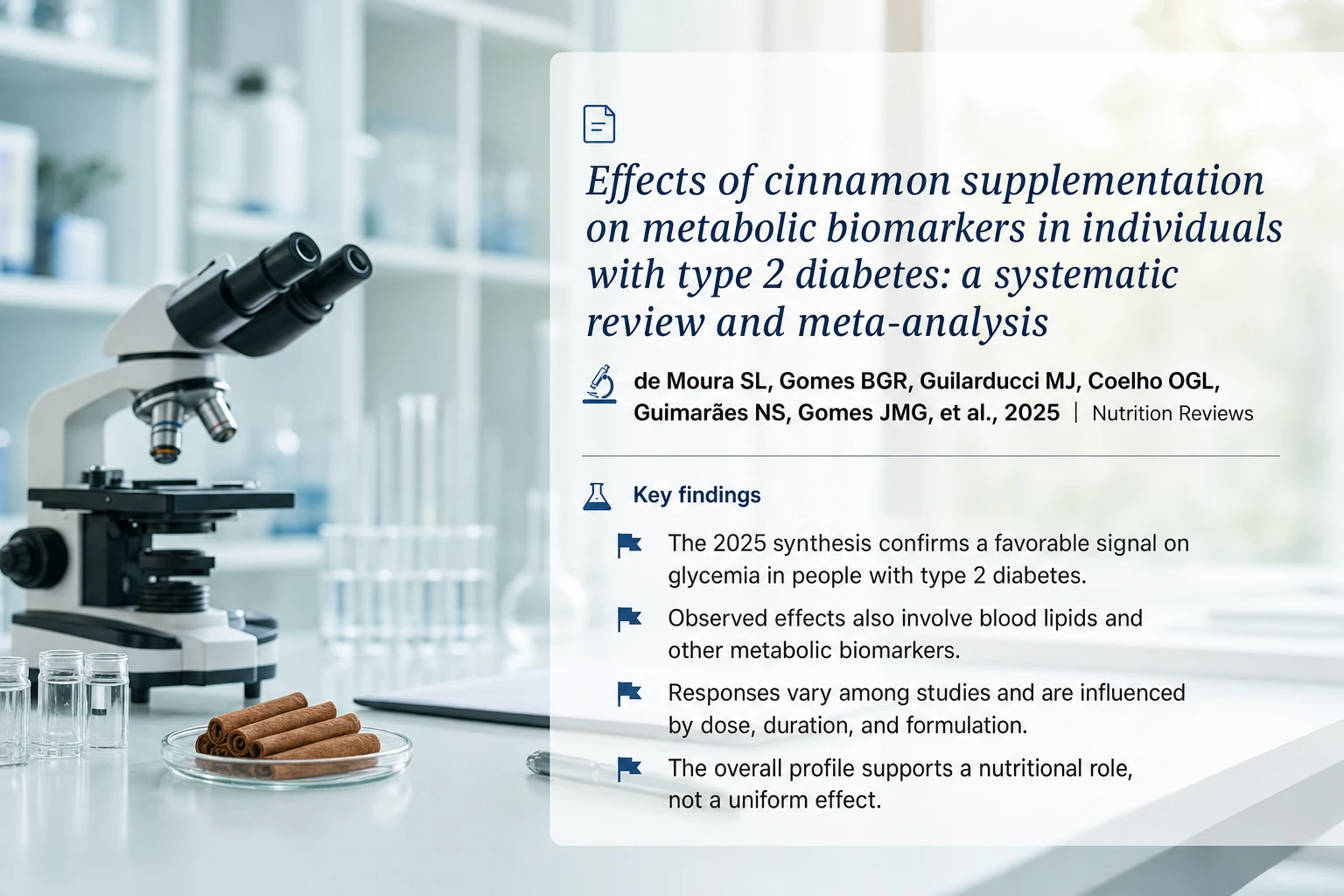
In 2025, Brazilian researcher de Moura and colleagues published a synthesis of studies on cinnamon in people with type 2 diabetes in the journal Nutrition Reviews. The research examined the effects of supplementation on metabolic markers such as glycemia and lipids, which are indicators of how the body manages sugars and fats. The result is consistent with the idea that cinnamon can offer measurable metabolic support in some contexts, without, however, producing uniform effects in all participants.
Effects of cinnamon supplementation on metabolic biomarkers in individuals with type 2 diabetes: a systematic review and meta-analysis
- The 2025 synthesis confirms a favorable signal on glycemia in people with type 2 diabetes.
- The observed effects also concern some blood lipids and other metabolic biomarkers.
- The response is not identical across all studies and remains influenced by dose, duration, and formulation.
- The overall profile is consistent with a nutritional support role, not a uniform effect.
Cinnamon in a nutritional and functional context
In a nutritional context, the benefits of cinnamon are best understood when it is considered as a functional ingredient, not as a standalone remedy. Its interest primarily lies in its ability to simplify a diet with less added sugar and to provide bioactive compounds that research has linked to glycemia, i.e., blood glucose concentration, and metabolism. However, its actual quality always depends on the form of use, the quantity, and the overall dietary framework.
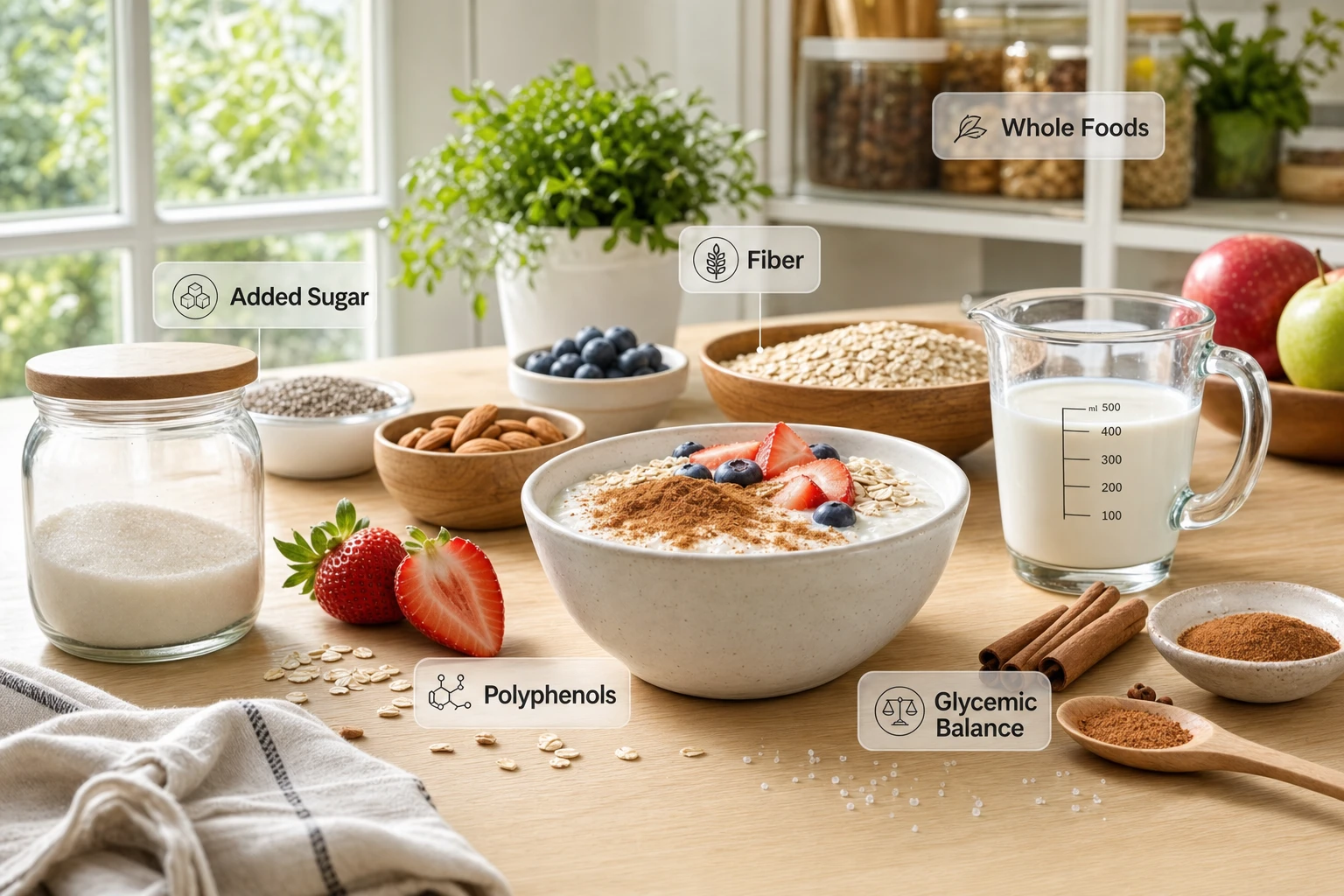
Cinnamon is often cited as a functional spice, meaning a spice that, in addition to flavor, also provides biologically active compounds. This definition helps to understand its real positioning in modern nutrition. A functional spice is not a drug and does not promise universal effects; rather, it is an ingredient that, in addition to taste, brings with it a density of molecules potentially relevant to the body. In the case of cinnamon, its interest lies in practical use: it can add character to simple preparations, facilitate the reduction of added sugars, and improve adherence to a more moderate eating pattern. Available reviews and meta-analyses, which are studies that synthesize the results of multiple research, describe favorable signals, especially in metabolic parameters, but always within the context of a diet already oriented towards quality and a consistent lifestyle [8,9,10].
From a clinical perspective, the most important aspect is to avoid overinterpretation. Cinnamon does not "compensate" for a disordered diet, does not replace physical activity, and does not substitute for any therapies. However, it can be usefully integrated into a routine, especially when the priority is to make a low-sugar meal more pleasant or to improve the acceptability of foods like yogurt, oats, fruit, or hot beverages. This is one of the reasons why the spice is often associated with cardiometabolic prevention strategies, i.e., the prevention of diseases involving the heart, blood vessels, and metabolism: it does not act on a single target, but is part of a broader dietary model. Reviews, which are critical syntheses of the literature, on the genus Cinnamomum emphasize that there are numerous bioactive compounds and that the composition can vary based on the species and form of consumption [8,4].
In practice, the nutritional value of cinnamon is twofold. On one hand, it offers an immediate sensory advantage, because it allows for flavor without resorting to large amounts of sugar. On the other hand, it provides a small amount of bioactive molecules that have attracted research attention regarding glycemia, inflammation, and lipid metabolism, i.e., how the body manages fats. Here, however, it is crucial to distinguish between powdered spice, extract, and supplement. Powder, in fact, is the most common form in cooking and the closest to traditional food use; extracts and supplements, on the other hand, are more concentrated and serve experimental or more precise supplementation objectives. Reviews dedicated to the pharmacological, i.e., related to the effects of substances on the body, and nutritional aspects of cinnamon highlight precisely this difference in context, because the meaning of a dose changes whether one refers to a teaspoon in cooking or a standardized extract in a study [8,3]. Understanding this point helps to better interpret cellular mechanisms, i.e., the processes that occur in cells, and clinical trials, i.e., studies conducted on people, where the form of intake significantly modifies the observed outcome. From here, we move on to explaining how cinnamon interacts with the main nodes of cellular metabolism.
- Helps reduce added sugars without losing palatability.
- Provides bioactive compounds studied for metabolism.
- Lends itself well to simple, fiber-rich foods.
- Shows different results according to form, dose, and context.
Here, we first clarify why cinnamon is considered a functional food, and then how it can be sensibly incorporated into a daily diet. The three key aspects are its practical role, its form of consumption, and its relationship with metabolism.
Why cinnamon is considered a functional spice
Cinnamon is considered a functional spice because it offers not only flavor but also a share of bioactive molecules that have attracted the attention of nutritional research. Its most studied part includes cinnamaldehyde and the polyphenol-rich fractions of cinnamon, which are plant compounds associated with possible effects on metabolism and oxidative stress [2,8,5]. This does not mean attributing absolute pharmacological properties to it, but recognizing that its use can have a broader meaning than simple seasoning. The definition of functional food is useful precisely because it maintains the link with the daily diet: cinnamon remains a spice, but with a profile that makes it interesting when you want to improve the taste of simple foods and limit sugars. In practice, its role is to support a diet more consistent with prevention goals, without replacing other interventions. The literature on the genus Cinnamomum insists on this point: the value of the spice arises from the combination of food use and the presence of active constituents, not from a claim of direct curative effect [8,3]. Biologically, cinnamaldehyde represents the most emblematic compound, because it is studied for its ability to interact with inflammatory, oxidative, and metabolic pathways. Reviews indicate that these properties explain the growing interest in cinnamon as a dietary adjuvant and not as a therapeutic substitute [2,5,11].
A relevant aspect is the relationship between phytocompounds, i.e., plant substances with potential biological effects, and host physiology. When cinnamon enters the diet, its molecules do not act in isolation, but are inserted into a context where the overall quality of the diet matters greatly. For this reason, the most solid studies consider it within broader nutritional models, where the reduction of free sugars, the increase of fiber, and the control of energy load remain decisive. In this framework, cinnamon can have a supportive function, i.e., making a favorable eating habit more stable over time. It is precisely this combination of practical utility and biological potential that justifies the definition of functional spice [8,3,12].
When it makes sense to use cinnamon in your daily diet
This role is consistent with available clinical data, which show heterogeneous and context-dependent effects. In people with altered metabolism, the potential interest of cinnamon mainly concerns the management of more stable eating habits that are less skewed towards sweets. In other words, the spice should not be thought of as a quick fix, but as a small ally in dietary change. When added sugar is reduced and caloric intake is more controlled, cinnamon can make the journey more sustainable in the long term. This behavioral aspect is often underestimated, but it is central to real nutrition: what matters is not just the single compound, but the likelihood that a choice will be maintained over time [8,9,10].
Extract, powder, and supplement: what really changes
The difference between powder, extract, and supplement substantially changes the nutritional meaning of cinnamon. Powder is the form closest to traditional culinary use and integrates best into everyday diets; extracts and supplements, on the other hand, are more concentrated and better suited for studies or targeted supplementation. This distinction matters because the quantity of active compounds is not the same in all forms, and therefore, neither is the interpretation of results. Pharmacological and nutritional reviews remind us that cinnamon's profile largely depends on the food matrix and product standardization [8,3,11]. From a practical standpoint, this also means that culinary use should not be confused with experimental use: a teaspoon in the diet is not equivalent to a concentrated extract taken in a trial. The correct interpretation is therefore twofold: as a spice, cinnamon primarily serves to improve adherence to a balanced diet; as a concentrated preparation, it requires a more cautious and technical interpretation. This step is essential for precisely understanding the results that will be discussed in biological mechanisms and clinical studies.
Differences in form are also reflected in bioavailability, i.e., the proportion of a substance that actually reaches the body and can be utilized. Cinnamaldehyde, for example, is a reactive molecule that can exhibit different behaviors depending on the dose, matrix, and hepatic metabolism. Reviews on its pharmacokinetic aspects, meaning the path the substance takes in the body, and therapeutic aspects emphasize precisely the need to cautiously interpret the efficacy observed in experimental models compared to habitual dietary use [11]. In summary, the food form promotes the long-term functional value of cinnamon, while the concentrated form is primarily of interest for research and controlled supplementation. For this reason, from a public communication perspective, it is essential not to conflate the two modes of use [8,3,11].
Biological mechanisms of cinnamon on metabolism and cells
Biologically, cinnamon's properties primarily affect circuits regulating energy, glucose, and cellular turnover, which is the continuous renewal of cell components. Some of its compounds, particularly cinnamaldehyde, an aromatic molecule responsible for part of the spice's characteristic scent, appear to modulate AMPK, mTOR, and glucose transport in peripheral cells. In this sense, they provide a rationale for studying cinnamon and metabolism experimentally, not as a miraculous effect but as a possible molecular support [6] [7] [13].
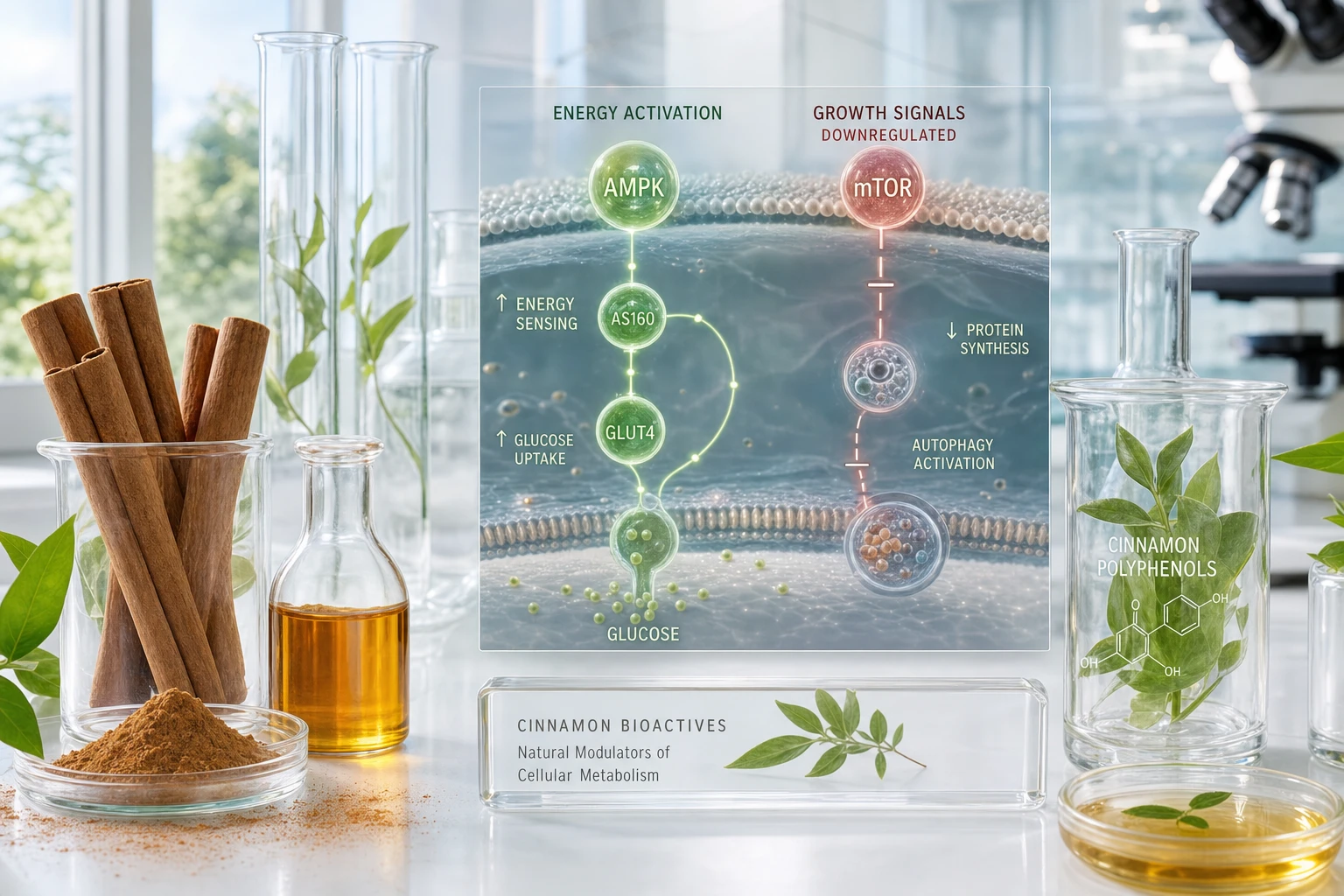
Cinnamon is biologically interesting because some of its constituents appear to interact with the cell's main energy control systems, i.e., the mechanisms that decide how to use and conserve available resources. Among the most studied targets are AMPK, mTOR, GLUT4, and AS160, which are elements that regulate energy availability, glucose trafficking, and the balance between cell growth and maintenance. AMPK, for example, is a kinase, an enzyme that modifies other proteins by adding phosphate groups, and is sensitive to energy status: when the cell perceives a reduction in available resources, this enzyme activates and directs metabolism towards a more efficient use of substrates. mTOR, on the contrary, is a signaling node that integrates nutrient and growth signals; when chronically active, it can promote anabolic processes that are not always useful in contexts of nutritional overload [6,7,14].
In the case of cinnamon, cinnamaldehyde is one of the most studied molecules. In cellular and animal models, it has been associated with increased AMPK activation and a reduction in adipocyte formation, i.e., cells specialized in fat storage. In a study on 3T3-L1 and mice fed a high-fat diet, cinnamaldehyde reduced lipid accumulation and attenuated several metabolic markers. The effects also included improvements in insulin resistance and lipid profile, while in the murine model it was used at a dose of 40 mg/kg [6]. This data is important because it shows a possible connection between AMPK modulation and the effects observed at the level of adipose tissue and systemic metabolism. Adipocyte biology, in fact, does not only concern energy storage, but also the secretion of mediators that influence inflammation, insulin sensitivity, and cardiometabolic risk. Reducing adipogenesis can therefore translate, at least experimentally, into a metabolic environment less favorable to insulin resistance. However, the rationale is not linear or universal: it depends on the model, dosage, and form of the compound. 2024 reviews on cinnamaldehyde confirm that mechanistic interest also concerns the regulation of proliferation, inflammation, and oxidative stress, but always within a heterogeneous experimental framework [5,11].
Another crucial step is the relationship between AMPK and mTOR. When AMPK is activated, it can help limit the mTORC1 signal, the mTOR complex most directly involved in protein synthesis and growth processes. This occurs through multiple transduction pathways, including those involving TSC1/TSC2, a regulatory complex that inhibits excessive mTOR activation. The biological consequence of this modulation is a better balance between cellular construction and recycling, with possible repercussions on autophagy, glucose and lipid metabolism, mitochondrial function, and oxidative stress. Autophagy, the process by which the cell recycles damaged components to maintain homeostasis, is not a simple "cleaning" mechanism, but a survival program. In this sense, AMPK activation and mTORC1 inhibition can promote a more adaptive phenotype, especially under conditions of nutritional excess or metabolic stress. This is the same conceptual axis observed in other natural compounds that improve insulin sensitivity via AMPK and mTOR inhibition, and this helps to understand why the topic is recurrent in nutritional literature [14,15,16].
The third fundamental node concerns glucose transport. GLUT4 is the transporter that allows muscle and adipose tissue to increase glucose uptake in response to insulin; AS160, on the other hand, is a regulator of the trafficking of vesicles containing GLUT4. When intracellular signals function well, GLUT4 moves to the cell membrane and facilitates glucose uptake. In conditions of insulin resistance, this step is compromised, and numerous classic studies have shown that the defect in GLUT4 translocation contributes to human insulin resistance [17,18,19]. In this context, cinnamon becomes interesting because some extracts have increased glucose uptake in adipocytes and myocytes through the LKB1-AMPK pathway, linking the energy signal to transporter trafficking [13]. From a pathophysiological point of view, this is relevant because chronic hyperglycemia does not only depend on reduced insulin secretion, but also on an inefficient peripheral response. Hence the biological plausibility of possible effects on glycemia and insulin sensitivity. The next step is therefore to observe how these mechanisms translate into the main physiological outcomes studied in humans.
- AMPK activation and improved cellular energy efficiency;
- mTORC1 modulation and autophagy processes;
- facilitation of glucose transport in peripheral tissues.
The key steps of this H2 are best understood by separating the three most discussed levels of action: cellular energy, growth control, and glucose transport. Each level helps to understand why cinnamon is so widely studied in relation to metabolism.
Cinnamon and AMPK: the energy sensor that changes metabolism
Cinnamon and mTOR: why this pathway is so important
GLUT4, AS160, and glucose transport: the key step
Impact of cinnamon on the body and main metabolic functions
The impact of cinnamon on the body becomes particularly evident when glycemia, lipids, and inflammatory response are observed together. Cinnamon's properties do not act in isolation, but rather as a possible modulation of multiple metabolic functions, with a more useful signal in cases of dysmetabolism—i.e., altered metabolism—and insulin resistance—i.e., reduced tissue response to insulin. Clinical evidence remains heterogeneous but indicates potential support, not a uniform effect for everyone.
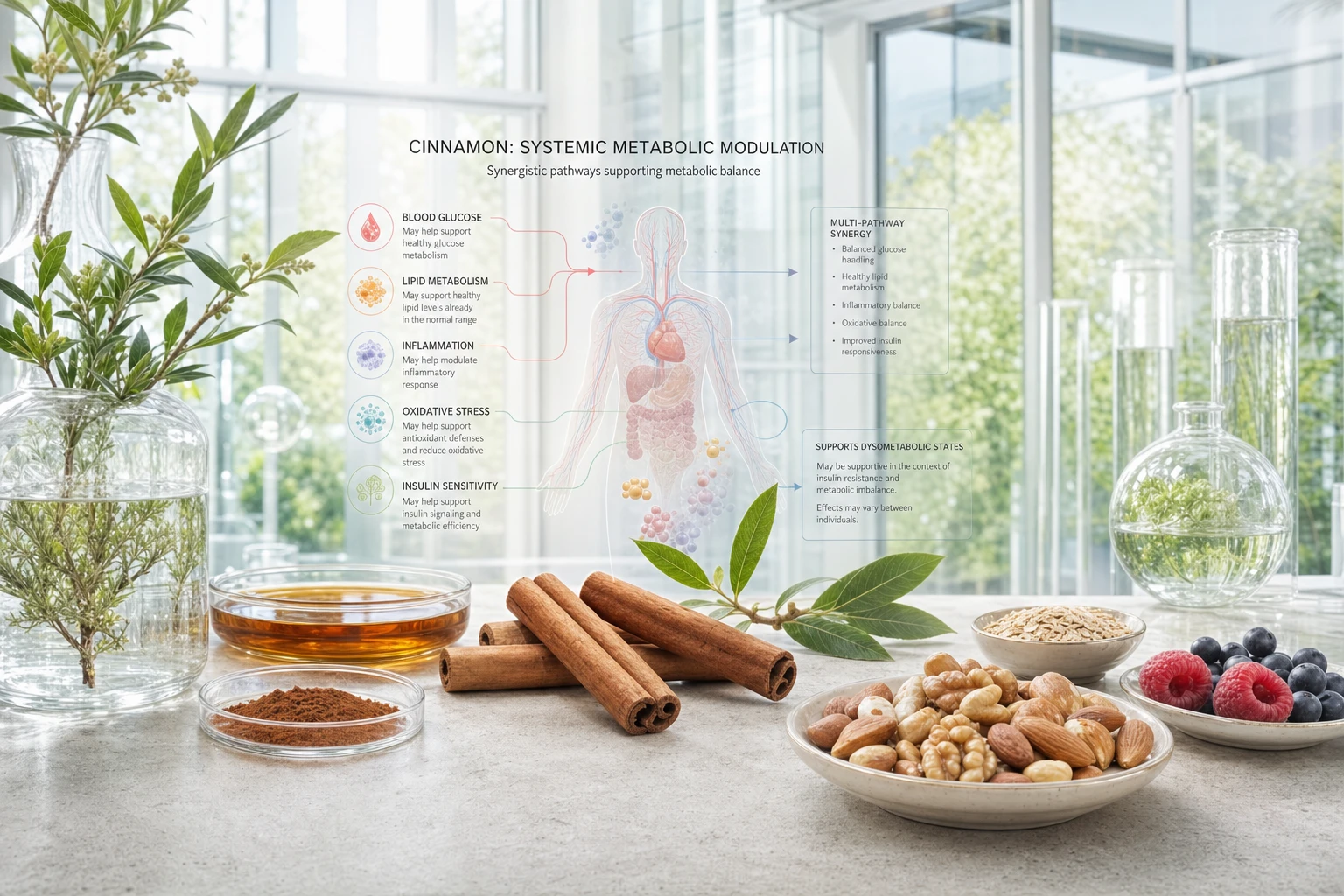
When moving from the cell to the organism, cinnamon shows its most interesting, but also most complex, profile. The spice has been evaluated primarily in relation to glycemia, insulin sensitivity, lipid metabolism, blood pressure, inflammation, and oxidative stress, which is the excess of reactive molecules that damage cells and tissues. The picture is not one of a unique and immediate effect, but rather of a possible modulation of multiple physiological systems. Validated meta-analyses and reviews suggest that cinnamon may offer support in metabolic disorders, especially when the initial condition is characterized by dysmetabolism and insulin resistance [9,20,21,10]. However, the significance of this support depends on the form used, the duration of the intervention, the dose, and the population studied. In pathophysiological terms, this hypothesis is plausible because metabolic disorders rarely involve only one biological axis: glucose, lipids, inflammation, and endothelial function, i.e., the activity of the inner lining of blood vessels, influence each other, and a nutraceutical can only act if it intercepts more than one of these nodes.
The most discussed data is glycemic, meaning related to the concentration of glucose in the blood. A review and meta-analysis on subjects with type 2 diabetes showed improvements in metabolic biomarkers, while a recent 2025 study confirmed a possible favorable effect on various indicators, albeit without absolute uniformity among trials [20]. In a randomized, placebo-controlled trial, meaning randomly assigned and compared with an inactive product, conducted in Iraqi patients with poorly controlled type 2 diabetes, cinnamon showed an antidiabetic and antioxidant effect, with an improvement in metabolic parameters compared to placebo [22]. In the Cochrane review dedicated to diabetes, the average dose was 2 g per day for periods between 4 and 16 weeks, with a prevalence of Cinnamomum cassia, confirming that much of the historical literature concerns cassia and not generic cinnamon [23]. This detail is important because the botanical species influences the final interpretation of the results. At a mechanistic level, the spice could influence peripheral glucose uptake, insulin signaling, and postprandial management, i.e., the trend after meals, with more visible effects when insulin resistance is already present.
The cardiovascular profile has also been extensively studied. A 2020 meta-analysis of 9 randomized trials, with 641 participants, observed significant reductions in both systolic and diastolic blood pressure, with a more evident effect when supplementation was equal to or less than 2 g per day and lasted more than 8 weeks; the reported average reductions were -5.17 mmHg for systolic and -3.36 mmHg for diastolic [24]. On the lipid side, meaning circulating fats in the blood, a specific meta-analysis highlighted modest and not always uniform effects on blood lipids, suggesting that the impact is real but contained [25]. This aligns well with the most recent mechanistic and clinical reviews, which describe cinnamon as a possible supportive nutraceutical for the cardiovascular system and for some metabolic complications [3,12,21]. In practice, the strongest signal seems to emerge in people with increased cardiometabolic risk, where even a small reduction in blood pressure or lipids can have a cumulative clinical significance. Therefore, the potential of the spice should be interpreted in the overall context, not as an isolated response of a single parameter.
Another relevant area is that of inflammation and oxidative stress. The 2020 meta-analysis on cardiometabolic indicators of inflammation and oxidation concluded that cinnamon supplementation can be an adjuvant, i.e., additional support, to reduce these markers in humans [26]. A randomized, double-blind, placebo-controlled trial on migraine attacks also showed a reduction in some inflammatory markers, confirming that cinnamon's potential is not limited to glucose metabolism [27]. On a pathophysiological level, this is consistent with the idea that compounds like cinnamaldehyde can interfere with intracellular signals, i.e., within cells, involved in cellular stress and the inflammatory response [2,5]. Overall, the data suggest a more evident supportive effect in contexts where metabolic or inflammatory alterations already exist. For this reason, cinnamon should be seen as an ingredient with possible functional utility, not as a standalone solution. From here, it becomes useful to observe which clinical conditions have been studied most often and where the signal is most convincing.
- Glycemia can be reduced, especially in contexts of impaired glucose control.
- Insulin sensitivity can improve in some subjects with insulin resistance.
- Blood lipids show modest and not always uniform variations.
- Inflammation and oxidative stress can be attenuated in a complementary way.
In the transition from metabolic data to clinical data, the most useful question is which bodily functions truly respond to cinnamon. The three most studied aspects are glycemia, lipids, and inflammation, with an important role also for insulin sensitivity.
Cinnamon and glycemia: what can really change in the body
Cinnamon, lipids, and cardiovascular health: the physiological picture
Cinnamon and chronic inflammation: why it affects tissues
One of the most interesting aspects of cinnamon is its possible impact on low-grade inflammation and oxidative stress, two processes that contribute to metabolic and vascular dysfunction. A 2020 meta-analysis on cardiometabolic indicators concluded that supplementation can be an adjuvant to reduce some markers of inflammation and oxidation in humans [26]. A randomized, double-blind, placebo-controlled trial conducted on migraines also showed a reduction in some inflammatory markers, suggesting that cinnamon's activity is not confined solely to glycemia [27]. From a biological perspective, this is compatible with the presence of phenolic compounds and cinnamaldehyde, which can interact with signaling pathways involved in the cellular stress response [2,5]. However, these results should not be interpreted as a therapeutic promise: cinnamon does not replace medical interventions, and its effect, when present, should be considered complementary. Its value lies precisely in its ability to fit into a diet aimed at reducing the underlying inflammatory load and improving the overall metabolic profile.
In this context, inflammation is not an abstract phenomenon but a driver of the progression of many chronic conditions. In adipose, hepatic, and vascular tissues, an excess of cytokines, which are molecules that regulate the immune response, and reactive oxygen species contributes to maintaining insulin resistance and worsening cellular function. For this reason, an anti-inflammatory signal, even if moderate, can have significant systemic repercussions. The most rigorous interpretation is therefore that of a modulating effect, particularly useful when combined with diet, physical activity, and correction of risk factors.
Diseases and conditions associated with cinnamon use
The conditions in which cinnamon is studied with greater interest are those in which glycemia, insulin sensitivity, and lipid profile are altered. In this context, cinnamon's properties emerge primarily as complementary support in type 2 diabetes, metabolic syndrome, and polycystic ovary syndrome, while other areas remain more exploratory. The correct interpretation is clinical and cautious: a biological signal does not automatically equate to a therapeutic benefit.
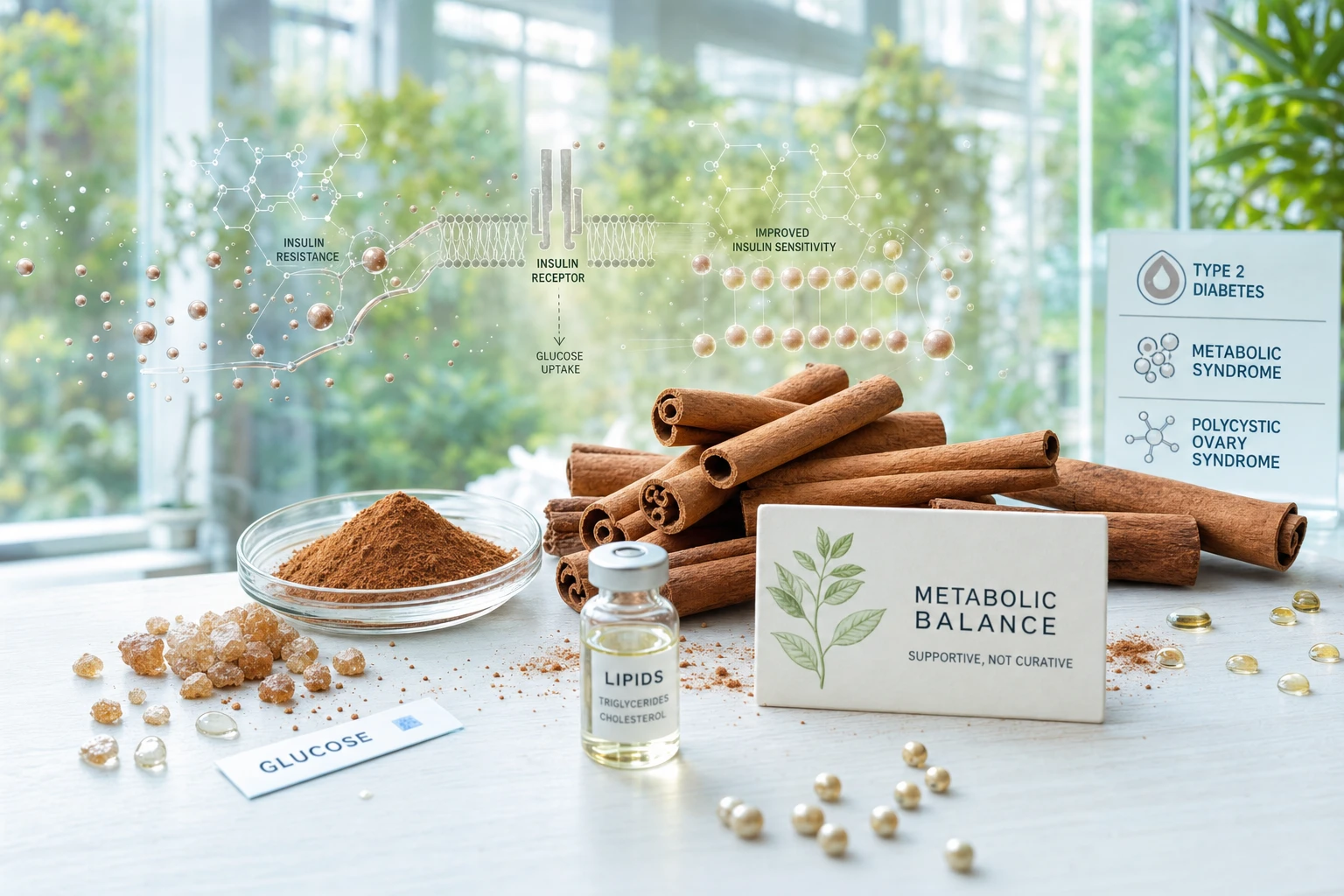
Cinnamon has been studied in numerous conditions, but the most robust core concerns metabolic disorders, i.e., alterations involving how the body manages energy, sugars, and fats. Type 2 diabetes, metabolic syndrome, and polycystic ovary syndrome are the three clinical scenarios where biological rationale and experimental observations converge with greater consistency. In all these cases, the same basic problems recur: altered glucose management (blood sugar), insulin resistance (a reduced tissue response to insulin), dyslipidemia (an alteration of circulating fats), and often low-grade chronic inflammation. It is here that cinnamon is interpreted as a possible nutritional support, not as an alternative to established treatments [9,20,28,30].
Type 2 diabetes is the most studied condition because it coincides with the pathways, i.e., the biological cell signaling pathways, that cinnamon seems to modulate best. A 2025 meta-analysis, a study that combines the results of multiple research projects, on metabolic biomarkers in patients with type 2 diabetes confirmed a real clinical interest, albeit with non-uniform effects across studies [20]. The 2012 Cochrane review already showed that available studies used oral cinnamon monopreparations, especially cassia, with an average dose of 2 g per day for 4-16 weeks, but the general conclusion remained cautious [23]. This indicates that the topic is old and still evolving, with signs of efficacy but not full therapeutic certainty. The same applies to metabolic syndrome, the set of multiple metabolic and cardiovascular alterations that tend to coexist, where cinnamon is studied as an additional intervention in a multifactorial context [9,10]. In pathophysiological terms, i.e., disease mechanisms, the spice is interesting because it acts on processes upstream of clinical damage: inefficient insulin signaling, excess hepatic glucose production, lipid accumulation, and oxidative stress, i.e., an excess of reactive molecules that damage cells and tissues. When these mechanisms combine, small improvements in insulin sensitivity or lipid profile can have clinical significance, especially when integrated into an already structured dietary and pharmacological strategy.
PCOS, or polycystic ovary syndrome, represents a particular case because it combines endocrine, i.e., hormonal, dysfunction and insulin resistance. Here, cinnamon has shown interesting results in several trials, i.e., controlled clinical studies: in a pilot study, 15 women with PCOS were randomized to daily oral cinnamon or placebo for 8 weeks, and the cinnamon group showed a significant reduction in insulin resistance [28]; in another randomized, double-blind trial, i.e., with random assignment and without participants and researchers knowing who received the treatment, 45 women received 1.5 g/d for 6 months, with favorable indications on some clinical aspects, including menstrual cyclicity [29]. A 2024 review and meta-analysis on women with PCOS further framed the spice's interest in cardiovascular risk markers, suggesting a possible complementary role [31]. These results are useful because they show internal consistency: when the underlying problem is insulin, cinnamon tends to show the most interesting signal. However, this is not a universal effect, and its interpretation must always be placed in the context of the patient's overall management [30,29]. From a clinical perspective, this means that cinnamon can accompany weight correction, diet, and physical activity, but it does not replace gynecological, endocrinological, and metabolic evaluation.
Emerging areas, such as neuroprotection and oncology, warrant a more cautious reading. The review on cognitive function describes preclinical data, i.e., obtained in the laboratory or on experimental models, and clinical data, but the evidence in humans remains limited compared to the metabolic area [32]. The rationale is plausible, because oxidative stress and inflammation also contribute to neuronal damage, but the available results do not yet allow for strong practical conclusions. In oncology, cinnamaldehyde, one of the main aromatic compounds of cinnamon, has been associated in experimental models with antiproliferative, apoptotic (capable of promoting programmed cell death), and signaling pathway modulation effects, but these observations do not allow for drawing clinical indications for practice [11,33,34,35,36,37]. The most accurate message is therefore hierarchical: strong interest in metabolic disorders, intermediate interest in some cardiovascular and inflammatory outcomes, and still an exploratory area for neuroprotection and experimental oncology. This distinction is essential to keep the interpretation aligned with the quality of the available evidence. In other words, cinnamon should be viewed as a bioactive ingredient with measurable potential, but always within the perimeter of real clinical evidence.
- In type 2 diabetes, the clinical signal has been more studied.
- In metabolic syndrome, multiple simultaneously altered factors are important.
- In PCOS, insulin resistance is a central pathophysiological node.
- Other areas, such as neuroprotection and oncology, remain preliminary.
The most studied clinical conditions involving cinnamon are metabolic ones, because here the biological rationale and human data are more consistent. The following three points discuss, with varying levels of evidence, type 2 diabetes, metabolic syndrome, and PCOS.
Cinnamon and type 2 diabetes: why the topic is so widely studied
Type 2 diabetes is the condition most frequently linked to cinnamon because it involves insulin resistance, alterations in glycemia, and carbohydrate metabolism dysfunction. The spice has been studied as a possible support precisely because some of its compounds seem to act on multiple levels of glucose regulation, including mechanisms associated with cinnamon and insulin resistance [20,38]. The 2025 meta-analysis on metabolic biomarkers in patients with type 2 diabetes confirmed the presence of favorable signals, while the 2012 Cochrane review already highlighted promising but not definitive literature, with single preparations, especially of cassia, an average dose of 2 g per day, and a duration between 4 and 16 weeks [20]. This is the central point: type 2 diabetes is the ideal clinical model for testing a spice that seems to affect regulatory pathways like AMPK and GLUT4, two proteins involved in cellular energy control and glucose transport, but the observed benefit remains complementary, not a substitute for therapy. At the cellular level, the interest stems from the fact that defective insulin signaling reduces glucose entry into peripheral tissues and increases hepatic glucose production. If cinnamon improves even partially these steps, the result can translate into better glycemic control and a lightening of the metabolic load. The presence of effects on lipids and inflammation further strengthens the rationale, because in type 2 diabetes, glycemia is never the only altered parameter. Cinnamon, therefore, is of interest because it is located exactly at the most relevant pathophysiological node of the disease. It is a strong link, but it should be interpreted as support and not as an autonomous solution.
Cinnamon and metabolic syndrome: the most plausible link
Cinnamon and polycystic ovary syndrome: the role of insulin
Polycystic ovary syndrome is often accompanied by insulin resistance and hyperinsulinemia, meaning high levels of insulin in the blood, two elements that make it a particularly suitable clinical model for studying cinnamon. Available trials have shown interesting signals: in a pilot study, 15 women with PCOS were randomized to daily oral cinnamon or placebo for 8 weeks, and insulin resistance significantly decreased in the treated group [28]; in a subsequent trial, 45 women received 1.5 g/d for 6 months, with favorable results also on menstrual cyclicity [29]. The 2024 meta-analysis on women with PCOS also framed the potential impact on cardiovascular risk markers [31]. The pathophysiological point is simple but decisive: if insulin is the central node of metabolic and reproductive dysfunction, a spice that can influence its peripheral response acquires concrete interest. In these patients, reducing circulating insulin can also help modulate excess androgens and some aspects of ovulation, at least in subgroups most sensitive to metabolic intervention. Here too, however, the correct message is one of support, not replacement. Cinnamon can play a complementary role in a multidisciplinary management of PCOS, but it should not be presented as a definitive intervention. Precisely for this reason, the topic remains one of the most followed in clinical research.
Cinnamon and neuroprotection: what do we really know?
Interest in cinnamon in the neurological field stems mainly from preclinical data and a systematic review that examined preclinical and clinical studies on cognitive function [32]. The biological rationale is based on potential effects on oxidative stress, inflammation, and neuronal survival signals. Some experimental results are promising, but the evidence in humans is much less solid than the metabolic evidence. For this reason, cinnamon should not be presented as a validated nootropic, i.e., as a substance demonstrably capable of improving cognitive functions, or as a certain support for neurodegenerative diseases. The nervous system is particularly vulnerable to oxidative and inflammatory dysfunctions, but the transition from experimental biology to clinical practice requires larger, controlled, and reproducible studies. The neuroprotective area therefore remains exploratory, useful mainly for understanding the broad biological profile of the spice, but not sufficient for strong clinical conclusions. Here too, the distinction between hypothesis and proof is decisive. The value of cinnamon, in this field, is to suggest new avenues of research rather than offering definitive answers. This caution does not diminish the interest of the topic; on the contrary, it makes its interpretation more credible and consistent with the current state of knowledge.
Scientific evidence, clinical trials, and critical data interpretation
The evidence on cinnamon is interesting, but it must be interpreted by carefully distinguishing between biological plausibility and real clinical impact. The most recent reviews show a favorable signal, especially on metabolism and glycemia, while the magnitude of the effect varies greatly depending on the dose, duration, and characteristics of the participants [9] [20] [10].

The literature on cinnamon is very extensive and, precisely for this reason, requires careful reading. Alongside clinical studies, i.e., studies conducted on humans to evaluate effects and safety, there are meta-analyses, which are quantitative syntheses of multiple research studies, and narrative reviews. However, the quality of the evidence is not uniform. Some results converge robustly, while others remain more fragile or strongly depend on the experimental context. The interpretative key is therefore not to seek absolute confirmation, but to understand where the signal is more stable and clinically plausible. In general, the most convincing profile concerns metabolic disorders, while neurological and oncological areas remain more exploratory, with data still preliminary and often heterogeneous [9,20,32,10].
From a biological point of view, this difference is not surprising. Cinnamon contains compounds that act on pathways involved in inflammation, oxidation, insulin signaling, and lipid metabolism. In other words, the molecular rationale is consistent with the outcomes observed in trials on metabolic parameters. However, mechanistic plausibility does not equate to demonstrating a full clinical benefit. This is why reviews on Cinnamomum, the botanical genus to which cinnamon species belong, and on cinnamaldehyde, one of its main compounds, emphasize the distinction between pharmacological potential and consolidated therapeutic application [8,5,11]. The most useful literature does not promise miraculous effects, but identifies areas where the spice's action appears measurable and biologically sound.
Meta-analyses constitute the most useful level of synthesis for navigating seemingly discordant results. The 2022 meta-analysis on patients with metabolic diseases confirmed overall benefits, but without eliminating heterogeneity among studies [9]. The 2025 meta-analysis in patients with type 2 diabetes reinforced interest in metabolic biomarkers, while the umbrella review from the same year reiterated that the totality of meta-analyses suggests a favorable, but not uniform, effect, and that the result depends on dosage, duration, and sample characteristics [20,10]. This is a crucial point, because cinnamon does not always produce the same effect in every study: the same substance, in different forms and doses, can show different results. The meta-analysis on blood pressure profile also showed a statistically significant benefit across 9 RCTs (randomized controlled trials) with 641 participants, but the effect was clearer with supplementation equal to or less than 2 g/day and lasting longer than 8 weeks [24].
The most concrete clinical evidence is seen in trials on diabetes and PCOS. PCOS, or polycystic ovary syndrome, is an endocrine-metabolic condition often associated with insulin resistance and menstrual cycle irregularities. The 2016 Iraqi trial on patients with poorly controlled type 2 diabetes showed an antidiabetic and antioxidant effect of cinnamon [22]. In 2007, in a small study of 15 women with PCOS, daily oral cinnamon for 8 weeks reduced insulin resistance compared to placebo [28]. In 2018, in a randomized, double-blind, placebo-controlled trial, 45 women with PCOS received 1.5 g/day for 6 months, with favorable results on insulin sensitivity and menstrual cyclicity [30,29]. These data are not enormous, but they are consistent with the metabolic rationale of the spice. For this reason, cinnamon is often treated as an adjuvant, not as a primary intervention. It is a realistic clinical role, supported by some evidence, but still limited by the heterogeneity of studies and the lack of definitive clinical endpoints.
Critical reading must also include endpoints, i.e., the measures used to evaluate the effect of an intervention. Many studies analyze fasting glycemia, insulin, HOMA-IR, lipid profile, blood pressure, and inflammatory markers. HOMA-IR, an acronym for Homeostasis Model Assessment of Insulin Resistance, is an index that estimates insulin resistance based on glycemia and insulinemia. These are important parameters, but often surrogate, meaning indirect indicators of metabolic health. This does not make them irrelevant, but it requires caution in transforming them into strong conclusions. The reduction of a biomarker, in fact, does not automatically coincide with a reduction in clinical events, such as heart attack, complicated diabetes, or mortality. Reviews on the pharmacological properties of the genus Cinnamomum and on cinnamaldehyde reiterate precisely this distinction between biological plausibility and clinical certainty [8,5,11]. In summary, the scientific message is clear: cinnamon shows useful and consistent signals in some metabolic areas, but the literature does not yet allow it to be considered a generalizable solution. This is where critical reading becomes indispensable to avoid confusing promising results with definitive evidence.
- Meta-analyses show a possible, but not uniform, effect on glycemia.
- Clinical trials are more convincing in pre-existing metabolic disorders.
- The response varies with dose, duration, and participant profile.
- The most commonly used endpoints remain biomarkers, not hard clinical outcomes.
Literature reviews help us understand where the evidence is strongest and where uncertainty prevails. From there, we move on to human trials, which more clearly show when cinnamon and glycemia truly interact.
What meta-analyses say about cinnamon and metabolism
Human studies: when results are consistent and when not
Human clinical studies show a varied picture, depending on the population, dose, duration, and form of administration. In patients with poorly controlled type 2 diabetes, the 2016 Iraqi trial reported an antidiabetic and antioxidant effect of cinnamon [22]. In PCOS, however, the most interesting results concern insulin sensitivity: in a small study of 15 women, daily oral intake for 8 weeks reduced insulin resistance compared to placebo; in a randomized, double-blind, placebo-controlled trial of 45 women, 1.5 g/d for 6 months also yielded favorable results on menstrual cyclicity [28,30,29]. These data suggest that the signal is easier to observe when the baseline condition is already characterized by dysmetabolism. When the clinical picture is less defined, the effect tends to decrease or become less clear. The pathophysiological point is simple: if insulin dysfunction is marked, an intervention that improves glucose uptake, peripheral sensitivity, and inflammatory status is more likely to show a measurable benefit. For this reason, cinnamon should be interpreted as a possible adjuvant, not as a substitute for validated interventions. In practical terms, the value of studies lies not only in the positive result but in defining which patients might benefit most.
What science says about cinnamon, glycemia, and insulin
The relationship between cinnamon, glycemia, and insulin is the most studied and intuitive, but also the one where conclusions require the most caution. meta-analyses and trials indicate possible effects on fasting glycemia, insulin, HOMA-IR, and lipid profile, but the magnitude of the benefit is not identical in all contexts [9,20,23]. In a Cochrane review, available studies primarily used Cinnamomum cassia, with an average dose of 2 g per day for 4-16 weeks, but the overall conclusion remained inconclusive [23]. This is an important point for those seeking the benefits of cinnamon: the biological rationale is credible, the direction of the effect is often favorable, but the statistical and clinical consistency is not yet such as to speak of universal certainty. At a mechanistic level, the spice could influence glucose metabolism by modulating intracellular pathways that promote glucose utilization and insulin response, with implications for adipocytes, cells responsible for fat accumulation, and skeletal muscle, the tissue that contributes decisively to glucose uptake. In practice, the literature supports a possible aid to glycemic regulation, especially in subjects with metabolic alterations, but does not authorize generic promises or guaranteed results. Science, here, rewards interpretive prudence more than simplification and asks to distinguish between biometric improvement and fully demonstrated clinical benefit.
Safety, dosage, form of consumption, and informed choice
The benefits of cinnamon must be considered alongside dosage, form of Intake, and product profile. In practice, the difference between Ceylon cinnamon and cassia cinnamon primarily matters due to coumarin content, while culinary use remains distinct from supplementation. An informed choice allows for the valorization of cinnamon without exceeding safety margins.
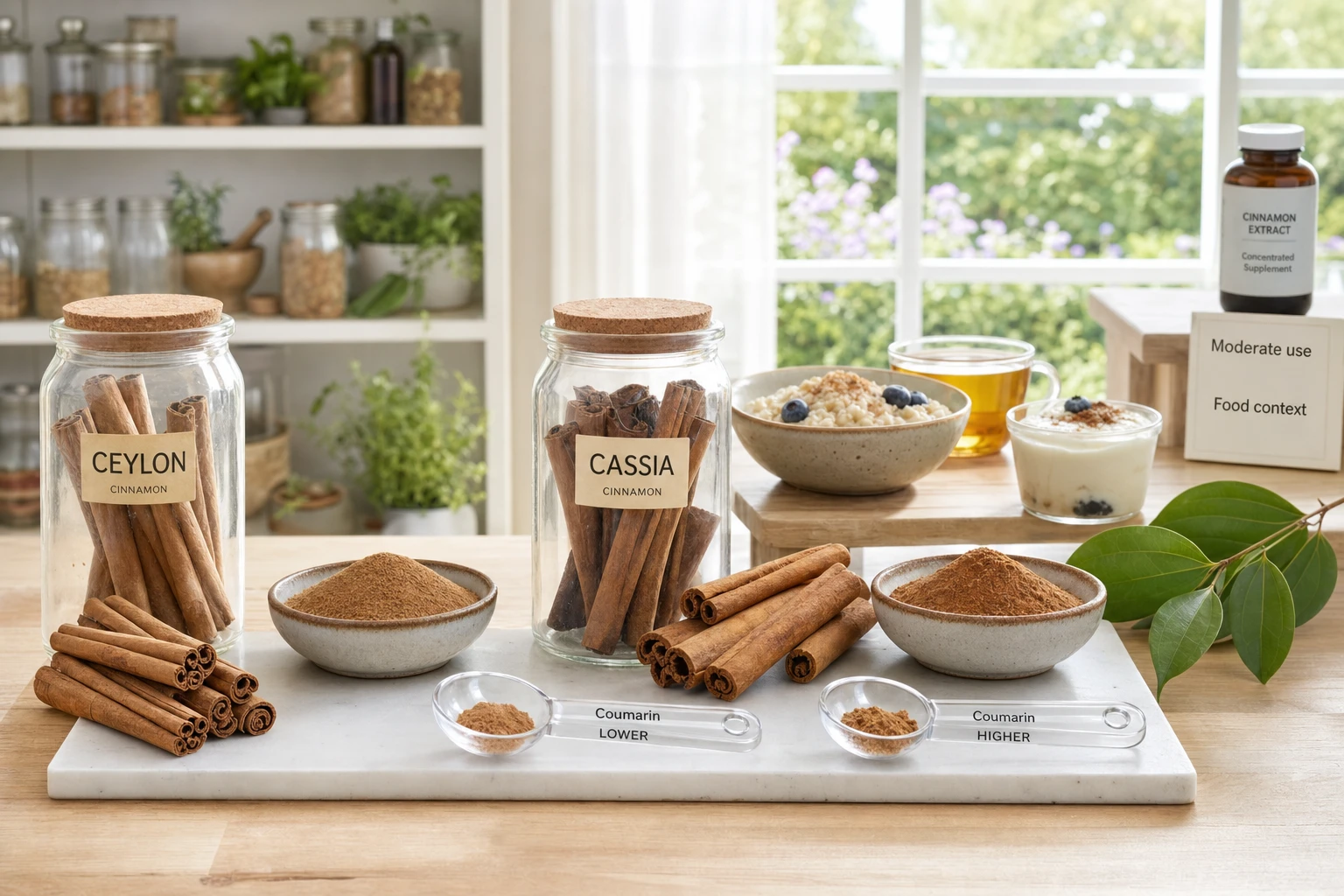
When it comes to cinnamon, the question is not only about its potential benefits, but also about the correct way to use it. Safety depends on the botanical species, meaning the variety of the plant's origin, the quantity consumed, the frequency, and the commercial form. The most important point is the distinction between culinary use and concentrated use, because available data show very different contexts between spice and supplement. Cinnamon in cooking, in moderate quantities, normally falls within a reasonable dietary context. However, cassia can contain higher amounts of coumarin, a natural substance present in some plants, and this makes caution essential when consumption is frequent or when highly concentrated products are used [1,4].
The EFSA guideline on coumarin, i.e., the European Food Safety Authority, provides a clear reference: the tolerable daily intake is 0.1 mg/kg of body weight per day [1]. This data should not be interpreted as a prohibition, but as a criterion to distinguish moderate food use from excessive exposure. In practice, it means that cinnamon is not an ingredient to be used indiscriminately when the botanical form is unknown or when the product is very rich in cassia. Reviews of cassia describe a broad phytocomplex, meaning a set of plant compounds, with over 160 identified compounds, and reiterate the need to also consider toxicology, i.e., the study of the harmful effects of substances, when evaluating the product [4].
The distinction between powder, extract, and supplement remains central also from a safety perspective. Food powder is closest to daily use and, usually, the simplest to incorporate into a balanced diet. Extracts and supplements, on the other hand, concentrate the content and can be more difficult to interpret if the effective dosage is not well known. This does not mean they are inherently problematic, but that they require more attention. Reviews on the genus Cinnamomum indeed highlight that chemical composition varies greatly and that biological significance depends not only on the species, but also on the form of intake [8,3].
From a clinical point of view, this difference is also crucial for interpreting studies. Several works that evaluated the metabolic effects of cinnamon used measured doses and limited durations, with results to be interpreted in the context of nutritional intervention and not as an invitation to increase consumption indefinitely. The Cochrane review on diabetes reported oral monopreparations, mainly of cassia, with an average dose of 2 g/d for 4-16 weeks [23]. The meta-analysis on blood pressure showed a more evident effect with supplementation equal to or less than 2 g per day and a duration longer than 8 weeks [24]. These numbers help to understand that clinical literature works with contained quantities, not with free or cumulative uses.
Safety, therefore, depends not only on the substance, but on the context of use. Occasional use in cooking has a different meaning than daily intake of capsules or extracts, especially if the source is not well specified. This is also important because cinnamon is often perceived as "natural" and therefore automatically harmless, but naturalness does not replace risk assessment. A natural product can still require attention if it contains high quantities of bioactive compounds. For this reason, conscious choice must start from the simplest question: am I using a spice, a flavoring, or a functional preparation?
The distinction between Ceylon and cassia is useful precisely because it guides caution. Ceylon cinnamon is often preferable when use is frequent, while cassia should be read with more caution due to its potential coumarin contribution [1,4]. This is not an absolute hierarchy, but a practical rule of common sense. If the goal is to flavor food, a small amount of spice is generally sufficient. If, on the other hand, a concentrated product is intended, it is advisable to check its composition, standardization, and declared dose. Reviews on the genus Cinnamomum indeed remind us that the chemical profile is not uniform and that the product must be interpreted based on what it actually contains [8,3].
Another useful element concerns the relationship between food use and potential benefits. The metabolic, antioxidant, and inflammatory properties reported in the literature do not authorize exceeding safety thresholds. On the contrary, precisely because some cinnamon compounds show biological activity, it becomes important to respect the quantity and form of intake. Research on cinnamaldehyde, i.e., the main aromatic compound responsible for the characteristic odor, and other constituents suggests interesting mechanisms, but these mechanisms do not automatically translate into a benefit proportional to the dose. In many cases, physiology responds to moderate and well-defined exposures, not to indiscriminate increases.
For this reason, in daily practice, cinnamon should be treated as a useful spice, not as an ingredient to accumulate. Culinary use allows its aroma to be enhanced and the use of added sugars to be reduced, while supplementation should be reserved for more targeted and better controlled contexts. The general rule is simple: the more concentrated the form, the more attention is needed. The clearer the product label, the easier it is to use it responsibly. Safety, in this field, arises from the combination of correct information and real moderation.
- The quantity consumed changes significantly between culinary use and supplementation.
- Cassia cinnamon requires more attention due to coumarin.
- Ceylon cinnamon is often preferable if use is frequent.
- Concentrated forms should be interpreted with more caution.
- The product should be chosen according to the actual objective.
The quantity, frequency, and form of consumption change the safety profile and practical use of cinnamon. Below, we will clarify how to interpret doses, risks, and selection criteria.
How much cinnamon can be consumed and how often
The amount of cinnamon to consume depends on the product form, the intended use, and the botanical variety. In general, moderate dietary use is the most sensible choice, because the spice is concentrated and it makes no sense to treat it as a high-volume food. The Cochrane review on diabetes reported oral monopreparations, mainly cassia, with an average dose of 2 g/d for 4-16 weeks [23]. The meta-analysis on blood pressure showed a more evident effect with supplementation equal to or less than 2 g per day and a duration longer than 8 weeks [24]. These numbers are useful because they show that many studies work with relatively small quantities. In daily life, however, moderation remains the main criterion. Rather than looking for a "magic" threshold, it is better to consider cinnamon as an ingredient to be used consistently and with common sense, within a balanced diet. The frequency of use should therefore be interpreted within the framework of the overall diet and individual tolerability. When intake becomes daily, the commercial form and botanical species gain even more importance, because the cumulative risk depends precisely on repetition, dose, and coumarin content [1]. For this reason, frequency should not be separated from product quality, but considered together with it.
Is cinnamon bad for you? When caution is needed
The question of whether cinnamon is harmful requires a balanced answer. Moderate culinary use is generally compatible with a healthy diet, but caution increases when it comes to cassia, concentrated extracts, or high and prolonged consumption. EFSA has set a TDI for coumarin at 0.1 mg/kg of body weight per day, a figure specifically designed to prevent overexposure [1]. This does not mean that cinnamon is inherently dangerous, but that the species and quantity matter a great deal. This is also an important clarification for scientific communication, as it helps to avoid unnecessary alarmism. The most useful answer for the reader is therefore this: in most culinary uses, cinnamon is a reasonable ingredient; however, when consumption becomes frequent or concentrated, a more careful evaluation is needed. Safety is not an abstract concept, but the result of informed choices consistent with the context. In practice, the problem is not the spice itself, but rather the potential discrepancy between the actual dose and the dose compatible with tolerable exposure. For this reason, when ill-defined supplements or mixtures appear, the level of attention must increase further [1,4].
How to choose quality cinnamon from the label
Choosing quality cinnamon means reading the label carefully. The most useful information includes the botanical species, product form, any standardization, and origin. If the packaging is clear, it becomes easier to understand whether it is Ceylon cinnamon, cassia, powder, or extract. This is important because the practical implications vary greatly depending on the case. Reviews on the genus Cinnamomum and cassia remind us that the chemical profile is not uniform and that the product should be evaluated for what it actually contains [8,4]. For the consumer, the simplest criterion is to look for transparency and consistency between the label and the intended use. A well-identified product is easier to use responsibly, especially if you want to incorporate cinnamon into your daily routine without mixing culinary use and supplementation. Quality, in this case, is not an abstract concept: it coincides with legibility and the correspondence between the product and the objective. The pharmaceutical form also matters, because a standardized extract can have a different potency than a simple powder, with practical consequences on the actual dose taken. In other words, the label is not just for informing, but for preventing misinterpretations and making use safer and more consistent.
Cinnamon in the kitchen: how to incorporate it without overdoing it
Incorporating cinnamon into your cooking is simple, but doing so in moderation is the most beneficial choice. The spice can enhance yogurt, oats, fruit, hot beverages, and sweet preparations, making it easier to reduce added sugars. This is its main practical advantage: adding flavor with minimal energy intake. The most accurate message, however, is that a larger quantity does not equate to a greater benefit. Cinnamon works best as an ally of moderation, not as a tool for compensation. This makes it suitable for daily routines, provided it remains part of a consistent and sustainable diet. Its intelligent use is not excessive, but rather constant, reasonable, and well-contextualized. In this sense, cinnamon is a perfect example of a useful spice when it improves the quality of a meal without altering its overall profile. This closes the loop between practical use, product quality, and overall scientific meaning. If consumption is kept within a normal dietary framework and one avoids combining the spice, extracts, and supplements indiscriminately, cinnamon retains its gastronomic and functional value. The goal is not to maximize intake, but to integrate it intelligently, so as to achieve flavor, continuity, and safety in the same eating gesture.
Comparative overview
This table summarizes the most useful concepts for navigating between botany, composition, nutritional use, and practical differences. It serves to quickly compare what truly changes when talking about cinnamon, without confusing the spice with extracts or with different commercial species.
| Concept | What it means | Why it matters |
|---|---|---|
| Ceylon Cinnamon | A more delicate and generally more prized species | Helps distinguish the best product for daily use |
| Cassia | The most common, intense, and widespread variety | It's important to recognize it to properly read labels and understand its use |
| Cinnamaldehyde and polyphenols | Main bioactive compounds of the spice | Explain the functional profile and scientific interest |
Summary of scientific evidence
This summary reorganizes the sources from the doilist to provide a quick overview of the available evidence, relating the year, studied area, signal direction, and main methodological limitations.
| Publication Year | Area Studied | What Studies Indicate | Main Limitation | Level of Evidence |
|---|---|---|---|---|
| 2025 | Type 2 Diabetes and Metabolic Biomarkers | evidence indicates an improvement in glycemia and some lipid indicators in a portion of participants | high heterogeneity among studies, doses, and formulations | Meta-analysis [20] |
| 2025 | Metabolic Diseases and Overall Response to Cinnamon | studies suggest a favorable but not uniform effect on metabolic parameters | diverse populations and not always overlapping results | Meta-analysis [10] |
| 2019 | Ceylon cinnamon extract in adults | evidence indicates a reduction in fasting glycemia in subgroups with type 2 diabetes | limited sample and relatively short duration | Clinical Trials [39] |
| 2007 | Ceylon cinnamon and safety in adults | results are not uniform for LDL, but the signal on glycemia appears consistent | multiple endpoints and differences between subgroups | Clinical Trials [28] |
| 2024 | Cognition and Neurological Function | studies suggest an exploratory interest rather than a consolidated benefit | prevalence of preclinical data | Systematic Review [32] |
| 2020 | Blood Pressure | evidence indicates a modest reduction in blood pressure values in some trials | effect dependent on dose and duration | Meta-analysis [24] |
| 2020 | Inflammation and oxidative stress | the signal appears consistent with a possible reduction in some cardiometabolic markers | surrogate markers and not hard clinical outcomes | Meta-analysis [26] |
Editorial review of the evidence
Overall, the literature shows a fairly consistent picture in metabolic areas, especially when cinnamon is studied in people with type 2 diabetes, insulin resistance, or metabolic syndrome. The most recurring signal concerns glycemia and some lipid indicators, with possible implications also for inflammation and blood pressure. Preclinical literature strengthens biological plausibility, because the spice's compounds interact with cellular pathways that regulate energy and glucose transport. However, the strength of the signal is not identical in all studies and depends heavily on the experimental context.
The main limitation is methodological variability: botanical species, product form, dose, duration, and participant characteristics vary from study to study. Many results concern intermediate biomarkers, not definitive clinical outcomes, and several studies have small samples or short follow-ups. Furthermore, in some areas, such as neuroprotection and experimental oncology, the basis remains primarily preclinical. For this reason, the most correct interpretation is cautious: the signal exists, but it does not yet have the same solidity in all investigated areas.
Conclusions and editorial summary
Cinnamon is a spice that deserves attention not only for its aromatic profile, but for the way it fits into the major axes of nutritional physiology: glucose metabolism, lipid management, low-grade inflammatory response, and cellular energy regulation. The available literature consistently shows that its most studied compounds, particularly cinnamaldehyde and the polyphenol-rich fraction, can interact with relevant biological pathways such as AMPK, mTOR, and glucose transport systems. This makes cinnamon interesting as a functional ingredient, meaning as part of a diet that not only provides energy and flavor, but also helps modulate certain physiological processes.
The most important point, however, is the correct interpretation of the evidence. In metabolic contexts, especially in type 2 diabetes, metabolic syndrome, and some forms of insulin resistance, the signal appears more stable and repeatable. Here, cinnamon acts as a support, not as a substitute for other nutritional or clinical strategies. The strength of its interest derives precisely from this: it can help build a more sober, more consistent, and easier-to-maintain dietary model over time, for example, when it allows for the reduction of added sugars without losing sensory quality. In this sense, its value is not only biochemical, but also behavioral.
However, botanical variety and form of consumption remain central. Ceylon cinnamon and cassia should not be treated as equivalents, just as powder, extract, and supplement do not have the same practical meaning. Conscious product choice, moderation in quantities, and careful label reading are an integral part of quality of use. This distinction is particularly important because the naturalness of a food never coincides with the automatic absence of limits or precautions.
From a prevention perspective, cinnamon fits well into a broader framework that includes energy balance, carbohydrate quality, fiber intake, glycemic load control, and regularity of eating habits. It is in this environment that its possible effects become more understandable and useful. For the reader, the final message is straightforward: cinnamon is not a simple answer to complex problems, but a spice with an interesting scientific basis, especially useful when interpreted in the right context and used in moderation.
The thematic continuity of this site fits precisely here: in the relationship between food, metabolism, and daily choices based on evidence, without separating taste from physiology.
Final Critical Note
The critical picture emerging from the literature on cinnamon is defined more by uncertainties than by major conclusive results. Many studies are useful for understanding the direction of the signal, but not for precisely measuring its real extent. Samples are often small, follow-ups are short, and the formulations used are not always comparable. This makes it difficult to establish a stable relationship between the quantity consumed, the duration of the intervention, and the observable benefit. Even when results seem favorable, they often remain linked to intermediate biomarkers, i.e., indirect biological indicators, which do not automatically coincide with a lasting clinical improvement. The distance between a laboratory parameter and a concrete health outcome is one of the most delicate points in the entire literature.
Another issue concerns the heterogeneity of the raw material. Ceylon cinnamon and cassia do not have the same chemical profile, and the distinction between powder, extract, and supplement radically changes the meaning of the dose. This means that some of the differences observed in studies do not depend solely on the experimental design, but also on the variability of the product itself. Furthermore, the strength of the evidence is higher in metabolic disorders and weaker in areas such as neuroprotection, i.e., the protection of nerve cells, experimental oncology, and cellular longevity, where the basis remains primarily preclinical. For this reason, the most rigorous interpretation is one that recognizes the biological value of the spice without transforming it into a generalized or universally proven benefit.
References
[1] Scientific opinion on the safety of coumarin
[4] Cinnamomum cassia Presl: A Review of Its Traditional Uses, Phytochemistry, Pharmacology and Toxicology
[6] Cinnamaldehyde prevents adipocyte differentiation and adipogenesis via regulation of peroxisome proliferator-activated receptor-γ (PPARγ) and AMP-activated protein kinase (AMPK) pathways
[7] Dietary cinnamon promotes longevity and extends healthspan via mTORC1 and autophagy signaling
[9] The beneficial effects of cinnamon among patients with metabolic diseases: A systematic review and dose-response meta-analysis of randomized-controlled trials
[10] The Effects of Cinnamon on Patients with Metabolic Diseases: An Umbrella Review of Meta-Analyses of Randomized Controlled Trials
[11] Cinnamaldehyde: Pharmacokinetics, anticancer properties and therapeutic potential (Review)
[12] Cinnamon: a nutraceutical supplement for the cardiovascular system
[13] Cinnamon Extract Enhances Glucose Uptake in 3T3-L1 Adipocytes and C2C12 Myocytes by Inducing LKB1-AMP-Activated Protein Kinase Signaling
[20] Effects of cinnamon supplementation on metabolic biomarkers in individuals with type 2 diabetes: a systematic review and meta-analysis
[21] The effect of cinnamon supplementation on cardiovascular risk factors in adults: a GRADE assessed systematic review, dose–response and meta-analysis of randomized controlled trials
[22] Anti-diabetic and antioxidant effect of cinnamon in poorly controlled type-2 diabetic Iraqi patients: A randomized, placebo-controlled clinical trial
[24] The effect of cinnamon supplementation on blood pressure in adults: A systematic review and meta-analysis of randomized controlled trials
[25] The effects of cinnamon supplementation on blood lipid concentrations: A systematic review and meta-analysis
[26] Impact of Cinnamon Supplementation on cardiometabolic Biomarkers of Inflammation and Oxidative Stress: A Systematic Review and Meta-Analysis of Randomized Controlled Trials
[27] Effect of cinnamon on migraine attacks and inflammatory markers: A randomized double‐blind placebo‐controlled trial
[28] The effect of cinnamon extract on insulin resistance parameters in polycystic ovary syndrome: a pilot study
[29] Preliminary evidence that cinnamon improves menstrual cyclicity in women with polycystic ovary syndrome: a randomized controlled trial
[31] Effect of cinnamon as a Chinese herbal medicine on markers of cardiovascular risk in women with polycystic ovary syndrome: A systematic review and meta-analysis of randomized controlled trials
[32] Cinnamon and cognitive function: a systematic review of preclinical and clinical studies
Editorial note
Artificial Intelligence was used solely as a tool to support editorial and documentary work. All content, interpretations, bibliographic citations and conclusions have been verified, reviewed and approved by the author, who assumes full scientific responsibility for them.
The manuscript was also subject to independent peer review prior to publication.
To ensure maximum transparency, the article's complete history — including the dates of submission, review, acceptance and publication, as well as information on the peer review process — is available on the dedicated Article History page.