


Black pepper and its intrinsic properties
Research on black pepper shows growing interest in piperine, its most studied bioactive compound. The most convincing evidence concerns its ability to influence the bioavailability of certain substances and to modulate cellular signals related to metabolism, inflammation, and oxidative stress. However, many results remain preclinical or obtained in combination with other compounds, so the clinical significance is not yet precisely defined. Black pepper remains primarily a food spice, while piperine is a research molecule that deserves attention but also interpretive caution.
- Published 25/08/2026
- Updated 08/09/2026
- Reviewed 08/09/2026
- Article history

ABSTRACT : WHAT THE SCIENCE SAYS
Black pepper is much more than a table spice: it is an ancient ingredient, widespread throughout the world and now observed with increasing interest by research for the presence of bioactive compounds, in particular piperine, which is the most studied pungent molecule within it. In fact, when we talk about black pepper, we are not only referring to the strong flavor that enriches dishes, but also to a complex food matrix, capable of interacting with various biological processes. For this reason, the topic is relevant both for those looking for practical information on daily cooking and for those who want to understand what science really says about its possible properties. In the nutritional field, black pepper is often studied for its potential role in bioavailability, i.e., the amount of a substance that reaches circulation, in energy metabolism, in inflammation and in oxidative stress, but it is important to distinguish precisely between what is supported by experimental evidence, what emerges from clinical studies, and what remains a hypothesis to be verified. The difference between whole spice and concentrated extract is also central, because the amount of available piperine changes and, consequently, the meaning of the observed effects. An often-overlooked aspect is the natural variability of piperine content, which can change based on species, origin, harvest, and processing, making black pepper a less uniform object of study than it seems. Furthermore, its scientific interest does not only concern digestion or taste, but also the possibility that some of its components influence broader cellular signals, such as those related to energy response, inflammation control, and the maintenance of metabolic balance. In the following paragraphs, the reader will find an organized guide that starts from the identity of black pepper and arrives at its most discussed applications, passing through the mechanisms of action, possible metabolic effects, safety of use, and limitations of available evidence. The goal is to offer a clear, scientific, and understandable reading, useful for navigating without oversimplifications and without excessive promotion. In summary, below are the key points we will explore:
- Botanical identity of black pepper and the role of piperine
- Nutrient bioavailability and interactions with other compounds
- Energy metabolism, AMPK, mTOR, and cellular autophagy
- Glycemia, insulin resistance, steatosis, and metabolic risk
- Safety, dosages, supplements, and conscious daily use
Black pepper and its intrinsic properties
The properties of black pepper depend mainly on its natural matrix, i.e., the physical and chemical composition of the food, and the profile of its bioactive compounds, which are substances capable of interacting with the body, with piperine at the center of scientific interest. From this perspective, black pepper is not just an aromatic spice: it is a complex food, also studied for the possible benefits of black pepper and for the role it can play in the relationship between black pepper and health.

Black pepper is the spice obtained from the dried fruits of Piper nigrum, and its intrinsic properties derive from the totality of compounds present in the matrix, i.e., in the overall structure of the food, not from a single isolated element. The most studied substance is piperine, an alkaloid, meaning a natural nitrogen-containing molecule, which contributes decisively to the pungent taste and is often used as a reference to evaluate the bioactive profile of black pepper [1,2]. This approach is useful because the properties of black pepper do not automatically coincide with those of a standardized extract, i.e., prepared with a controlled concentration of one or more constituents: the food spice, in fact, carries with it fiber, essential oils, and other secondary compounds that modulate its biological and sensory behavior. For this reason, discussing the properties of black pepper means distinguishing its culinary value from its functional value, without confusing them. The synthesis literature also describes significant natural variability, linked to origin, maturation, drying, and preservation, which makes comparing different products non-trivial [3,1]. From a physiological point of view, this variability matters because piperine does not act alone as an "absolute principle," but interacts with the food matrix and with the body's response to the entire meal. In other words, black pepper can affect the sensory profile and some metabolic processes, but its effect depends on the form of intake and the dietary context. This aspect is particularly relevant when evaluating the difference between gastronomic use and use in supplements, where the amount of piperine can be concentrated and therefore more easily standardized [4,1].
Available reviews describe black pepper as a spice with interesting biochemical characteristics, i.e., related to its composition and its possible effects on the body, but also with strong natural variability associated with cultivation, maturation, and processing [3,1]. In practice, this means that the amount of piperine and the richness of other bioactive compounds can vary between different products, with different effects on the sensory profile and nutritional potential. It is precisely this variability that explains why black pepper is studied both as a daily ingredient and as a basis for more controlled formulations. Later, we will clarify the role of piperine on bioavailability and metabolism; here, however, it is important to establish the starting point: black pepper is a complex spice, and its scientific identity arises from the interaction between the food matrix, bioactive compounds, and the antioxidant and anti-inflammatory effects observed in various experimental models [1,2]. Safety assessments also remind us that interest in this spice cannot disregard the dose and intended use; in particular, the safety of black pepper and piperine in supplements has been examined with respect to the maximum use levels proposed by the applicant [4]. This element helps to understand why the transition from food to supplement requires caution, especially when one wishes to attribute a functional role to black pepper beyond its culinary use [4,3].
To navigate these aspects, it is useful to keep in mind some key points:
- Piperine is the most studied compound in black pepper.
- The spice matrix influences aroma, pungency, and bioactive profile.
- The benefits of black pepper depend on the form in which it is consumed.
- Standardized extracts do not coincide with common ground pepper.
- Intrinsic properties should be read in conjunction with the dietary context.
After defining the complex nature of black pepper, it is useful to clarify where its main bioactive compounds are concentrated and why piperine occupies a central position. The following steps help to correctly interpret the relationship between the spice, extracts, and nutritional use.
What is black pepper and why is piperine central?
Further reading: What is black pepper: definition, piperine, and biological significance for health
Where piperine is found and how it is obtained from black pepper
Further reading: Where is piperine found in black pepper and how is the extract obtained
Black pepper and piperine: differences between the spice and the active ingredient
Recent research and updates
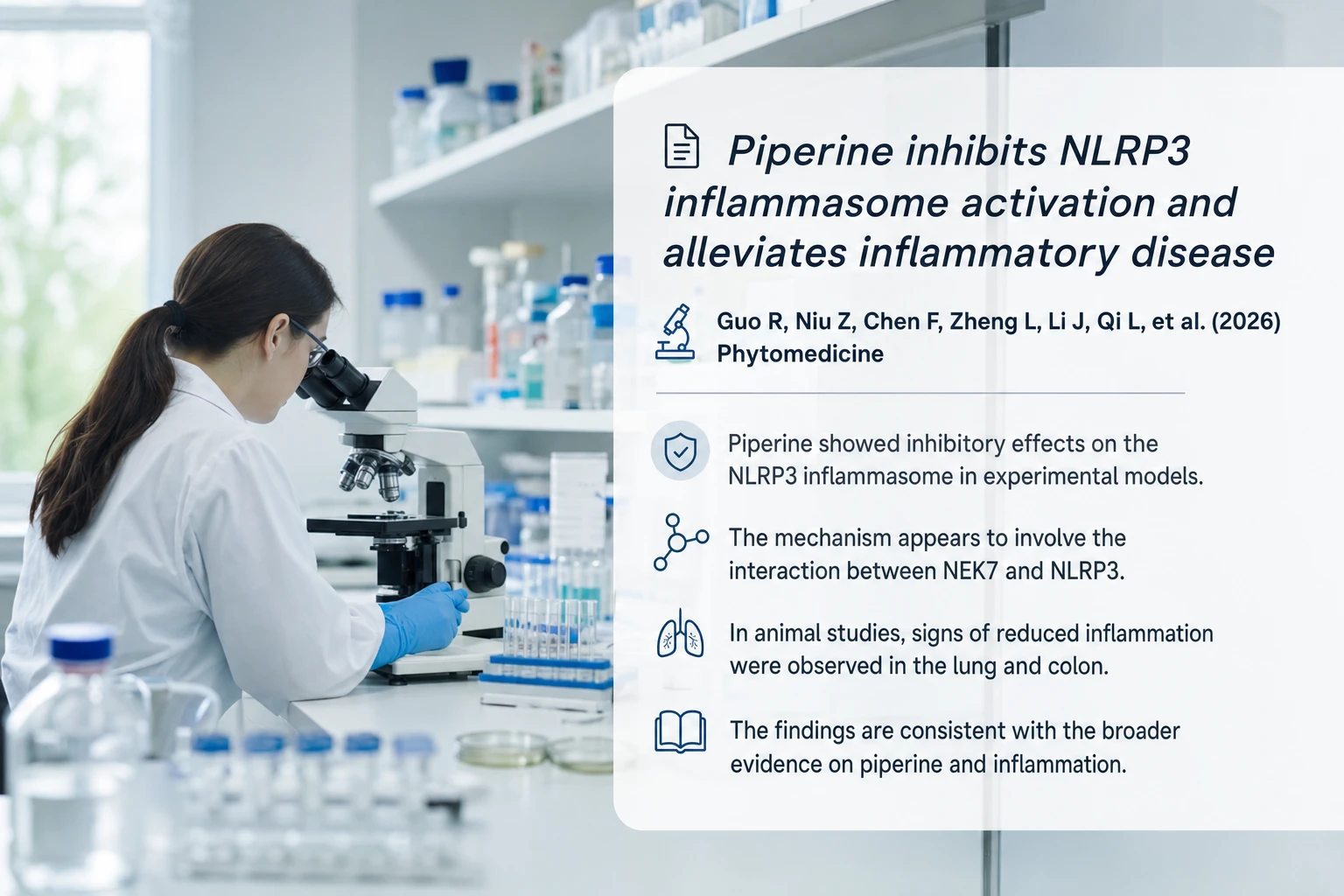
In 2026, the first author Guo, a Chinese researcher, and colleagues, in the journal Phytomedicine, described a study on piperine, the main pungent compound in black pepper, showing that it can interfere with an inflammation system called the NLRP3 inflammasome. The interest of the work lies in the connection between a food compound and a biological pathway involved in various inflammatory diseases, with experimental data from both cellular and animal models.
Piperine inhibits NLRP3 inflammasome activation and alleviates inflammatory disease
- Piperine has shown an inhibitory effect on the NLRP3 inflammasome in experimental models.
- The mechanism appears to involve the interaction between NEK7 and NLRP3.
- In animals, signs of inflammation attenuation in the lung and colon have emerged.
- The result is consistent with the broader picture of piperine and inflammation already described in recent literature.
Piperine and nutrient bioavailability
From a nutritional perspective, the most well-known properties of black pepper are not solely dependent on its flavor: piperine is also studied because it can modify the amount of a nutrient or bioactive compound that actually enters circulation. This effect, known as the relationship between piperine and bioavailability, is particularly relevant for combinations with other phytocompounds, i.e., substances of plant origin, and with certain nutraceutical formulations, i.e., products designed to provide health benefits beyond simple nutritional value. However, this is not an "automatic increase": dose, context, and the associated substance all matter.

The relationship between piperine and bioavailability is one of the reasons why black pepper has entered the debate on functional nutrition and supplementation. In this context, bioavailability indicates the proportion of a substance that is absorbed, transformed, and made available to tissues. Piperine is considered a possible bio-enhancer, meaning a compound capable of increasing the systemic exposure—that is, the amount of substance that reaches the blood and tissues—of certain molecules, mainly by acting on intestinal absorption and first-pass metabolism, which is the initial transformation that occurs in the intestine and liver before the substance enters circulation. Available reviews describe this effect as one of the main reasons for nutraceutical interest in Piper nigrum and its bioactive compounds [1,3]. From a physiological perspective, the topic is relevant because the intestine, membrane transporters (proteins that regulate the passage of molecules through cells), and liver enzymes determine how much substance actually enters circulation; if one of these steps changes, the expected biological response also changes. For this reason, piperine should not be seen as a simple "accelerator," but as a modulator of complex processes that can amplify or, in other cases, alter the final outcome.
The key point, however, is that the effect is not universal: it depends on the associated substance, the formulation, and the quantity used. To guide the reader, it is useful to keep three fundamental aspects in mind.
The most cited pairing is with curcumin: the review by Heidari and colleagues concludes that co-administration with piperine can potentially improve the bioavailability of curcumin, which is why this association has become a study model in functional nutrition [9]. In clinical and formulation contexts, this interest has also been fueled by studies on patients with metabolic conditions, where piperine has been evaluated as a possible support in combined products [10]. It is important, however, not to confuse increased absorption with a guaranteed benefit: the final result depends on the biological context and the intended use. The literature on curcumin shows that optimizing the formulation can substantially change systemic exposure, but it does not replace the need to evaluate relevant clinical endpoints, i.e., the measurable outcomes that truly matter for health. For this reason, when discussing black pepper and its benefits, piperine should be interpreted as a modulator, not as a guarantee of efficacy for any substance. Further on, the focus shifts precisely to these combinations, to understand why some have become the main reference in bioavailability studies [4,3].
- Piperine can increase the exposure of some co-administered compounds.
- The effect varies greatly among different nutrients, extracts, and formulations.
- The combination with curcumin is the most studied case.
- Interactions with medications require separate and cautious evaluation.
Piperine is mainly studied as a modulator of absorption and nutraceutical combinations. The following three points clarify when this effect is useful, when it is only potential, and when it can become critical.
How piperine increases the bioavailability of other substances
Piperine and curcumin: why this combination is so widely studied
When piperine can alter drug absorption
Black Pepper and AMPK-mTOR Energy Metabolism
In the discussion about the properties of black pepper, the most interesting point is not only about nutrient absorption but also how some of its bioactive compounds—that is, food-derived substances capable of exerting biological effects—can interact with the cell's energy sensors. In particular, piperine and black pepper metabolism are often linked to the AMPK and mTOR pathways, two hubs that regulate energy use, protein synthesis, and cell turnover. These are mainly experimental results, useful for understanding the potential of black pepper and health without turning it into a cure.
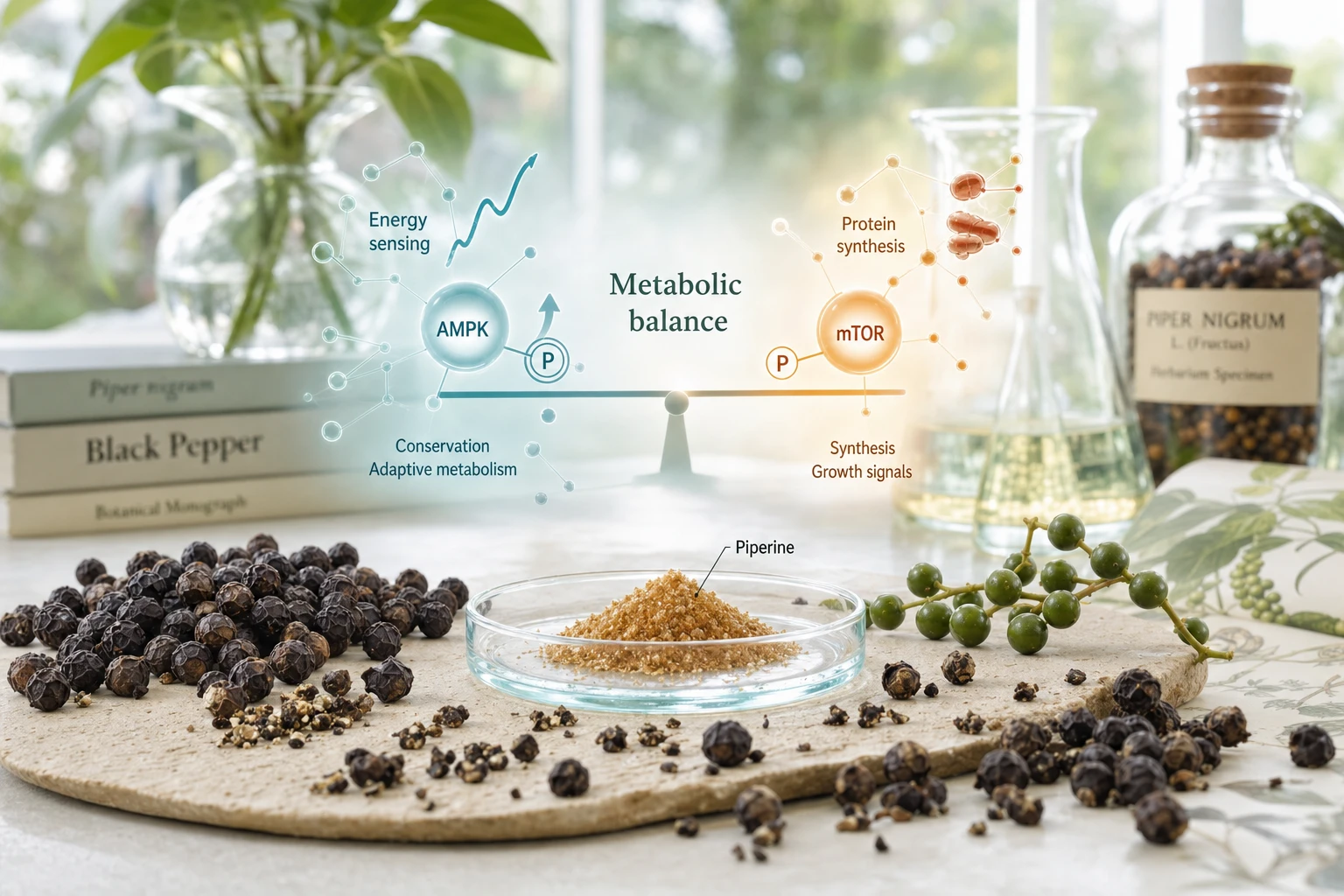
When discussing black pepper and energy metabolism, the most important reference is the ability of some of its bioactive compounds, primarily piperine, to interact with the systems that determine how the cell uses and stores energy. AMPK, or adenosine monophosphate kinase, is often called an "energy sensor" because it activates when cellular reserves decrease, promoting adaptation and saving processes; mTOR, or mechanistic target of rapamycin, on the other hand, supports growth, protein synthesis, and accumulation when energy is available. In several experimental models, piperine seems to orient metabolism towards more efficient management, without this automatically meaning a direct clinical effect in humans [15,16].
This framework is consistent with the idea that black pepper does not act as a generic "accelerator," but as a signal modulator. In practice, the cell interprets the presence of piperine as a stimulus capable of altering already known transduction pathways, i.e., the pathways by which signals are converted into biological responses, with repercussions on glucose utilization, the balance between anabolism and catabolism, and the response to oxidative stress, which is an excess of oxidizing molecules that can damage cellular structures. Precisely for this reason, the data should be read in the context of cellular physiology and not as proof of therapeutic efficacy. The available evidence, in fact, is largely preclinical and depends on concentrations, experimental model, and observed tissue [16,17].
In skeletal muscle cells, for example, piperine promoted glucose uptake through ROS-dependent activation of the CAMKK/AMPK pathway, thus linking redox status and energy availability [15]. This step is important because it suggests an adaptation mechanism: oxidative stress is not only read as damage, but also as a signal that activates compensatory metabolic responses. Other studies have shown that piperine can regulate UCP1, an uncoupling protein involved in heat production and energy expenditure, through the AMPK pathway, suggesting a possible impact on cellular energy expenditure as well [18]. In parallel, studies on models of insulin resistance, i.e., conditions in which cells respond less well to insulin, indicate that piperine can improve glucose tolerance and insulin sensitivity, with findings in OGTT, hyperglycemic clamp, and ITT, while remaining within the realm of experimental evidence [8]. This makes a link between black pepper, metabolic efficiency, and control of energy substrates plausible, but does not allow direct inferences about clinical practice.
The opposite side of this regulation is mTOR, which helps to understand why piperine is studied not only as a metabolism modulator, but also as a factor capable of influencing cell proliferation and internal maintenance. When mTOR is active, the cell prioritizes synthesis and growth; when the signal attenuates, it becomes easier to activate recovery and recycling processes. Piperine seems to fit into this balance with effects that vary depending on the biological context. However, these data should be read with caution: most of the evidence comes from preclinical systems, where the observation of an activated signaling pathway does not equate to a certain benefit for the person [16,17].
To correctly interpret these data, it is advisable to distinguish between levels of evidence and possible biological effects:
- Piperine can stimulate glucose uptake into muscle cells.
- AMPK activation promotes a more prudent metabolic setup.
- mTOR modulation concerns growth, repair, and autophagy, i.e., the internal recycling process of damaged or useless cellular components.
- The observed effects depend heavily on the experimental model used.
The relationships between piperine, AMPK, and mTOR are better understood by first observing how glucose metabolism changes and then how the cell balances growth and internal recycling. In the following passages, these mechanisms are interpreted from a biological, not promotional, perspective.
Piperine and AMPK: the cellular energy sensor
Why mTOR is the opposite node to AMPK
Piperine, autophagy, and cellular resource reuse
The effects of black pepper on metabolism, glycemia, and weight
When discussing black pepper and its metabolic properties, the point is not to attribute a "miraculous" slimming effect to it, but to understand how piperine can influence glycemia, insulin sensitivity—that is, the ability of cells to respond to insulin—and the energetic use of nutrients. The evidence is particularly interesting in experimental models and in some specific clinical contexts, with results that should be interpreted within the framework of the overall diet and lifestyle.
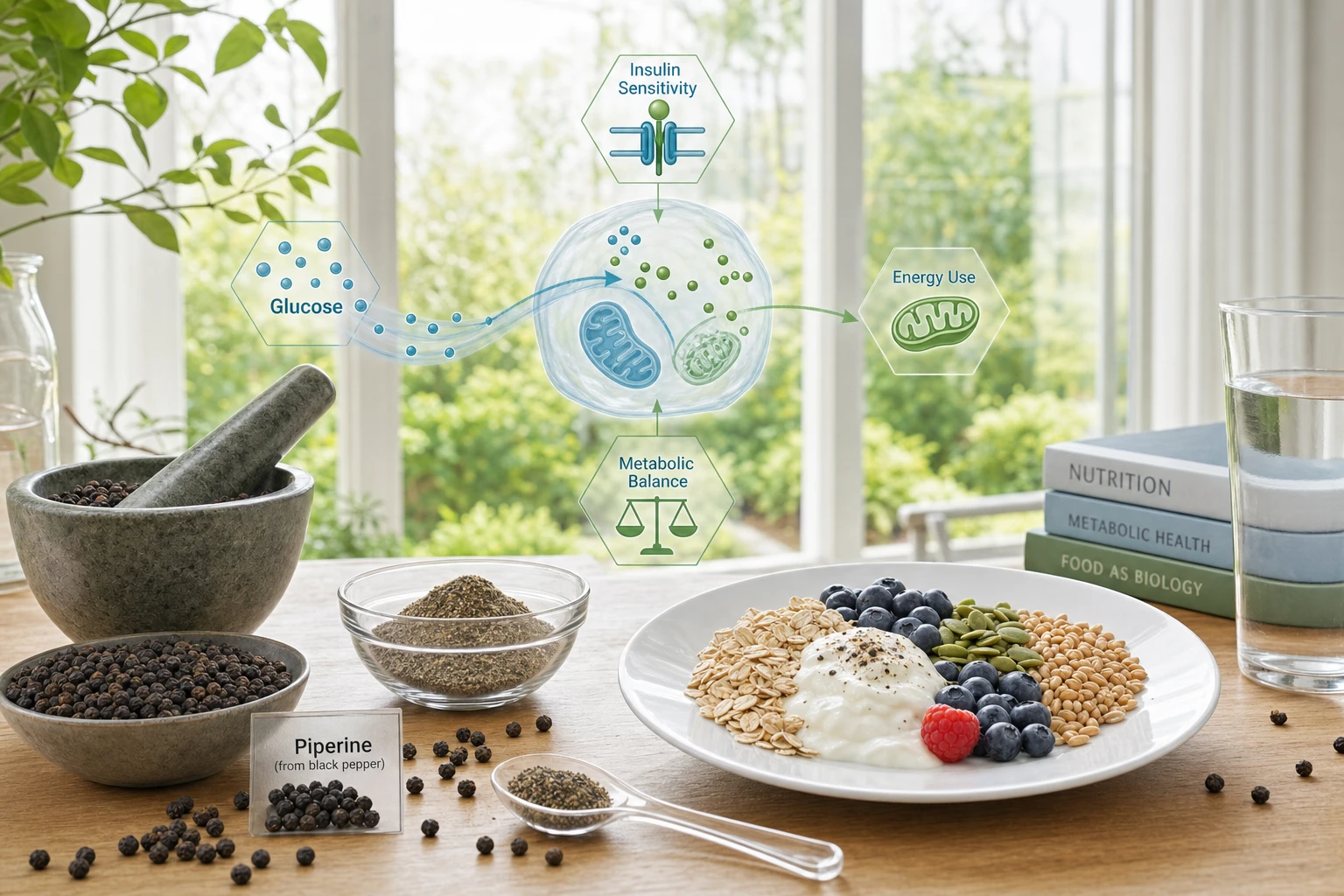
The effects of black pepper on metabolism have been studied primarily through piperine, its main bioactive compound—that is, the active molecule that contributes to the spice's biological properties—observing possible repercussions on glycemia, glucose utilization, and body fat accumulation. In simple terms, black pepper does not "burn" fat on its own, but it can interfere with certain cellular signals that regulate how the body manages sugars and lipids. In experimental models, these effects are linked to improved insulin response, meaning the body's ability to efficiently use insulin, a different activation of glucose transporters—proteins that carry glucose into cells—and a possible rebalancing of central metabolic pathways [8]. From a pathophysiological perspective, this interest arises from the fact that insulin resistance (a reduced tissue response to insulin), hyperglycemia (an increase in blood glucose), and ectopic lipid accumulation tend to reinforce each other, fueling a vicious cycle involving the liver, muscle, and adipose tissue. When insulin signaling weakens, glucose uptake in peripheral tissues decreases, while the liver continues to produce glucose with a less effective physiological brake. In this context, piperine has been interpreted as a possible modulator of intracellular signals—that is, communication mechanisms within the cell—that can influence energy homeostasis, meaning the balance with which the body produces and uses energy, but always within still partial evidence limits [4].
Overall, the literature suggests that the relationship between black pepper and metabolic health may be relevant, but with varying intensity and depending on the model studied. For example, piperine has shown the ability to attenuate insulin resistance and hepatic steatosis (fat accumulation in the liver) in animal models fed a high-fat diet [21], while other studies have observed an increase in glucose uptake through signals like AMPK, a protein that helps the cell sense its energy state [15]. This makes a supportive, non-substitutive role plausible in metabolic prevention strategies. Biologically, AMPK is activated when the cell "senses" energy deficiency and tends to promote substrate consumption and reduce anabolic processes (molecule building processes). For this reason, many black pepper studies focus on pathways like IR/Akt/GLUT4, because they directly regulate GLUT4 translocation and thus glucose entry into muscle and adipose tissue [8]. The result is consistent with a possible metabolic effect, but does not prove clinically relevant weight loss. In practical terms, body weight depends much more on energy balance, physical activity, and diet quality than on a single spice. The correct interpretation is therefore cautious: black pepper may have interesting metabolic benefits, but it is not a standalone intervention for controlling glycemia or weight [4].
To navigate between preclinical data and human results, it is useful to distinguish three recurring aspects in studies that help to more precisely interpret the role of the spice:
- Glycemia may improve in specific experimental models.
- Insulin sensitivity appears to involve regulatory cellular pathways.
- The effect on weight remains indirect and inconclusive.
- The dietary context significantly alters the interpretation of results.
Data on black pepper, metabolism, and glycemia primarily come from experimental models, but they help us understand which biological pathways are involved. The following three steps show how piperine acts on glucose, insulin, and liver tissue.
Piperine and glycemia: what studies show
Black pepper and insulin resistance: why it affects metabolism
Black pepper and fatty liver: what research indicates
Black pepper in diseases and clinical contexts
The benefits of piperine primarily concern clinical contexts where black pepper and health are understood through biological mechanisms, not as therapeutic promises. The most solid evidence remains preclinical: some data suggest effects on metabolism, the brain, and damaged tissues, but more robust studies are needed in humans. In practice, black pepper and its properties promise interesting research avenues, not cures.
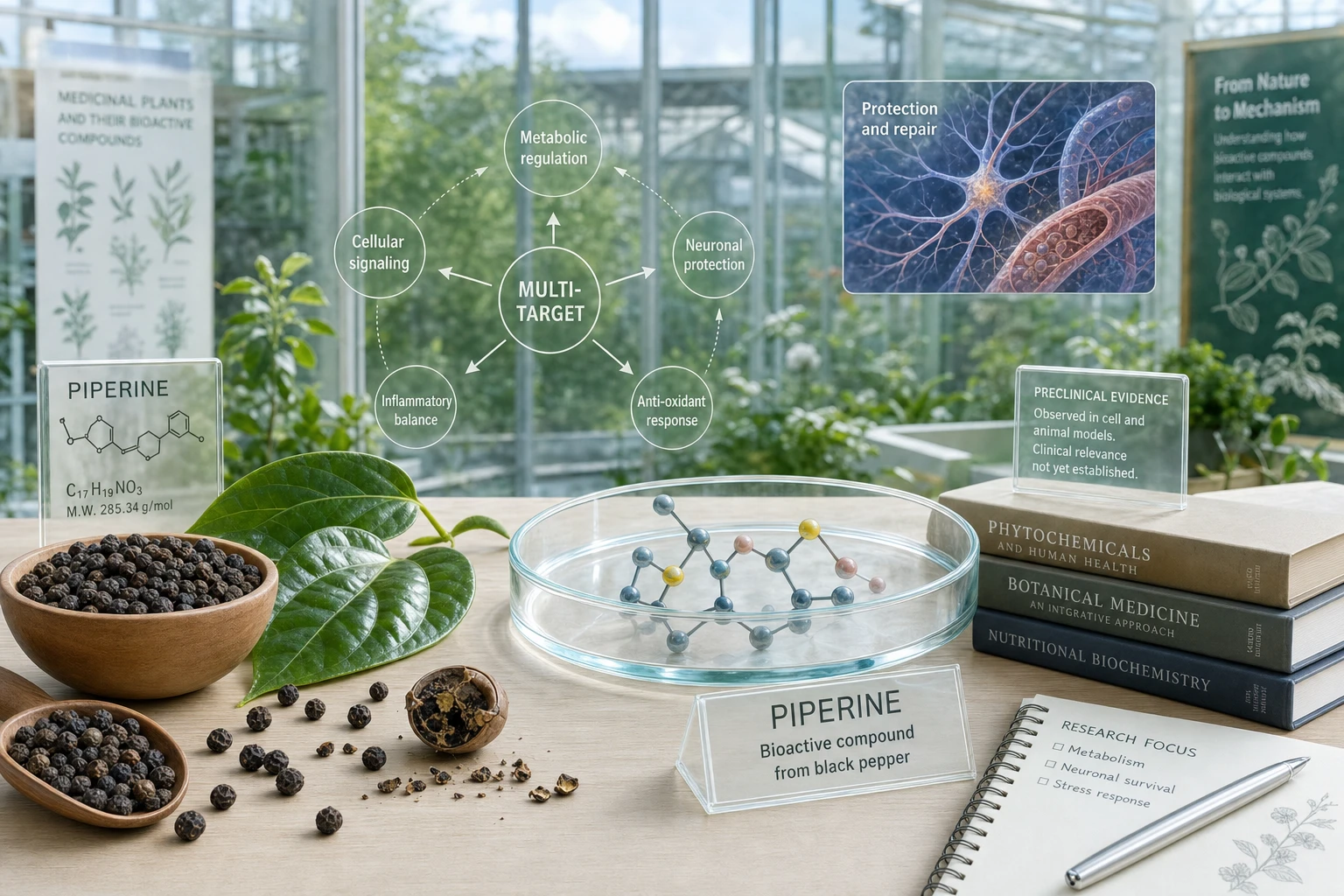
In the clinical context, black pepper is mainly studied for the presence of piperine, a bioactive compound, i.e., a substance of natural origin capable of exerting measurable biological effects, which can interact with cellular pathways involved in metabolism, neuronal survival, and stress response. This does not mean that the spice is a treatment, but that some of its biological effects deserve attention when considering black pepper and health. In particular, experimental literature has explored models of cerebral ischemia, i.e., a reduction or interruption of blood flow to a tissue, neurodegeneration, insulin resistance, and metabolic diseases, with results that help understand why piperine is considered a molecule of pharmacological and nutritional interest [1,22,23,21]. Its relevance also derives from its ability to act on multiple molecular targets simultaneously, a common trait of phytocompounds, i.e., bioactive compounds of plant origin, which do not behave like monomolecular drugs. In pathophysiological terms, i.e., how a disease alters functions and tissues, this can translate into effects on inflammation, oxidative stress, glucose transport, and cell survival signals. Precisely for this reason, research observes it with interest in chronic disorders, where multiple pathological pathways combine and fuel each other. However, correct interpretation always requires distinguishing experimental data from the possibility of clinical use. The available evidence helps define hypotheses, not replace standard therapies.
In experimental neurology, a rat model with ischemic brain injury indicated that piperine can improve brain damage by regulating the PI3K/AKT/mTOR pathway [24]. In another preclinical study, in rats with Parkinson's, piperine promoted autophagy mediated by the gut-brain axis and the PI3K/AKT/mTOR pathway to degrade α-synuclein [25]. These results are interesting because they link neuronal protection to concrete cellular mechanisms: when the cell undergoes stress, the PI3K/AKT/mTOR system modulates growth, survival, and recycling of damaged components. Autophagy, in this sense, can represent an intracellular "cleaning" pathway useful for limiting the accumulation of toxic proteins. In oncology, too, the literature is almost entirely experimental: a recent review, i.e., a critical synthesis of the literature, describes the topic as rapidly evolving but still far from clinical confirmation [26]; in leukemia cells, black pepper and piperine have shown anticancer effects [27], while in gastric and colorectal carcinoma, signals of apoptosis, cell cycle arrest, and modulation of PI3K/Akt and MAPK have been observed [28,29]. On the metabolic front, animal and computational models have shown improved glucose tolerance and insulin sensitivity, with data on OGTT, i.e., the oral glucose tolerance test, hyperglycemic clamp, an experimental procedure that maintains glycemia at high levels to measure insulin response, and ITT, the insulin tolerance test [8]. These effects are consistent with the hypothesis that piperine can influence GLUT4 translocation, the glucose transporter to the cell membrane, insulin response, and the energy balance of peripheral tissues. In small clinical studies on liver conditions, piperine has also been evaluated in non-alcoholic fatty liver disease, a condition of fat accumulation in the liver not due to alcohol, and in early cirrhosis [9,10]. The message, however, remains cautious: black pepper may be interesting as a research subject, but the evidence does not authorize considering it a therapy for specific diseases [4,3].
In popular terms, this means that the value of black pepper and its properties lies not in the promise of a cure, but in its ability to offer a natural model for studying complex biological pathways. The following section delves into the details of antioxidant and anti-inflammatory mechanisms, often invoked to explain many of these laboratory-observed effects. Here, the central point is methodological: many observations are solid on a mechanistic level, but translation to humans requires doses, formulations, and treatment duration that are yet to be precisely defined. For this reason, black pepper should be seen as a spice with scientific potential, not as a therapeutic shortcut.
To navigate different areas, it is useful to distinguish the main research scenarios, which show how piperine is observed from complementary perspectives:
- Neurological studies evaluate effects on brain damage and autophagy, i.e., the process by which the cell recycles damaged components.
- Oncological research observes apoptosis, i.e., programmed cell death, cell cycle, and mTOR signaling.
- Metabolic models analyze glucose tolerance and insulin sensitivity.
- Clinical applications explore complex contexts such as NAFLD and cirrhosis.
The clinical applications of piperine must be interpreted by carefully separating laboratory data from human trials. In the three most studied areas — neuroprotection, oncology, and metabolism — the results are interesting, but still vary greatly in terms of robustness.
Piperine and neuroprotection: what we know today
Neuroprotection is one of the fields where piperine has garnered significant experimental attention. Some models have shown effects on oxidative stress, which is an excess of reactive molecules that can damage cells and tissues, inflammation, and mitochondrial function, with possible implications for neuronal survival. A study on rats with ischemic brain injury indicated that piperine can improve brain damage by regulating the PI3K/AKT/mTOR pathway [24]. In another model of Parkinson's in rats, piperine promoted autophagy mediated by the gut-brain axis and the PI3K/AKT/mTOR pathway to degrade α-synuclein [25]. From a pathophysiological perspective, these data suggest an action on key processes that fuel neurodegeneration: protein accumulation, altered energy metabolism, mitochondrial dysfunction, and local inflammatory response. This hypothesis is interesting because neuronal damage is almost never dependent on a single factor, but on networks of signals that amplify each other. Regulating PI3K/AKT/mTOR can therefore mean simultaneously influencing cell survival, autophagy, and stress response. The reader, however, must understand that most of the data comes from preclinical studies and does not allow us to conclude that black pepper prevents or treats neurodegenerative diseases in humans. The value of this in-depth analysis is primarily interpretative: to show why the compound is interesting for the brain and what mechanisms are hypothesized. When talking about neurons, which are the cells of the nervous system, processes very sensitive to oxidative stress and inflammation come into play. This is why research carefully examines molecules that can intervene in these pathways. In popular science texts, however, it is essential not to transform mechanistic plausibility into a clinical promise. Black pepper remains a spice, while piperine is a compound under study. The following section addresses an even more delicate topic, oncology, where the distance between laboratory and clinic is particularly important.
Piperine and tumors: difference between preclinical and clinical research
Piperine and vulnerable populations: when caution is needed
Elderly individuals, people with chronic conditions, and those undergoing pharmacological therapy represent groups where the use of supplements containing piperine requires attention. This is not because the spice is automatically dangerous, but because its effect on absorption and metabolism can alter the response to other substances. Institutional guidelines remind us that spices are generally safe when used in food, while concentrated supplements can cause side effects or interactions with medications [4,3]. This topic is important for prevention and health education: naturalness does not always equate to harmlessness, and a plant-derived active ingredient can have interactions that need to be evaluated. Piperine, in fact, can interfere with enzymes and transporters involved in drug biotransformation, altering their exposure and clinical effect. For a fragile patient, even a modest variation can become relevant if it involves medications with a narrow therapeutic index. The correct message is not alarmist, but cautious. Those taking medications with a narrow therapeutic window, or those with complex clinical conditions, should carefully consider any concentrated piperine-based product. The difference between spice in cooking and extract in a capsule becomes particularly relevant here, because the amount of active substance changes, and with it, the probability of interaction. The informative value of this in-depth analysis lies in promoting awareness, not fear. It is useful for the reader to know that black pepper can have a place in the diet, but that supplements require more careful evaluation. The following section delves into one of the most well-known areas of experimental literature: inflammation and oxidative stress, two processes closely linked to cellular health.
Piperine, inflammation, and oxidative stress
The properties of black pepper also emerge when observing inflammation and oxidative stress, two processes often intertwined in metabolic disorders and cellular distress. Piperine, a bioactive compound present in black pepper, should not be interpreted as a cure, but as a substance capable of modulating certain signals involved in the body's defenses and redox balance, i.e., the balance between oxidizing molecules and antioxidant systems.
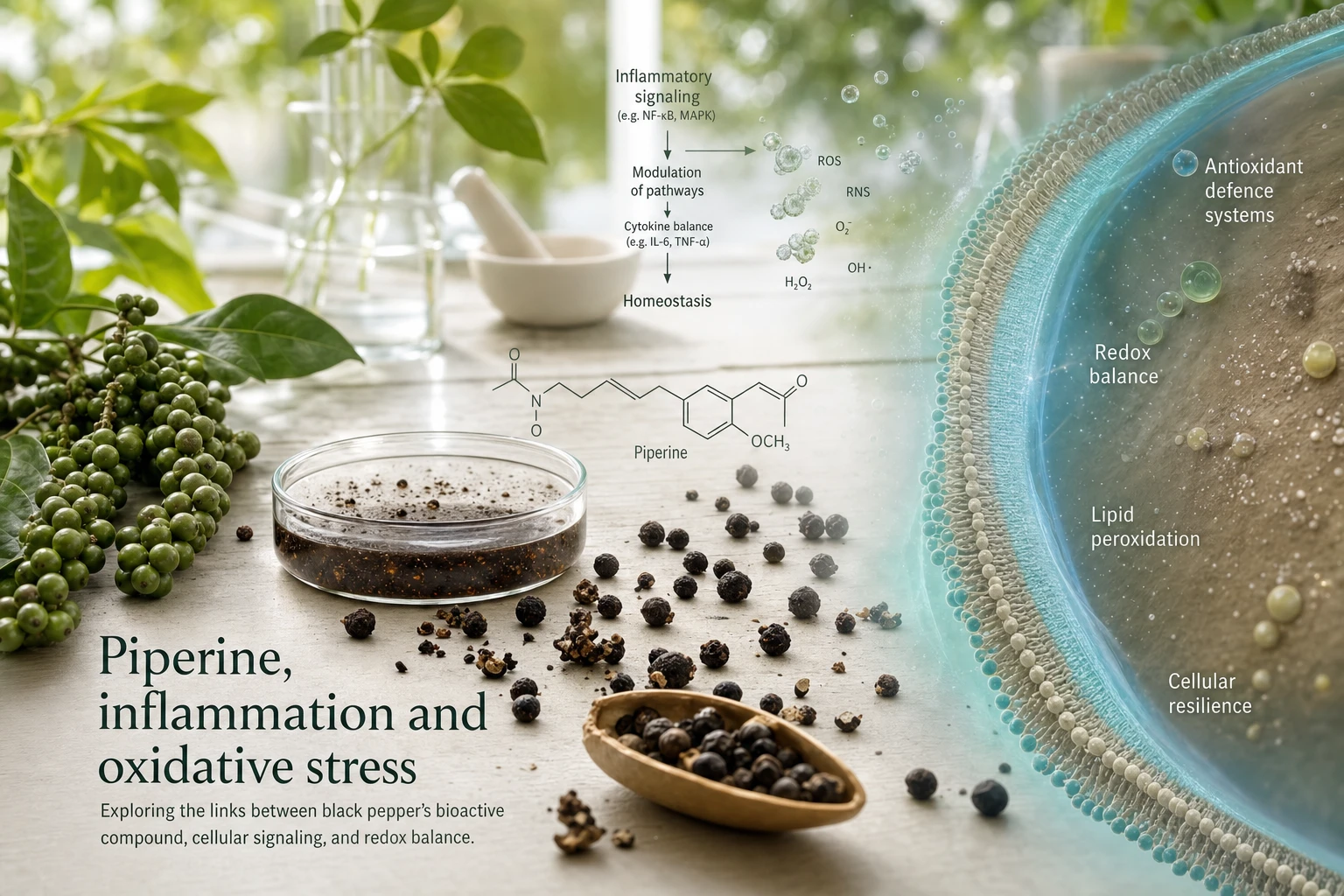
When analyzing the properties of black pepper from a biological perspective, piperine is the compound most often associated with antioxidant and anti-inflammatory effects. Oxidative stress, an imbalance between reactive species and cellular defenses, indicates a condition where protective mechanisms can no longer counterbalance the excess of reactive molecules. Low-grade inflammation, on the other hand, describes a persistent response that can accompany metabolic alterations and tissue damage. In various experimental models, piperine has been linked to a reduction in lipid peroxidation, i.e., the oxidation of membrane fats, support for endogenous antioxidants, and better regulation of defense enzymes; furthermore, the literature describes it as a molecule capable of interacting with signaling networks that coordinate metabolism, immune response, and cellular homeostasis, a term indicating the maintenance of internal functional balance [1,2]. However, these results depend heavily on the experimental context and do not authorize simplistic conclusions: an effect observed in cell cultures or animal models does not automatically equate to a clinical benefit in humans [4,3].
To guide the interpretation of the data, it is useful to distinguish the most studied biological pathways. Piperine can attenuate markers of oxidative damage in cellular and animal models, especially when the redox system is pushed towards an excess of reactive species. At the same time, some studies indicate a modulation of inflammatory mediators and intracellular signals, i.e., the communication pathways that transfer instructions within the cell, with effects involving pathways such as NF-kB and the NLRP3 inflammasome, a protein complex that contributes to activating inflammatory responses [11,14]. Metabolic pathways like AMPK and mTOR can intertwine with these effects because they control energy use, stress response, and cell survival. The observed response therefore depends on the dose, model, and duration of exposure, which makes piperine an interesting but complex subject of study [4,1].
In the context of research on black pepper and health, the most relevant point is that piperine seems to act as a modulator of biological networks, not as an isolated antioxidant capable of directly and universally "neutralizing" oxidative stress. The literature on spices and nutraceuticals, i.e., foods or food components studied for their possible health effects, suggests that the effects are often pleiotropic, a term indicating actions distributed across multiple molecular targets, and this explains why outcomes can vary between tissues, pathological conditions, and experimental models [3,1]. This interpretation is also consistent with broader reviews on natural products: the real value of a bioactive compound emerges from its ability to integrate into a regulatory network, not from a single isolated mechanism [6,2]. This makes an interest in the possible black pepper benefits plausible, but requires caution in extrapolating preclinical data to clinical practice. In summary, piperine is studied because it can help rebalance the cellular microenvironment, i.e., the set of chemical and biological conditions surrounding cells, especially when inflammation and oxidation mutually support each other; however, its real significance for humans must always be evaluated in the overall context of diet, health status, and safety of use [4].
Piperine has been primarily investigated in experimental models, where its effects on redox balance and inflammation mediators are more measurable. The following paragraphs distinguish between these two aspects, as they often influence each other in biological practice.
Piperine and oxidative stress: how redox balance works
Piperine and chronic inflammation: what it means to modulate cytokines
Black Pepper, Cardiovascular Health, and Metabolic Risk
Research linking black pepper and cardiovascular health almost always involves metabolism, inflammation, and lipid profile. Rather than a direct effect on the heart, the literature focuses on risk factors such as glycemia, triglycerides, steatosis, and visceral fat accumulation. In this context, piperine has also been studied for its possible effects on metabolic control: in animal models, it has shown improvements in glucose tolerance and insulin sensitivity, with effects observed via OGTT, hyperglycemic clamp, and ITT [8]. Other preclinical studies have suggested an involvement of the IR/Akt/GLUT4 pathways, which regulate glucose entry into cells, and this helps explain why the compound is often discussed in the context of black pepper metabolism [30]. However, these results should not be overinterpreted: the transition from experimental research to clinical practice remains incomplete. Reviews on spices and nutraceuticals indeed remind us that the interest in black pepper stems from a set of promising biological signals, not from definitive evidence of therapeutic efficacy [6,1]. In practice, piperine can be considered a potentially useful element within the framework of an overall diet aimed at prevention, especially because inflammation and oxidative stress reinforce each other. But its role remains complementary, not substitutive, compared to established interventions on lifestyle and clinical management of risk factors [4,3].
Black pepper: dosages, safety, and possible interactions
Black pepper dosages should be interpreted by distinguishing culinary use from concentrated piperine extracts, as safety and tolerability are not equivalent. In regular food consumption, black pepper is generally well-tolerated, while standardized products require more attention, especially in the presence of medications or digestive sensitivities [4] [3].

The safety of black pepper primarily depends on its form of use: a spice used in daily meals is not evaluated in the same way as a high-concentration supplement. Piperine, the main active compound in black pepper, is the component that makes both its potential biological effects and its interactions with drugs and other substances most relevant. For this reason, in nutritional and clinical settings, it is important to clearly distinguish between dietary use and the use of extracts or standardized formulations. Available safety data indicate that black pepper and piperine are generally considered compatible with food consumption, but they do not define a single dose that is valid for everyone [4,3]. From a physiological perspective, this caution stems from the fact that piperine can influence intestinal transport, the metabolism of certain compounds, and local irritation perception. In a healthy individual, small amounts introduced with food are part of a complex and often well-compensated context. The case of concentrated extracts is quite different, where the amount of active ingredient increases, and with it, the likelihood of undesirable effects or drug interactions. For this reason, the same molecule can be viewed as a useful aromatic component in cooking or as a biological modulator to be treated with caution. Safety evidence does not describe a uniform risk but suggests evaluating dose, duration of intake, formulation, and individual conditions. When drugs, gastrointestinal disorders, or multi-ingredient products are involved, the clinical context becomes decisive [4,3,1].
From a scientific perspective, the central issue is not just "how much black pepper," but also "in what form" and "with what." In some experimental studies, piperine shows effects on the metabolism and absorption of other compounds, but this does not automatically authorize considering it harmless at high doses or in combination with medications. In particular, the literature on piperine's role in insulin pathways suggests interesting biological activity, with improved glucose tolerance and insulin sensitivity in animal and computational models [8]. Glucose tolerance indicates the body's ability to manage the increase in glycemia after a meal, while insulin sensitivity describes how effectively tissues respond to insulin, the hormone that promotes glucose entry into cells. This type of data is useful for understanding the mechanistic potential of the molecule but does not equate to an indiscriminate recommendation for use. In practice, reasonable culinary use is different from targeted intake of extracts, which should always be evaluated with more caution. The rationale for caution is simple: bioactive compounds can have biphasic effects, meaning they are beneficial under certain conditions and less desirable under others. When chronic therapies, digestive disorders, or multifactorial products are involved, the most correct approach is to carefully read the declared content and, if necessary, seek professional advice [4,3,1].
To navigate correctly, it is useful to distinguish the practical contexts in which caution becomes more important:
- Culinary consumption generally remains well-tolerated in the daily diet.
- Concentrated extracts require attention due to greater exposure to piperine.
- People with gastric sensitivity may experience discomfort or burning.
- Pharmacological therapies make controlling interactions more important.
- Supplement labels help understand dosage and standardization.
In this section, the focus is practical: how safe is black pepper in the diet and when is it more prudent to limit it. The three points below help distinguish between food consumption, individual tolerability, and the use of piperine in supplements.
How much black pepper to consume per day
The question of quantity is among the most frequent, because users want to understand if there is a useful or safe dose. In the case of dietary black pepper, the answer depends heavily on the overall dietary context, individual tolerance, and the intended use. Institutional safety data sheets do not establish a single quantity valid for everyone, but they do state that its use in food preparations is generally considered safe [4,3]. This point must be interpreted correctly: the safety of daily consumption arises from fractional exposure, low relative concentration, and the fact that pepper accompanies other foods. There is no universal threshold valid for everyone, especially since pepper is normally part of varied meals and not standardized protocols. Furthermore, when talking about black pepper, the difference between freshly ground peppercorns and concentrated formulations radically changes the exposure profile. In the literature, safety data also evaluate maximum use levels proposed by the applicant, without reporting numerical clinical adverse effects in the abstract [4]. This is not equivalent to an absolute green light, but indicates that the available data has not shown immediate warning signs under the examined conditions. In this context, it is therefore important to avoid rigid numerical indications unless supported by specific guidelines. The function of the content is primarily educational: to distinguish daily spice consumption from the use of piperine extracts, which require greater attention. The reader often seeks a simple reference, but the value of the text lies in clarifying that safety is influenced by the product's form and any ongoing therapies. Personal habits, gastric sensitivity, and diet type also play a significant role. In practice, black pepper is a spice to be used judiciously, not an ingredient to be rigidly quantified for the entire population. The next section addresses an even more direct question: in which cases can black pepper cause discomfort or require limitation.
Is black pepper bad for you? When might it need to be limited?
The question "is it harmful?" has high potential because it reflects real concerns about digestion, interactions, and individual sensitivity. Black pepper, as a culinary spice, is generally well-tolerated by many people; however, in some situations, it can be bothersome or require caution, especially if associated with concentrated extracts. Institutional guidelines emphasize that spices are generally safe in foods, while concentrates can cause side effects or interfere with medications [3]. This does not mean it is inherently harmful, but that the response depends on the context. From a clinical perspective, people with reflux, functional gastritis, or particularly sensitive intestines may experience burning or irritation more easily. Functional gastritis is a disorder characterized by recurrent gastric symptoms without a clearly identifiable organic lesion, while reflux indicates the backflow of acidic content from the stomach into the esophagus. Piperine can indeed stimulate the sensory receptors of the mucosa and make the pungent sensation more evident, especially if the dose is high or taken on an empty stomach. In a health text, it is correct to explain that digestive symptoms, concomitant therapies, and the presence of clinical conditions can modify tolerance. The reader may experience gastric irritation, burning, or increased sensitivity if they consume high quantities or particularly concentrated products. In terms of evidence, caution is even more relevant when black pepper is used as an absorption enhancer for other bioactive compounds, because the increase in bioavailability can also amplify unwanted effects. Bioavailability is the proportion of a substance that actually enters circulation and can therefore exert a biological action. For this reason, the best criterion remains individual observation and, if necessary, consultation with a healthcare professional. Avoiding alarmism is as important as avoiding oversimplification. Black pepper should not be demonized, but neither should it be presented as universally suitable for everyone. The following section shifts the focus to supplements, because reading labels is crucial to understanding what you are truly consuming.
Piperine and supplements: how to read labels and formulations
Supplements containing piperine can be formulated in different ways, with standardized doses and often in combination with other ingredients. Reading the label therefore becomes essential to understand whether it is black pepper, concentrated extract, or a complex mixture. This is a highly sought-after practical topic, because the difference between food and supplement is not always clear. In good popular science content, it is useful to guide the reader to recognize standardization, piperine percentage, presence of co-ingredients, and directions for use. It is also useful to clarify that "natural" does not automatically mean harmless or suitable for everyone. A standardized formulation indicates that the product contains a defined amount of active ingredient; this helps to better interpret the potential effect, but also requires more attention in the case of medications or clinical conditions. The literature describes piperine as a modulator of metabolic and transport pathways, and this property explains why it is often included in nutraceutical formulations [1]. Nutraceuticals is the field that studies ingredients of food origin proposed for a possible beneficial effect on health. However, this very modulation capacity necessitates precautionary judgments, especially in patients taking chronic therapies or substances with a narrow therapeutic window. The therapeutic window is the range within which a drug is effective without becoming toxic. Reading the label is therefore a safety step, not just a matter of curiosity. The reader can thus distinguish between a simple culinary use and a product designed for nutraceutical support. The concluding part closes the circle with a more critical approach: understanding what science truly says, what the limitations of the evidence are, and what myths should be avoided.
What science says about black pepper: evidence, limitations, and false myths
Evidence on black pepper and its properties exists, but it must be read carefully: many studies concern piperine in preclinical models, i.e., studies conducted before human trials, or in specific formulations, not simply daily use in cooking. The literature suggests interesting signals regarding piperine, bioavailability, metabolism, and inflammation, but also shows methodological limitations, non-uniform doses, and results that are not always replicated. For this reason, the relationship between black pepper and health does not equate to miraculous promises, but rather a more realistic and nuanced picture.

When evaluating the literature on black pepper, the point is not to find an absolute "yes" or "no," but to understand how solid the results are and to what context they refer. Most of the evidence concerns piperine, the main bioactive compound—that is, the naturally biologically active substance—studied in Piper nigrum, rather than black pepper consumed as a spice in dietary quantities. This means that effects observed in the laboratory or in animals do not automatically translate into certain clinical benefits in humans. Available reviews indicate an interesting but still fragmented research profile, with promising results especially on nutrient absorption, metabolism, and inflammatory signals [1,31,32].
From a biological perspective, piperine has been studied as a modulator of transporters, enzymes, and intracellular pathways—that is, molecules, proteins, and signaling pathways that regulate cell function. In practice, it can influence how certain molecules are absorbed, metabolized, or distributed in tissues. This explains why it is often discussed as an "enhancer" of other compounds, but also why its effect largely depends on the formulation and experimental context. In preclinical literature, signals emerge regarding AMPK, PI3K/AKT/mTOR, GLUT4, and oxidative responses—central hubs in energy metabolism and cell survival [15,16,18,21,30]. These pathways are relevant because they link glucose homeostasis—the stable maintenance of glycemia—insulin sensitivity, and adaptation to cellular stress. However, a plausible mechanism does not yet equate to a demonstrated clinical effect.
To better orient oneself, it is useful to distinguish what is fairly consistent from what remains preliminary. Effects on bioavailability—the amount of substance that actually enters circulation and is available to the body—are among the most studied and plausible signals, explaining the interest in combinations with other active ingredients [12,14,9]. Hypotheses on metabolism and insulin sensitivity remain primarily preclinical but are biologically credible: in animal models, piperine improved glucose tolerance and insulin sensitivity, involving IR/Akt/GLUT4 and functional measures such as OGTT (oral glucose tolerance test), hyperglycemic clamp (a procedure that evaluates glycemic control under glucose infusion), and ITT (insulin tolerance test) [8]. Other studies suggest that the AMPK/mTOR axis may promote glucose uptake, energy balance, and, under certain conditions, protective autophagy—a cellular "recycling" process that contributes to maintaining homeostasis [15,23,33,17,34]. Antioxidant effects—the ability to counteract oxidizing species—and anti-inflammatory effects depend heavily on the experimental model, while promises of rapid weight loss are not supported by robust evidence. In terms of safety, available evaluations indicate that black pepper and piperine, under the usage conditions considered in supplements, do not show numerical clinical signs of toxicity in the abstract, but this does not mean that "more is better" [4,3]. In summary, science supports both interest and caution: black pepper has real properties, but it is not a therapeutic shortcut.
Critical reading also helps place black pepper in a clinical context. In the metabolic field, for example, some studies on piperine have been read alongside data on hepatic steatosis, insulin resistance, and glycemic control [9,10,21]. Hepatic steatosis is the accumulation of fat in the liver, while insulin resistance indicates a reduced tissue response to insulin. In neurodegenerative and inflammatory contexts, the discussion mainly concerns experimental models where the modulation of oxidative stress, autophagy, and cell survival signals could be useful [22,24]. In oncology, preclinical results indicate effects on apoptosis (programmed cell death), cell cycle, and autophagy in cell lines, but remain far from therapeutic use in clinical practice [5,26,27,28,29,25]. This breadth of application fields shows the versatility of the molecule, but also the risk of overinterpreting data obtained under very controlled conditions. Therefore, the correct message is not that black pepper "cures," but rather that it contains an interesting active ingredient that should be studied methodically and without excessive simplification.
Correctly interpreting studies requires separating promising results from overly broad conclusions. The following two points help to understand where science is most convincing and where myths take over instead.
What science says about black pepper and piperine
Black pepper and false myths to debunk
How to use black pepper in your daily diet
The benefits of piperine, the main alkaloid in black pepper, are most significant when black pepper is consistently included in meals, without expecting rapid or isolated effects. Used as a common spice, black pepper can improve the sensory profile of dishes and support more balanced dietary strategies. Regularity, rather than occasional quantity, is the truly useful point.

In the daily diet, black pepper works best as a routine ingredient, not a "miracle" solution. Its practical utility lies in making simple dishes more palatable, supporting a varied diet that is easier to follow over time. In this context, regular dietary use means consistently incorporating it into different preparations, from vegetables to grains, legumes to eggs, without having to radically change habits. For those seeking the properties of black pepper in an applied sense, the key is continuity: a few judiciously repeated actions make more sense than sporadic and abundant use. The literature on piperine, the most studied bioactive compound in black pepper, suggests a concrete biological interest, especially for its possible effects on metabolism, digestion, and the bioavailability of certain compounds, but these aspects do not transform the spice into a drug. In practice, the value of black pepper comes from its integration with a balanced diet, where aromas and flavors also help with dietary adherence, i.e., the ability to maintain an adequate nutritional regimen over time. For this reason, its daily use should be understood as sensory and behavioral support, not as an isolated intervention. In other words, the most solid benefit of black pepper is that it improves the overall quality of the meal and makes a healthy eating style more sustainable.
From a physiological point of view, piperine is interesting because it can interact with absorption and cellular regulation processes, i.e., the mechanisms by which cells manage the passage and use of substances, offering a possible contribution to the metabolism of nutrients and bioactive compounds. Some experimental evidence indicates effects on pathways such as IR/Akt/GLUT4, with improved glucose tolerance and insulin sensitivity in animal and computational models [8]. Other research suggests a role in AMPK, a central energy pathway that links energy availability, glucose uptake, and metabolic homeostasis, i.e., the maintenance of the body's internal balance [15,16,18,23]. This mechanistic interest helps to understand why black pepper is often cited in nutritional discussions, but it does not change its real place in the kitchen. Domestic use remains that of a spice that enriches taste, promotes variety, and indirectly makes it easier to maintain better eating habits. In parallel, safety of use in food remains an essential element, and available evaluations [4,3] support use consistent with normal dietary practice. Therefore, when discussing black pepper in the daily diet, the focus must remain on the context: complete meals, reasonable portions, and continuity over time. It is this combination, rather than occasional use, that makes it sensible to talk about the benefits of black pepper in everyday life.
From a health perspective, black pepper should be seen as part of an overall dietary strategy, not as a substitute for balanced dietary choices. Evidence on piperine indicates biological interests primarily in relation to nutrient bioavailability, i.e., the amount the body can actually use, and certain metabolic mechanisms, but domestic use remains primarily culinary [35,36,37]. For this reason, the best choice is to integrate black pepper into simple and repeatable recipes, thus combining taste, practicality, and greater dietary variety. In other words, the most concrete benefits of black pepper in everyday life come from consistency and moderation. Even when metabolic or anti-inflammatory effects are hypothesized, the clinical significance always depends on the dose, duration, and overall dietary context. For the general public, the correct message is therefore cautious but useful: regular use of black pepper can improve the meal experience and support healthier choices, while the expectation of rapid or intense effects is not consistent with available evidence. Within this framework, black pepper remains a simple, accessible resource compatible with everyday cooking.
To guide practical use, it is helpful to consider three aspects: the dishes it best integrates into, how it can help adherence to a healthier diet, and mistakes to avoid when using it daily:
- Adding it at the end of cooking better preserves its aroma and perceived intensity.
- Pairing it with vegetables, legumes, and proteins makes meals more complete.
- Using it with herbs and spices reduces reliance on added salt.
- Dosing it moderately avoids overpowering the flavors of the dish.
- Storing it correctly helps maintain sensory quality longer.
In daily use, black pepper should be thought of as a versatile spice, easy to incorporate into different meals and especially useful for improving the overall quality of the diet. The following points help translate this approach into concrete choices, from cooking to storage.
How to incorporate black pepper into your daily diet
The most realistic way to use black pepper is to integrate it into meals as an aromatic spice, not as an isolated intervention. This approach is consistent with culinary tradition and responsible health communication. Readers want to know how to use it without complications: on vegetables, legumes, eggs, meats, soups, and dishes with healthy fats. The text can explain that black pepper contributes to taste and, in some cases, can accompany broader dietary strategies. However, it is important not to overload the content with promises about biological effects: daily use is primarily culinary. In cooking, a regularly used spice also helps reduce flavor monotony, promoting more pleasant dishes without necessarily increasing salt. This is a very useful practical aspect for those who want to improve their daily diet. Regularity matters more than quantity, because a small, repeated presence over time integrates better into routine and supports more stable behaviors. When black pepper accompanies a balanced meal, its value is primarily functional: it improves palatability and makes it easier to follow consistent dietary choices. The central element is simplicity: black pepper should be seen as part of the whole, not as the absolute protagonist. The next section clarifies which form to choose between whole peppercorns and ground pepper, with specific attention to perceived quality and freshness.
Black peppercorns or ground pepper: which to choose
Common mistakes when using black pepper in cooking
Among the most common mistakes are overuse, incorrect storage, and the idea that more pepper automatically means more benefit. In reality, the spice should be managed as part of a balanced cuisine. This content is useful because readers often look for practical advice but risk generalizing what they have read about the benefits. In the text, the role of this in-depth analysis is simple: to offer a small daily use manual, useful for both the general public and those who want more conscious cooking. Storing pepper in a dry place, away from light and humidity, helps maintain its quality and aroma better. Another mistake is thinking that pepper should replace other dietary elements or that it has the same weight as an overall healthy eating style. The spice is a support, not the center of the nutritional strategy. Even on a biological level, available data reminds us that the effects observed in experimental studies do not automatically translate into domestic use [8,15,21]. For this reason, it is correct to use it in moderation, appreciating its taste and without attributing functions to it that do not belong to it. Correct storage also helps preserve the aromatic profile and thus make daily use more pleasant, which remains the true goal in cooking. The final section broadens the picture with a look at future research trends and the relationship between tradition, innovation, and prevention.
Black pepper: tradition, innovation, and new research
Today, research on black pepper's properties is not only interested in its traditional use in cooking but also in how its bioactive compounds—natural substances capable of interacting with biological functions—are being studied in innovative formulations. Piperine, the main alkaloid in black pepper, remains the most important focus, especially for its possible effects on bioavailability, metabolism, and cellular processes. The outlook is promising but should be interpreted with scientific caution.
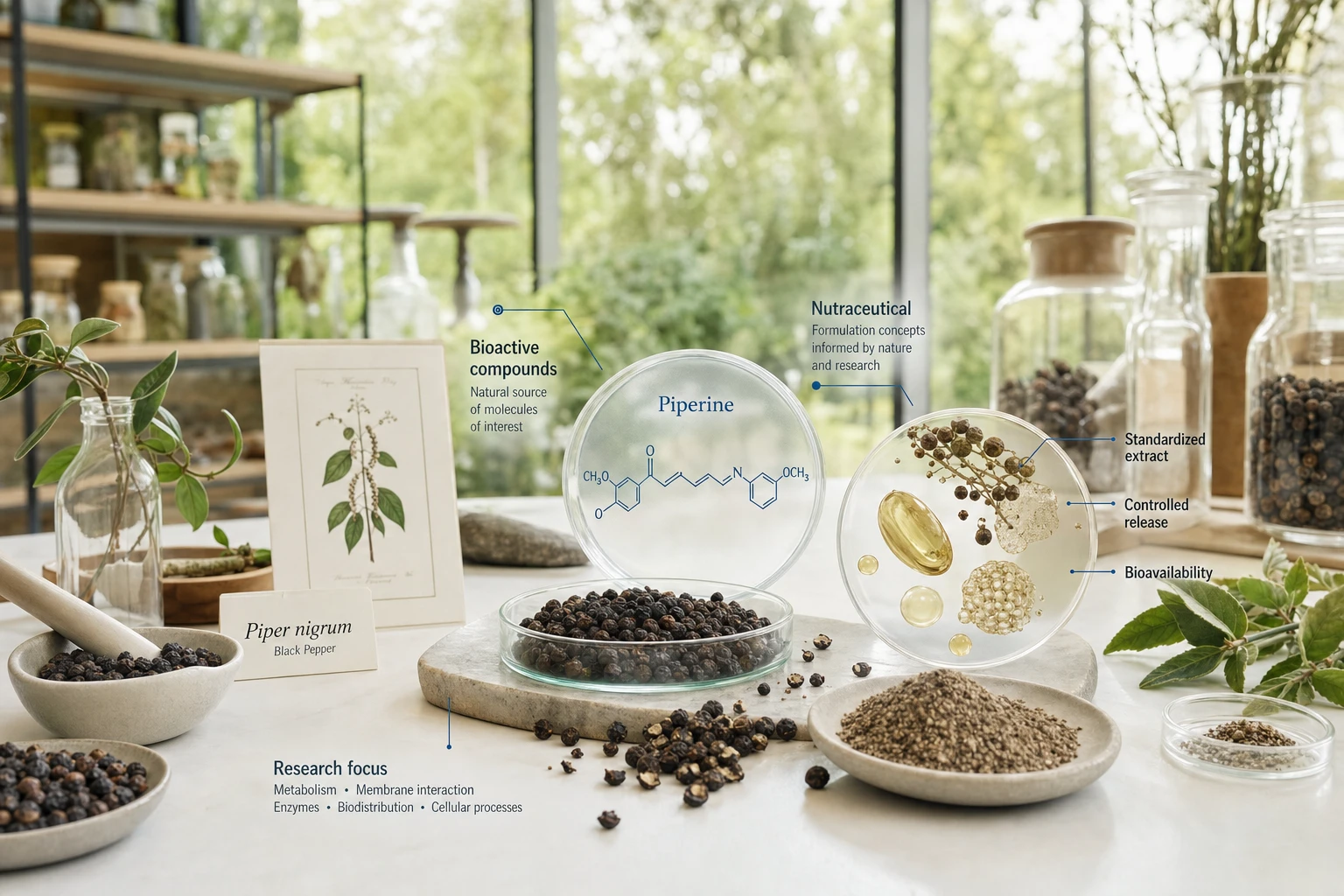
In recent years, black pepper has evolved from a historical spice to a subject of study in nutrition, pharmacology—the discipline that analyzes the effects of substances on biological systems—and food technologies. From this perspective, piperine, the main alkaloid in black pepper, is the most investigated compound because it is evaluated both as a bioactive substance and as a possible modulator of the body's response to other nutrients or phytocompounds, i.e., plant-derived compounds with biological activity. The most recent reviews describe Piper nigrum as a source of molecules of interest for more efficient delivery systems, extract standardization, and nutraceutical combinations, meaning products that combine nutritional characteristics with functional purposes [1,38,39]. This does not mean that every hypothesis is already applicable in practice, but rather that research is expanding the potential uses of black pepper beyond its simple gastronomic role. In biological terms, the interest in piperine also stems from its ability to interact with membranes, enzymes—proteins that catalyze the body's chemical reactions—and signaling pathways—molecular circuits that transmit information within cells—modifying the availability of other ingested substances and the cellular response to nutrients and oxidative stress, which is an excess of reactive species that can damage cells. This very versatility explains why black pepper is studied both as a food ingredient and as a matrix for more sophisticated nutraceutical developments.
The most interesting point is that black pepper is now considered a model for the connection between food use and scientific innovation. On one hand, tradition has solidified its presence in the daily diet; on the other hand, modern research tries to understand if and how its compounds can have a functional role in selected contexts. Some experimental data suggest effects on nutrient transport, metabolic signaling, and cellular responses to stress, but translation to humans remains the decisive step [40,41]. In other words, the properties of black pepper continue to be explored with more refined tools, but interpretive caution remains essential, especially when discussing supplementation or concentrated products. From a pathophysiological perspective, which is the study of mechanisms that alter the normal functioning of the body in diseases, this approach is important because many chronic conditions involve dysfunctions of metabolism, inflammation, and intracellular communication: contexts in which a modulator like piperine could be of theoretical interest, without, however, replacing established therapies or interventions.
To navigate between tradition and innovation, it is useful to distinguish the most active lines of research in the literature:
- Studies on energy metabolism analyze cellular pathways such as AMPK, a protein that regulates energy use, and mTOR, a protein complex involved in cell growth and synthesis.
- Research on bioavailability evaluates how piperine influences absorption.
- Future applications include more stable and targeted formulations.
- Some nutraceutical combinations seek complementary effects on multiple biological targets.
- Clinical validity still depends on more robust human studies.
Recent research not only confirms the historical interest in black pepper but also seeks to understand its potential future uses. The two most dynamic areas are metabolic modulation and the formulation of more effective products.
New research on piperine and future applications
Black pepper and prevention: how to integrate it into a broader framework
When it comes to prevention, black pepper should be considered a small part of a larger dietary and lifestyle pattern. No single food can protect on its own, but there are dietary contexts in which spices can help make a meal richer in bioactive compounds. In this sense, black pepper can be seen as complementary support, not as an autonomous health strategy. The available evidence suggests that its interest lies primarily in its integration with other dietary elements and its possible influence on processes such as nutrient absorption and metabolic signals [40,41]. Prevention, however, arises from the whole: diet quality, exercise, weight control, sleep, and risk factor management. Including black pepper in this framework means enhancing its culinary role and its possible complementary function, without overestimating its impact. This is a correct way to describe the spice: useful, interesting, but not omnipotent. From a practical standpoint, this also implies attention to the dose and form of intake, especially when black pepper appears in extracts or supplements that are more concentrated than its usual culinary use [4,3]. For the reader, the most solid conclusion is that the properties of black pepper make sense primarily within a varied and well-constructed diet, while broader promises still require robust confirmation in human studies. From a preventive perspective, therefore, its greatest value remains that of a traditional ingredient that can be incorporated into conscious food choices, without being burdened with excessive expectations.
Comparative overview
The following table compares the main concepts that emerged during the journey, to clearly distinguish between spice, active ingredient, biological mechanisms, and practical use.
| Concept | Simple meaning | Practical implication |
|---|---|---|
| Black pepper | Food spice derived from Piper nigrum | Mainly used as a daily condiment |
| Piperine | Pungent bioactive compound of black pepper | Is at the center of studies on bioavailability and metabolism |
| Bioavailability | Portion of substance that actually reaches the tissues | Explains why some combinations work better than others |
Summary of scientific evidence
The table summarizes the most representative sources already present in the source material, to clearly distinguish levels of evidence, study areas, and main methodological limitations.
| Publication Year | Area Studied | What the Studies Indicate | Main Limitation | Level of Evidence |
|---|---|---|---|---|
| 2026 | Inflammation and NLRP3 inflammasome | Evidence indicates a possible anti-inflammatory action of piperine in experimental models | Still preclinical data | Preliminary evidence [41] |
| 2026 | Glucose metabolism and GLUT4 | Studies suggest that piperine may modulate glucose transport and metabolic signals | Experimental samples and limited clinical transferability | Preliminary evidence [30] |
| 2024 | Experimental oncology | Effects on apoptosis and cell cycle in tumor cells have been observed | Lack of clinical confirmation in humans | Preliminary evidence [28] |
| 2022 | Autophagy and PI3K/AKT/mTOR signaling | The signal appears consistent with a modulation of cellular pathways involved in survival and recycling | Prevalence of animal and cell models | Observational studies [22] |
| 2023 | Curcumin-piperine co-supplementation | Evidence indicates a possible improvement in bioavailability and some metabolic markers | Heterogeneity of doses and formulations | Systematic review [40] |
| 2021 | Piperine biology | Studies suggest antioxidant, anti-inflammatory, and metabolic effects | Synthesis of very different results by model and outcome | Systematic review [32] |
| 2022 | Hepatic steatosis and insulin resistance | Evidence indicates a possible attenuation of steatosis and insulin resistance in rats | Absence of robust confirmation in humans | Preliminary evidence [21] |
Editorial review of the evidence
Conclusions and editorial summary
Black pepper holds a unique position as both an everyday food and a research subject. On one hand, it's a familiar spice, used daily to enhance the taste and texture of dishes; on the other, it contains piperine, a bioactive compound that has attracted significant scientific attention for its potential role in regulating absorption, metabolism, inflammation, and oxidative response. This dual identity explains why the topic is interesting for both nutritional outreach and biomedical research. However, a correct interpretation of the evidence always requires distinguishing between dietary and experimental contexts. Black pepper in everyday cooking is not the same as a standardized extract, and this difference changes the meaning of results observed in the laboratory or in trials.
From a physiological perspective, piperine has been studied as a modulator of central cellular signals. In some models, it appears capable of influencing glucose transport, insulin sensitivity, AMPK and mTOR activity, autophagy dynamics, and even the response of the NLRP3 inflammasome, a protein complex involved in inflammatory processes. These results are useful because they show that a traditional spice can interact with very broad biological processes. At the same time, however, the real clinical significance remains to be defined more precisely, especially due to differences in dose, formulation, and study population. Future research will need to clarify how much of these signals can be translated into daily practice and how much remains confined to controlled experimental systems.
Within the framework of a balanced diet, black pepper retains concrete value primarily as an ingredient capable of improving meal palatability and supporting more varied and sustainable cooking. However, its importance should not be burdened with excessive promises: no spice, by itself, can replace dietary balance, physical activity, sleep quality, and risk factor management. The most interesting aspect, in perspective, is precisely the continuity between tradition and innovation: an ancient spice that continues to offer insights for contemporary research on nutrition, metabolism, and prevention. In this sense, black pepper remains a useful example of how a common food can become a window into complex biological mechanisms, without losing its daily role in cuisine and food culture.
Final critical note
A comprehensive reading of the evidence requires a clear distinction between interesting signals and solid conclusions. The summarized works consistently show effects on bioavailability, oxidative balance, and certain metabolic pathways, but these signals often come from highly controlled experimental systems, animal models, or combinations with other compounds. This makes it more difficult to attribute an autonomous and measurable role to piperine under real consumption conditions. Furthermore, the natural variability of the spice, the difference between black pepper and concentrated extracts, and the heterogeneity of doses and formulations limit the comparability of results. Even when the general trend appears favorable, important questions remain open regarding clinical efficacy, long-term safety, and drug interactions. The picture is not weak, but it is still incomplete: useful for building hypotheses, not for closing the discussion. Caution is also necessary because some studies concern very specific contexts, such as tumor cells, rats with induced obesity, or trials on nutraceutical combinations, so they cannot be automatically extended to daily consumption of the spice. For this reason, black pepper should be described with balance: interesting for research, concrete in the kitchen, but still far from broad and uniform clinical validation.
References
[1] Piperine: Old Spice and New Nutraceutical?
[3] Pepper and other spices: Use and safety information
[4] Safety of black pepper and piperine in food supplements
[5] The Hidden Power of Black Pepper: Exploring Piperine’s Role in Cancer
[6] Regulatory mechanism of icariin in cardiovascular and neurological diseases
[8] Piperine modulates IR/Akt/GLUT4 pathways to mitigate insulin resistance: Evidence from animal and computational studies
[9] Curcumin and Piperine Combination for the Treatment of Patients with Non-alcoholic Fatty Liver Disease: A Double-Blind Randomized Placebo-Controlled Trial
[10] The impact of piperine on the metabolic conditions of patients with NAFLD and early cirrhosis: a randomized double-blind controlled trial
[11] Are history of dietary intake and food habits of patients with clinical symptoms of COVID 19 different from healthy controls? A case–control study
[12] Effects of delta‐tocotrienol supplementation on Glycemic Control, oxidative stress, inflammatory biomarkers and miRNA expression in type 2 diabetes mellitus: A randomized control trial
[14] Considerations for Optimizing Warfighter Psychological Health with a Research-Based Flavonoid Approach: A Review
[15] Piperine Promotes Glucose Uptake through ROS‐Dependent Activation of the CAMKK/AMPK Signaling Pathway in Skeletal Muscle
[18] Piperine regulates UCP1 through the AMPK pathway by generating intracellular lactate production in muscle cells
[19] Highlights of the Current Issue
[20] Low triiodothyronine is associated with high risk of malnutrition and poor functional status in subacute stroke patients
[21] Piperine attenuates hepatic steatosis and insulin resistance in high-fat diet-induced obesity in Sprague-Dawley rats
[22] Piperine ameliorates ischemic stroke-induced brain injury in rats by regulating the PI3K/AKT/mTOR pathway
[24] Piperine promotes PI3K/AKT/mTOR-mediated gut-brain autophagy to degrade a-Synuclein in Parkinson’s disease rats
[25] Piperine Induces Apoptosis and Autophagy in HSC-3 Human Oral Cancer Cells by Regulating PI3K Signaling Pathway
[26] Black pepper and piperine induce anticancer effects on leukemia cell line
[27] Mechanism of piperine in affecting apoptosis and proliferation of gastric cancer cells via ROS‐mitochondria‐associated signalling pathway
[28] Piperine Induces Apoptosis and Cell Cycle Arrest via Multiple Oxidative Stress Mechanisms and Regulation of PI3K/Akt and MAPK Signaling in Colorectal Cancer Cells
[29] Piperine induces autophagy of colon cancer cells: Dual modulation of AKT/mTOR signaling pathway and ROS production
[30] Piperine, Isolated from Nigerian Propolis, Modulates GLUT-4 Gene Expression and NF-kB in a Rat Model of Chronic Fructose and Glucose Intake
[40] Curcumin‐piperine co‐supplementation and human health: A comprehensive review of preclinical and clinical studies
Editorial note
Artificial Intelligence was used solely as a tool to support editorial and documentary work. All content, interpretations, bibliographic citations and conclusions have been verified, reviewed and approved by the author, who assumes full scientific responsibility for them.
The manuscript was also subject to independent peer review prior to publication.
To ensure maximum transparency, the article's complete history — including the dates of submission, review, acceptance and publication, as well as information on the peer review process — is available on the dedicated Article History page.