


Oregano, much more than a spice
La ricerca sull’origano mostra un interesse reale, ma ancora non conclusivo. Le evidenze più convincenti riguardano carvacrolo e timolo, composti che spiegano gran parte delle attività antiossidanti, antinfiammatorie e antimicrobiche osservate in laboratorio. Nei modelli sperimentali l’origano è stato studiato anche per metabolismo, insulino-resistenza, mTOR e AMPK, ma i dati clinici nell’uomo restano limitati. La differenza tra spezia, olio essenziale ed estratti concentrati è centrale per interpretare correttamente i risultati.
- Published 24/08/2026
- Updated 04/09/2026
- Reviewed 04/09/2026
- Article history
ABSTRACT : WHAT THE SCIENCE SAYS
Oregano is much more than a fragrant spice used to flavor pizzas, sauces, and Mediterranean dishes. From a scientific perspective, interest in this plant stems from the presence of bioactive compounds—natural substances capable of exerting measurable biological activities, particularly carvacrol and thymol—which give it antioxidant, anti-inflammatory, and antimicrobial properties studied in numerous experimental models. For this reason, oregano is now viewed not only as a food ingredient but as a plant resource capable of interacting with key processes of metabolism and cellular balance, including oxidative stress (i.e., an excess of reactive species that can damage cells and tissues), chronic inflammation, insulin resistance, regulation of AMPK (a cellular energy sensor protein), and mTOR (a signaling pathway that controls growth and protein synthesis), and control of autophagy (the process by which cells recycle damaged or superfluous components). However, it is important to precisely distinguish between the culinary spice, essential oil, and concentrated extracts: these are very different forms in terms of composition, biological potency, and safety profile. This distinction is essential for correctly interpreting available data and avoiding excessive expectations. From a functional nutrition perspective, oregano is of interest because it can contribute to the quality of the dietary pattern and, at the same time, offer interesting insights for research on type 2 diabetes, inflammation, cardiovascular health, and cellular adaptation processes. In the following paragraphs, the article systematically explores the botanical and chemical basis of the plant, its main mechanisms of action, applications in various health areas, and the limitations of available evidence. Specifically, the article will address:
- Carvacrol and thymol explain much of the biological activity.
- Oregano, essential oil, and extracts are not equivalent.
- Inflammation, oxidative stress, and metabolism are the main targets.
- AMPK, mTOR, and autophagy link oregano and cellular health.
- Daily use and safety require distinguishing between forms.
Oregano and its intrinsic properties
The scientific benefits of oregano should first and foremost be understood through its chemical composition, not merely its role as a culinary herb. In Origanum vulgare, carvacrol, thymol, and the overall profile of phenolic compounds are of particular interest; these plant substances contribute to the observed biological activities and explain much of the documented interest in the literature [1].
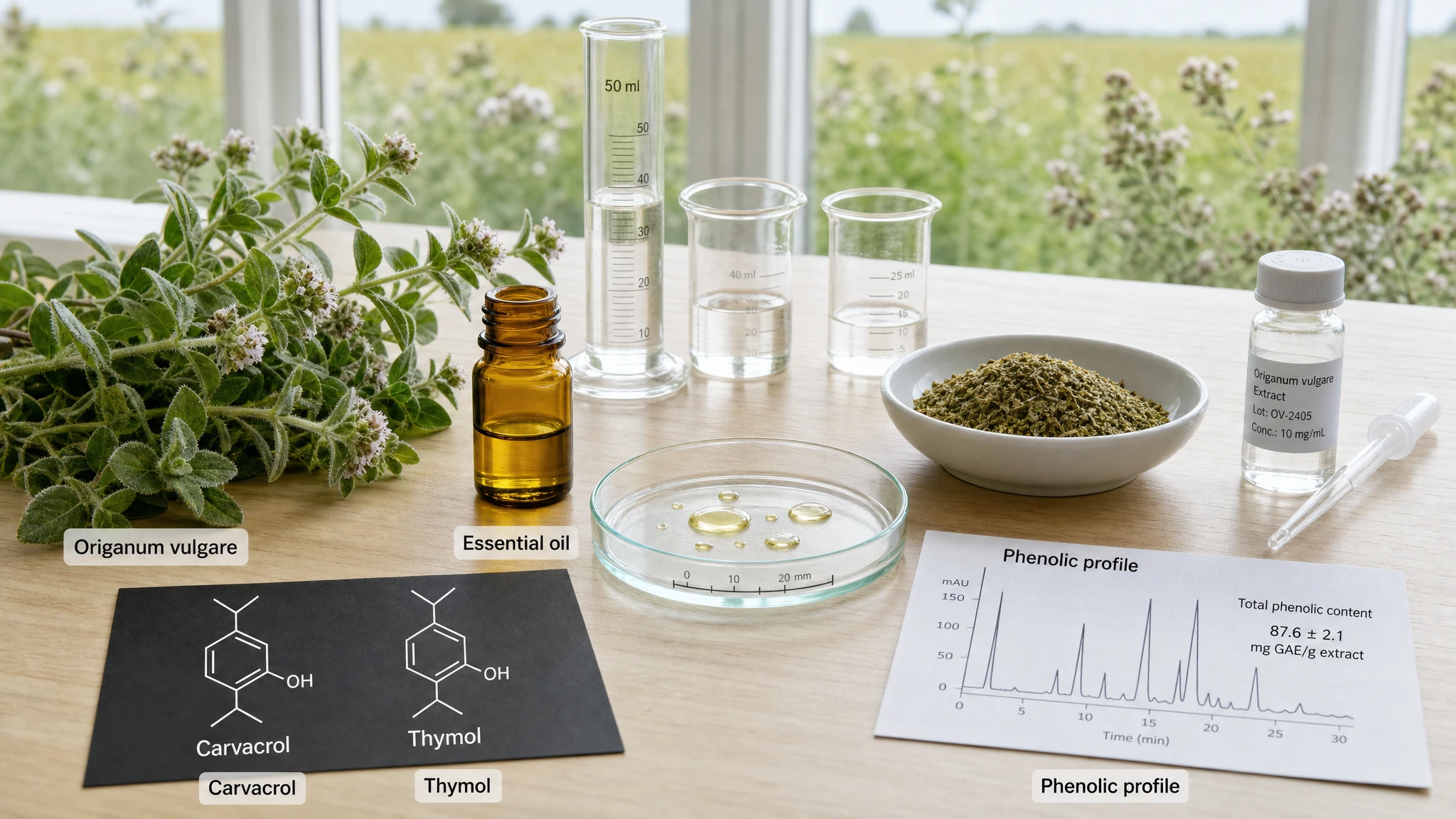
The intrinsic properties of oregano derive from its phytochemical makeup, meaning the set of compounds naturally present in the plant and its essential oil, the concentrated liquid obtained by distilling the aromatic parts. In Origanum vulgare, this characteristic is mainly linked to the presence of carvacrol and thymol, two molecules that contribute to the aromatic profile but also to the plant's ability to interact with biological processes such as oxidation and inflammatory response [1,2]. The point, however, is not to attribute a uniform effect to oregano: the concentration of active compounds changes based on species, chemotype (i.e., chemical variant of the same plant species), drying methods, and preparation form. This is why the spice used in cooking is not the same as oregano essential oil or a standardized extract, which is a preparation where the content of constituents is precisely defined. Available reviews indicate that the scientific value of oregano arises precisely from this complex composition, which can support the overall quality of the diet but must be interpreted with caution when discussing biological effects observed in the laboratory [1].
This distinction is also important physiologically, meaning in terms of how the body functions. The phenolic compounds in oregano, which are plant molecules with aromatic rings and hydroxyl groups, can contribute to defense against oxidative stress because they donate electrons and stabilize reactive radicals, reducing damage to lipids, proteins, and cell membranes. In parallel, some preclinical evidence, meaning obtained before human studies, suggests an interaction with cellular pathways that regulate inflammation, survival, and stress response . This does not mean that a spoonful of oregano produces measurable pharmacological effects, but that the plant possesses a chemical background consistent with relevant biological activities [2,3]. In clinical terms, this justifies the interest in extracts and essential oils, especially when studying contexts of chronic inflammation or altered oxidative balance.
From this basis, it is understandable why oregano is analyzed in functional nutrition as a source of bioactive molecules and not just as a condiment. The literature on carvacrol highlights favorable activities in various experimental models, with effects particularly concerning oxidative stress and regulatory cellular processes [2,3]. These same evidences, however, do not authorize considering the domestic use of the spice as equivalent to the studied extracts. In other words, the most solid scientific data is that oregano possesses real biological potential, but it is strictly dependent on the form in which it is consumed and the context in which it is evaluated [1].
From the perspective of pathophysiology, meaning the study of disease mechanisms, this caution is essential. Chronic diseases in which oxidation and inflammation play a central role do not respond to a single food, but to the entirety of dietary habits and lifestyle. Oregano can therefore be seen as a quality piece, capable of enriching the diet with interesting compounds, without replacing the overall framework of primary prevention. It is precisely this integration between chemistry, biology, and dietary practice that makes the plant worthy of scientific attention [4,5].
To guide the understanding of the topic, it is useful to distinguish the most relevant levels of observation:
- The chemical profile of oregano explains its overall biological activity.
- Carvacrol and thymol are the most studied compounds in concentrated preparations.
- The form of use substantially modifies the potential of the extract.
- Culinary spice and essential oil are not functionally equivalent.
- The observed properties also depend on dose, matrix, and standardization.
The first step is to clarify where oregano's properties come from and which chemical components make them biologically relevant. Then we can read more precisely how they change between spice, essential oil, and extracts.
What is oregano and why is it relevant to functional nutrition
Oregano is an aromatic plant from the Lamiaceae family, traditionally used both in cooking and in phytotherapy, which is the use of plants for health support purposes. From a nutritional perspective, it is of interest because it contains volatile and non-volatile compounds that can contribute to the overall antioxidant profile of the diet. However, it should not be interpreted as an isolated "superfood": its real value depends on the form of use, the quantity, and the dietary context. Dried spice plays a different role than essential oil or standardized extracts. For this reason, when talking about oregano, it is useful to distinguish between food, concentrated preparation, and active ingredient, which is the substance responsible for the main biological effect. This distinction allows for a correct understanding of both the possible advantages and limitations, avoiding overestimations of benefits or improper generalizations. International guidelines on healthy eating and dietary variety help to place oregano in its correct place: a support for the overall quality of nutrition, not an autonomous solution [4,5]. Reviews dedicated to Origanum vulgare and carvacrol also confirm that its interest derives from its chemical composition, not just its aromatic profile [1,2]. This botanical basis helps to better understand why certain oregano compounds attract so much scientific attention. The next step concerns its most characteristic chemical signature, namely carvacrol and thymol, which explain most of the biological properties observed in the laboratory and in preclinical models. Also on a practical level, this helps to understand why the regular consumption of oregano can contribute to a diet richer in phytochemicals, without taking on the meaning of a therapeutic intervention. Functional nutrition operates precisely in this space: it values foods for their bioactive density, but recognizes that the benefit emerges within a coherent dietary pattern, not thanks to a single ingredient.
Further reading: What is oregano: properties, forms of use, and significance in functional nutrition
Carvacrol and thymol: the compounds that make oregano unique
The biological profile of oregano is primarily driven by carvacrol and thymol, two phenolic monoterpenes—aromatic molecules of plant origin with specific chemical properties—present in varying quantities depending on the species, geographical origin, and growing conditions. These molecules explain much of the scientific interest in oregano essential oil. Carvacrol is often considered the main candidate responsible for antioxidant, anti-inflammatory, and antimicrobial actions, while thymol contributes to the overall picture. However, the phytocomplex—the set of compounds present in a plant—must always be considered in its entirety: the synergy between molecules can modify the final effect compared to a single isolated compound. The literature on carvacrol indeed highlights a "multibeneficial bioactivity" in cells and animals, and the most recent reviews describe it as a molecule with a broad biological spectrum, also of interest for metabolism and inflammation [6,2]. In parallel, its antimicrobial and anti-biofilm activity—the ability to hinder the formation of bacterial communities protected by a common matrix—has been documented as one of the compound's most robust traits, an aspect that reinforces its relevance for oregano as a phytochemical source [7]. From an informational perspective, this topic is essential because it addresses both general inquiries and more technical questions about active ingredients. The key point is that the presence of carvacrol does not make every preparation equivalent: concentration, matrix, and form of use change the biological significance of the compound. At a mechanistic level—that is, the processes by which a substance produces its effects—carvacrol is interesting because it can influence cell membranes, redox signals, and the inflammatory cascade, promoting a more balanced response to stress. Thymol, for its part, completes the functional profile of the essential oil and helps explain why oregano exhibits a more complex activity than the sum of its individual constituents. From here, we move on to its presence in the real diet and how the spice is actually consumed, avoiding conflating cooking with concentrated supplementation.
Further reading: Carvacrol in oregano: the key compound and the role of thymol in the plant
Where oregano is found in the Mediterranean diet and how it changes with preparation
Oregano is primarily used in cooking as a seasoning, often paired with vegetable dishes, grains, legumes, tomatoes, and simple proteins. Its direct nutritional contribution is modest, but its gastronomic function can impact the overall quality of the diet because it improves palatability, reduces the need for salt, and makes it easier to consume fresh foods [4,5]. However, the content of bioactive compounds varies greatly between fresh, dried, and essential oil oregano. Heat, storage time, and drying methods can influence the volatility and concentration of these compounds [1]. This makes it important to distinguish what is obtained through daily culinary use from what is observed in concentrated extracts studied in the laboratory. Reviews on oregano and its essential oil also remind us that the composition depends on the species, chemotype, and agronomic conditions, so there is no single "formula" of oregano that is the same for all products [1,2]. This aspect helps connect the spice to real dietary practice, avoiding attributing the effects typical of highly concentrated products to common food use. A correct interpretation therefore moves from daily cooking to standardized preparations, which require a different level of scientific attention and application caution. From here, the next topic arises: when oregano is truly useful and when it is advisable to be more cautious [1]. Clinically, its true utility emerges as behavioral and sensory support: a well-chosen food can facilitate a more balanced and sustainable meal. Furthermore, the presence of phenolic compounds suggests a complementary antioxidant contribution, which adds to that of other vegetables in the Mediterranean diet. Preparation, however, remains crucial: prolonged cooking or poor storage can significantly reduce the amount of more volatile molecules, altering the final profile of the product.
When oregano is useful and when it's better to limit it
Oregano as a culinary spice is generally well-tolerated and can be easily integrated into a varied diet. The situation changes when discussing essential oils or concentrated preparations, which concentrate active compounds and require greater caution. This distinction is fundamental to avoid applying the same safety criteria to the common spice as to extracts. In terms of information, this topic addresses very frequent questions: when to use it, how much to use it, and in which cases to be careful. From a nutritional perspective, oregano is primarily useful as a quality element of the diet, not as a substitute for therapies or as a universal remedy [4,5]. Reviews on Origanum vulgare also emphasize that the most pronounced biological effects often emerge with essential oils or extracts, not with ordinary culinary use [1,6]. This means that the reader must separate gastronomic value from phytochemical potential, otherwise they risk attributing effects to cooking that belong to very different concentrations. The function of this core is clear: to provide measure, not to diminish scientific interest, but to place it in its correct context. The next step concerns how oregano and its compounds interact with metabolism and inflammation, which are the biological grounds on which much of its current interest lies. From here, the discussion shifts to the pathological areas most discussed in the literature. In practice, the main limitation is not the plant itself, but the misuse of expectations. Regular culinary consumption can be beneficial as part of a healthy eating style, while the intake of extracts requires specific evaluations of dose, formulation, and safety. This approach avoids oversimplification and allows oregano to be understood for what it truly is: an interesting source of bioactive compounds, especially useful when integrated into an overall balanced dietary framework.
Recent research and updates
Nel 2025, la ricerca di Renata Nurzyńska-Wierdak e Magdalena Walasek-Janusz e i colleghi, sulla rivista Pharmaceuticals, ha aggiornato il quadro su Origanum vulgare e sul suo olio essenziale. Lo studio sintetizza composizione chimica, attività biologiche e possibili usi della pianta, confermando che l’interesse scientifico riguarda soprattutto carvacrolo e timolo, cioè i composti che spiegano gran parte del profilo bioattivo dell’origano. Il lavoro è coerente con le tesi dell’articolo perché rafforza la distinzione tra spezia alimentare e preparati concentrati.
Chemical Composition, Biological Activity, and Potential Uses of Oregano (Origanum vulgare L.) and Oregano Essential Oil
- La revisione conferma che il valore biologico dell’origano dipende soprattutto da carvacrolo e timolo.
- Il lavoro distingue in modo netto la spezia culinaria dall’olio essenziale e dagli estratti.
- Le attività osservate riguardano soprattutto antiossidazione, infiammazione e potenziali effetti antimicrobici.
- The overall interpretation remains consistent with a preclinical rather than clinical interest.
Oregano and its uses for the conditions discussed
When discussing oregano and its scientific benefits, the point is not to attribute an already established therapeutic role to it, but to understand for which disorders there is an experimental link. The available studies mainly concern carvacrol, a phenolic compound in oregano, and oregano essential oil, which is the volatile fraction obtained from the plant, with interests ranging from metabolism to inflammation control. In this section, the focus remains on the studied pathologies, clearly distinguishing between preclinical data, i.e., observed in the laboratory or in animal models, and clinical application.
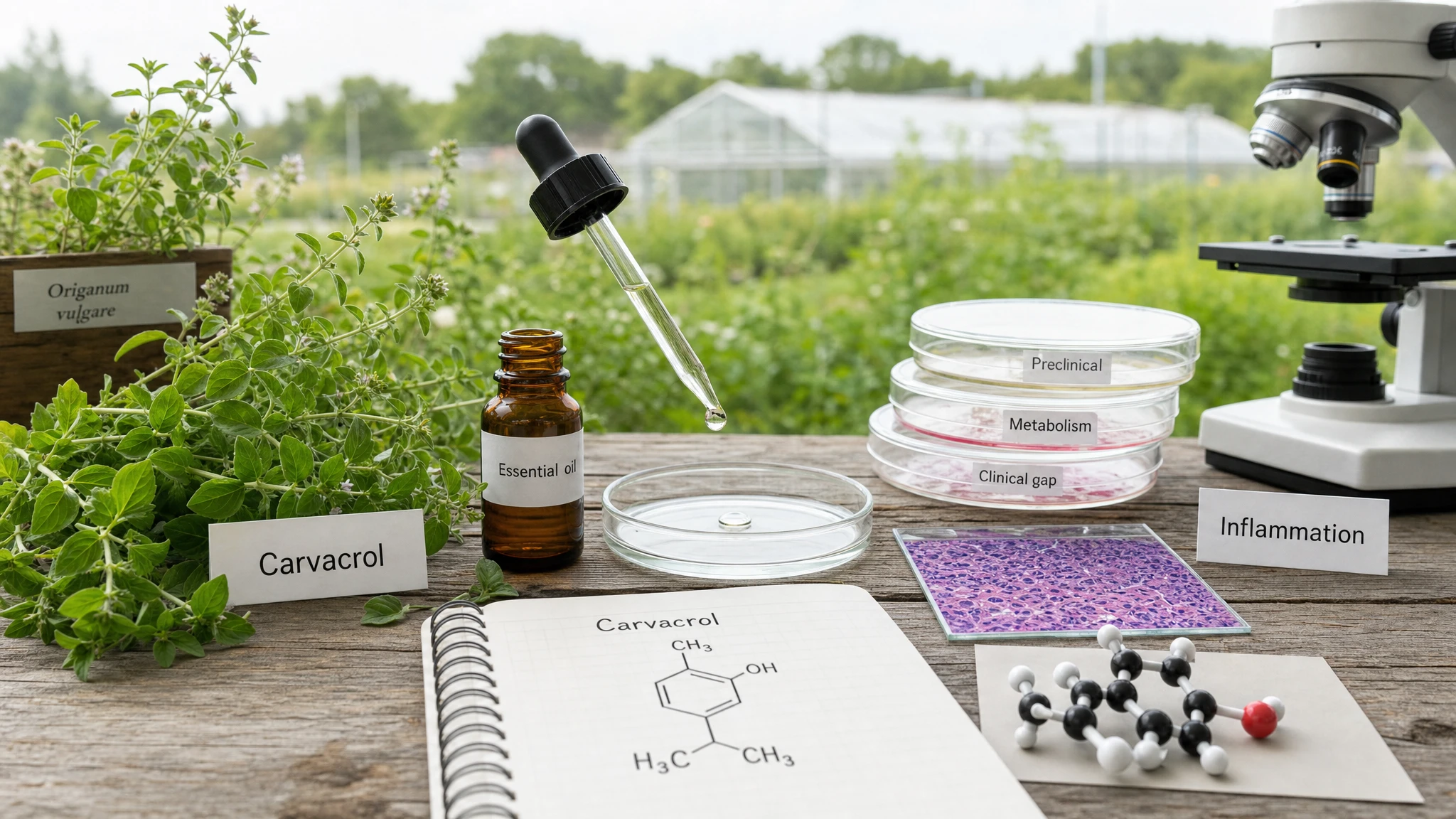
The use of oregano for health purposes primarily concerns its bioactive compounds, which are plant substances capable of producing measurable biological effects, particularly carvacrol and thymol. In experimental models, these are linked to effects on metabolism, inflammation, and cellular protection [2,1]. Therefore, when discussing the scientific benefits of oregano, the correct reference is not to a generic natural cure, but to a set of preclinical observations that suggest possible applications in certain pathological conditions. The value of this topic lies precisely in clarifying where the literature shows a biological rationale and where, instead, the data remain far from a real clinical indication. For this reason, attention focuses on the most studied pathologies, such as type 2 diabetes, asthma, gastric damage, and some inflammatory or proliferative conditions, without confusing the nutritional profile with the pharmacological one.
In diabetes, reviews indicate that carvacrol can improve parameters related to glycemia and insulin response in animal models, but the correct interpretation remains cautious: it is a candidate molecule, not a therapy. In parallel, data on asthma, stomach, and neuroprotection show a multi-target profile, meaning it can act on multiple biological targets, consistent with its ability to modulate oxidative stress, inflammation, and intracellular signals, including those associated with mTOR, a key protein that regulates cell growth and metabolism [8,9,10,11,12]. This plurality of areas makes oregano interesting from a divulgative perspective, provided that a clear distinction is maintained between experimental evidence and clinical use. In the following sections, each area is interpreted for what it truly offers today: a biological rationale, not a definitive therapeutic promise.
To guide the interpretation of the results, it is useful to keep in mind the most recurring research trends on oregano and its extracts:
- Type 2 diabetes is the most discussed context for carvacrol and insulin sensitivity, i.e., the ability of tissues to respond to insulin.
- The respiratory tract emerges for the possible anti-inflammatory effect in asthmatic forms, i.e., in disorders characterized by bronchial obstruction and hyperreactivity.
- The gastric mucosa, i.e., the inner lining of the stomach, is studied for protection from oxidative stress and ulcerative damage.
- The nervous system and some tumors show preclinical signals of mechanistic interest, i.e., related to possible mechanisms of action.
The various studied uses for oregano emerge especially when individual pathological districts are observed. In the following passages, the topic is addressed concretely, starting from glucose metabolism and then moving on to other areas of experimental interest.
Oregano and type 2 diabetes: what experimental studies indicate
In type 2 diabetes, oregano is of particular interest due to the presence of carvacrol, which in experimental models has shown favorable effects on glycemia, insulin sensitivity, and oxidative damage [11,13]. In a murine study, 10 mg/kg/day of carvacrol administered for 6 weeks to db/db mice improved glycemia and insulin resistance; this data is valuable because it shows a measurable metabolic effect in a consolidated diabetes model [13]. The same research area has been compiled in reviews that describe carvacrol as a candidate molecule for diabetes treatment, but always in terms of biological potential and not as an already defined therapy [11,14]. It is important to emphasize that these are largely preclinical data: this means that the biological evidence is interesting, but does not authorize treating oregano as a diabetes therapy. The hypothesized pathways involve oxidative stress, inflammation, insulin signaling, and, in part, AMPK/mTOR, which are the same axes that also regulate energy homeostasis, i.e., the balance of energy reserves and consumption [15,16]. The distinction between experimental evidence and clinical application therefore remains essential. From here, the discussion extends to respiratory aspects, where the anti-inflammatory action is interpreted in another target tissue.
Oregano and airway inflammation: the rationale in asthma
The interest in oregano for asthma primarily stems from the anti-inflammatory and broncho-modulating action attributed to carvacrol, specifically its potential ability to influence bronchial tone and reactivity. Preclinical research and a review dedicated to asthma describe a possible reduction in pro-inflammatory mediators involved in bronchial hyperreactivity, mucus production, and the immune response of the airways [9]. In this case, too, the key point is interpretive caution: oregano is not a cure for asthma, and the available studies do not in any way replace standard clinical management. However, the topic is useful because it links the spice to a systemic inflammatory process that also affects metabolism. Reviews on carvacrol also explain that the molecule can act on various cellular targets, including oxidative and inflammatory pathways, connected to the respiratory system [2,17]. This passage shows how the same molecule can interact with different tissues, while maintaining a common biological logic based on oxidative stress and cytokine regulation, i.e., the control of molecules that coordinate the immune response. The scientific significance is clear: the picture is encouraging as a mechanistic hypothesis, not as a ready-made clinical indication. The next step concerns one of the most sensitive areas to anti-inflammatory and antioxidant effects, namely the stomach and gastric mucosa, where carvacrol has been studied in models of ulcerative damage.
Oregano and gastric health: why it's relevant for ulcers and the mucosa
Gastric health is one of the fields where carvacrol has shown interesting rationale, especially in experimental models of mucosal damage, i.e., injury to the stomach's inner lining, and ulcers. In an in vivo and in silico study, meaning conducted both in living organisms and with computational simulations, carvacrol protected against experimentally induced gastric ulcers, with implications for antioxidant, anti-inflammatory, and anti-apoptotic mechanisms; the work highlights that the compound can act on oxidative stress, inflammation mediators, and programmed cell death [10]. This does not mean that oregano cures ulcers or can replace standard treatments; rather, it means that some of its compounds have biological plausibility in modulating processes that damage the mucosa. This topic is also important because it addresses questions about digestion, the stomach, and "delicate" or "irritating" spices. Reviews on carvacrol confirm that the compound possesses broad bioactivity not limited to the gastrointestinal tract alone [2,1]. This focus helps distinguish the culinary role of oregano from that of its extracts studied in the laboratory, clarifying that the biological effect always depends on the dose and form of intake. The next step broadens the horizon towards the nervous system, where the neuroprotective rationale relies on the same mechanisms of protection against oxidation and inflammation.
Oregano and neuroprotection: its potential in the brain
Oregano is also studied for its possible neuroprotective action, meaning its ability to protect nerve cells from damage and degeneration, especially through carvacrol, which in experimental models has shown effects on oxidative stress, neuroinflammation, and neuronal survival [8,17,12]. Available reviews describe a growing interest in neurodegenerative disorders such as Alzheimer's and Parkinson's, but emphasize that the level of evidence remains largely preclinical [12]. The value of this topic is not to propose a solution to neurodegenerative diseases, but rather to show how a plant molecule can interact with mechanisms common to cellular decline: oxidative damage, mitochondrial dysfunction, i.e., alteration of mitochondria that produce energy, and alteration of programmed cell death signals [8,17]. From the perspective of the text's architecture, this point broadens the horizon by connecting oregano not only to metabolism but also to the resilience of the nervous system, with a rigorous and non-promising approach. Reviews on carvacrol as a neuroprotective agent converge in describing a complex biology, but one not yet sufficiently translated into clinical practice [8,12]. The next step, finally, leads into an even more delicate territory: experimental oncology, where cell growth pathways, including mTOR, become central to understanding the meaning of research on oregano.
Oregano and gastrointestinal tumors: what do reviews really show?
In the oncological context, oregano is primarily discussed for carvacrol and its ability to interfere with cell proliferation in preclinical models of gastrointestinal cancers. Available reviews describe effects on the cell cycle, apoptosis, angiogenesis (i.e., the formation of new blood vessels), and invasive potential, but the picture is still far from clinical application [18,19,20,21]. For this reason, this point should be read as an in-depth look at experimental nutritional oncology, not as a direct preventive or therapeutic message. The literature emphasizes, for example, that carvacrol can modulate signals such as PI3K/AKT and mTOR-related targets in cancer cells, with a consistent mechanistic rationale that is not yet translatable into clinical practice [21,22]. Its value in the article is threefold: to reinforce thematic authority, to show the multi-target scope of the compound, and to correctly define the boundary between research and application. It is also a useful topic for addressing latent questions about the relationship between spices, phytocompounds, and cancer, without falling into oversimplifications. The next point moves the discussion towards the central dimension of this review: cell growth and its main metabolic regulator, mTOR, which connects oncology, metabolism, and intracellular adaptation.
Oregano and its relationship with mTOR
The relationship between oregano and mTOR is particularly interesting due to how some of its compounds can influence cell growth, autophagy, and metabolic signals. In experimental models, carvacrol from oregano is being studied as a possible modulator of pathways involved in oxidative stress and energy balance, with a rationale that also recalls the relationship between oregano, AMPK, mTOR, and insulin sensitivity.
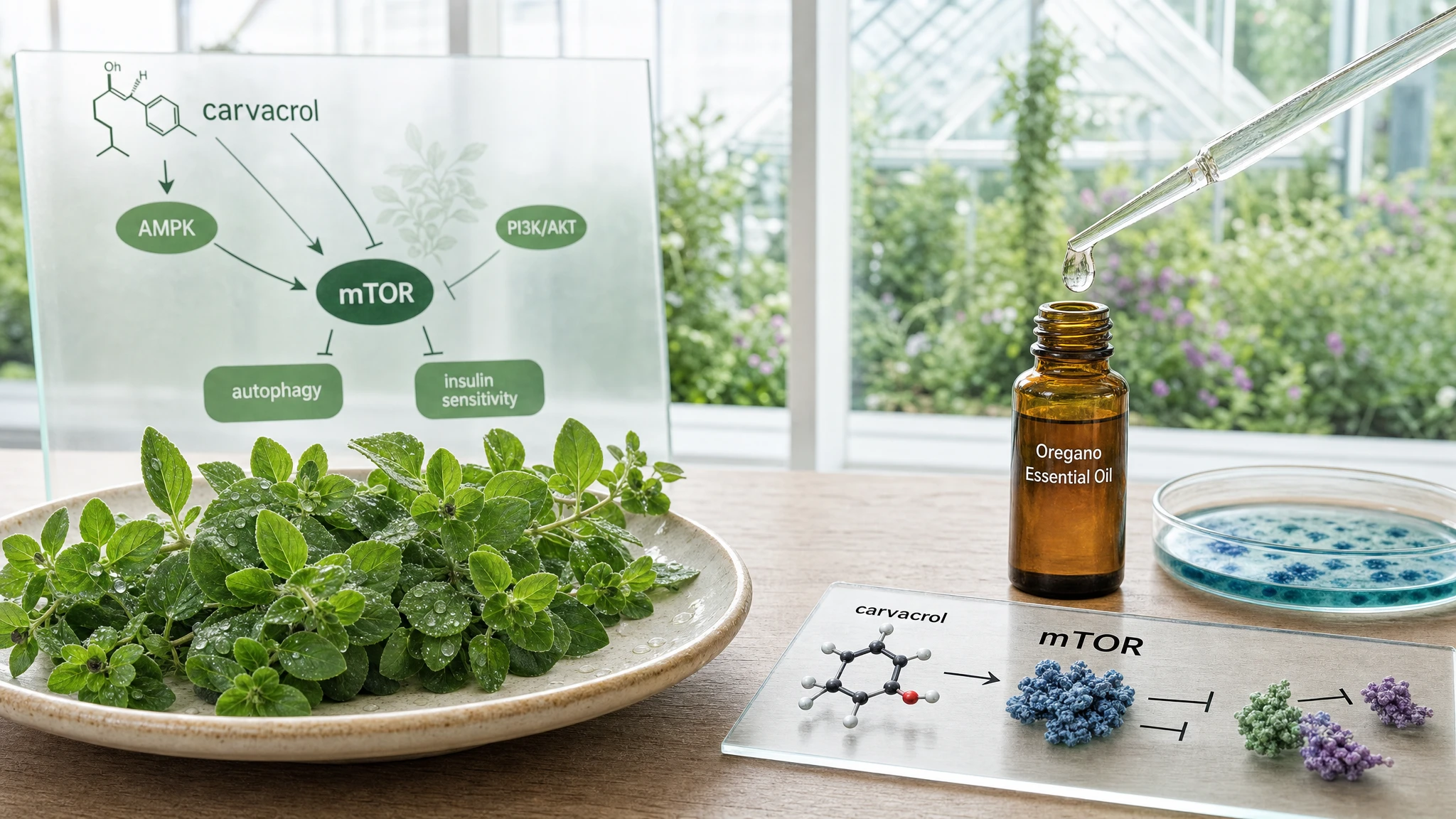
When reading about the scientific benefits of oregano, the mTOR node takes center stage because it connects a common spice to a signaling network that controls growth, protein synthesis, and autophagy. mTOR is a kinase, an enzymatic protein that adds phosphate groups to other proteins, and thus coordinates cellular responses to nutrients and growth factors. If the signal remains too high, the cell tends to prioritize accumulation and proliferation instead of repair and turnover. In this context, oregano's carvacrol has been studied as a potential modulator of the PI3K/AKT/mTOR pathway, especially in preclinical models [2,1,22].
This perspective helps to understand why oregano is not only studied for its aromatic or antioxidant profile, but also for its possible role in rebalancing central cellular pathways. In particular, reviews on carvacrol indicate an involvement in circuits related to survival, proliferation, and metabolism, while models on aromatic plants and phenolic compounds show that mTOR regulation is a recurring theme in experimental nutrition [18,14,23]. The key point, however, remains methodological: the most solid data concern cells and animals, so the clinical significance for humans must be interpreted with caution. From this basis, the next steps move to the link between mTOR and the intracellular recycling process directly affected by it, namely autophagy.
The correct interpretation does not concern a unique and immediate effect, but a possible intervention at multiple levels of the same network. In practice, scientific interest arises from the fact that oregano essential oil and its constituents can be observed under conditions of metabolic stress, low-grade inflammation, and altered glucose management:
- Carvacrol is associated with the modulation of cell growth signals.
- The reduction of mTOR tone can promote autophagy processes, i.e., the intracellular recycling of damaged components.
- The experimental context matters more than the single isolated molecule.
- The available evidence remains primarily preclinical and mechanistic.
The first step clarifies why mTOR is a central biological target when discussing oregano and carvacrol. Immediately after, the focus shifts to cellular turnover and its significance in metabolic and pathological models.
What is mTOR and why it matters in metabolic diseases
mTOR is a kinase that integrates nutrient, energy, and growth factor signals, coordinating protein synthesis, cell growth, and autophagy control, which is the process of intracellular recycling. When the system is physiologically regulated, it allows for adaptation and repair. However, when it remains chronically active, as often happens in contexts of hyperinsulinemia, energy excess, and low-grade inflammation, it contributes to a loss of metabolic flexibility. This node is essential for understanding why oregano is studied beyond its simple antioxidant profile: its interest stems from the possibility of interacting with a command center for cell growth [22,16]. This reference provides the conceptual basis for understanding subsequent insights into carvacrol, autophagy, and metabolic regulation, without exceeding the available evidence. Reviews on carvacrol indeed show that its targets also include proliferative and survival circuits, but always within a laboratory or computational modeling framework [2,18,19]. Understanding mTOR is also useful on a practical level, because it helps to interpret the link between diet, energy, and cellular response more precisely. From this point on, carvacrol becomes interesting not only as an antioxidant, but as a possible network modulator. The next step concerns its relationship with PI3K/AKT signals and with the pathways that converge on mTOR regulation.
Carvacrol and mTOR: the molecular target of oregano
Carvacrol is the compound in oregano most often associated with mTOR modulation. Reviews and experimental studies suggest that it can interfere with the PI3K/AKT/mTOR pathway, reducing survival and proliferation signals in pathological models [21,22]. This interest does not stem from a single observation, but from the convergence of results in different cellular contexts. In tumor cells, for example, carvacrol has been described as being able to modulate PI3K/AKT and promote cell cycle arrest and apoptosis, i.e., programmed cell death; in parallel, other review studies link the compound to targets such as mTOR and growth receptors [21,22,18]. It is useful, however, to maintain a clear distinction between in vitro data, animal models, and human clinical impact. This in-depth analysis is central because it transforms oregano from a simple "antioxidant" spice into a possible modulator of complex cellular pathways. From a semantic point of view, it addresses technical questions about carvacrol and mTOR, which are very useful for building thematic authority on this axis. The essential point is that the signal is not unidirectional: the results depend on the cellular context, the type of stress, and the concentration of the compound. The next step concerns the intracellular repair process more directly linked to mTOR reduction, namely autophagy, which allows the cell to recycle damaged components and regain efficiency.
Autophagy, cellular recycling, and the origin of the anti-growth signal
One of the most important effects of reducing mTOR is the reactivation of autophagy, the maintenance process by which the cell degrades and reuses damaged structures. When mTOR remains elevated, this recycling tends to be inhibited; when the signal attenuates, the cell can regain a greater capacity to adapt to stress. From this perspective, carvacrol and other oregano compounds have been observed in models where the modulation of these circuits is associated with better management of cellular stress [16,23]. The relevance for nutrition is clear: autophagy is one of the most solid points of contact between metabolism, cellular quality, and the prevention of accumulated damage. Studies on other bioactives have shown that the AMPK/mTOR axis, i.e., the system that balances energy production and saving, can support this balance in metabolically sensitive tissues, offering a useful parallel for interpreting the rationale of oregano [24,25,26]. Although the evidence on oregano remains largely experimental, the message is consistent: some of its molecules might act not as generic stimulants, but as regulators of intracellular adaptation programs. This is why the mTOR topic is central, because it allows us to move from the idea of a healthy spice to that of a source of compounds capable of influencing how the cell decides whether to grow, repair, or recycle its components.
Oregano and endometriosis: why the mTOR pathway is relevant
In conditions characterized by abnormal proliferation and persistent inflammation, such as endometriosis, the mTOR pathway becomes interesting because it integrates survival, growth, and stress response signals. In this context, carvacrol has been studied as a possible modulator of PI3K/AKT/mTOR, with a primarily mechanistic and preclinical rationale [19,22]. The useful aspect is not the idea of a direct treatment, but the confirmation that a molecule from oregano can interact with points involved in maintaining a cellular phenotype more resistant to the suppression of growth signals. This dialogue between mTOR and the inflammatory environment makes it more understandable why attention to oregano is not limited to its aromatic or antioxidant profile. In other biological models, natural compounds that modulate mTOR have shown effects on cell survival and stress adaptation, strengthening the comparative rationale [27,28,29]. Here too, however, the interpretation must remain cautious: the data do not authorize clinical conclusions in humans, but describe a consistent research direction. Subsequently, this framework will be joined by the AMPK-mTOR axis, which helps to interpret the balance between growth signals and energy-saving signals.
Oregano, metabolism, and theoretical synergy with AMPK
The relationship between oregano, AMPK, and mTOR is central because it describes two complementary biological forces: on one hand, the signal of growth and abundance, and on the other, the signal of saving, adaptation, and maintenance. In the available material, carvacrol appears capable of interacting with both sides, promoting a reduction in mTOR hyperactivation and, in metabolic contexts, supporting the energetic circuits regulated by AMPK [15,16,23]. This overlap makes oregano particularly interesting in conditions of insulin resistance and steatosis, where the cell struggles to manage excess energy. In models of hepatic steatosis, the SIRT1-AMPK combination has been associated with protection against lipid accumulation, offering a useful reference for understanding the metabolic rationale of carvacrol [15]. This point is useful for addressing highly scientific inquiries and for connecting everything with the broad topic of metabolic flexibility. The key idea is that oregano does not act as a single "switch," but as a network modulator, integrated into an ecosystem of intracellular signals. In the following steps, this network is examined in relation to insulin resistance, which remains one of the best examples of how nutrition, energy, and signaling intertwine in modern pathophysiology. The discussion then continues on the metabolic level, where the expected benefit is observed in terms of insulin sensitivity and glucose transport.
Oregano, AMPK, and mTOR Energy Rebalancing
When cellular metabolism loses efficiency, the dialogue between AMPK and mTOR becomes one of the most interesting points for interpreting the scientific benefits of oregano. In this context, oregano's carvacrol is studied as a possible modulator of energy balance, with effects that, in preclinical models, seem to lean towards better glucose and lipid management and cellular stress [15][16].
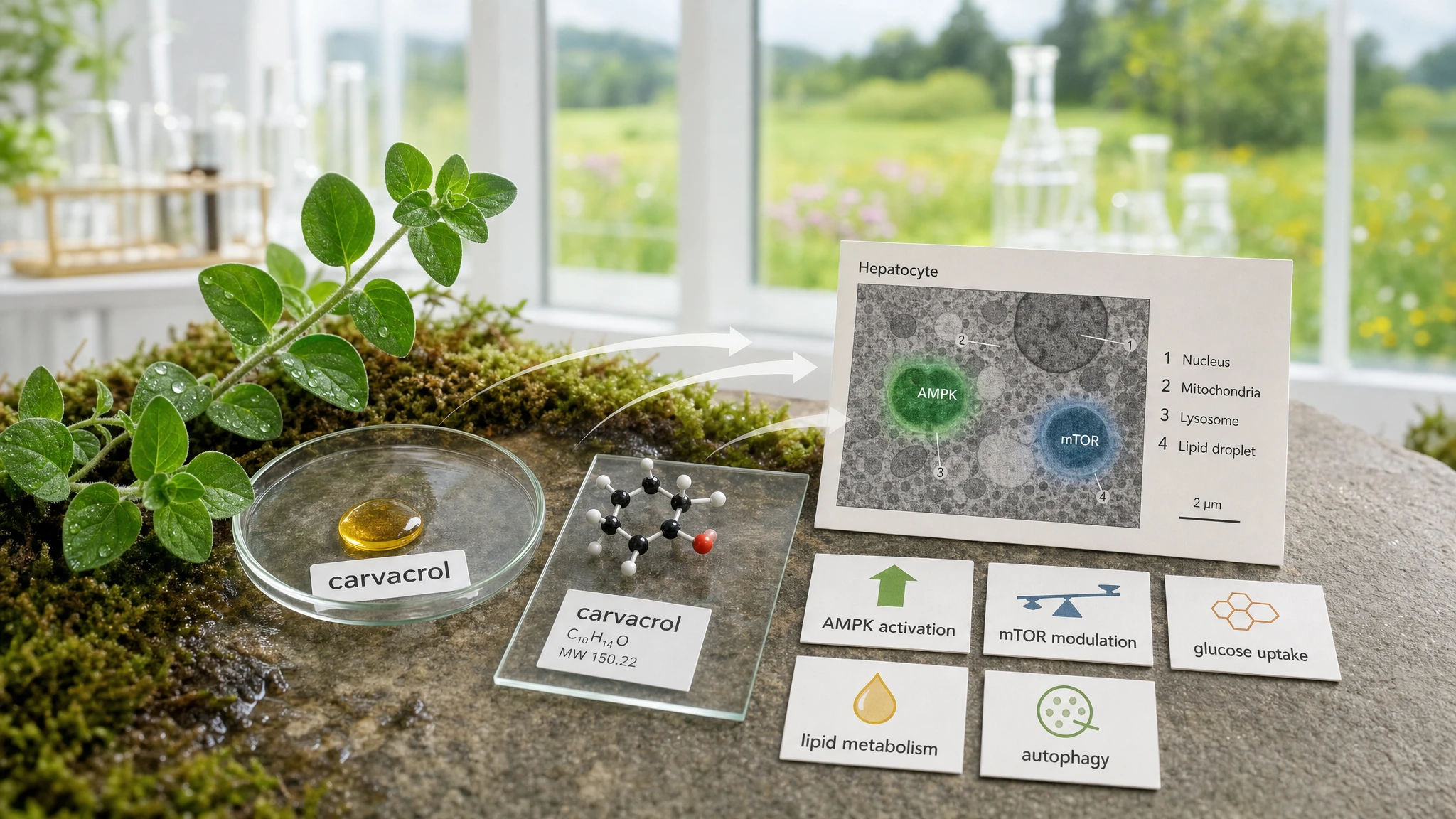
The central point of this H2 is to understand how oregano, especially through its carvacrol, can fit into the circuits that regulate cellular energy. AMPK, or adenosine monophosphate kinase, is a protein that functions as an energy state sensor: when available energy decreases, it tends to promote saving, recovery, and more efficient use of substrates. In parallel, mTOR, the mechanistic target of rapamycin, coordinates growth and synthesis processes; for this reason, its rebalancing becomes relevant when the cell is exposed to nutritional excess or metabolic stress. In experimental models, carvacrol is associated with a metabolic orientation towards a more "adaptive" setup, with signals compatible with less lipid accumulation and better glucose utilization [15,16,23].
In practice, the scientific interest in oregano AMPK mTOR stems from the fact that these pathways are not isolated but influence each other and are reflected in very concrete functions, such as glucose uptake into cells and lipid management. In skeletal muscle, for example, AMPK activation can promote GLUT4 translocation, i.e., the movement of the glucose transporter to the cell membrane, an important event for insulin sensitivity [30,31,32,33,34]. This is why oregano is studied not as a substitute for therapies, but as a possible biological support within a broader framework of energy adaptation. The underlying meaning remains simple: when AMPK restores order in consumption and mTOR stops pushing excessively, the cell can regain an equilibrium closer to physiology [35,36].
To correctly interpret this axis, it is useful to keep in mind the key points that will be developed in the following sections:
- Carvacrol can support signals compatible with AMPK activation.
- mTOR modulation is linked to the control of autophagy, the process by which the cell recycles damaged components.
- Glucose transport in muscle also depends on AMPK.
- The energy axis helps interpret data on insulin resistance, a reduced tissue response to insulin.
The following sections delve into the energy sensor, its relationship with carvacrol, and the implications for mTOR. Each step aims to connect molecular mechanisms to the metabolic effects observed in experimental models.
AMPK: the energy sensor that restores order to metabolism
AMPK is a kinase, meaning an enzyme that adds phosphate groups to other proteins, and it is activated when the cell senses a reduction in energy availability. Its role is to direct metabolism towards saving, recovery, and efficiency, reducing costly processes and favoring those that produce ATP, the main cellular energy molecule. In this context, carvacrol from oregano is being studied because it can integrate into circuits that converge on energy regulation, especially in models of metabolic stress [15,16]. This topic is fundamental for correctly interpreting the spice's effects on glycemia, lipids, and inflammation, without confusing physiological support with a direct pharmacological action. This aspect allows oregano to be interpreted as a possible modulator of cellular adaptation, rather than just a generic antioxidant. AMPK pathways are also closely linked to glucose transport in skeletal muscle, where GLUT4 regulation represents a key step in insulin sensitivity [30,31,32]. The reason why AMPK is so interesting in functional nutrition is precisely this: it converts an energy signal into a concrete metabolic response. To understand the role of oregano, it is therefore important to remember that AMPK activation is not a molecular detail, but a shift in the orientation of the entire cellular metabolism. The next step concerns the relationship between carvacrol and AMPK, which in the available material appears consistent with a reduction in metabolic setup and improved efficiency in nutrient utilization.
Carvacrol and AMPK: what relationship emerges from oregano studies
In the available literature, carvacrol appears as a molecule capable of supporting, in specific experimental contexts, the activation of AMPK or related pathways. This interest is particularly strong in models of hepatic steatosis and metabolic dysfunction, where the restoration of the energy signal is associated with improved lipid oxidation and a reduced tendency for accumulation [15,16,23]. The crucial point is that this is not proof of clinical efficacy in humans, but rather a coherent biological rationale. In a fatty liver model, for example, SIRT1-AMPK mediated protection has shown that the energy axis can translate into reduced steatosis and improved lipid homeostasis, a logic that helps interpret the potential of carvacrol [15]. This topic is also useful for connecting oregano and insulin resistance, because AMPK activation tends to promote a more favorable metabolic profile in multiple tissues [27,16]. This helps explain how a compound from oregano can act on a point shared by multiple chronic diseases, using language suitable for both the general reader and the user interested in technical details. The correct interpretation is not that of a "miraculous" molecule, but rather that of a modulator integrated into networks already known to human physiology. The next step focuses precisely on the liver, one of the most important targets when it comes to lipid accumulation and energetic stress.
Fatty liver and lipid accumulation: why oregano is relevant
Hepatic steatosis, meaning the excessive accumulation of fat in the liver, is one of the most pertinent contexts for understanding the metabolic action of carvacrol. In preclinical models, the modulation of AMPK and the consequent reduction of lipogenic programs are associated with less fat accumulation in the liver and better management of energy substrates [15,35,28]. This makes oregano interesting for metabolic prevention, especially when the diet is high in calories and low in energy flexibility. In a type 2 diabetes model, carvacrol also showed a protective effect on liver damage in db/db mice, suggesting that the liver is a biologically plausible as well as clinically relevant target [35]. However, the topic must be kept in the correct perspective: it is not a treatment for steatosis, but a possible biological support to be considered alongside diet, physical activity, and weight control. The literature on mTOR regulation by energy signals and AMPK-mediated mTOR suppression further strengthens the mechanistic rationale [16,28]. The next step returns to the link between chronic inflammation and cellular maintenance, because metabolism never functions separately from the stress response. From this, it is clear why oregano is often seen as a "rebalancing" molecule, not just for liver protection.
Chronic inflammation, autophagy, and oregano's energetic rebalancing
One of the most interesting aspects of the relationship between oregano and AMPK is its connection to chronic inflammation and autophagy. When cells are exposed to persistent stress, their ability to clear damaged components decreases, and the intracellular environment becomes less efficient. Modulating AMPK and reducing mTOR can promote better cellular maintenance and attenuate pro-inflammatory signals [27,16,28]. Carvacrol is being studied precisely at this intersection between metabolism and immunity, which is central to modern diseases. In muscle models, for example, mTOR inhibition and AMPK activation have been associated with improved insulin sensitivity and more effective glucose management, reinforcing the overall picture [27,25,37]. It is important to show that oregano is not limited to "fighting free radicals," but can be part of broader regulatory networks involving energy, inflammation, and cellular recycling. The next step addresses the comparison with metformin and other metabolic compounds, useful for understanding whether theoretical synergies or only pathway affinities exist. The correct interpretation remains cautious, but the rationale is sufficiently coherent to justify research interest.
Oregano and Metformin: Is there a theoretical synergy with AMPK?
The possible synergy between carvacrol and metformin is interesting because both pathways converge, at least in part, on AMPK activation and the regulation of insulin sensitivity. This does not imply equivalence between a spice and a drug, nor does it suggest that oregano can replace established therapies. However, it does indicate that some active plant compounds can interact with the same biological networks targeted by metabolic drugs. In various laboratory models, convergence on AMPK and suppression of mTOR has been associated with reduced lipid accumulation, improved glucose transport, and a better response to metabolic stress [27,16,25]. This in-depth analysis is useful for the public seeking a bridge between nutrition and pharmacology, while maintaining a rigorous boundary: it discusses biological rationale, not prescription. This is a strong point because it addresses questions with high informational and comparative intent. The interpretive key is simple: the interest in oregano lies not in offering an alternative to drugs, but in showing how nature can offer molecules capable of interacting with pathways already known to physiology and pharmacology. From here, the next step returns to insulin resistance, where the relationship between insulin signaling, AMPK, mTOR, and glucose transport in target tissues becomes more evident.
Oregano and the improvement of insulin resistance
Improving insulin resistance is one of the reasons why oregano often comes up in discussions about its scientific metabolic benefits. Here, the focus is not on the spice itself, but on how some of its compounds, especially carvacrol, can support insulin sensitivity in experimental models [11][14][23].
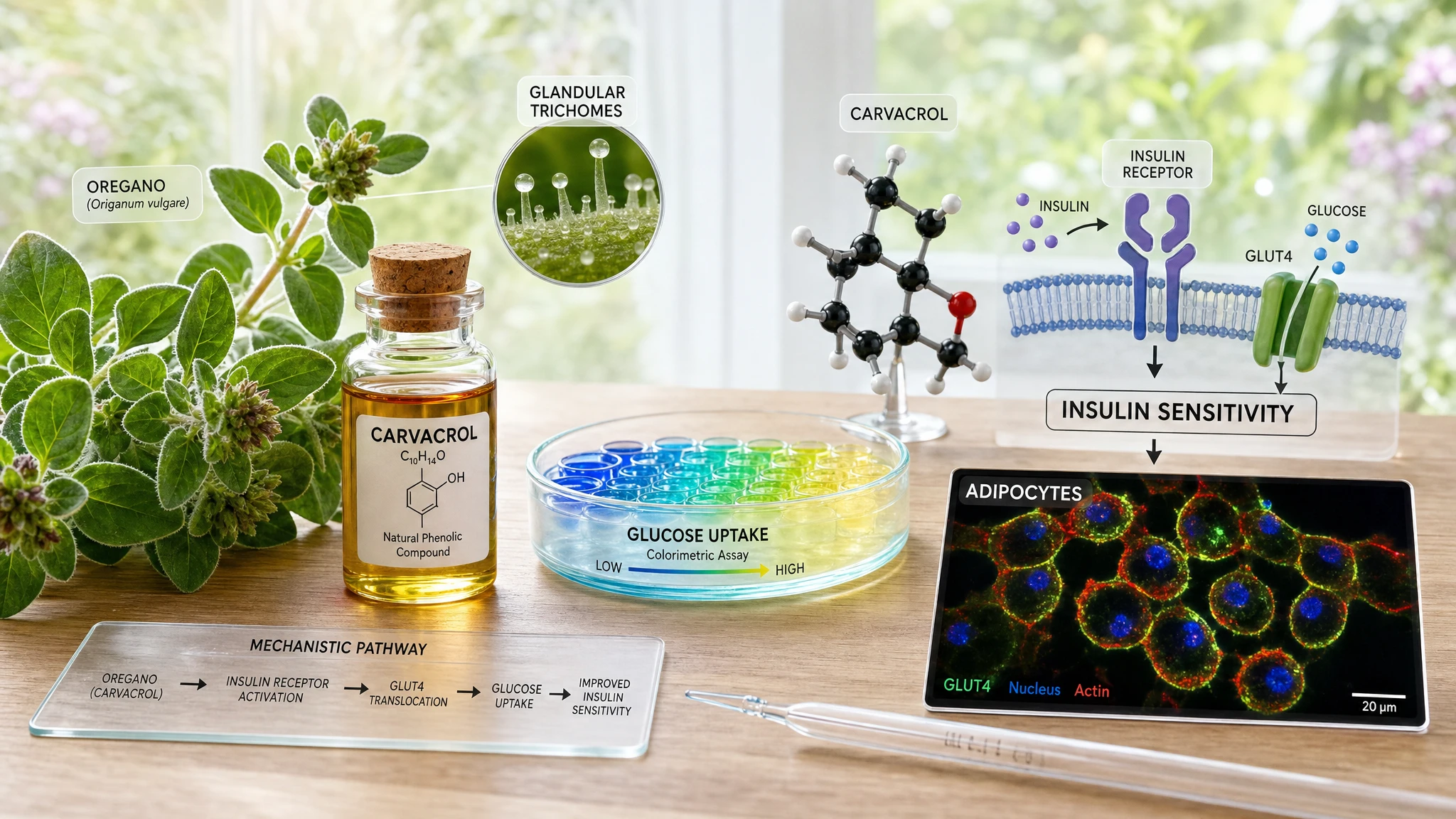
Insulin resistance is a condition in which cells respond less effectively to insulin, the hormone that allows glucose to enter tissues and be used as an energy source. As a result, glucose management becomes more difficult, and the pancreas must produce more insulin to compensate. In this context, interest in oregano and insulin resistance stems primarily from preclinical studies, i.e., those conducted before human trials, on Origanum vulgare and its most characteristic constituents, particularly carvacrol and thymol [1,14]. This is not about attributing a direct and conclusive pharmacological effect to the spice, but rather evaluating whether some of its components can intervene in mechanisms that promote an improvement in insulin sensitivity. Available evidence suggests an action involving glucose trafficking in cells, energy regulation, and, in some models, the response to an excess of fatty acids [11,23].
An interesting finding comes from a cell model in which Origanum vulgare essential oil mitigated the effects of palmitic acid on human adipose cells, improving parameters related to glucose uptake and insulin signaling [23]. In parallel, the literature on carvacrol indicates that this compound can act on multiple metabolic nodes, including those connected to AMPK and pathways that regulate energy homeostasis [14,22]. In other words, the possible contribution of oregano should not be interpreted as a simple "blood sugar lowering," but as support for processes that allow cells to respond better to insulin. This is also why the topic is linked, further on, to the dialogue between AMPK, mTOR, and glucose management [30,31,32].
To understand the biological rationale, it is useful to follow the most studied cellular steps, as this is where the possible contribution of oregano becomes clear:
- Carvacrol may promote the recovery of insulin response in experimental models.
- Oregano essential oil attenuates alterations induced by palmitic acid, a saturated fatty acid often used in laboratory tests.
- The energy signal AMPK, i.e., adenosine monophosphate kinase which regulates the cell's energy state, contributes to glucose transport.
- The mTOR pathway, the protein complex that controls cell growth and metabolism, intertwines with autophagy, the process of recycling cellular components, and with metabolic balance.
- GLUT4 translocation, the glucose transporter that moves to the cell membrane to facilitate sugar entry, represents an essential control point.
In the following sections, the focus shifts from general mechanisms to the most relevant cellular nodes. The first aspect concerns the biological significance of insulin resistance and why it is central to interpreting data on oregano.
What is insulin resistance and why is it a central metabolic node
Insulin resistance is a condition in which muscle, liver, and adipose tissue respond less effectively to insulin. The pancreas compensates by producing more hormone, but over time this adaptation can lead to chronic hyperinsulinemia, lipid alterations, and metabolic dysfunction. The interest in oregano stems from the fact that some of its compounds, particularly carvacrol, have been observed in models involving precisely this type of imbalance [11,15,35]. This node serves to provide the essential biological framework for understanding the other insights within the silo, without overlapping with the general discussion on diabetes. It is also a useful node for intercepting those seeking simple but scientifically accurate explanations of what it truly means to be "insulin resistant." Reviews on glucose transporters explain that insulin resistance includes a defect in GLUT4 translocation, which is the transporter that allows glucose to enter muscle and fat cells [33,34,38]. This connects the topic of oregano to a very concrete problem of cellular physiology. In the next step, the focus shifts to how carvacrol can influence insulin sensitivity, by intervening in the signals that regulate glucose trafficking and energy balance.
Carvacrol and insulin sensitivity: what experimental models suggest
In various preclinical models, carvacrol has been associated with improved insulin sensitivity, primarily through better regulation of intracellular signals and a reduction in oxidative stress. The key point is that the compound does not "force" a lowering of glycemia, but acts on the biological prerequisites that make the insulin response inefficient [11,13]. This approach is consistent with the modern view of insulin resistance as a network problem, not an isolated defect. In murine models, 10 mg/kg/day for 6 weeks improved glycemia and insulin resistance, providing a concrete measure of carvacrol's metabolic potential [13]. Furthermore, the rationale is consistent with the literature on AMPK and GLUT4, which shows that AMPK activation can increase glucose transport and improve cellular response to insulin [30,31,32,39]. All of this allows oregano to be seen as an element that can support metabolic physiology, but always within the framework of experimental evidence and not definitive human trials. The next step clarifies which tissues respond most clearly to these signals, because the insulin problem is not the same in muscle, liver, and adipocytes. From this emerges a more precise and useful organ-specific vision for clinical understanding of the phenomenon.
Liver, adipocytes, and muscle: the tissues most sensitive to oregano
The liver, adipose tissue, and skeletal muscle are the main areas involved in regulating insulin sensitivity. In experimental models, carvacrol has been observed in contexts involving precisely these tissues, suggesting effects on lipid metabolism, glucose utilization, and intracellular signaling [15,23,35]. This distribution is important because insulin resistance is not a uniform condition: it can manifest differently depending on the predominant tissue. In human fat cells, for example, the essential oil of Origanum vulgare mitigated palmitic acid-induced defects in insulin signaling and glucose uptake, an interesting finding because it directly links the plant to the adipocyte, which is the fat tissue cell involved in energy storage and regulation [23]. In muscle, the general literature on GLUT4 translocation shows that insulin signaling and AMPK-mediated signaling are crucial for glucose entry, which makes the reference to oregano as a network modulator plausible [30,31,32,38]. This data therefore helps to connect the topic of oregano to systemic physiology, showing why its interest goes beyond the single glycemic parameter. The next step broadens the perspective to oxidative stress, which acts as an amplifier of insulin defects and their metabolic effects.
Oregano and oxidative stress: the link with insulin resistance
Oxidative stress is one of the mechanisms contributing to the worsening of insulin signaling. An environment rich in reactive oxygen species, i.e., highly reactive molecules generated during cellular metabolism, can alter key proteins in the metabolic pathway, fostering a vicious cycle of inflammation, lipid accumulation, and signal dysfunction. Oregano is being studied because its phytocomplex, which is the set of bioactive compounds present in the plant, and carvacrol in particular, shows antioxidant activities in experimental models [2,6,7]. This does not mean that it "neutralizes" the disease, but it explains why it is considered in a strategy to support metabolic stability. In studies on metabolic diseases, the reduction of oxidative stress is often associated with improvements in insulin sensitivity and organ damage, as also shown in models of fatty liver and diabetes [15,35]. Subsequently, this connection links the spice to a transversal mechanism that makes its role plausible in cases of insulin resistance and chronic inflammation. The understanding thus becomes more complete: it is not the single parameter that matters, but the entire biochemical environment in which the cell operates. The next step introduces a comparison with other natural compounds studied for glucose metabolism, useful for understanding whether oregano has a specificity or if it fits into a broader trend of metabolic phytotherapy.
Oregano and comparison with other natural compounds studied for insulin
To correctly interpret oregano, it is useful to compare it with other natural compounds studied in the metabolic field, such as polyphenols, flavonoids, or extracts from other aromatic plants. The point is not to establish an absolute ranking, but to understand that many of these compounds converge on common nodes such as AMPK, mTOR, inflammation, and glucose transport [25,37,26,40,39,41]. Oregano fits into this network as a source of phenolic monoterpenes with its own chemical specificity [6,1]. The comparison helps the reader avoid unrealistic expectations and place the spice within the broader landscape of functional nutrition. The fact that different compounds converge on the same pathways does not mean equivalence in efficacy, but it reinforces the underlying rationale: the cell responds to networks, not to isolated individual stimuli. From here, the next step focuses on antioxidant and anti-inflammatory action, which represents the most easily understandable common denominator even for the non-specialist reader. The focus then shifts from insulin sensitivity to cellular defense, where oregano shows one of its most well-known and documented aspects.
Oregano and its antioxidant and anti-inflammatory action
The antioxidant and anti-inflammatory properties of oregano are among the most studied when discussing the scientific benefits of oregano. The biological rationale primarily concerns its phenolic compounds, which are plant substances with biological activity, particularly carvacrol and thymol, that can help modulate oxidative stress—an excess of oxidizing molecules compared to the body's defenses—and the inflammatory response [2][1].
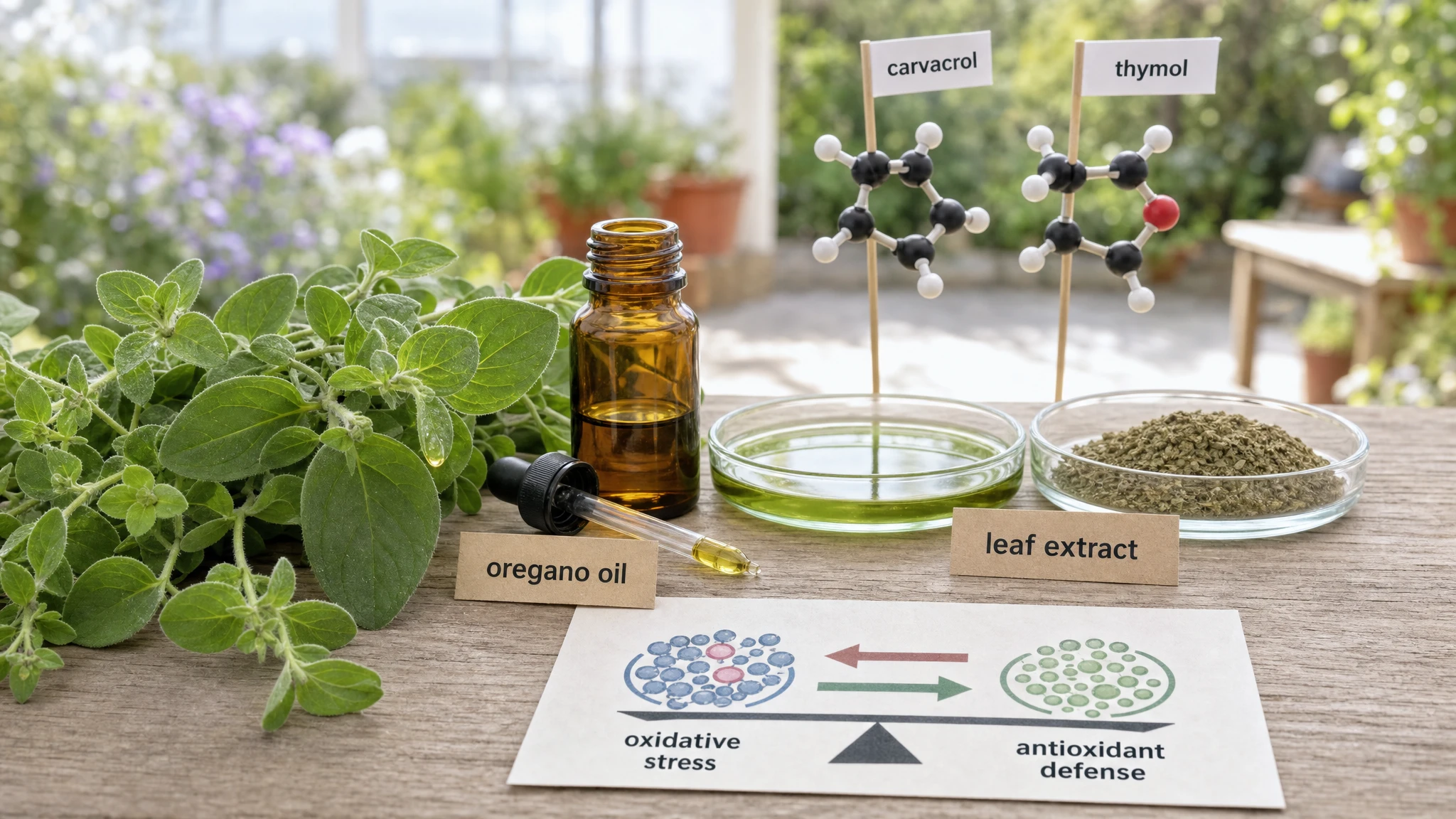
When analyzing the biological action of oregano, the central point is not to attribute a "curative" effect to it, but to recognize a possible supportive action on the processes that most often accompany cellular damage. Phenolic compounds, particularly carvacrol and thymol, have been associated with a modulation of redox signals, i.e., the mechanisms by which the cell manages reactive oxygen species and maintains oxidative balance [2,1]. In this framework, oregano can help contain oxidative stress, which is an excess of oxidizing molecules compared to the body's defensive capacity. The scientific relevance of this topic lies in the fact that oxidation and inflammation tend to reinforce each other, especially in metabolic tissues and in contexts of low-grade chronic inflammation [3,1].
In the context of preclinical research, i.e., studies conducted in the laboratory or on non-human models, these effects have been observed mainly with extracts or fractions more concentrated than culinary use, and this detail is essential not to overestimate the impact of the spice in the daily diet. The available reviews describe an interaction between carvacrol, pro-inflammatory pathways, and antioxidant systems that can be reflected in immune cells, hepatocytes (liver cells), and tissues involved in metabolic homeostasis, i.e., the balance of the body's energy functions [3,1]. In other words, the interest in oregano and inflammation stems from the fact that its constituents can intervene on biological nodes common to many chronic conditions. The most correct message, however, remains cautious: oregano does not eliminate oxidative damage, but it can be part of a dietary model that reduces its overall burden [4,5,2].
On this basis, it is easier to understand why attention is focused mainly on two complementary aspects: protection against oxidation and modulation of inflammation. In the following points, these effects are distinguished only for clarity, while remaining biologically linked.
Oregano is considered a source of antioxidants, mainly due to the presence of phenols and phenolic monoterpenes such as carvacrol and thymol. In biological terms, this means that it can help limit damage caused by reactive oxygen species and support endogenous defense systems. Its role should be interpreted as support, not as complete neutralization of oxidative stress [2,6]. This point is useful because it connects the spice to one of the most frequently cited basic mechanisms in preventive medicine texts. Reviews on carvacrol and oregano describe a capacity to modulate redox signals that are reflected in immune cells, hepatocytes, and metabolic tissues [3,1,6]. This helps explain why oregano is associated with both cellular health and protection from degenerative processes linked to excess oxidation. The important message is that the antioxidant effect is not a generic fact, but the result of specific chemistry and a concrete concentration of the compound. From here, the next step focuses on the inflammatory response, which often proceeds in parallel with oxidative stress and amplifies its clinical consequences.
Oregano is also associated with a possible anti-inflammatory effect because some of its compounds seem to modulate mediators such as TNF-a, IL-6, and other molecules involved in the immune response. This observation is important because low-grade chronic inflammation is a common feature of many metabolic and degenerative conditions. However, the level of evidence remains largely preclinical and should be interpreted with caution. Reviews on carvacrol and oregano also confirm that the plant is studied precisely for its ability to interfere with pro-inflammatory and oxidative pathways [2,3,6]. The editorial function is also to prevent over-interpretation: the fact that oregano modulates cytokines in the laboratory does not mean that it can treat inflammatory diseases in humans. The next step concerns the gut microbiota, i.e., the set of microorganisms living in the intestine, and the intestinal barrier, i.e., the physiological filter that regulates the passage between the intestinal lumen and the organism, two elements that are often linked to spices today for their possible impact on host homeostasis, but with a still limited level of proof.
The antimicrobial activity of oregano is known, but in the metabolic context, its possible impact on the gut microbiota and intestinal barrier is also of interest. An altered intestinal ecosystem can promote endotoxemia, i.e., the presence of bacterial toxins in the blood, inflammation, and worsening of insulin sensitivity. In this sense, research on oregano compounds opens up an interesting hypothesis: the spice could influence the intestinal environment not only through its action on microorganisms but also through indirect effects on permeability and the inflammatory response [7,1]. However, this is still an exploratory field. Broader reviews note that carvacrol has well-documented antimicrobial and anti-biofilm activity, meaning it can interfere with the protective structures formed by microorganisms, but the transition from controlling microbes to modulating the human microbiota remains complex and cannot be taken for granted [7]. The scientific message is cautious: the rationale exists, but the level of clinical evidence is still insufficient to speak of a consolidated application. The next step brings the discussion back to daily use and quantity, because the difference between cooking and laboratory is essential when evaluating the biological impact of a spice. Here, the dose again becomes the true interpretive discriminant.
In daily use, oregano is used in relatively small quantities, and precisely for this reason, its effect must be contextualized. The spice can contribute to the qualitative profile of the diet, but it is not equivalent to the concentrated preparations studied in the laboratory. The dose, frequency of use, and food matrix, i.e., the food context in which the spice is incorporated, are fundamental elements for interpreting its relevance [4,5,1]. This point is useful for the reader seeking practical guidance without slipping into excessive promises: oregano can play a role in the diet, but its real weight depends on the overall dietary style. Guidelines on healthy eating and plant-rich dietary patterns offer the correct reference for interpreting the spice as part of a coherent pattern, not as a functional exception [4,5]. In this article, the topic helps connect science and everyday cooking in a realistic and measured way. The useful question is not "how much oregano cures?", but "how much oregano contributes to an overall healthier diet?". This shift in perspective is also essential to understand why commercial extracts should be evaluated separately. The next step, in fact, clarifies how concentration changes the meaning of use and why oregano and essential oil are in no way interchangeable.
The comparison between oregano in cooking, extracts, and essential oil is crucial to avoid attributing the effects of concentrated preparations to common spices. Extracts can have much higher levels of carvacrol and thymol, resulting in greater biological potency but also different tolerability and safety [1,6]. This distinction is relevant from both a nutritional and editorial perspective, because many online searches mix these points. This focus helps clarify that not everything derived from oregano is equivalent: the form of administration changes the risk profile and expected efficacy. The literature on oregano essential oil emphasizes precisely the need to distinguish between food use and concentrated use, especially when discussing biological effects or potential interactions [1]. A correct interpretation of the forms of use also allows for a better understanding of the value of scientific evidence: if the effect appears at high doses or in specific formulations, it cannot be automatically transferred to simple seasoning. The next step brings these concepts together again in the practical dimension of cardiovascular and lipid health, where carvacrol is often discussed in terms of potential support and not direct treatment. From here, the perspective opens up to the relationship between oregano, lipids, and vascular function.
To correctly interpret this set of data, it is useful to keep the main points of biological interest together, as each completes the overall picture:
- Carvacrol, a phenolic monoterpene, contributes to the modulation of cellular redox signals.
- Endogenous antioxidant defenses, i.e., those naturally produced by the body, are supported, not replaced.
- The inflammatory response can be attenuated across multiple mediators.
- The concentration of the compound greatly changes the expected effect.
The two most studied aspects are protection against oxidative stress and modulation of inflammation. In the following paragraphs, these effects are distinguished only for clarity, although they remain biologically linked.
Oregano as an antioxidant: how it acts against oxidative stress
Oregano is considered a source of antioxidants, primarily due to the presence of phenols and phenolic monoterpenes such as carvacrol and thymol. In biological terms, this means it can help limit damage caused by reactive oxygen species and support endogenous defense systems. Its role should be interpreted as supportive, not as a complete neutralization of oxidative stress [2,6]. This point is useful because it links the spice to one of the most frequently cited basic mechanisms in preventive medicine texts. Reviews on carvacrol and oregano indeed describe an ability to modulate redox signals that affect immune cells, hepatocytes, and metabolic tissues [3,1,6]. The important message is that the antioxidant effect is not a generic fact, but the result of specific chemistry and a concrete concentration of the compound. From here, the next step focuses on the inflammatory response, which often proceeds in parallel with oxidative stress and amplifies its clinical consequences.
Oregano and chronic inflammation: the role of cytokines
Oregano is also associated with a possible anti-inflammatory effect because some of its compounds seem to modulate mediators such as TNF-a, IL-6, and other molecules involved in the immune response. This observation is important because chronic low-grade inflammation is a common feature of many metabolic and degenerative conditions. However, the level of evidence remains largely preclinical and should be interpreted with caution. Reviews on carvacrol and oregano also confirm that the plant is studied precisely for its ability to interfere with pro-inflammatory and oxidative pathways [2,3,6]. The editorial function is also to prevent over-interpretation: the fact that oregano modulates cytokines in the laboratory does not mean it can treat inflammatory diseases in humans. The next step concerns the microbiota, i.e., the set of microorganisms living in the intestine, and the intestinal barrier, i.e., the physiological filter that regulates the passage between the intestinal lumen and the organism, two elements that are often linked to spices today for their possible impact on host homeostasis, but with a still limited level of evidence.
Oregano, microbiota, and intestinal barrier: a possible link
The antimicrobial activity of oregano is well-known, but in the metabolic context, its possible impact on the gut microbiota and intestinal barrier is also of interest. An altered intestinal ecosystem can promote endotoxemia, i.e., the presence of bacterial toxins in the blood, inflammation, and worsening insulin sensitivity. In this sense, research on oregano compounds opens up an interesting hypothesis: the spice could influence the intestinal environment not only through its action on microorganisms but also through indirect effects on permeability and inflammatory response [7,1]. However, this is still an exploratory field. Broader reviews note that carvacrol has well-documented antimicrobial and anti-biofilm activity, meaning it can interfere with the protective structures formed by microorganisms, but the transition from microbial control to human microbiota modulation remains complex and cannot be taken for granted [7]. This topic broadens the perspective beyond individual organs, showing the possible dialogue between oregano, the gut, and systemic metabolism. The scientific message is cautious: the rationale exists, but the level of clinical evidence is still insufficient to speak of a consolidated application. The next step brings the discussion back to daily use and quantity, because the difference between kitchen and laboratory is essential when evaluating the biological impact of a spice. Here, the dose once again becomes the real interpretive discriminant.
Oregano in cooking: how much does the daily dose really matter?
In daily use, oregano is employed in relatively small quantities, and precisely for this reason, its effect must be contextualized. The spice can contribute to the qualitative profile of the diet, but it is not equivalent to the concentrated preparations studied in the laboratory. The dose, frequency of use, and food matrix are fundamental elements for interpreting its relevance [4,5,1]. This point is useful for the reader seeking practical guidance without falling into excessive promises: oregano can play a role in the diet, but its real impact depends on the overall dietary style. Guidelines on healthy eating and plant-based dietary patterns offer the correct reference for understanding the spice as part of a coherent pattern, not as a functional exception [4,5]. This topic helps connect science and daily cooking in a realistic and measured way. The useful question is not "how much oregano cures?", but "how much oregano contributes to an overall healthier diet?". This shift in perspective is also essential to understand why commercial extracts should be evaluated separately. The next step, in fact, clarifies how concentration changes the meaning of use and why oregano and essential oil are in no way interchangeable.
Oregano and concentrated extracts: practical differences not to be confused
The comparison between oregano in cooking, extracts, and essential oil is crucial to avoid attributing the effects of concentrated preparations to the common spice. Extracts can have much higher levels of carvacrol and thymol, resulting in greater biological potency but also different tolerability and safety [1,6]. This distinction is relevant from both a nutritional and editorial perspective, as many online searches mix these levels. The literature on oregano essential oil specifically emphasizes the need to distinguish between food use and concentrated use, especially when discussing biological effects or potential interactions [1]. A correct understanding of the forms of use also allows for a better interpretation of the value of scientific evidence: if the effect appears at high doses or in specific formulations, it cannot be automatically transferred to simple seasoning. The next step brings these concepts together in the practical dimension of cardiovascular and lipid health, where carvacrol is often discussed in terms of potential support rather than direct treatment. From here, the perspective opens to the relationship between oregano, lipids, and vascular function.
Oregano in cardiovascular and lipid support
In cardiovascular support, the scientific benefits of oregano should be viewed primarily as biological potential rather than a well-established clinical effect. The most interesting evidence concerns carvacrol and oregano essential oil, with possible implications for lipids, blood pressure, and vascular protection. The key point remains caution: the best data are preclinical and highly dependent on dose and form of intake.
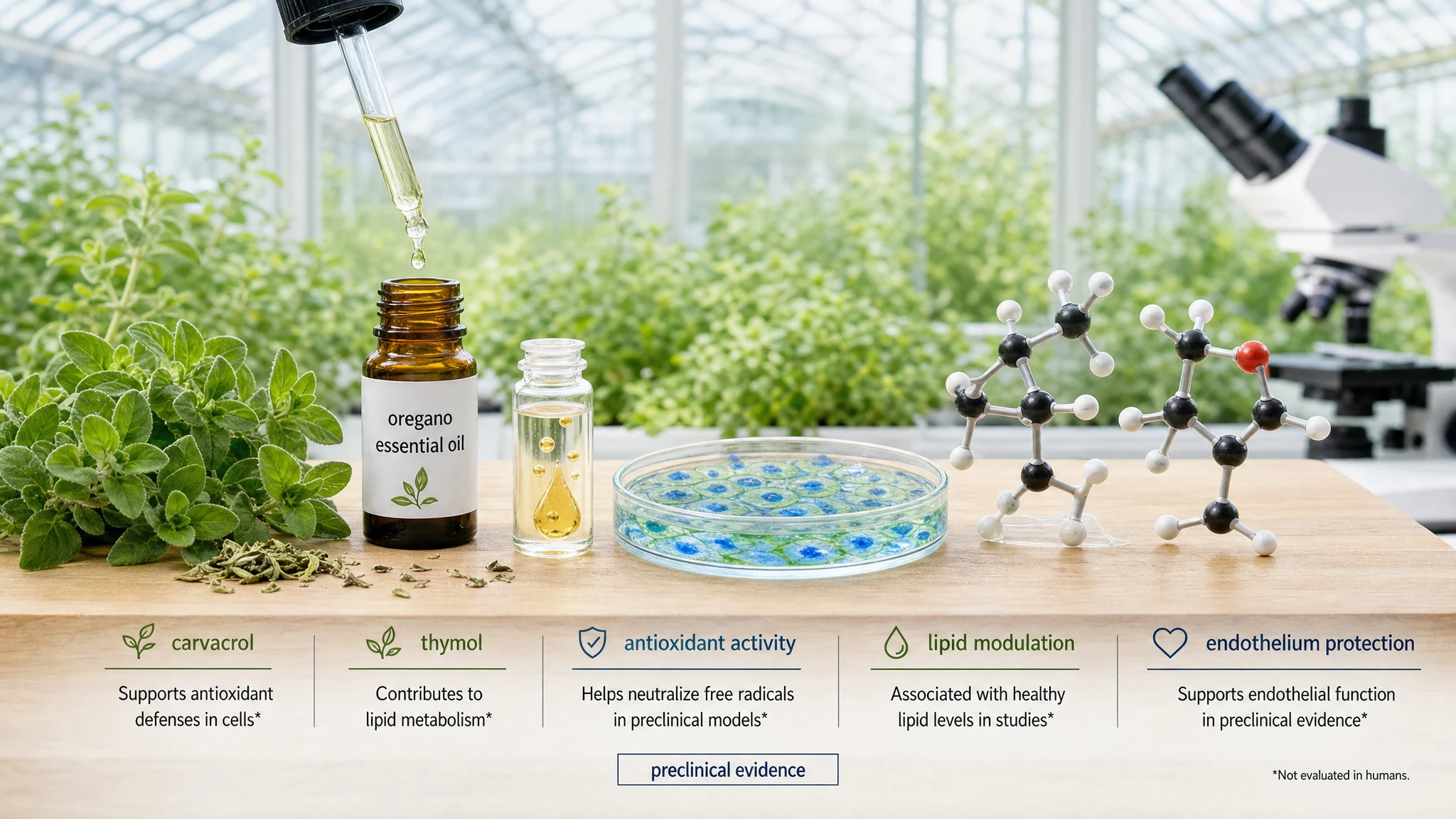
In cardiovascular and lipid support, interest in oregano primarily stems from its bioactive compounds, which are naturally occurring substances that exert biological activity, particularly carvacrol and thymol. In experimental models, these compounds show a possible impact on cholesterol, triglycerides, oxidative stress, and vascular response [3,1]. This framework is relevant because cardiovascular risk does not depend on a single factor, but on the interaction between lipid metabolism, chronic inflammation, and the integrity of the endothelium, the inner lining of blood vessels. Within this network, oregano compounds are studied as modulators of cellular and molecular processes, not as already validated drugs. Their plausible action involves the reduction of free radicals, the modulation of inflammatory pathways, and possible support for vascular function, elements that can indirectly affect cardiometabolic balance [2,3,1]. This does not mean that the spice functions as a treatment for dyslipidemia, an alteration of blood lipids, or hypertension, a persistent increase in blood pressure: the scientific value lies in outlining plausible mechanisms, useful for understanding why oregano is studied in the context of prevention. In research terminology, "cardiovascular support" indicates precisely this type of biological contribution, which can promote the balance of lipids and vessels without replacing diet, physical activity, and prescribed therapies.
Regarding lipids, available studies suggest possible improvements in cholesterol profile under experimental conditions, but translation to humans remains limited [3]. Reviews also note that the effects observed with oregano extracts or essential oil do not coincide with daily culinary use, because concentration, absorption, and dietary context change [2,1]. In parallel, attention to vascular health is linked to the ability to attenuate oxidative and inflammatory processes that promote endothelial dysfunction and atherosclerosis, which is the progressive hardening of the arteries. Here the biological rationale is clear: less oxidative stress theoretically means less damage to cell membranes and less activation of signals that promote vascular injury. For this reason, oregano is of interest to nutritional and phytotherapy research, but it cannot be presented as a substitute for established clinical interventions [4,5]. The picture, therefore, remains promising but should be interpreted with caution, because the transition from laboratory to daily practice has not yet been completed.
To guide the interpretation of the evidence, it is useful to distinguish the levels of observation that make up this topic. In the foreground are carvacrol, lipids, blood pressure, and vascular function, which do not all have the same scientific weight:
- Reviews on carvacrol link lipids to cardiovascular risk.
- Hypotheses on blood pressure mainly concern experimental models.
- Endothelial protection also depends on oxidative stress and inflammation.
- Comparison with other aromatics clarifies oregano's profile.
The cardiovascular evidence for oregano is better understood by separating the topic of lipids from that of blood pressure and vascular function. The three aspects are linked, but do not have the same level of scientific strength.
Oregano and cholesterol: how to interpret possible effects on lipids
Available reviews suggest that carvacrol may influence the lipid profile, with possible improvements in triglycerides and LDL cholesterol in experimental models [3,6]. This topic is of interest because dyslipidemia is one of the pillars of cardiovascular and metabolic risk. From a pathophysiological perspective, an excess of circulating lipids fuels inflammation of the vascular wall and facilitates the accumulation of atherogenic particles, i.e., particles that promote plaque formation. A compound with potential antioxidant action can therefore be interesting not only for the lipid data itself but for the entire circuit that connects oxidation, inflammation, and endothelial damage. However, a correct interpretation requires caution: human data are limited, and the effect of the culinary spice cannot be equated with that of concentrated extracts. In experimental studies, the link with the lipid profile is often read together with oxidative stress and inflammation, two factors that amplify vascular damage [3,15]. In this article, this focus serves to place oregano in the landscape of lipid health without attributing therapeutic capabilities to it. It is a topic that interests those looking for a direct relationship between oregano and cholesterol, but the correct scientific answer remains: biological potential yes, direct clinical benefit not yet demonstrated. The next step connects the lipid profile to vascular health and blood pressure, because cardiovascular risk is not limited to cholesterol. Vascular function itself makes the topic more complete and useful for the reader.
Oregano and blood pressure: what reviews suggest
Some reviews on carvacrol report a possible impact on blood pressure and vascular function, with a profile that could depend on antioxidant, anti-inflammatory, and endothelial modulation effects [3]. This hypothesis is plausible because blood pressure also depends on the ability of blood vessels to dilate and respond to hemodynamic stress, i.e., the strain exerted by blood flow. If the vascular wall is inflamed or oxidized, elasticity decreases, and blood pressure control becomes less efficient. This is an interesting field but still far from established clinical use. The point is useful because it connects oregano to the topic of vascular health, which is highly sought after for prevention. Observations on the link with hypertension and cardiac dysfunction remain primarily experimental, but they are consistent with the fact that reducing oxidative stress can improve the vessels' response to hemodynamic load [3,6]. The informative function of this article is to intercept direct questions like "does oregano lower blood pressure?" and answer them in a balanced way. The correct message is that interest exists, but clinical evidence is not sufficient to formulate specific recommendations. From here, the discussion shifts to the endothelium, the inner lining of blood vessels, which is one of the structures most sensitive to oxidative stress and chronic inflammation.
Oregano and endothelial function: the role of vascular oxidative stress
Endothelial function is one of the most sensitive targets for oxidative stress and chronic inflammation. The endothelium regulates vascular tone through mediators such as nitric oxide, a molecule that promotes vasodilation, controls permeability, and contributes to physiological coagulation, i.e., the normal balance of bleeding cessation processes. When this barrier is altered, vasoconstriction, cell adhesion, and the progression of atherosclerotic damage increase. In this context, carvacrol is discussed as a possible modulator of processes that help preserve vascular integrity [3,6]. The biological hypothesis is consistent with its antioxidant and anti-inflammatory profile, but the transition to clinical practice requires further confirmation. Reviews on carvacrol and oregano indicate that protection from oxidation could contribute to this balance, but the data remains experimental [2,3,6]. In other words, the possible benefit concerns not only blood values but also the quality of the vascular response. The next step addresses atherosclerosis, which represents the integrated outcome of lipid, inflammatory, and vascular alterations. From this perspective, oregano is not a specific solution, but an interesting object of study for preventive biology.
Oregano and atherosclerosis: why the topic is linked to lipids
Atherosclerosis is the end result of multiple factors: dyslipidemia, inflammation, oxidative stress, and endothelial dysfunction. Oregano enters this picture only as an object of preclinical study and as an element of a potentially favorable dietary pattern, not as a specific solution [4,5,3]. Its interest is due to its possible action on the processes preceding plaque formation, especially through the modulation of lipids and oxidative damage. Reviews on carvacrol indeed describe effects on cardiometabolic parameters in experimental models, but do not allow for claims of demonstrated clinical prevention [3,1]. This point is important because it avoids a common error: attributing to a single plant an effect that, in reality, depends on the entire dietary style. Guidelines on healthy eating remind us that variety, quality of fats, fiber intake, and consistency of habits are what matter most [4,5]. Within this framework, oregano can enrich the aromatic profile of a balanced diet and indirectly contribute to choices richer in plant-based foods. The next step compares oregano with other plants of the same family, a useful step both for botanical clarity and for functional positioning in the landscape of Mediterranean aromatics. From here, a more organized and less reductive comparative reading is achieved.
Oregano and its comparison with rosemary, thyme, and sage
Lamiaceae, the botanical family that includes many Mediterranean aromatic plants, share partly overlapping phytochemical profiles, but each plant maintains its own chemical and functional identity. Comparing it with rosemary, thyme, and sage is useful for understanding where oregano truly stands: richer in carvacrol than other aromatics, but still part of a family of plants with high biological density [1,6]. This richness of compounds explains why Mediterranean aromatics are often studied together, albeit with different results. Oregano is not the same as rosemary or thyme, but it shares with them an area of interest centered on natural antioxidants, cellular defense, and possible metabolic support. This point helps the reader navigate between similar spices without confusing them, offering a useful comparison also for related content. The specificity of oregano therefore lies not in being "better" than other aromatics, but in its particular balance between aromas and bioactive compounds. The comparison also highlights an important point: health effects must be interpreted in light of species, preparation, and dose, not as indistinct properties of all Mediterranean herbs. The next step leads to the practical dimension of daily use and safety, necessary to translate science into realistic and responsible choices. From here, the content becomes even more useful for the common reader who wants to understand how to use oregano without misunderstanding its biological significance.
Oregano in practice: daily use, extracts, and safety
In real-world use, the scientific benefits of oregano largely depend on the form in which it is consumed: as a spice, extract, or essential oil. The difference between culinary use and concentrated supplementation significantly alters the dose, tolerability, and intended purpose. This practical section aims to distinguish what is useful for everyday life from what requires greater caution.
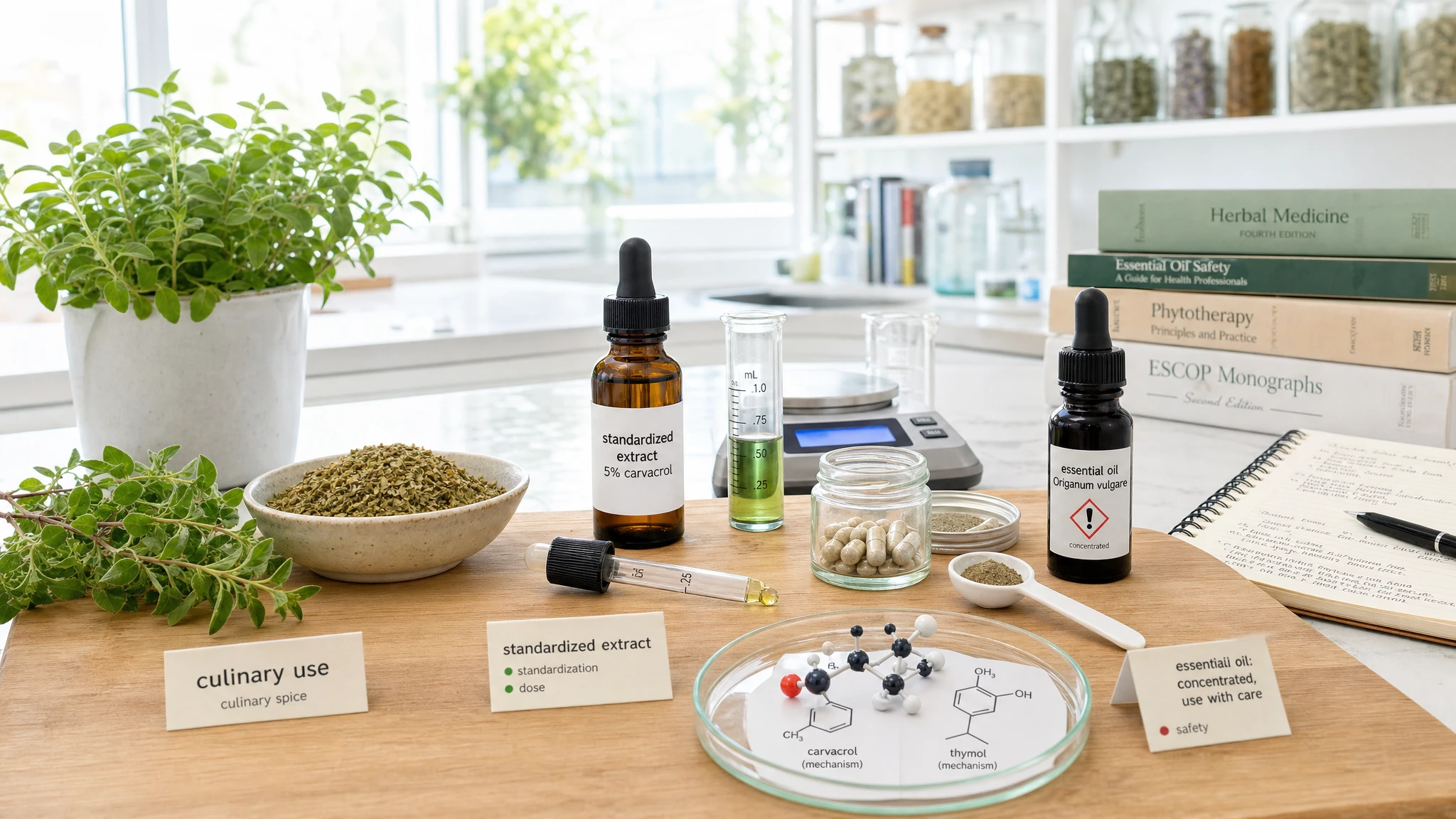
From a practical perspective, oregano must be clearly distinguished between culinary use and concentrated use. As a spice, Origanum vulgare is an aromatic plant of the Mediterranean diet, meaning an herb used to flavor foods and improve their taste. It lends itself to seasoning dishes rich in vegetables, legumes, grains, and lean proteins, indirectly contributing to the overall quality of the diet [4,5]. In this form, the goal is not to achieve a pharmacological effect, but to make the meal more pleasant and, in some contexts, to encourage a reduction in salt. When we talk about extracts, meaning preparations in which the active components of the plant are concentrated, or oregano essential oil, the logic of use changes: the concentration of carvacrol and thymol increases significantly, and with it, the necessary attention to dosage, standardization (i.e., uniformity of the declared content), and safety also increases [1].
For daily use, the most helpful message is that oregano works well as part of a healthy eating style, not as a shortcut. Available evidence suggests interesting biological signals for the most active components, but practical transferability depends on the form of intake and the clinical context [2,1]. In concentrated formulations, especially when seeking effects on inflammation (i.e., the defensive response of tissues to a harmful stimulus), insulin sensitivity (i.e., the body's ability to respond adequately to insulin), or metabolism (i.e., the set of transformations by which the body produces and uses energy), product quality matters as much as the dose. In other words, the potential benefit of oregano increases with the precision of its use, but so does the need to avoid self-medication and overdosing, especially with non-standardized products.
This distinction helps to correctly interpret the following content, as it immediately clarifies the most concrete points of daily use:
- The spice in cooking remains the simplest and most realistic reference.
- Concentrated extracts require clear labeling and standardization.
- Essential oil is not equivalent to the culinary use of the plant.
- Caution is greater when the dose increases rapidly.
The practical part becomes clearer by starting with its use in food, then moving on to extracts and safety profiles. This allows for an organized understanding of what can reasonably be expected from a spice and what, instead, requires more cautious use.
Oregano in the kitchen: how to use it daily without overdoing it
In daily use, oregano is a simple spice to incorporate into many preparations, especially in Mediterranean dishes based on vegetables, legumes, tomatoes, and lean proteins. The amount used in cooking is generally modest, but it can contribute to the overall quality of the diet [4,5]. The point is not to seek pharmacological effects from the spice, but rather to exploit its aromatic profile and its potential usefulness in reducing the reliance on salt and less favorable condiments. Healthy diet guidelines help to interpret the value of aromatic herbs as practical tools to improve adherence, i.e., the ability to consistently follow a more balanced eating style [4,5]. The underlying message is simple but important: oregano can be an ally for taste and meal quality, especially when it replaces part of the salt or makes a vegetable-rich diet more enjoyable. From here, the next step clarifies why concentrated extracts should be evaluated separately, because concentration profoundly changes the intervention's profile. The reader must therefore distinguish between "seasoning well" and "supplementing with high-potency products," two very different acts on a biological level.
Oregano essential oil: why it's not the same as the spice
Oregano essential oil concentrates carvacrol and thymol much more than the food spice. This increases the biological potential, but also changes the tolerability profile, i.e., the body's ability to accept a substance without undesirable effects, and safety. It is therefore inappropriate to use the same logic for seasoning and for concentrated supplementation [1,6,7]. This point is crucial because it resolves one of the most frequent confusions in questions, which often seek a "stronger" effect without considering the difference in dose. Reviews on oregano essential oil emphasize that the composition and concentration can vary, and that the concentrated product has a very different biological profile from the dried spice [1]. This means that practical evaluation must start from the form of use, not the name of the plant. The difference is not only quantitative but qualitative: the intensity of exposure, the potential for interaction (i.e., the possibility that one substance modifies the effect of another), and the methods of use change. From here, the next point concerns reading labels, an essential step to understand what is actually being purchased and to what extent the product is standardized. The issue of product quality therefore becomes central, because safety also depends on the clarity of the information reported on the label.
How to read oregano extract labels
Oregano extracts are not all the same: they differ in carvacrol content, meaning the declared percentage of this compound, the presence of thymol, standardization, and extraction methods. For this reason, carefully reading the label is essential, especially when comparing products intended for supplemental use. Differences in composition influence both the expected effect and the safety margin [1,6]. This point is practically useful because it transforms scientific interest into the ability to make informed choices. Standardization, when present, helps to better interpret the content of the active ingredient, i.e., the substance to which the main activity is attributed, but it does not eliminate the problem of variability between products and between batches. The reader should therefore verify not only the name of the plant, but also the part used, the extraction method, and the declared concentration. Label legibility is an integral part of safety, as it reduces the risk of attributing a composition to the extract that it does not actually possess. The next step leads to the necessary caution with concentrated products, given that safety and tolerability change significantly when the dose increases. From here, we arrive at the most delicate aspect: who should be careful and in what circumstances concentrated use requires greater caution.
Oregano and safety: when to be cautious with concentrated products
The safety of oregano depends on the form of intake. As a culinary spice, it is generally well-tolerated, while concentrated products require caution due to the higher dose of active compounds. This is particularly important for those seeking DIY solutions with essential oils or non-standardized extracts [1,7]. This aspect plays a fundamental role in reader empowerment: it values the spice without trivializing the risk of concentrated forms. The literature on carvacrol clearly shows that an increase in concentration changes the type of biological exposure, and thus the ratio between potential benefit and tolerability [2,6]. The informative function is to intercept direct questions about safety, contraindications, and responsible use. The practical point is simple: the fact that a substance is natural does not automatically make it suitable for all contexts and all doses. For this reason, caution is part of the correct scientific interpretation itself. The next step focuses on common errors, which often arise precisely from the failure to distinguish between food spice and concentrated product. From there, it moves to a more conscious, realistic use, less exposed to misunderstandings or excessive expectations.
Common mistakes in using oregano as a natural supplement
One of the most common mistakes is to consider oregano equivalent to its extracts or essential oil. Another is to attribute strong clinical effects to it based on preclinical data, i.e., results obtained in the laboratory or on experimental models not yet confirmed in humans. The idea that "natural" automatically means safe is also misleading, especially when using concentrated products [1,6,7]. This point is very useful for the reader because it answers practical doubts and frequent misunderstandings. This point represents a quality filter that helps prevent sensationalistic drifts and keep the content faithful to the evidence. The available literature clearly shows that most strong biological signals concern cellular or animal models, while clinical transferability remains incomplete [2,3,11]. For this reason, it is important not to confuse potential with proof. Another mistake is to believe that the quantity used in cooking can replace the experimental use of a standardized extract: in reality, these are completely different contexts. The next step closes the practical part by linking oregano to a healthy eating style, which is the true ground where a spice can express its daily value. From here, we return to real food, taste, and the coherence of the entire dietary pattern.
Oregano and other seasonings: how to incorporate it into a healthy eating style
Oregano is best when incorporated into an overall healthy eating pattern, rich in vegetables, legumes, whole grains, and good quality fats. Its role is to enhance the flavor and quality of the diet, not to compensate for unhealthy habits [4,5]. Comparing it with other condiments helps to understand that the spice works best as part of a coherent food system. This point is interesting because it combines practical nutrition and useful content for those looking for concrete ideas on how to use oregano in daily life. International guidelines reinforce this principle: the overall quality of the diet matters more than a single ingredient [4,5]. Oregano, therefore, is not an isolated protagonist, but a facilitator of better food choices. It is especially useful when it helps make simple and nutritious dishes more palatable, promoting continuity and adherence. From here, the next step leads to a critical conclusion, where the available evidence, the soundness of the rationale, and the need for further confirmation are evaluated. The practical part thus naturally concludes with a broader scientific evaluation, which restores the overall meaning of the topic.
Scientific evidence, limitations, and future applications
Scientific evidence on oregano is promising, but still leans towards preclinical studies and narrative reviews. The point is not just to understand whether oregano truly offers benefits, but also to assess how solid the data are, how comparable the preparations are, and what future applications are realistic for carvacrol, oregano essential oil, and metabolism [2][1][11].
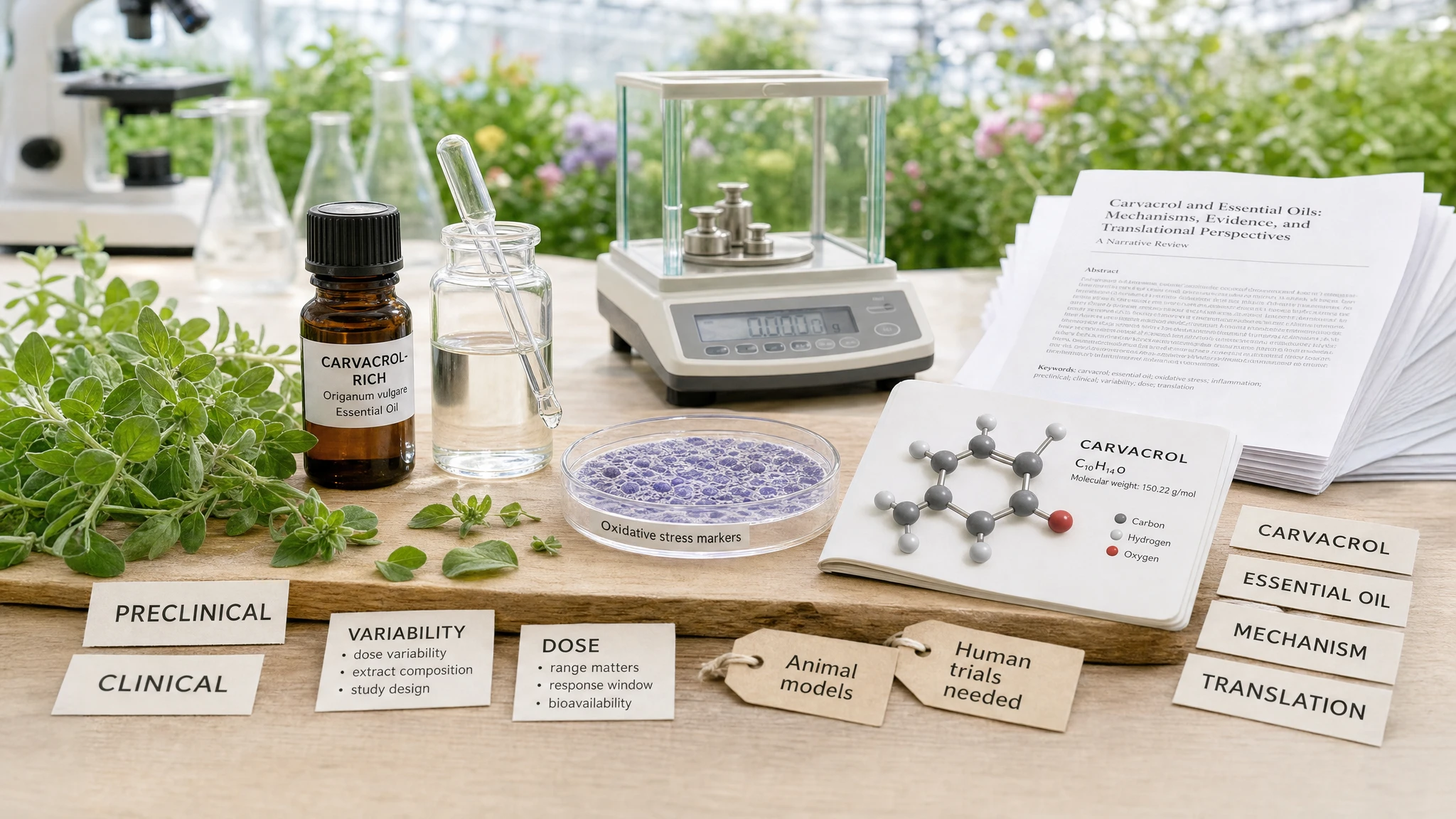
The evidence on the scientific benefits of oregano outlines an interesting, but not yet definitive, profile. Available reviews describe potential effects on oxidative stress, inflammation, glucose metabolism, and some cardiometabolic markers, mainly due to compounds like carvacrol and thymol [2,3,1,14]. Oxidative stress refers to an imbalance between the production of reactive species and antioxidant defenses; inflammation, on the other hand, refers to a biological response that can become chronic when it is low-intensity but persistent. However, most results come from cell models, animal studies, or laboratory studies with extracts that vary greatly in composition, dose, and administration method. For this reason, the biological rationale is strong, while clinical transferability requires greater caution. In other words, oregano is an interesting phytochemical source, but it should not yet be interpreted as an autonomous therapeutic intervention.
From a pathophysiological perspective, i.e., the study of the mechanisms underlying diseases, the interest arises from the fact that many chronic diseases share commonalities: oxidative stress, low-grade inflammation, alterations in lipid metabolism, and insulin resistance. Insulin resistance, meaning the reduced response of tissues to insulin, is one of the most relevant processes for glycemic and metabolic control. In this context, carvacrol is being studied as a modulator of intracellular signals, i.e., communication pathways within the cell, capable of influencing redox homeostasis, inflammatory response, and metabolic functions [2,11,14]. This is where oregano gains relevance for public understanding: not as a substitute for treatments, but as a natural matrix from which molecules with biological potential are derived. Some reviews also describe possible effects on the brain, liver, and neoplastic pathways, but the level of evidence remains heterogeneous and highly dependent on the experimental model used [17,18,19,20,15,35].
Standardization is also crucial because essential oil and extracts are not equivalent to the spice used in cooking. The concentration of carvacrol varies with chemotype, botanical origin, and extraction method, and this changes the actual dose administered [1]. A chemotype is a natural chemical variant of a plant, characterized by a specific profile of dominant molecules. Consequently, a result observed in the laboratory cannot be automatically transferred to the daily diet. Even when effects are consistent, oral bioavailability, i.e., the amount of substance that actually enters circulation after intake, first-pass metabolism, and tissue distribution can attenuate or modify the biological action. For this reason, the institutional message must remain clear: high scientific interest, but caution in clinical interpretation.
From the perspective of future applications, the most promising area concerns the possible use of carvacrol as a lead molecule for further investigations into oregano carvacrol, oregano and inflammation, and oregano and insulin resistance [11,14,22]. Some experimental works suggest involvement in pathways such as AMPK, mTOR, and autophagy, with theoretical implications for insulin sensitivity and metabolic adaptation [16,23,42]. AMPK is a protein that functions as a cellular energy sensor, while mTOR is a signaling pathway that regulates growth, protein synthesis, and resource utilization. Autophagy, on the other hand, is a cellular recycling process by which the cell removes damaged components and recovers others. In various models, AMPK activation is interpreted as a favorable signal for energy consumption and improved glucose uptake, while mTOR inhibition can facilitate cellular maintenance and metabolic remodeling processes [30,31,33,34]. However, it remains essential to remember that results observed in vitro or in animal models do not guarantee the same effect in humans. The real value of the topic, today, lies precisely in its balance between biological promise and the need for more robust clinical evidence.
To correctly interpret the literature, it is useful to distinguish three levels: mechanistic plausibility, methodological quality, and human confirmation. Key points emerge especially when data on metabolism, cellular signaling, and safety of use are considered together:
- Reviews describe biological potential, but do not equate to conclusive clinical evidence.
- Differences between extracts make it difficult to compare results across different studies.
- Hypotheses on oregano AMPK mTOR require more robust human confirmation.
- Future applications depend on doses, bioavailability, and standardization of preparations.
Reviews and experimental studies help us understand where research is most convincing and where further confirmation is still needed. From this starting point, the main methodological limitations and future directions can be systematically examined.
What scientific reviews really say about oregano
Available reviews describe oregano as a source of compounds with potential antioxidant, anti-inflammatory, antimicrobial, and metabolic properties. However, the picture is dominated by experimental studies, often heterogeneous in terms of dose, extract form, and biological model [2,3,1,6,7]. This means that the rationale is strong, but clinical generalization is still limited. Broad-spectrum reviews are valuable because they aggregate results, but they do not negate the variability of the initial data. In practice, they show that carvacrol is a molecule of great interest, but not that oregano is already a therapy. When reading these summaries, it is useful to ask what endpoints were measured: inflammatory markers, lipid profile, glycemia, oxidative stress, or actual clinical outcomes. Endpoints are the outcomes or measures chosen to evaluate the effect of an intervention. Often, the literature stops at biomarkers, which are informative but do not equate to clinical benefit. The next step addresses the issue of quantitative synthesis and human evidence: are there truly enough meta-analyses, or is the literature still too fragmented? This remains one of the crucial points for interpreting the potential of the topic with a correct methodological eye.
There are meta-analyses on oregano and human carvacrol
Specific meta-analyses on oregano and human carvacrol are still scarce compared to the breadth of public interest. A meta-analysis is a statistical synthesis that combines the results of multiple studies to estimate an overall effect. This data is important because it helps calibrate expectations: a strong mechanistic rationale does not automatically equate to a mass of clinical trials or robust quantitative syntheses. It is also useful for intercepting questions seeking "definitive" confirmation of efficacy, which, however, must be answered with methodological precision. The available evidence indicates that most information comes from cell and animal studies and narrative reviews, with little direct human data on oregano as such [2,3,1,11]. This does not mean the topic is weak; it means the clinical path is still long. In the few pieces of evidence cited by reviews, the comparison between single compounds and plant mixtures remains complex, because the observed effect can depend on molecular synergies that are difficult to isolate. The next step clarifies why the results are so heterogeneous and what are the main limitations to keep in mind when reading the studies. The quality of the evidence depends not only on the number of publications, but on their comparability and the consistency of experimental designs.
Methodological limitations of oregano research: what to keep in mind
The main limitations of the research concern the prevalence of cellular and animal models, the variability of preparations, the different concentrations of active ingredients, and the scarcity of homogeneous clinical data. These aspects do not invalidate the topic but define its perimeter [2,3,1,6]. All of this is essential to ensure rigor and prevent over-interpretation. It is also high-value content because it helps the reader understand why a promising molecule may still require solid confirmation before being translated into clinical practice. Variability is particularly important in oregano because the plant changes with climate, chemotype, and extraction method, and therefore can produce very different preparations [1]. Furthermore, data on carvacrol often derive from doses that do not correspond to ordinary culinary use, making the direct transfer of results inappropriate [2,6]. From a biological point of view, this means that even seemingly similar effects can have different origins: reduction of lipid peroxidation, modulation of cytokines, activation of energy sensors, or interference with insulin signaling. Cytokines are small proteins that coordinate communication between immune system cells and other tissues. The next step opens up the topic of new research, where interest in AMPK, mTOR, insulin resistance, and steatosis continues to grow. Research should be read as an evolving process, not as a repertoire of already closed conclusions.
New research on oregano, carvacrol, and metabolism
Recent research continues to explore the role of carvacrol in metabolism, inflammation, and cellular regulation. Interest is growing, especially in the fields of insulin resistance, hepatic steatosis, and signaling pathways like AMPK and mTOR [15,16,23,35]. Hepatic steatosis is the accumulation of fat in the liver, a condition that can alter its metabolic function. This does not mean that every new publication automatically confirms a clinical benefit, but it signals a consistent and biologically promising research trajectory. In the article, this point serves as a continuous update and helps keep the content aligned with emerging literature. Recent reviews on diabetes, cardiovascular health, and the potential uses of oregano and its essential oil show a very strong thematic convergence, especially on metabolism and inflammation [3,1,11,14]. In experimental models, carvacrol has also been linked to protection from hepatic steatosis, defense against oxidative stress, and modulation of pro-survival signals, with implications that extend beyond a single organ [15,35,28]. This reinforces the idea of a pleiotropic molecule, meaning one capable of acting on multiple biological targets, but calls for caution because pleiotropy does not equate to demonstrated therapeutic efficacy. The next step concludes with a more realistic perspective: how can oregano be used long-term, in daily practice, and for prevention, without abandoning scientific rigor? The answer here is not miraculous, but systemic: oregano can be useful within a healthy diet and a coherent health strategy.
Oregano and prevention: realistic long-term applications
From a preventive perspective, oregano should be considered a useful spice to support a varied diet, rich in vegetables, and attentive to metabolic balance. Its realistic applications primarily concern the quality of the dietary pattern and the possible biological support offered by its compounds, not the idea of a miraculous effect [4,5,1]. This in-depth analysis shows a concrete perspective: oregano makes sense within a healthy lifestyle, not as a shortcut. From an informational point of view, it is a high-value topic because it intercepts those looking for the link between prevention, nutrition, and long-term well-being. Reviews on carvacrol confirm that the substance is biologically interesting, but its translation into clinical prevention in humans still requires a larger body of evidence [2,3,11,6]. Here too, the distinction between food and active ingredient matters: using oregano in cooking is not equivalent to administering a concentrated extract, and therefore the two contexts should not be conflated. On a public level, this helps to avoid excessive messages and to promote a more sober, but more solid, nutritional education. The final message is therefore balanced: oregano should not be overestimated, nor reduced to a simple flavor. It is a spice with a remarkable phytochemical profile, deserving attention in both cooking and research. This critical conclusion completes the scientific and practical picture of oregano. In the final passage, this balance becomes an authoritative synthesis of its real place among nutrition, metabolism, and cell biology.
Comparative overview
The following table summarizes the main concepts that emerged in the article, distinguishing between the form of use, biological targets, and level of evidence. This comparison helps to avoid confusing the kitchen spice with concentrated extracts and to more accurately interpret the meaning of the various properties attributed to oregano.
| Concept | What it means | Level of evidence |
|---|---|---|
| Oregano in cooking | Aromatic spice with mainly culinary and sensory impact | Good for daily use, limited biological effect |
| Essential oil and extracts | Concentrated forms with more carvacrol and thymol | High experimental interest, caution needed |
| AMPK, mTOR and insulin resistance | Cellular pathways involved in energy, growth, and metabolism | Strong rationale, clinical evidence still limited |
Summary of scientific evidence
This summary compiles the most representative sources in the doilist to organize results, distinguish levels of evidence, and show where the literature is most robust and where it remains cautious.
| Publication Year | Area Studied | What the studies indicate | Main Limitation | Level of Evidence |
|---|---|---|---|---|
| 2022 | Carvacrol composition and bioactivity | studies suggest broad biological interest in inflammation, oxidation, and cellular processes | Most data remain experimental or review-based | Systematic review [2] |
| 2022 | Lipids, oxidative stress, and cardiovascular function | evidence indicates possible support for lipid profile and oxidative tone | Clinical translation in humans is still limited | Systematic review [3] |
| 2021 | Carvacrol neuroprotection | studies suggest mechanistic potential for oxidative stress and neuroinflammation | Robust clinical confirmations are lacking | Systematic review [8] |
| 2025 | Oregano and essential oil | evidence indicates strong dependence on composition, chemotype, and form of use | High heterogeneity of the preparations studied | Systematic review [1] |
| 2025 | Asthma and airway inflammation | studies suggest an anti-inflammatory and broncho-modulating rationale | The level of evidence remains primarily preclinical | Systematic review [9] |
| 2023 | Gastric ulcer and mucosal protection | effects consistent with antioxidant and anti-inflammatory protection have been observed | Data is limited to experimental models | Preliminary evidence [10] |
| 2024 | Type 2 diabetes and insulin resistance | evidence indicates potential for glycemic control and insulin sensitivity | Limited availability of specific human data | Systematic review [11] |
Editorial interpretation of the evidence
Overall, the bibliography builds a fairly consistent profile: oregano is particularly interesting for its phytocomplex, i.e., the set of plant compounds that act in a coordinated manner, with carvacrol and thymol as the most relevant molecules. The sources converge on some recurring biological axes, in particular oxidation, inflammation, glucose metabolism, and the regulation of intracellular signals related to energy and cellular adaptation. The literature is therefore strong in describing a rationale, but less strong in demonstrating a direct clinical benefit in humans. For this reason, the value of the topic is primarily interpretive and pathophysiological.
The main limitation is the gap between laboratory results and real-world application. Many studies use extracts, essential oils, or dosages that are not comparable to culinary use, making it difficult to compare results. Furthermore, botanical variety, chemotype, and extraction methods significantly alter the content of active ingredients. This results in a promising but fragmented body of literature, with a need for more homogeneous, better standardized, and more closely aligned clinical studies with actual human consumption.
Conclusions and editorial summary
Oregano holds an interesting position among nutrition, phytochemistry, and cell biology. It is not just a traditional Mediterranean spice: it is also a plant matrix rich in compounds that have attracted attention for their possible role in oxidation, inflammation, and metabolic regulation processes. Carvacrol, in particular, emerges as the main candidate responsible for many of the activities described in the literature, while thymol completes a chemical profile that makes oregano a consistent and current object of study.
However, a more correct reading of the evidence is cautious. The available data suggest a real biological interest, especially in preclinical models, but do not allow oregano to be attributed an autonomous therapeutic role. This is especially true for type 2 diabetes, insulin resistance, chronic inflammation, cardiovascular function, and the regulation of pathways such as AMPK and mTOR. The point is not to promise a direct effect, but to understand that the spice and its derivatives can interact with physiological mechanisms relevant to metabolism and the quality of the cellular response.
From a nutritional point of view, oregano finds its best place as a support for the overall quality of the diet. Included in a model rich in vegetables, legumes, whole grains, and good quality fats, it contributes to the taste and variety of the meal, also promoting a more moderate use of salt. This practical function should not be underestimated, because metabolic prevention often arises from simple and repeated habits, not from single ingredients considered in isolation.
The distinction between spice, extract, and essential oil remains decisive. Concentrated forms have different biological potency and require a higher level of attention, both for composition and safety. It is precisely here that future research can clarify, establishing which formulations are truly comparable, in what doses, and with what clinical endpoints. In this sense, scientific benefits of oregano do not mean attributing an absolute value to the plant, but recognizing its realistic potential: that of being a natural source of interesting compounds for prevention, metabolic physiology, and nutritional research. The topic, therefore, opens up a broad perspective that unites daily nutrition, metabolism, and cellular adaptation, and lends itself to being followed on the site with further insights into spices, plant compounds, and metabolic health.
Final critical note
The overall picture is promising, but interpretive caution remains necessary. Most favorable observations derive from in vitro or animal studies, where experimental conditions do not reproduce the complexity of real nutrition, digestion, and human metabolism. Furthermore, the analyzed extracts are not uniform: species, chemotype, extraction method, carvacrol concentration, and the presence of other compounds that can modify the final effect vary. This makes it difficult to compare results and limits the possibility of drawing generalizable conclusions.
Another critical point concerns the gap between biological potential and clinical utility. Interesting signals on AMPK, mTOR, autophagy, inflammation, and insulin sensitivity do not equate to a demonstrated benefit in humans. Even when results appear consistent, robust trials, clear clinical endpoints, and sufficiently long follow-ups are often lacking. Problems of bioavailability, compound metabolism, and the safety of concentrated forms, which cannot be treated as simple equivalents of the food spice, also remain open. In summary, oregano is a biologically solid object of study, but practical translation still requires stronger, more homogeneous, and better standardized confirmations.
References
[1] Chemical Composition, Biological Activity, and Potential Uses of Oregano (Origanum vulgare L.) and Oregano Essential Oil
[2] Therapeutic application of carvacrol: A comprehensive review
[3] Protective effects of carvacrol on lipid profiles, oxidative stress, hypertension, and cardiac dysfunction – A comprehensive review
[7] The natural plant compound carvacrol as an antimicrobial and anti-biofilm agent: mechanisms, synergies and bio-inspired anti-infective materials
[8] Carvacrol as a Potential Neuroprotective Agent for Neurological Diseases: A Systematic Review Article
[9] Carvacrol in asthma management: a comprehensive review of its therapeutic potential and mechanisms of action
[10] In vivo and In silico evidence of the protective properties of carvacrol against experimentally-induced gastric ulcer: Implication of antioxidant, anti-inflammatory, and antiapoptotic mechanisms
[11] Carvacrol is potential molecule for diabetes treatment
[12] Neuroprotective Potential and Underlying Pharmacological Mechanism of Carvacrol for Alzheimer’s and Parkinson’s Diseases
[14] Molecular mechanisms and therapeutic prospects of carvacrol and thymol in type 2 diabetes mellitus: a review
[15] Carvacrol Protects against Hepatic Steatosis in Mice Fed a High-Fat Diet by Enhancing SIRT1-AMPK Signaling
[16] Kun-Dan Decoction Improves Insulin Resistance by Activating AMPK/mTOR-Mediated Autophagy in High-Fat Diet-Fed Rats
[23] Origanum vulgare L. Essential Oil Mitigates Palmitic Acid-Induced Impairments in Insulin Signaling and Glucose Uptake in Human Adipocytes
[35] Protective effect of carvacrol on liver injury in type 2 diabetic db/db mice
Editorial note
Artificial Intelligence was used solely as a tool to support editorial and documentary work. All content, interpretations, bibliographic citations and conclusions have been verified, reviewed and approved by the author, who assumes full scientific responsibility for them.
The manuscript was also subject to independent peer review prior to publication.
To ensure maximum transparency, the article's complete history — including the dates of submission, review, acceptance and publication, as well as information on the peer review process — is available on the dedicated Article History page.